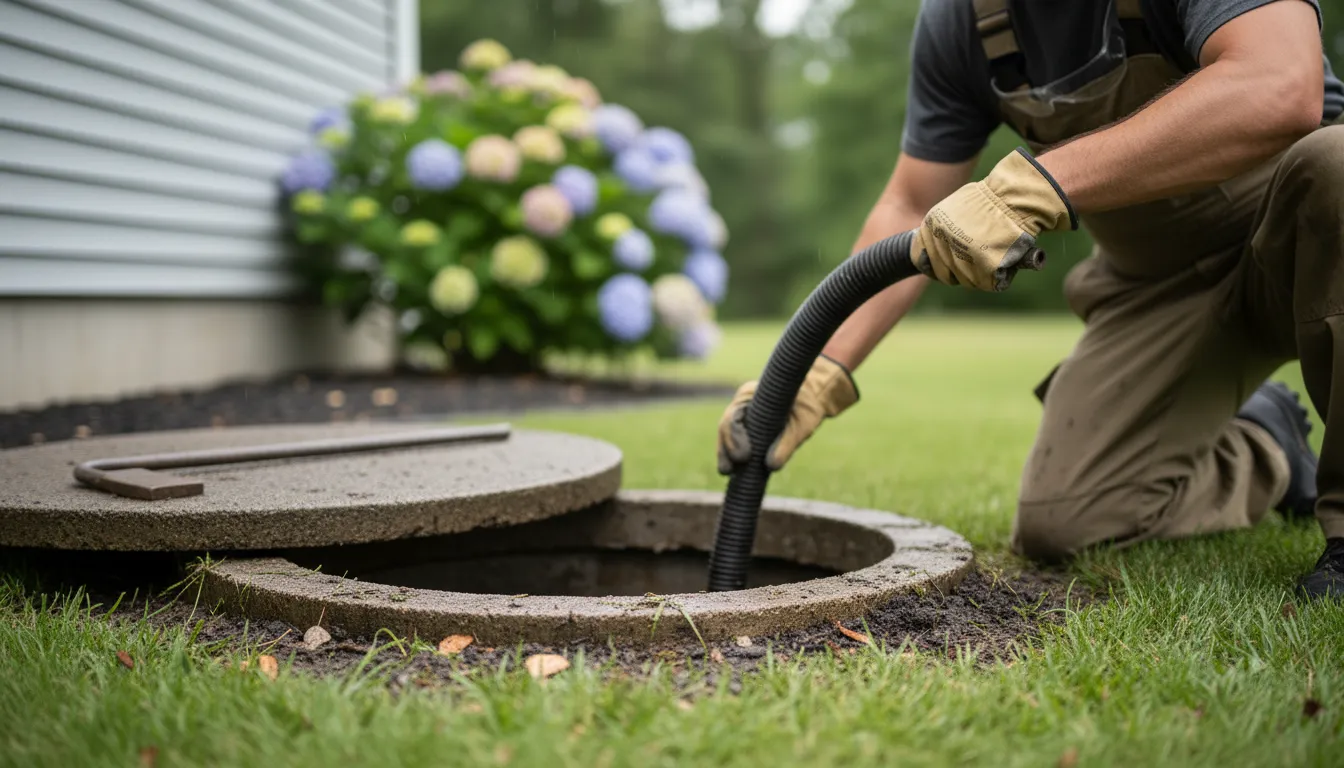
Find the Best Septic Tank Pumping Contractors for Your Business
No obligation • Fast responses • Nationwide coverage

Why you can trust Septic Spot
Septic Spot is a leading United States resource for understanding and comparing septic services. Our editors review providers using consistent criteria and verify key business details. Listings and scores are independent, and companies cannot pay to influence our content.
Search providers near you
Top Septic Tank Pumping Contractors in Port Orange, Florida Ranked
Maintaining your septic system is a crucial responsibility for any homeowner not connected to a municipal sewer line. Septic tank pumping is the core service that removes accumulated solids to prevent system failure, costly repairs, and environmental contamination. For residents of Port Orange, understanding local factors like sandy soil and high water usage is key to a reliable maintenance schedule. This guide provides the essential information you need to schedule septic cleaning, understand inspection requirements, and find qualified local professionals for your septic service needs.
Understanding Your Septic System and Local Factors
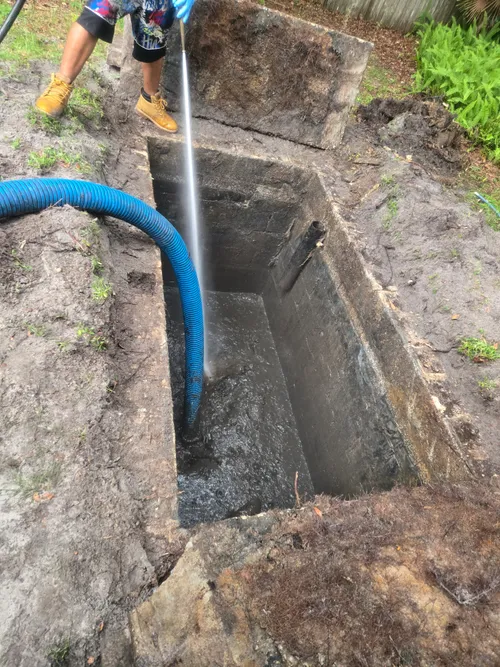
A septic system is an on-site wastewater treatment structure, typically consisting of a tank and a drain field. All the water from your home-from toilets, showers, sinks, and laundry-flows into the septic tank. Here, solids settle to the bottom as sludge, oils and grease float to the top as scum, and the relatively clear liquid in the middle (effluent) exits into the drain field for further filtration into the soil. Septic tank pumping is the process of using a vacuum truck to remove the accumulated sludge and scum before they can overflow and clog the system.
In Port Orange, several local conditions make regular maintenance especially important. The sandy soil common in Florida allows for good drainage but can also lead to quicker system failure if the drain field becomes clogged with solids. Furthermore, high household water usage from large families, frequent laundry loads, or long showers can fill the tank with liquid too quickly, not allowing enough time for solids to settle. This increases the frequency needed for septic tank cleaning.
Recommended Pumping Frequency for Port Orange Homes
How often you need to schedule septic system pumping isn't a one-size-fits-all answer; it depends on your household's specific characteristics. However, general guidelines provide a reliable starting point.
- Standard Household (3-5 people): The most common recommendation for a typical Florida home is to pump the septic tank every 3 to 5 years. This is a good baseline for planning and budgeting.
- High-Usage or Large Family: If you have a large household (6+ people), use a garbage disposal frequently, or do multiple loads of laundry daily, you should consider septic servicing more often-potentially every 1 to 2 years 1. The increased volume of water and solids fills the tank faster.
- Small or Seasonal Household: A single occupant or a vacation home used only part of the year may be able to extend the pumping interval beyond five years, but regular inspections are still critical to determine the actual need 2.
The best way to know for sure is through a professional inspection, which can measure the sludge and scum levels inside your tank. Waiting for obvious signs of trouble-like slow drains, sewage backups, or foul odors-means the system is already failing, leading to much more expensive repairs.
The Importance of Regular Septic Inspections
While pumping removes waste, an inspection assesses the overall health of your entire onsite sewage treatment and disposal system (OSTDS). Florida law has shifted to provide homeowners with more flexibility. As of July 2022, the state allows homeowners to hire licensed private providers to inspect their systems, a service noted by the Florida Department of Health in Orange County 3.
Experts recommend a professional septic system inspection every 1 to 3 years 4 5. A thorough inspection should include:
- Checking the sludge and scum levels to determine if pumping is needed.
- Inspecting inlet and outlet baffles (or tees) for blockages or damage.
- Examining the drain field for signs of surfacing effluent or overly lush grass, which indicates failure.
- Looking for cracks or leaks in the tank itself.
- Assessing the overall condition of components like the tank lid and risers.
Find the perfect septic tank pumping contractors for your needs
Get personalized recommendations and expert advice
What to Expect: Service Scope and Costs
Understanding the scope of common services and associated costs helps you budget appropriately and know what to ask for when contacting providers.
Septic Tank Pumping: The core service of vacuuming out the tank typically costs between $250 and $600 in the Port Orange area. The final price can vary based on tank size (e.g., 1,000-gallon vs. 1,500-gallon), accessibility, and how long it has been since the last pump.
Combined Service & Maintenance: Many companies offer a comprehensive service visit that includes pumping, a basic inspection, and minor adjustments. In Port Orange, total costs for such services have a wide range, with many projects averaging between $1,383 and $2,020, though the full spectrum can be from about $426 to over $4,268 for very large or complex jobs 6.
Minor Repairs: During an inspection, a technician might identify issues that need immediate attention. Common minor repairs include replacing a damaged baffle, cleaning an effluent filter, or unclogging an inlet pipe. These repairs often range from $150 to $500 7.
Proactive Maintenance Tips for Homeowners
You can significantly extend the life of your septic system and reduce the frequency of emergency calls by adopting good household habits.
- Conserve Water: Fix leaky faucets and toilets immediately. Spread out water-intensive activities like laundry over the week instead of doing many loads in one day. Using high-efficiency toilets and showerheads reduces the hydraulic load on your system 8 9.
- Mind What You Flush: Your septic system is designed for human waste and toilet paper only. Never flush grease, cooking oils, coffee grounds, feminine hygiene products, condoms, diapers, wipes (even "flushable" ones), cigarettes, or chemicals like paint, pesticides, or solvents 10 11. These materials clog the system and kill the essential bacteria that break down waste.
- Know Your System's Location: Keep a record of your septic tank and drain field location. Look for the green lid or a raised rectangular patch of dirt in your yard. Knowing this saves time and money during service visits and prevents you from driving or parking heavy vehicles over the drain field, which can compact the soil and crush pipes 12.
- Keep Detailed Records: Maintain a log of all pumping dates, inspection reports, and repairs. This history is valuable for troubleshooting future issues and is often required if you sell your home.
Signs Your Septic System Needs Immediate Attention
Don't ignore the warning signs of a failing system. If you notice any of the following, contact a professional for septic tank service right away:
- Slow Drains: Sinks, showers, and toilets that drain slowly, especially if multiple fixtures are affected.
- Gurgling Sounds: Unusual gurgling noises coming from your plumbing.
- Sewage Backups: Wastewater backing up into household drains.
- Bad Odors: Foul smells around the drains inside your home or in the yard near the tank or drain field.
- Lush, Wet Patches: Exceptionally green, soggy, or spongy grass over the drain field, even during dry weather.
- Standing Water: Puddles of grey or foul-smelling water in your yard.
Frequently asked questions
Sources
Footnotes
-
Septic Systems | Department of Environmental Protection - https://www.pa.gov/agencies/dep/residents/my-water/septic-systems ↩
-
How Often Should You Pump Your Septic Tank in Florida? - https://www.wrenvironmental.com/blog/2026/february/how-often-should-you-pump-your-septic-tank-in-fl/ ↩
-
Onsite Sewage Disposal - Florida Department of Health in Orange ... - https://orange.floridahealth.gov/programs-and-services/environmental-public-health/onsite-sewage-disposal/ ↩
-
Septic Tank Servicing Florida: Maintenance Tips & Schedule - https://crewssepticsolutions.com/how-often-should-a-septic-tank-be-serviced-under-floridas-septic-maintenance-rules/ ↩
-
Septic Tanks - Preventative Routine Maintenance - https://des.sc.gov/permits-regulations/septic-tanks/homeowner-resources/septic-tanks-preventative-routine-maintenance ↩
-
Septic Service in Port Orange, FL - Costs 03 / 2026 - Homeyou - https://www.homeyou.com/fl/septic-service-port-orange-costs ↩
-
How Much Does it Cost to Maintain a Septic Tank in Florida? - https://mathisandsonsseptic.com/mathis-sons-septic-blog-orlando-fl/how-much-is-septic-tank-maintenance-in-florida/ ↩
-
How Often Should You Pump Your Septic Tank in Florida? - https://millersepticfl.com/how-often-should-you-pump-your-septic-tank-in-florida/ ↩
-
A Guide on How Often to Pump Your Septic Tank in Florida - https://www.yoursepticmasters.com/how-often-should-a-septic-tank-be-pumped-in-florida ↩
-
How Often Should You Pump in 2026 - Septic Tank Cleaning - https://septictankcleaningguide.com/how-often-pump-septic-tank/ ↩
-
Septic Pumping & Maintenance | Tips, Process, Costs & Professional Service - https://www.benjaminfranklinplumbing.com/league-city/blog/2025/march/what-is-septic-pumping-essential-maintenance-for-a-healthy-system/ ↩
-
How Often Should You Pump Your Septic Tank? - https://premierplumbingandleakdetection.com/2023/09/27/how-often-should-you-pump-your-septic-tank/ ↩