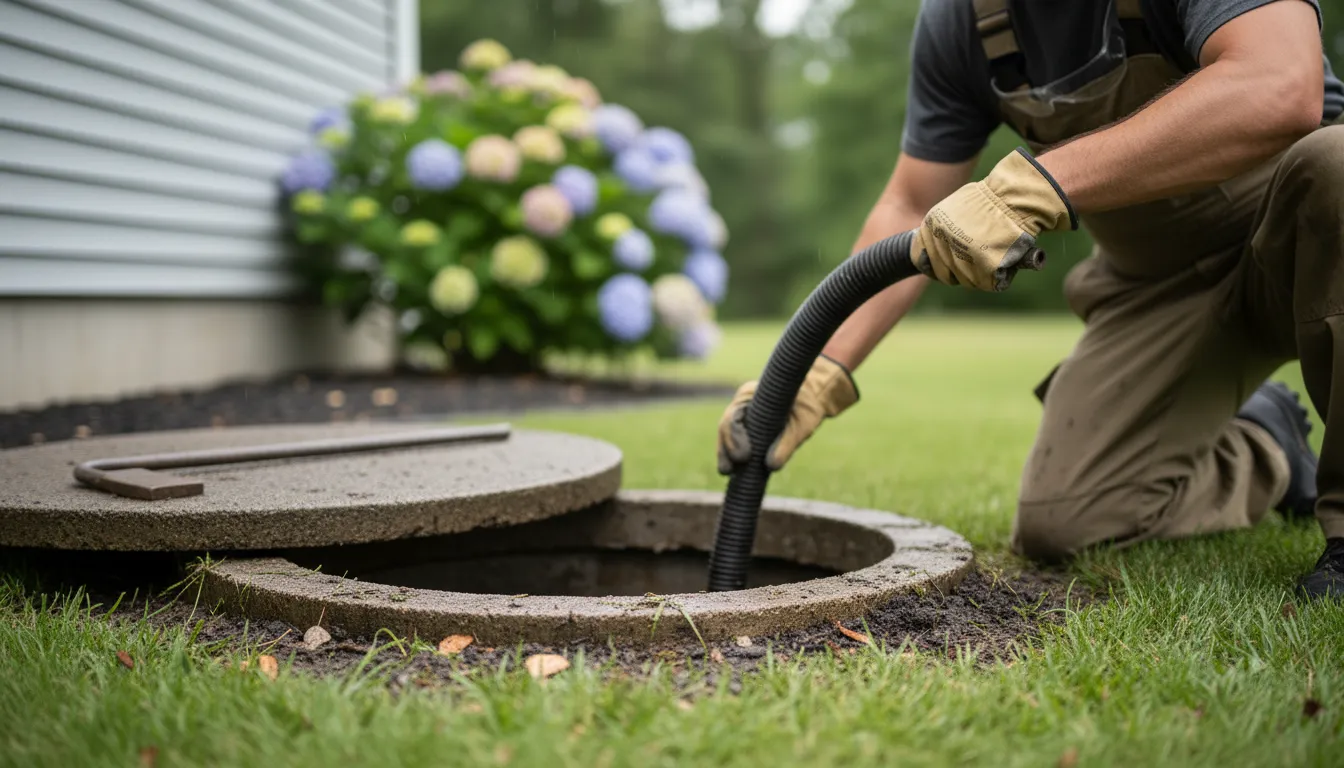
Find the Best Septic Tank Pumping Contractors for Your Business
No obligation • Fast responses • Nationwide coverage

Why you can trust Septic Spot
Septic Spot is a leading United States resource for understanding and comparing septic services. Our editors review providers using consistent criteria and verify key business details. Listings and scores are independent, and companies cannot pay to influence our content.
Search providers near you
Top Septic Tank Pumping Contractors in East Honolulu, Hawaii Ranked
Maintaining your septic system is a critical responsibility for any homeowner not connected to a municipal sewer line. In East Honolulu, where protecting our island's precious groundwater is paramount, regular septic tank pumping and maintenance isn't just a chore-it's an essential part of environmental stewardship. This service involves a licensed professional removing the accumulated solids, or sludge, from your tank to prevent system backups, costly repairs, and contamination. Finding a reliable local provider for this vital work ensures your system functions properly for years to come and helps you comply with Hawaii's specific health regulations.
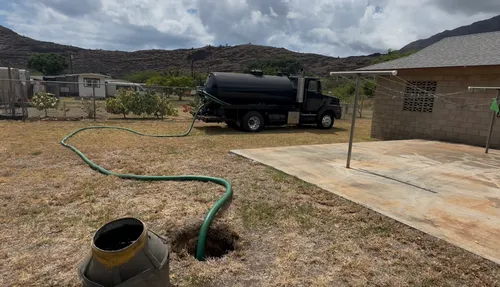
Pink Pumper Inc
Honolulu, HI
Pink Pumper Inc is a locally owned septic tank pumping company based in Honolulu, HI. They provide residential and commercial septic pumping services tailored to the needs of Hawaii homes and businesses. Their offerings include routine septic pumping on flexible schedules and waste holding tank rentals for locations without standard sewer access. The company also provides 24-hour emergency pumping services to address backups and system failures promptly.
First Quality Environmental
41-717 Kakaina St, Waimanalo, HI 96795
First Quality Environmental is a licensed wastewater contracting firm based in Honolulu, HI, specializing in septic tank installation, cesspool closures, grease interceptor installation, and septic tank pumping. Since 1991, they have provided tailored wastewater solutions for homeowners and industrial clients, ensuring systems meet Department of Health standards and protect Hawaii's environment. Their services include design, installation, soil percolation testing, and securing necessary approvals, with a focus on preserving the island's natural beauty.
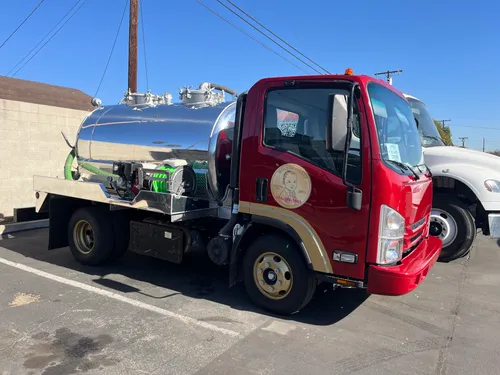
Golden Penny Sanitation Inc
Honolulu, HI
Golden Penny Sanitation Inc is a locally owned company providing sanitation services in Honolulu, HI. They serve residential homes, restaurants, and commercial properties with services including septic tank pumping, septic system installation and replacement, grease trap cleaning, restaurant waste oil recycling, sewer and drain cleaning, and sewer line repair. The company offers licensed, code-compliant septic system installations and uses advanced methods like hydro jetting for drain cleaning. With over 10 years of experience, Golden Penny Sanitation Inc also provides 24/7 sanitation support for emergency needs.
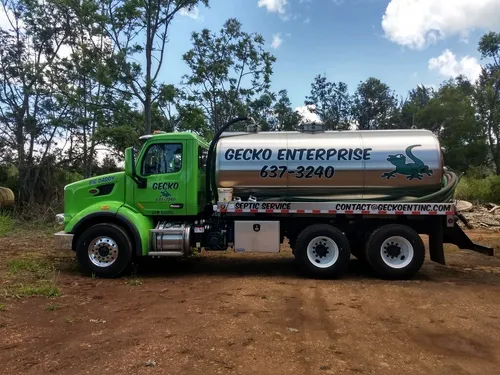
Gecko Enterprises
Honolulu, HI
Gecko Enterprises is a septic services company based in Honolulu, HI, offering a range of services including septic tank pumping, inspections, repairs, and installations. They also handle cesspool cleaning, wastewater hauling, and leach field repair or replacement. The company is licensed, insured, certified, and approved by the Department of Health. Since 1989, Gecko Enterprises has provided wastewater treatment operations and maintenance for both residential and commercial clients, emphasizing education on septic system care.
Why Septic System Maintenance is Crucial in East Honolulu
Unlike many mainland communities, Hawaii relies heavily on its groundwater for drinking water. A failing or neglected septic system can leach untreated wastewater into the ground, posing a serious risk to public health and the delicate island ecosystem. The Hawaii Department of Health (DOH) strictly regulates all individual wastewater systems (IWS) to prevent this contamination. Regular pumping is the cornerstone of a proper maintenance plan, safeguarding your property, your neighbor's well-being, and our shared environment.
Beyond environmental protection, consistent maintenance protects your investment. A severely clogged or failing septic system can lead to:
- Sewage backups into your home.
- Slow-draining sinks, toilets, and showers.
- Soggy, foul-smelling patches in your drain field.
- Extremely expensive excavations and repairs or full system replacement.
Understanding Your Septic System and Pumping Needs
A typical septic system has two main parts: the tank and the drain field. Wastewater from your home flows into the tank, where solids settle to the bottom as sludge, and oils float to the top as scum. The liquid effluent in the middle then flows out into the drain field for further natural filtration. Over time, the sludge layer builds up. If it isn't removed periodically, solids can flow into and clog the drain field, causing system failure.
So, how often should you schedule septic tank pumping? The general rule for East Honolulu is every 3 to 5 years. However, this is a guideline, not a one-size-fits-all schedule. Several factors can require more frequent service:
- Household Size and Usage: More people create more wastewater, filling the tank faster.
- Tank Size: A smaller tank will need to be pumped more often.
- Garbage Disposal Use: Disposals significantly increase the amount of solids entering the tank.
- System Age and Condition: Older systems may be less efficient.
The Hawaii Department of Health encourages regular inspections, which can help determine the exact pumping schedule for your home. In some cases, such as high-usage households or systems in environmentally sensitive areas, pumping every 2-3 years may be necessary 1.
Hawaii's Regulatory Landscape for Septic Services
Homeowners in East Honolulu must be aware of specific state and local requirements. All septic waste must be pumped and disposed of by a registered, licensed professional who can provide proper documentation of disposal 2. This ensures hazardous waste is handled safely and legally.
A critical statewide mandate is the cesspool replacement law. Hawaii has mandated that all cesspools must be upgraded or replaced by 2050 3. If your property still uses an old cesspool, planning for conversion to a modern septic system or aerobic treatment unit (ATU) is essential. Failure to maintain your system in accordance with DOH regulations can result in significant fines 4.
Find the perfect septic tank pumping contractors for your needs
Get personalized recommendations and expert advice
What to Expect During a Professional Pumping Service
When you hire a qualified technician for septic tank pumping in East Honolulu, they will typically follow a standard process:
- Locate and Access: The technician will find and uncover the tank's access lids.
- Inspection: A visual inspection of the tank's inlet and outlet baffles and the sludge/scum layers is often performed.
- Pumping: Using a large vacuum truck, all solids and liquids are pumped out of the tank.
- System Check: The technician may run water to check flow and ensure the drain field is accepting effluent.
- Documentation: You should receive a service report detailing the work performed and any observations or recommendations.
This is also an opportune time for a more comprehensive septic system inspection. Many companies offer inspection services that can identify potential issues like cracked tanks, root intrusion, or drain field problems before they become emergencies.
Cost Considerations for Septic Pumping in 2026
The cost of septic tank pumping can vary based on tank size, accessibility, and the extent of sludge buildup. For East Honolulu homeowners, recent data indicates the average cost for pumping service is around $426, with a typical range falling between $291 and $562 5. It's wise to get estimates from a few licensed local providers. Remember, the cheapest option isn't always the best-ensure the company is properly licensed and insured.
While pumping is a periodic expense, it is far more economical than the cost of repairing or replacing a failed drain field, which can run into the tens of thousands of dollars. Viewing pumping as routine, preventative maintenance is the most cost-effective approach to septic system ownership.
Maintaining Your System Between Pumpings
Professional pumping is essential, but what you do between service visits also matters. Good practices include:
- Conserve Water: Fix leaks and spread out laundry loads to avoid overwhelming the system.
- Mind What You Flush: Only human waste and toilet paper should go down the drain. Avoid flushing wipes (even "flushable" ones), feminine hygiene products, dental floss, cooking grease, and chemicals.
- Protect the Drain Field: Never park or drive heavy vehicles over it. Keep roof drains and sump pumps directed away from the area.
- Use Bacteria Additives Cautiously: A healthy system naturally contains the bacteria needed for breakdown. While some additives may help, they are not a substitute for pumping and should be used sparingly, if at all, as some can harm the system 6.
Signs Your Septic Tank Needs Immediate Attention
Don't wait for your scheduled maintenance if you notice any of these warning signs:
- Slow Drains: Gurgling pipes or water backing up in sinks, tubs, or toilets.
- Unpleasant Odors: Sewage smells inside your home or near the tank/drain field outside.
- Lush, Wet Ground: Exceptionally green, soggy, or spongy grass over the drain field, especially when it hasn't rained.
- Standing Water: Puddles of wastewater around the tank or drain field.
If you observe any of these issues, contact a licensed septic professional in East Honolulu immediately to diagnose and address the problem before it leads to complete system failure.
Frequently asked questions
Sources
Footnotes
-
How Often Should a Septic Tank Be Pumped? | Complete Guide - https://callbeeline.com/plumbing/how-often-should-a-septic-tank-be-pumped-a-complete-guide/ ↩
-
Septic Pumping in Honolulu, HI - WasteDoor - https://wastedoor.com/hawaii/honolulu/septic-pumping ↩
-
Hawaii Septic Tank Requirements | Individual Wastewater Systems - https://www.ntotank.com/blog/hawaii-septic-tank-requirements ↩
-
General Info and FAQ | Wastewater Branch - https://health.hawaii.gov/wastewater/home/general-info-and-faq/ ↩
-
How Much Does It Cost to Pump a Septic Tank? [2026 Data] | Angi - https://www.angi.com/articles/how-much-does-septic-tank-pumping-cost.htm ↩
-
Foresignt Engieering | Septic System FAQ | Hawaii - https://www.foresight-hi.com/what-you-need-to-know ↩