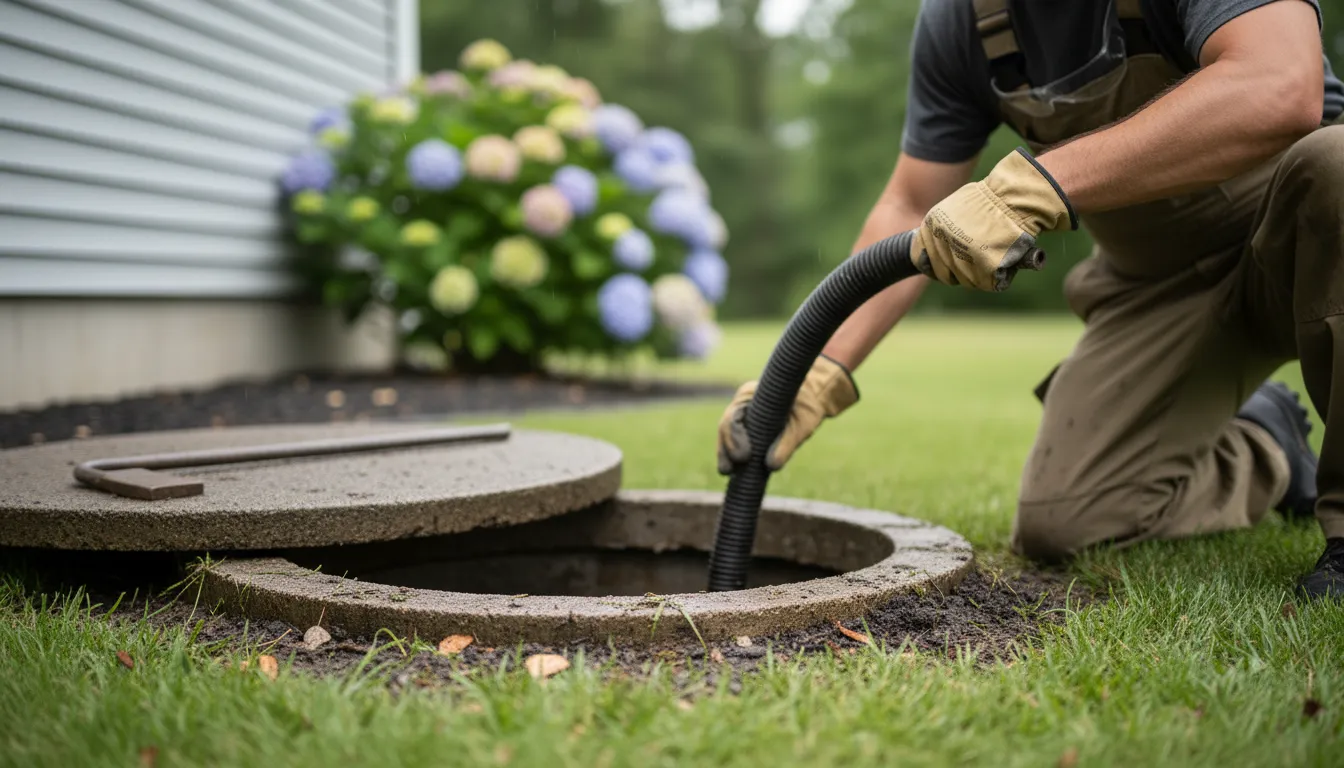
Find the Best Septic Tank Pumping Contractors for Your Business
No obligation • Fast responses • Nationwide coverage

Why you can trust Septic Spot
Septic Spot is a leading United States resource for understanding and comparing septic services. Our editors review providers using consistent criteria and verify key business details. Listings and scores are independent, and companies cannot pay to influence our content.
Search providers near you
Top Septic Tank Pumping Contractors in Waipahu, Hawaii Ranked
Maintaining your septic system is a critical responsibility for any homeowner in Waipahu. Regular septic tank pumping and inspection are essential to prevent messy and expensive system failures, protect your property value, and safeguard the local environment and groundwater. This guide provides the key information you need to understand septic system maintenance, including local regulations, costs, and how to find qualified professionals for your pumping and inspection needs.
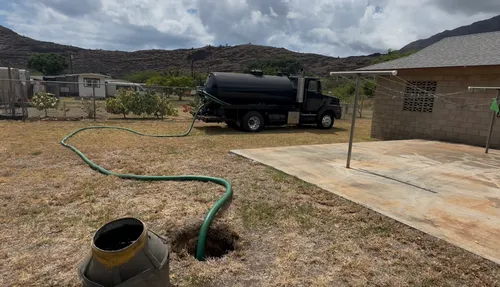
Pink Pumper Inc
Honolulu, HI
Pink Pumper Inc is a locally owned septic tank pumping company based in Honolulu, HI. They provide residential and commercial septic pumping services tailored to the needs of Hawaii homes and businesses. Their offerings include routine septic pumping on flexible schedules and waste holding tank rentals for locations without standard sewer access. The company also provides 24-hour emergency pumping services to address backups and system failures promptly.
First Quality Environmental
41-717 Kakaina St, Waimanalo, HI 96795
First Quality Environmental is a licensed wastewater contracting firm based in Honolulu, HI, specializing in septic tank installation, cesspool closures, grease interceptor installation, and septic tank pumping. Since 1991, they have provided tailored wastewater solutions for homeowners and industrial clients, ensuring systems meet Department of Health standards and protect Hawaii's environment. Their services include design, installation, soil percolation testing, and securing necessary approvals, with a focus on preserving the island's natural beauty.
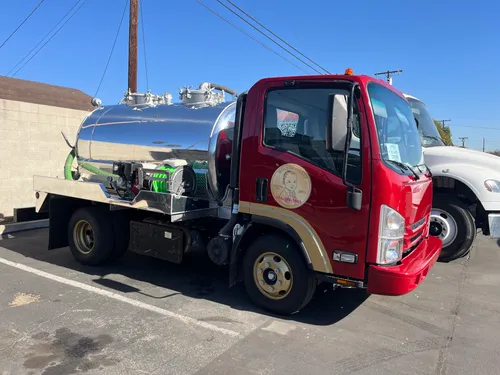
Golden Penny Sanitation Inc
Honolulu, HI
Golden Penny Sanitation Inc is a locally owned company providing sanitation services in Honolulu, HI. They serve residential homes, restaurants, and commercial properties with services including septic tank pumping, septic system installation and replacement, grease trap cleaning, restaurant waste oil recycling, sewer and drain cleaning, and sewer line repair. The company offers licensed, code-compliant septic system installations and uses advanced methods like hydro jetting for drain cleaning. With over 10 years of experience, Golden Penny Sanitation Inc also provides 24/7 sanitation support for emergency needs.
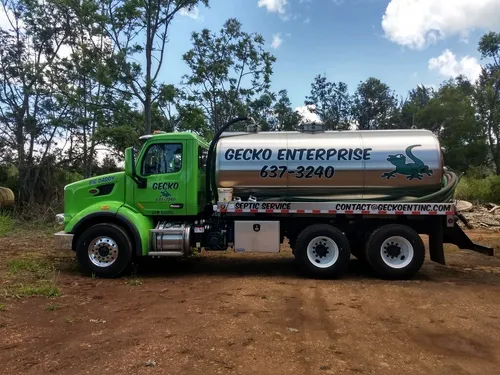
Gecko Enterprises
Honolulu, HI
Gecko Enterprises is a septic services company based in Honolulu, HI, offering a range of services including septic tank pumping, inspections, repairs, and installations. They also handle cesspool cleaning, wastewater hauling, and leach field repair or replacement. The company is licensed, insured, certified, and approved by the Department of Health. Since 1989, Gecko Enterprises has provided wastewater treatment operations and maintenance for both residential and commercial clients, emphasizing education on septic system care.
Understanding Your Septic System in Waipahu
A septic system is an on-site wastewater treatment system common in areas not served by municipal sewer lines. In simple terms, it consists of a large underground tank and a drainage field. Wastewater from your home flows into the tank, where solids settle to the bottom as sludge, and oils and grease float to the top as scum. The clarified liquid in the middle then flows out into the drain field, where it is filtered through the soil. Over time, the sludge and scum layers build up and must be removed through septic tank cleaning to prevent clogs and system failure 1.
For Waipahu residents, understanding this process is the first step toward responsible homeownership. A failing system is not just an inconvenience; it can lead to sewage backups in your home, foul odors in your yard, and contamination of nearby water sources. Proactive maintenance is always more affordable than emergency repairs or regulatory fines.
How Often Should You Pump Your Septic Tank?
The most common question homeowners have is about the recommended septic service schedule. For a typical household in Waipahu, the general guideline is to have your tank pumped every 3 to 5 years 2. However, this is not a one-size-fits-all rule. Several factors can necessitate more frequent septic tank emptying:
- Household Size and Water Usage: More people in the home generally means more wastewater, which fills the tank faster.
- Tank Size: Smaller tanks (e.g., 1,000 gallons) fill with solids more quickly than larger ones.
- Garbage Disposal Use: Using a garbage disposal significantly increases the amount of solids entering the tank.
- Type of System: Some advanced or alternative on-site systems, like aerobic treatment units (ATUs) which are common in Hawaii, have different and often more frequent maintenance requirements, including inspections of mechanical parts every 6 months 3.
Beyond pumping, a professional septic system inspection is recommended every 1 to 3 years. An inspection can identify potential problems like leaks, damaged baffles, or drain field issues long before they cause a complete failure, saving you thousands of dollars.
Local Regulations and the Cesspool Upgrade Mandate
Hawaii has specific and important regulations governing septic systems to protect its sensitive ecosystem. The Hawaii Department of Health (DOH) Wastewater Branch oversees these rules. A key regulation is that all sewage pumping and disposal must be performed by a licensed, registered pumper. Hiring an unlicensed contractor can result in significant fines and environmental harm.
Most critically, Hawaii has passed a landmark law requiring the upgrade of all cesspools. A cesspool is a primitive, lined pit that allows untreated wastewater to seep into the ground, posing a serious threat to groundwater and ocean water quality. By January 1, 2050, every cesspool in the state must be upgraded or converted. This means replacing your cesspool with a modern septic system or connecting to a municipal sewer line where available.
This mandate makes understanding your current system and planning for its future more important than ever for Waipahu property owners. If you have a cesspool, starting the planning process for conversion is a wise long-term investment.
What Does Septic Tank Pumping Cost in Waipahu?
The cost for septic tank pumping in Hawaii is generally higher than the national average due to geographic and logistical factors. For a standard pumping service in Waipahu, you can expect an average cost of around $700, with a typical range between $550 and $950.
Costs are primarily driven by the size (capacity) of your tank:
- A 1,000-gallon tank may cost approximately $461, with a range from $424 to $498 4.
- For larger tanks over 2,000 gallons, costs can easily exceed $700 5.
Other factors that influence the final price include the accessibility of your tank, the amount of sludge and scum to be removed, and whether an inspection is performed at the same time. Always get a detailed, written estimate from a licensed professional before work begins.
Find the perfect septic tank pumping contractors for your needs
Get personalized recommendations and expert advice
The Pumping and Inspection Process: What to Expect
When you hire a professional for septic system maintenance, here's what a standard service visit entails:
- Locating and Uncovering the Tank: The technician will locate the tank's access lids, which are typically buried under a few inches of soil, and excavate to expose them.
- Inspecting the System: Before pumping, a good professional will perform a basic visual inspection of the tank's inlet and outlet baffles and look for signs of damage or leaks.
- Pumping the Tank: A large hose is inserted into the tank, and a powerful vacuum truck removes all the contents-sludge, scum, and liquid. The goal is to remove the accumulated solids, not to pump the tank completely dry.
- Final Check and Clean-up: After pumping, the technician may briefly run water from your home to check the flow from the tank to the drain field. The access lids are then securely replaced, and the area is cleaned up.
A more comprehensive septic system inspection might also include a drain field evaluation and a check of the system's components.
Maintaining Your System Between Pumpings
Proper day-to-day care extends the life of your system and reduces the frequency of required septic tank cleaning. Follow these best practices:
- Conserve Water: Fix leaky faucets and toilets, and spread out laundry loads to avoid overwhelming the system.
- Mind What You Flush: Only human waste and toilet paper should go down the toilet. Never flush wipes (even "flushable" ones), feminine hygiene products, dental floss, or chemicals.
- Be Careful in the Kitchen: Avoid pouring grease, oil, or coffee grounds down the drain. Limit use of a garbage disposal.
- Protect Your Drain Field: Never park vehicles or build structures over the drain field. Keep rainwater drainage systems and roof downspouts directed away from it.
- Skip the Additives: Avoid commercial septic tank additives or "cleaners." Research shows they do not reduce the need for pumping and can actually harm the system's biological balance and contaminate groundwater 6.
Choosing a Qualified Septic Service Provider in Waipahu
Selecting the right contractor is crucial. Always verify that the company is currently licensed and registered with the Hawaii Department of Health to perform sewage pumping and disposal 7. Ask for proof of insurance and references from local customers. A reputable provider will be happy to explain the process, provide a clear written estimate, and answer all your questions. They should also be knowledgeable about local codes and the cesspool conversion process.
Frequently asked questions
Sources
Footnotes
-
Household Wastewater Treatment Systems - CTAHR.hawaii.edu - https://www.ctahr.hawaii.edu/oc/freepubs/pdf/HH-11.pdf ↩
-
Smart Solutions for Optimizing Septic Tank Pumping Frequency - https://smartsepticpros.com/blog/septic-tank-pumping-frequency/ ↩
-
Hawaii Septic Tank Requirements | Individual Wastewater Systems - https://www.ntotank.com/blog/hawaii-septic-tank-requirements ↩
-
Hawaii Septic Systems Costs & Prices - ProMatcher Cost Report - https://septic-systems.promatcher.com/cost/hawaii.aspx ↩
-
Septic Pumping Cost by State: 2024 Complete Price Guide - https://wastedoor.com/article/septic-pumping-cost-by-state ↩
-
SEPTIC SYSTEMS EXPLAINED - CTAHR.hawaii.edu - https://www.ctahr.hawaii.edu/pigsinparadise/currentmgmt/mgmtexamples/ASPA%20Septic%20Sys.pdf ↩
-
General Info and FAQ | Wastewater Branch - https://health.hawaii.gov/wastewater/home/general-info-and-faq/ ↩