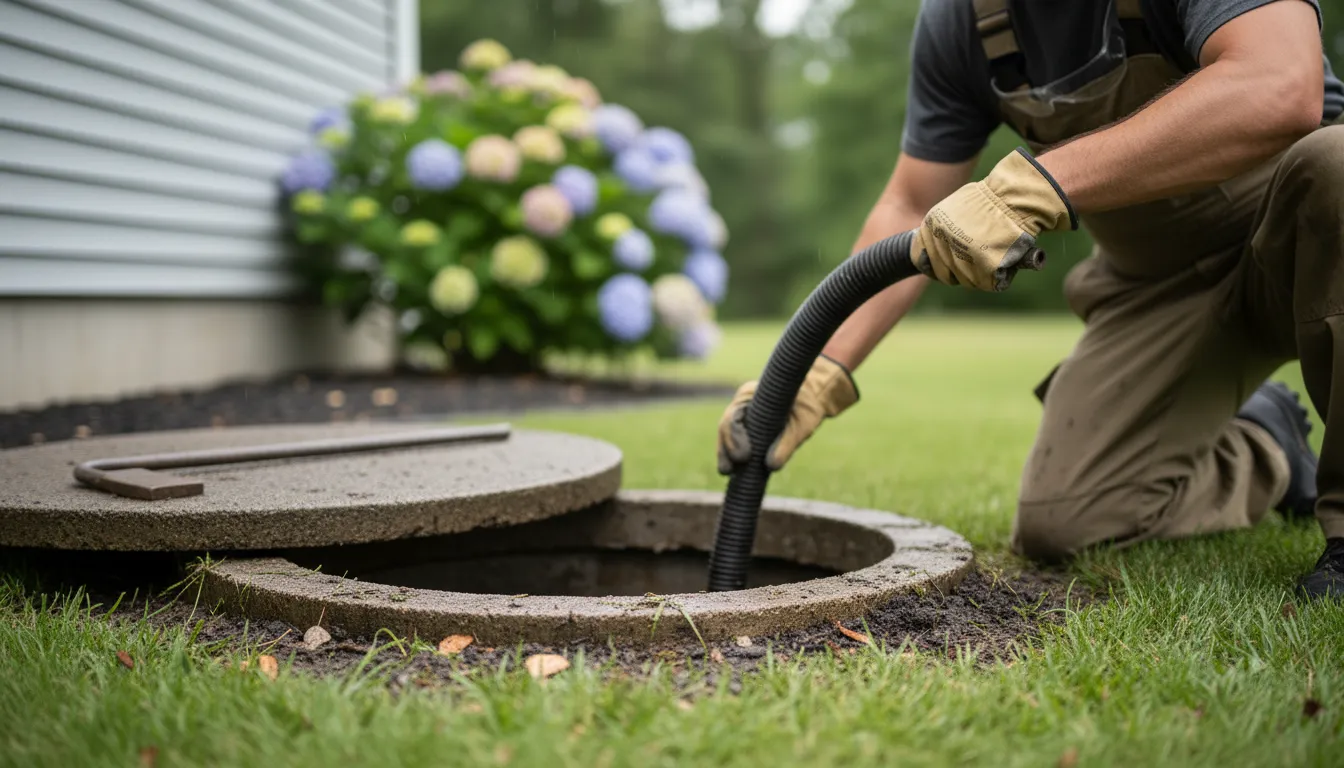
Find the Best Septic Tank Pumping Contractors for Your Business
No obligation • Fast responses • Nationwide coverage

Why you can trust Septic Spot
Septic Spot is a leading United States resource for understanding and comparing septic services. Our editors review providers using consistent criteria and verify key business details. Listings and scores are independent, and companies cannot pay to influence our content.
Search providers near you
Top Septic Tank Pumping Contractors in Evansville, Indiana Ranked
Maintaining a healthy septic system is a crucial responsibility for homeowners not connected to a municipal sewer line. Regular septic tank pumping is the cornerstone of this maintenance, preventing backups, protecting your property value, and safeguarding local groundwater. This guide explains the essential details of septic system service in Evansville, including recommended pumping schedules, local regulations, and how to find qualified professionals for your maintenance needs.
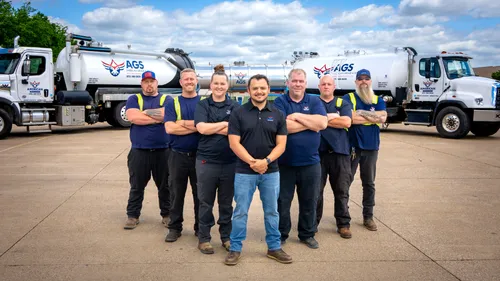
American Grease & Septic
2501 S Kentucky Ave, Evansville, IN 47714
American Grease & Septic in Evansville, IN offers septic tank pumping, inspection, and maintenance services. They also provide grease trap cleaning, used cooking oil services, and luxury restroom trailers tailored for projects and events. The company focuses on environmentally safe and compliant solutions, supporting both routine programs and emergency responses. Their team is knowledgeable about septic systems and committed to customer education and service.
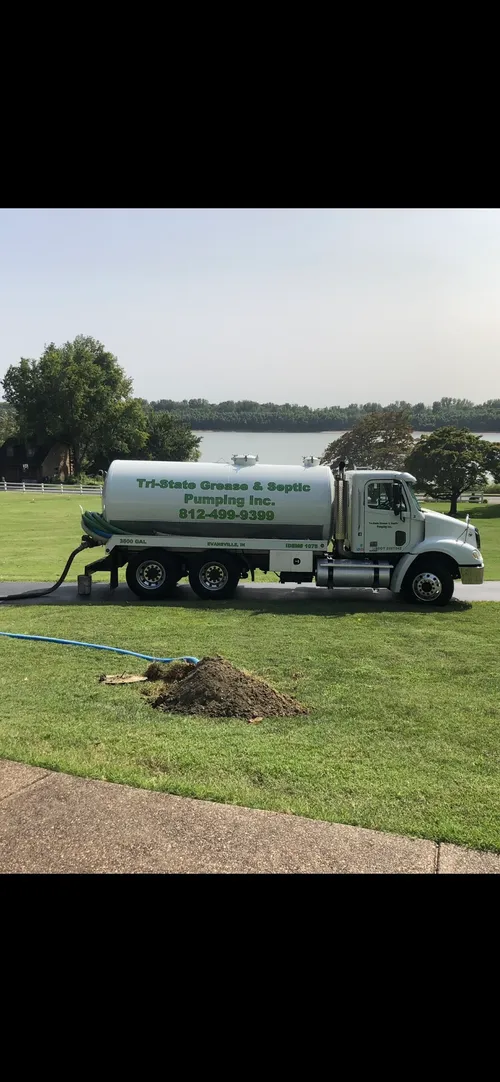
Tri-State Grease and Septic Pumping Inc.
11335 Boberg Rd, Evansville, IN 47712
Tri-State Grease and Septic Pumping Inc. is a locally owned company based in Evansville, IN, offering a range of septic services including septic tank pumping, inspection, repair, and installation. They also provide drain cleaning, hydro jetting, grease trap pumping, and septic system diagnostics. The company has experience diagnosing septic system failures and emphasizes regular maintenance to extend the life of septic drainfields, which are a critical and costly component of septic systems. Tri-State also handles pump replacements, baffle replacements, and riser installations.
T-S-F Inc
2930 St Philip Rd S, Evansville, IN 47712
T-S-F Inc is a septic tank pumping company based in Evansville, IN, serving Southern Indiana and the Tri-State area. Established in 1959, the company offers septic services ranging from residential septic tank cleaning to servicing large wastewater holding tanks on industrial sites. In addition to septic services, T-S-F provides rentals of portable toilets, hand wash stations, field offices, and toilet trailers, with all products made in the USA. The Schenk family has maintained the business for over 65 years, emphasizing honesty, quality, and value.
Nix Sanitary Service
703 S 2nd St, Boonville, IN 47601
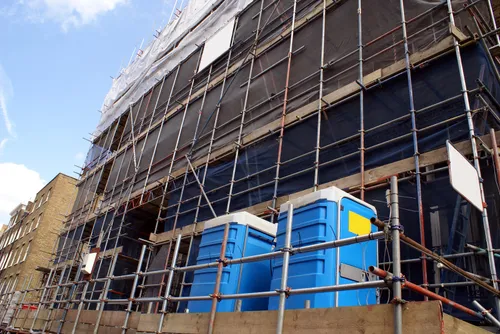
Nix Sanitary Service is a family-owned business serving Evansville, IN, and Southern Indiana since 1953. They offer septic system services including septic tank pumping, inspections, and repairs, as well as portable toilet rentals for events and construction sites. The company provides same-day, after-hour, and emergency services, ensuring sanitation needs are met promptly. Their team is experienced in OSHA compliance and supports clients in maintaining safe and effective sanitation practices.
Joe Beard and Sons, Corp.
5766 Prospect Dr, Newburgh, IN 47630
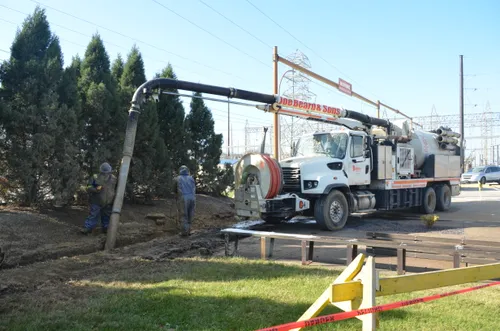
Joe Beard and Sons, Corp. is a family-owned septic tank pumping and inspection company serving Evansville, IN. Established in 1947, they have over 75 years of experience in septic and drain services across the tri-state area. Their services include hydro-excavation and water jetting, which allow them to handle large and complex septic and drain cleaning jobs efficiently. The company offers 24/7 availability to address urgent septic and drain issues at any time.
Understanding Your Septic System and Why Pumping is Essential
A septic system is an on-site wastewater treatment structure, typically consisting of a tank and a drain field. Solids settle in the tank, forming sludge and scum layers, while the treated liquid effluent flows out to the soil. Over time, these solids accumulate. If not removed through regular septic tank cleaning, they can flow into and clog the drain field, leading to system failure, unpleasant odors, and costly repairs. 1 2 Pumping is the process of removing these accumulated solids to keep the entire system functioning properly.
Recommended Pumping Frequency for Evansville Homes
In Evansville and Vanderburgh County, the general guideline for septic tank pumping is every 3 to 5 years for an average household. 3 However, this is not a one-size-fits-all schedule. The ideal frequency for your septic system maintenance depends on several key household factors:
- Household Size and Water Usage: A family of five will fill a tank much faster than a couple. High water usage from frequent laundry, long showers, or garbage disposals accelerates sludge buildup.
- Tank Size: Older homes may have smaller tanks (e.g., 500-750 gallons) that require more frequent service than modern 1,000- or 1,500-gallon tanks.
- System Type: Standard gravity systems typically adhere to the 3-5 year rule. However, homes with alternative systems-like those with pumps, aerobic treatment units (ATUs), or sand filters-require more frequent attention, often including an inspection at least once a year.
A more precise method professionals use is the "one-third rule." They generally recommend scheduling a pump-out when the scum layer is within 6 inches of the outlet tee or when the sludge layer fills one-third of the tank's liquid depth (typically within 12 inches of the outlet). 4 An annual or triennial inspection is the best way to measure these levels accurately.
Local Regulations and Permit Requirements in Vanderburgh County
While regular maintenance pumping is not strictly mandated by a specific ordinance, the Vanderburgh County Health Department (VCHD) maintains "cradle to grave" oversight of all on-site sewage systems. 5 This means they are involved from installation through to repair and replacement.
A critical local requirement is that a permit must be obtained from the health department prior to any repair, replacement, or modification of any on-site sewage system component. 6 7 This includes work on the tank, drain field, or any associated piping. Always verify that any professional you hire is aware of and will comply with these permitting processes. Furthermore, installers and service providers in the county must maintain valid registration and certification, often through organizations like the Indiana On-site Wastewater Professionals Association (IOWPA).
What to Expect During a Professional Pumping Service
A thorough septic service involves more than just vacuuming out the tank. A reputable provider will typically follow a process that includes:
- Locating and Uncovering the tank access lids.
- Inspecting the tank interior, inlet/outlet tees, and baffles for damage.
- Measuring the sludge and scum layers to determine if pumping is needed and to record the accumulation rate for your records.
- Pumping all solids and liquids from the tank using a specialized vacuum truck.
- Cleaning the effluent filter (if your system has one), a crucial step often included in the service. 8
- Re-inspecting the empty tank for cracks, leaks, or structural issues.
- Disposing of the septage at a licensed treatment facility.
This comprehensive approach ensures you're not just getting a pump-out, but a true assessment of your system's health.
Find the perfect septic tank pumping contractors for your needs
Get personalized recommendations and expert advice
Cost Factors for Septic Pumping in Evansville
The cost for septic pumping in Evansville varies based on several factors. The primary determinant is tank size; pumping a standard 1,000-gallon tank will cost less than a 1,500-gallon tank. 9 10 Other factors that can influence the price include:
- Accessibility: If the tank lids are buried deep or located under a structure, deck, or landscaping, additional labor for excavation will add to the cost.
- Condition: Tanks with excessive solid buildup or those that haven't been pumped in decades may require more time and effort.
- Additional Services: Costs will increase if you add a full inspection, drain field assessment, or repairs like replacing a damaged baffle or filter.
While prices can fluctuate, obtaining multiple estimates from local, certified providers is the best way to understand the market rate for your specific situation. 11 12
Proactive System Care Between Pumpings
Regular pumping is vital, but daily habits significantly impact your system's longevity. Follow these best practices for septic system care:
- Conserve Water: Fix leaks promptly and spread out water-intensive activities like laundry over the week.
- Mind What You Flush: Only human waste and toilet paper should go down the drain. Never flush wipes (even "flushable" ones), feminine hygiene products, dental floss, grease, or chemicals.
- Protect the Drain Field: Never park vehicles, build sheds, or pave over your drain field. Compacting the soil prevents it from properly absorbing and treating effluent. 13
- Landscape Carefully: Plant only grass over the drain field. Tree and shrub roots can infiltrate and damage pipes.
- Know the Warning Signs: Be alert for slow drains, gurgling pipes, sewage odors indoors or in the yard, or unusually lush, wet patches of grass over the drain field area. These are indicators of potential system failure. 14
Choosing a Qualified Service Provider
Selecting the right professional is as important as the service itself. Look for a provider with:
- Local Certification and Registration: Ensure they are registered with and understand Vanderburgh County Health Department requirements. 15 16
- Proof of Insurance: This protects you and your property in case of accidental damage.
- Transparent Pricing: A trustworthy company will provide a clear, detailed estimate before starting work.
- Good References: Ask for local references or check verified online reviews from Evansville-area homeowners.
- Comprehensive Service: Choose a company that offers inspection and cleaning, not just pumping, to give you a complete picture of your system's health.
Frequently asked questions
Sources
Footnotes
-
Homeowner's Guide to Septic Systems - http://indiana.clearchoicescleanwater.org/resources/epa-homeowners-guide-to-septic-systems/ ↩
-
How to Care for Your Septic System | US EPA - https://www.epa.gov/septic/how-care-your-septic-system ↩
-
Frequent Questions on Septic Systems | US EPA - https://www.epa.gov/septic/frequent-questions-septic-systems ↩
-
How Often to Pump a Septic Tank - Clear River Environmental - https://clearriverenvironmental.com/how-often-to-pump-a-septic-tank/ ↩
-
Environmental Health Services - VCHD - https://vanderburghhealth.org/environmental-health-services/ ↩
-
Frequent Questions on Septic Systems | US EPA - https://www.epa.gov/septic/frequent-questions-septic-systems ↩
-
County On-site Sewage Systems Ordinance This ... - IN.gov - https://www.in.gov/health/eph/files/Recommended-Ordinance-Sections-2024-05-28.pdf ↩
-
Residential Septic Tank Pricing | Homeowner's Guide to Costs - https://www.ntotank.com/blog/residential-septic-tank-pricing ↩
-
How Much Does Septic Tank Pumping Cost in 2025? - HomeAdvisor - https://www.homeadvisor.com/cost/plumbing/clean-septic-tank/ ↩
-
How Much Does It Cost to Pump a Septic Tank? [2026 Data] - https://www.angi.com/articles/how-much-does-septic-tank-pumping-cost.htm ↩
-
How Much Does It Cost to Clean Out a Septic Tank? See ... - https://shanksterbros.net/how-much-does-it-cost-to-clean-out-a-septic-tank/ ↩
-
How Much Does It Cost To Pump A Septic Tank in Indianapolis, IN? | Angi - https://www.angi.com/articles/how-much-does-septic-tank-pumping-cost/in/indianapolis ↩
-
How Often Should You Schedule Septic Pumping in Central ... - https://www.justindorseyplumbing.com/how-often-should-you-schedule-septic-pumping/ ↩
-
How Often Should You Schedule Septic Pumping in Central ... - https://www.justindorseyplumbing.com/how-often-should-you-schedule-septic-pumping/ ↩
-
Chapter 8.20 ON-SITE SEWAGE SYSTEMS ORDINANCE - https://www.codepublishing.com/IN/VanderburghCounty/html/VanderburghCounty08/VanderburghCounty0820.html ↩
-
Indiana Septic Tank Requirements | On-Site Sewage Systems - https://www.ntotank.com/blog/indiana-septic-tank-requirements ↩