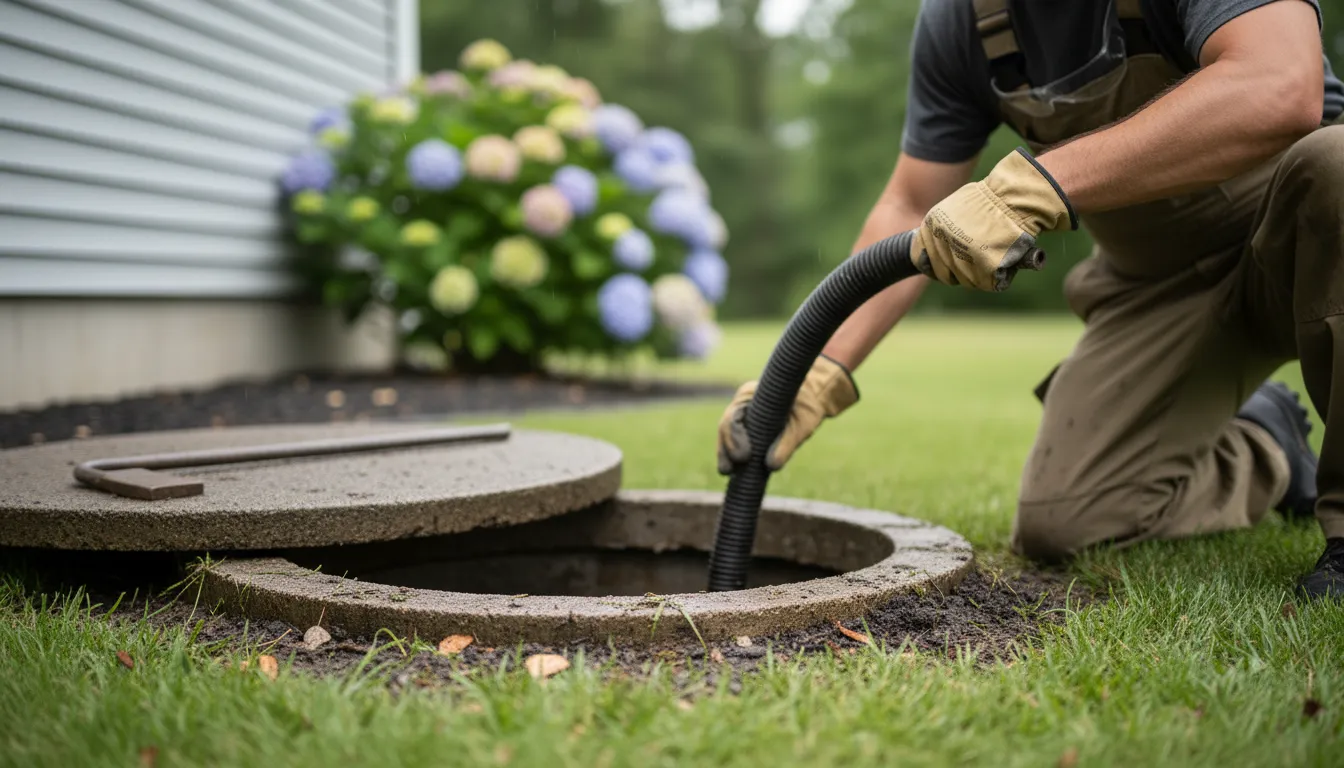
Find the Best Septic Tank Pumping Contractors for Your Business
No obligation • Fast responses • Nationwide coverage

Why you can trust Septic Spot
Septic Spot is a leading United States resource for understanding and comparing septic services. Our editors review providers using consistent criteria and verify key business details. Listings and scores are independent, and companies cannot pay to influence our content.
Search providers near you
Top Septic Tank Pumping Contractors in Fort Wayne, Indiana Ranked
Maintaining your septic system is a crucial responsibility for any homeowner not connected to a municipal sewer line. Regular septic tank pumping is the most important maintenance task you can perform to prevent system failure, protect your property value, and safeguard local groundwater quality. This guide provides Fort Wayne residents with essential information on septic system maintenance, including recommended service frequency, local costs, regulations, and tips for finding reliable local septic pumping professionals to keep your system functioning smoothly for years to come.

Three Sons Sanitation
Fort Wayne, IN
Three Sons Sanitation is a septic tank pumping company serving Fort Wayne, IN, and surrounding counties including Allen, Noble, DeKalb, Adams, Wells, Huntington, and Whitley. The company specializes in septic tank pumping and grease trap cleaning. With over 70 years of experience, Three Sons Sanitation has established a long-standing presence in the Northeast Indiana area.
North Septic, Inc.
Fort Wayne, IN
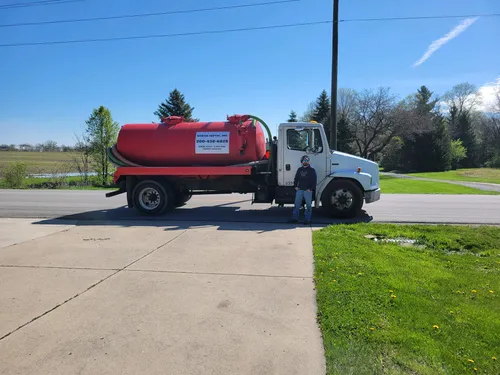
North Septic, Inc. is a family owned and operated company based in Fort Wayne, IN, providing septic tank pumping, septic system repair, grease trap cleaning, and septic system installation services. They serve Northeast Indiana counties including Allen, Dekalb, Huntington, Noble, Wells, and Whitley. The company uses specialized equipment such as the Crust Buster tank agitator and the RIGID NaviTrack Scout sonde locator to efficiently locate and service septic tanks. Established over 12 years ago under previous ownership, North Septic, Inc. continues to operate with a focus on maintaining reliable and professional septic services. Emergency calls are accepted based on availability.
Schmitty Septic LLC
Fort Wayne, IN
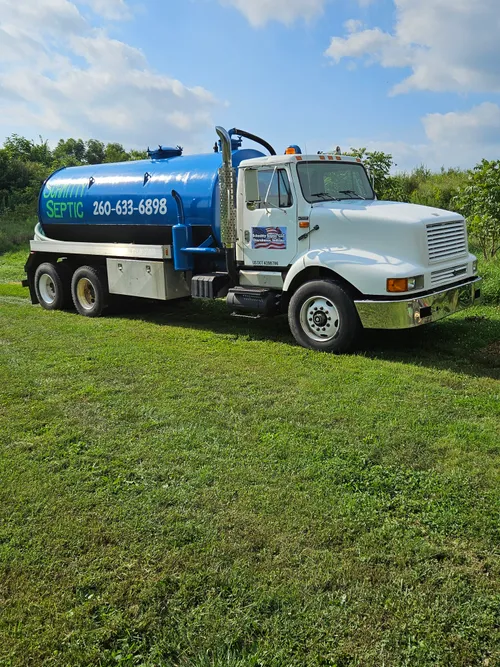
Schmitty Septic LLC is a family-owned and operated septic tank pumping company based in Fort Wayne, IN. They provide full-service septic pumping, riser installation, and troubleshooting to customers throughout northeastern Indiana. The company is fully licensed and insured, offering a range of septic services to meet various needs.
J & S Liquid Waste Services Inc.
4030 Option Pass Unit A, Fort Wayne, IN 46818
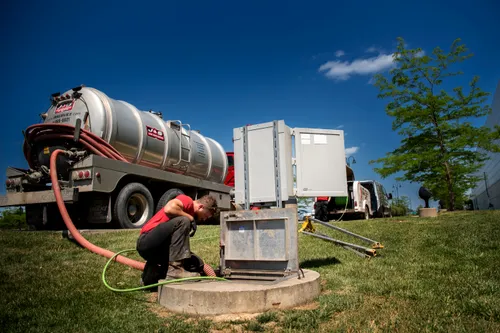
J & S Liquid Waste Services Inc. is a septic and sewer service provider based in Fort Wayne, IN. They offer a range of services including septic tank pumping, grease trap cleaning, oil water separator cleaning, and bypass pumping for residential, commercial, and industrial clients. The company also handles lift station and pump repairs, as well as drain line clogs using jetting and augering techniques. They are equipped to manage complex excavation projects such as broken pipes, septic system repairs, and distribution box replacements. J & S Liquid Waste Services provides emergency response services during evenings and weekends, ensuring support beyond regular business hours.
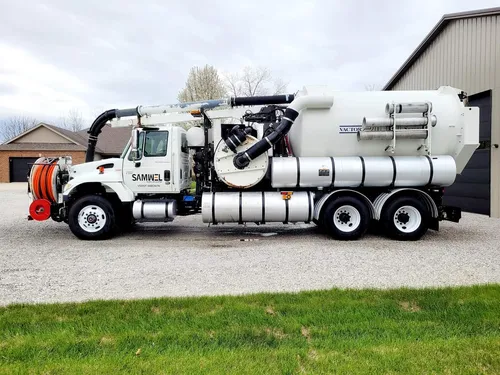
SamWel Hydro Excavation
7407 Brush College Rd, Woodburn, IN 46797
SamWel Hydro Excavation is a septic tank pumping and hydro excavation company based near Fort Wayne, IN. They provide services including hydro excavating, daylighting, potholing, septic tank pumping, pipe cleaning, and hydro jetting for municipal, commercial, and residential clients. Their capabilities include safely exposing underground utilities such as fiber, power, and gas lines, as well as cleaning sewer lines and storm drains with hydro jetting. SamWel Hydro Excavation also handles waste disposal, debris removal, sediment chamber cleaning, and water extraction from flooded basements.
Understanding Your Septic System and Why Pumping is Essential
A septic system is an on-site wastewater treatment structure, typically consisting of a tank and a drainfield. All the water from your home-from toilets, showers, sinks, and appliances-flows into the underground septic tank. Here, solids settle to the bottom as sludge, fats and oils float to the top as scum, and the relatively clear liquid in the middle (effluent) exits into the drainfield for further treatment by the soil. The tank itself is only a holding and separating chamber; it does not eliminate solids. Over time, the sludge and scum layers accumulate. If not removed through septic tank cleaning, these layers can grow thick enough for solids to escape into the drainfield, causing clogs, sewage backups into your home, and costly environmental contamination.
Pumping is the process of using a large vacuum truck to remove all the accumulated solids and liquids from your tank. It is not a choice but a necessity. Think of it like changing the oil in your car; it's routine preventative maintenance that avoids a major, expensive breakdown. For homes in Allen County, a failing system is not just an inconvenience-it's a public health concern that must be addressed under local and state codes.
How Often Should You Pump Your Septic Tank in Fort Wayne?
There is no one-size-fits-all schedule, but general guidelines are well-established. The U.S. Environmental Protection Agency (EPA) recommends that the average household have its septic tank serviced every three to five years. However, this is a general baseline. Several factors specific to your Fort Wayne home will determine your ideal septic system pumping frequency:
- Household Size and Water Usage: A family of six will fill a tank much faster than a couple living in the same home. High water usage from frequent laundry, long showers, or garbage disposals accelerates sludge buildup.
- Tank Size: Older homes may have smaller tanks (e.g., 500-gallon), which require more frequent septic tank emptying than modern 1,000 or 1,500-gallon tanks.
- Solids Input: Using a garbage disposal regularly significantly increases the volume of solids. Avoiding disposals and being mindful of what goes down the drain (no grease, wipes, or chemicals) can extend time between pumpings.
- System Age and Condition: Older systems or those with minor issues may need more attentive care.
For many Fort Wayne households, a 3 to 5-year cycle is appropriate. However, larger families or those with smaller tanks may need septic tank maintenance every 1 to 2 years 1. The only way to know for sure is through a professional inspection, which should check the levels of sludge and scum. A common rule is that a tank should be pumped if the sludge layer is within 12 inches of the outlet baffle or if the scum layer is within 6 inches of the bottom of the outlet 2.
The Importance of Regular Inspections
Pumping and inspection go hand-in-hand. You shouldn't pump blindly on a calendar schedule, nor should you inspect without being prepared to pump if needed. In Fort Wayne and surrounding Allen County, regular inspections are a key part of responsible ownership.
A thorough septic system inspection should include:
- Locating and uncovering the tank and drainfield.
- Measuring the thickness of sludge and scum layers.
- Checking inlet and outlet baffles/tees for blockages or damage.
- Looking for signs of leakage, such as wet areas or odors around the tank.
- Examining the drainfield for surfacing effluent or overly lush grass.
The EPA recommends an inspection at least every three years 3 4. Systems with electrical components like pumps, aerators, or float switches require even more frequent checks, often annually 4. These inspections are vital for catching small problems-like a damaged baffle-before they lead to drainfield failure, which can cost tens of thousands of dollars to replace.
Find the perfect septic tank pumping contractors for your needs
Get personalized recommendations and expert advice
What Does Septic Tank Pumping Cost in Fort Wayne?
The cost to pump a septic tank in Fort Wayne is influenced by tank size, accessibility, and the scope of the service. Based on local data, homeowners can expect the following price ranges:
- Typical Cost Range: Most septic pumping services in Fort Wayne cost between $290 and $700 for a standard residential job.
- Average Cost: The median or average price typically falls between $380 and $423 5.
- Tank Size Example: Pumping a standard 1,000-gallon tank often costs between $260 and $350 6 7.
- Low and High Ends: Simple, accessible jobs can start around $190, while complex situations involving hard-to-find tanks, large tanks (1,500+ gallons), or additional repairs can reach $890 or more 8 9.
Factors Influencing Your Final Price:
- Tank Accessibility: This is the biggest variable. If your tank lids are buried deep (more than 12-24 inches) and the pumper has to dig to find them, labor costs rise sharply. Installing septic tank risers brings the access lids to ground level, saving you money on every future service call 10.
- Tank Size and Condition: Larger tanks hold more waste and cost more to pump. Tanks that have never been pumped or are severely clogged may require more time and effort.
- Location and Travel: Providers may charge a trip fee for homes in remote areas of Allen County.
- Additional Services: Many companies offer inspection services for an additional fee (e.g., $100-$300). While this adds to the upfront cost, it provides invaluable information about your system's health.
Always get itemized estimates from a few licensed local providers. The lowest price isn't always the best value if it doesn't include a proper inspection or leaves a mess behind.
Local Regulations and Compliance in Allen County
Septic systems in Indiana are regulated under the Indiana State Department of Health's Rule 410 IAC 6-8.3, which local health departments enforce 11. For Fort Wayne residents, this means the Allen County Department of Health has authority over on-site sewage systems.
Key regulatory points for homeowners:
- Permits Required: You must obtain a permit from the local health department for any new septic system installation, repair, or alteration.
- System Standards: All systems must be designed and installed to meet current state and county codes, which dictate everything from tank size and material to drainfield sizing based on soil type.
- Failure Compliance: If your system fails (e.g., sewage backs up or surfaces in the yard), you are legally required to repair or replace it to meet code. The health department can issue orders to compel action.
- Property Transfers: While not always mandatory for every sale, a passing septic inspection is often required by lenders or buyers. Having a recent inspection and pumping record can smooth a real estate transaction.
Staying proactive with maintenance is the best way to ensure compliance and avoid regulatory issues.
Pro Tips for Fort Wayne Homeowners
- Install Risers and Locate Your Tank: The single best investment you can make is to have a professional install septic tank risers. This makes finding and accessing your tank for septic tank cleaning quick, easy, and inexpensive for every future service.
- Keep a Maintenance Log: Record every pumping, inspection, and repair. Note the date, company, what was done, and any findings (e.g., "sludge was 10 inches from outlet"). This history is invaluable.
- Be Wary of Additives: Avoid chemical or biological septic tank additives that claim to eliminate the need for pumping. The EPA and most health departments state that pumping is the only reliable method to remove solids 12. Additives can sometimes harm the bacterial balance in your tank or cause solids to flow into and clog the drainfield.
- Conserve Water and Mind Your Drains: Spread out laundry loads, fix leaking faucets, and never pour grease, coffee grounds, or harsh chemicals down the drain. Use toilet paper designed to break down easily and never flush wipes (even "flushable" ones), feminine products, or paper towels.
- Protect Your Drainfield: Never drive or park vehicles on it, and avoid planting trees or deep-rooted shrubs nearby. Keep roof drains and sump pump discharges away from the area.
Frequently asked questions
Sources
Footnotes
-
Indiana Septic Tank Requirements | On-Site Sewage Systems - https://www.ntotank.com/blog/indiana-septic-tank-requirements ↩
-
Maintaining Your Septic System - https://www.snohd.org/682/Maintaining-Your-Septic-System ↩
-
Homeowner's Guide to Septic Systems - http://indiana.clearchoicescleanwater.org/resources/epa-homeowners-guide-to-septic-systems/ ↩
-
Frequent Questions on Septic Systems | US EPA - https://www.epa.gov/septic/frequent-questions-septic-systems ↩ ↩2
-
Septic Pumping in Fort Wayne, IN - WasteDoor - https://wastedoor.com/indiana/fort-wayne/septic-pumping ↩
-
Cost to Pump Septic Tank: Tips to Save on Cleaning Fees - https://ivanssiteservices.com/blog/cost-to-pump-septic-tank-what-to-expect-and-how-to-save/ ↩
-
Fort Wayne Septic Systems Costs & Prices - ProMatcher Cost Report - https://septic-systems.promatcher.com/cost/fort-wayne-in-septic-systems-costs-prices.aspx ↩
-
Septic Tank Pumping Cost: Guide & Pricing in 2025 - Splash Plumbing - https://www.splashplumbing.com/how-much-does-it-cost-to-pump-septic-tank-understanding-pricing-and-factors-involved/ ↩
-
Septic Pumping in Fort Wayne, IN - Costs 02 / 2026 - Homeyou - https://www.homeyou.com/in/septic-pumping-fort-wayne-costs ↩
-
Optimal Average Household Pumping Schedule: 5 Expert Tips & Guide - https://www.unitedsewerservice.com/average-household-pumping-schedule/ ↩
-
On-site Sewage - Wayne County - IN.gov - https://secure.in.gov/localhealth/waynecounty/environmental-health/on-site-sewage/ ↩
-
Septic Systems | Department of Environmental Protection - https://www.pa.gov/agencies/dep/residents/my-water/septic-systems ↩