Find the Best Septic Tank Pumping Contractors for Your Business
No obligation • Fast responses • Nationwide coverage

Why you can trust Septic Spot
Septic Spot is a leading United States resource for understanding and comparing septic services. Our editors review providers using consistent criteria and verify key business details. Listings and scores are independent, and companies cannot pay to influence our content.
Search providers near you
Top Septic Tank Pumping Contractors in Gary, Indiana Ranked
Maintaining your septic system is a crucial responsibility for any homeowner not connected to a municipal sewer line. Regular septic tank pumping and inspection are the cornerstones of a healthy, long-lasting system, preventing costly backups, property damage, and environmental contamination. This guide provides essential information for Gary residents on how often to service your septic tank, what to expect during the process, and how to find qualified local professionals to handle this vital maintenance task.
Feikema Plumbing & Sanitation
1854 Ridge Rd, Munster, IN 46321
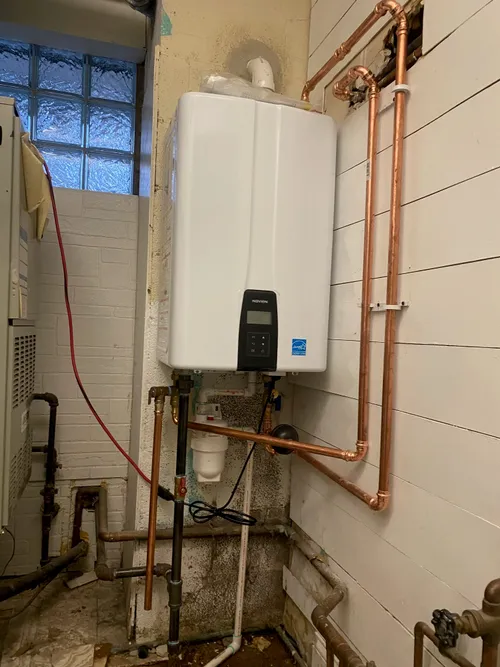
Feikema Plumbing & Sanitation is a family-owned business based in Munster, IN, serving the Chicago, IL area with plumbing and septic system services. Established in 1956, they offer a wide range of solutions including septic tank pumping, septic system repairs, drain cleaning, water heater installation, and sewer maintenance. Their expertise includes advanced diagnostics using sewer cameras and modern rodding tools. With over 60 years of experience, Feikema Plumbing & Sanitation combines local community focus with licensed, bonded, and insured service.
Gift Septic Service
7357 US-30, Wanatah, IN 46390
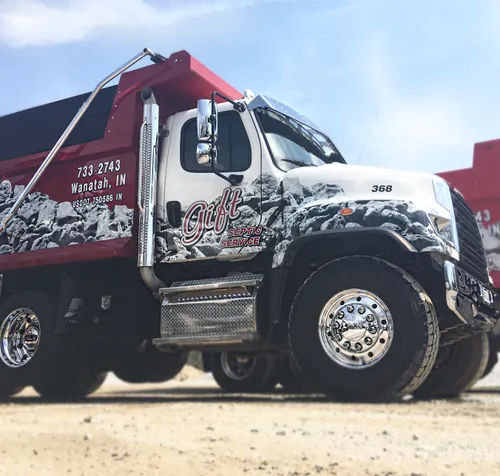
Gift Septic Service is a septic tank pumping and installation contractor based near Chicago, IL. They serve Porter County, La Porte County, and select areas of Lake and Starke counties. Established in 1968, the company has decades of experience in septic system services. Gift Septic Service is known for its commitment to integrity, honesty, and professionalism in every job.
FreeFlow Environmental
4411 Evans Ave, Valparaiso, IN 46383
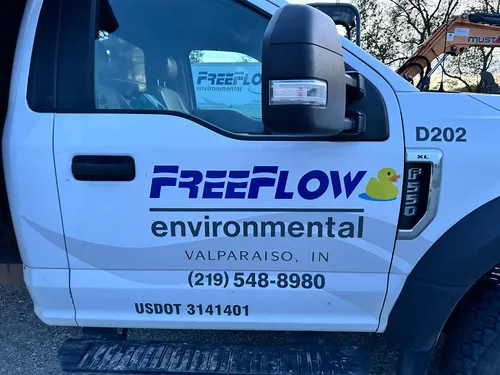
FreeFlow Environmental offers septic tank pumping and septic system repair services in Chicago, IL. They serve residential and commercial clients in Northwest Indiana and Illinois, providing comprehensive solutions including septic system restoration, sewer line cleaning, and no-dig sewer line repairs. The company is licensed, bonded, insured, and IOWPA certified, emphasizing environmentally responsible practices and adherence to local regulations. Their skilled technicians use advanced technology to diagnose and fix septic and sewer issues efficiently.
FreeFlow Environmental of Cook County
7030 Centennial Dr Suite 133, Tinley Park, IL 60477
FreeFlow Environmental of Cook County offers septic tank pumping and septic system repair services in Chicago, IL. They serve residential and commercial clients, addressing septic, sewer, and drainage issues with licensed and insured professionals. The company uses advanced technology for septic system repair, pumping, and sewer line cleaning, including no-dig sewer line repairs. Their services cover system maintenance, emergency repairs, and full restorations to ensure efficient operation and prevent backups. FreeFlow Environmental also emphasizes environmental stewardship in their work.
Scott's Septic Service
Chicago, IL
Scott's Septic Service is a locally owned company providing septic tank pumping, inspection, and repair services in Chicago, IL. They serve residential and commercial clients with routine maintenance, thorough inspections, and prompt repairs. The company uses modern equipment and industry best practices to maintain septic system performance and longevity. Scott's Septic Service is committed to supporting the community with personalized septic solutions.
Why Regular Septic Maintenance is Non-Negotiable
Your septic system is a silent workhorse, treating all the wastewater from your home. When functioning properly, it protects your family's health and safeguards local groundwater. Neglecting routine septic tank cleaning, however, can lead to a cascade of problems. Solids can overflow into the drainfield, causing clogs, sewage backups into your home, and unsanitary ponding in your yard. Repairing or replacing a failed drainfield is exponentially more expensive than the cost of periodic pumping. In Gary, adhering to local guidelines isn't just a suggestion-it's a key part of responsible homeownership that protects your investment and your community 1 2.
Recommended Pumping Frequency for Gary Households
How often you need to schedule septic tank pumping depends on several specific factors. While a general rule is every 3 to 5 years, your household's actual schedule may vary.
- Household Size: This is the primary driver. A single-person household may extend the interval to 9-12 years, while a family of four will typically need service every 3 to 4 years 3 4.
- Tank Size: A standard 1,000-gallon tank under average use fits the 3-5 year guideline. Smaller tanks fill faster.
- Water Usage: Garbage disposals, frequent laundry loads, and excessive water use can fill the tank more quickly.
- System Type: Alternative systems with pumps, filters, or aerobic treatment units often require more frequent, sometimes annual, inspection and servicing.
The most reliable method is to have your tank professionally inspected every 1 to 3 years. A technician can measure the sludge and scum layers inside your tank and tell you precisely when pumping is needed.
Signs Your Septic Tank Needs Immediate Attention
Don't wait for a full-blown emergency. Be alert for these warning signs that your tank may be overdue for pumping:
- Slow drains throughout the house, especially gurgling sounds in plumbing.
- Sewage odors near the septic tank or drainfield.
- Unusually lush, green grass over the drainfield area.
- Standing water or soggy soil in the yard near the system components.
- Backups in toilets, showers, or sinks.
If you notice any of these signs, contact a septic service professional in Gary promptly to assess the situation.
What to Expect: The Septic Pumping Process
Understanding the service process can help you prepare. A standard septic tank pumping service involves:
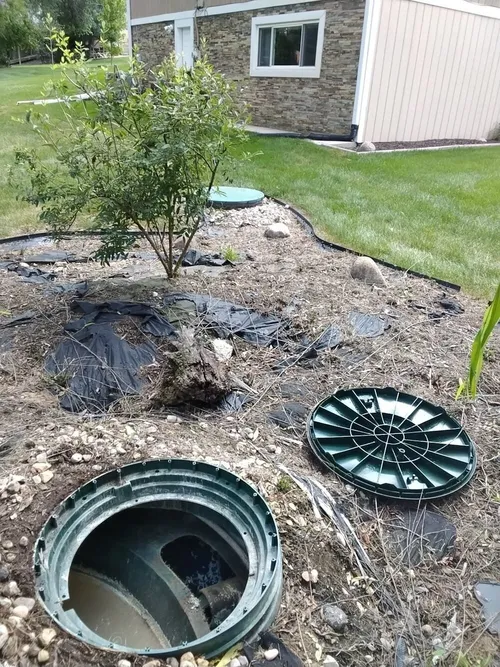
- Locating & Accessing the Tank: The technician will find the tank lids. Having installed risers (access ports that extend to ground level) makes this process much easier and is highly recommended.
- Inspecting the System: Before pumping, a good professional will inspect the tank's inlet and outlet tees, check for cracks or leaks, and assess the sludge/scum levels.
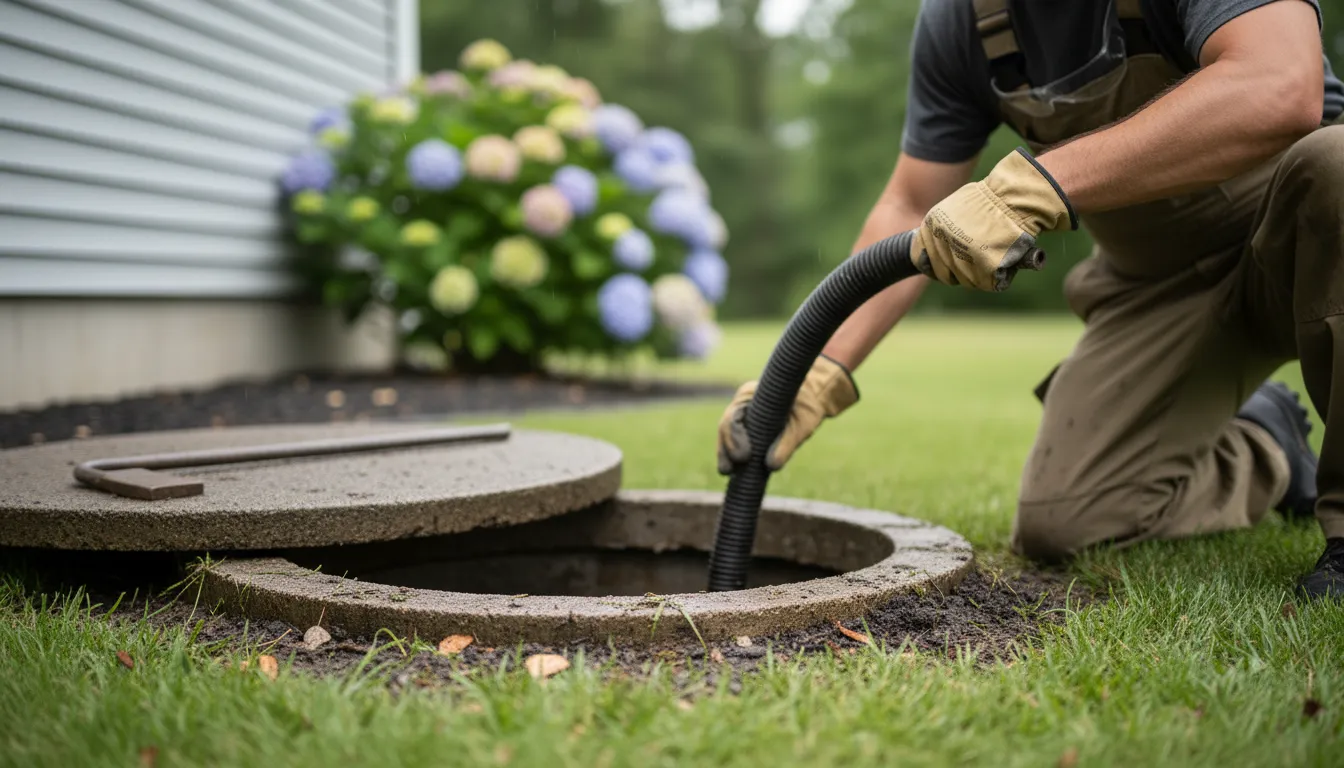
- Pumping the Tank: A large vacuum truck will remove all liquid and solid waste from the tank. The material is then transported to an approved treatment facility.
- Post-Service Inspection: After pumping, the technician may run water to check for proper flow and may offer advice on your system's condition and recommended next service date.
Find the perfect septic tank pumping contractors for your needs
Get personalized recommendations and expert advice
Understanding Costs for Septic Service in Gary
The price for septic tank pumping in Gary varies based on tank size, accessibility, and the tank's condition. Here's a general breakdown based on regional data:
- Standard Pumping (1,000-gallon tank): $250 - $700.
- Large Tanks (1,500 gallons or more): $300 - $1,100 or more 5.
- Additional Fees: Emergency service, extremely hardened solids, or difficult access (e.g., tanks buried deep or under obstacles) can add $100 - $200 to the cost 6 7.
Always request a detailed, upfront quote from any provider. The lowest price isn't always the best value; ensure the quote includes a basic inspection and covers all parts of the service.
Local Regulations and Finding Approved Contractors
In Indiana, septic system regulations are managed at the county level. For Gary residents, the Lake County Health Department is the primary authority for permits, system approvals, and regulatory compliance 8. They can provide information on specific legal requirements and may have lists of approved or permitted contractors in the area.
When evaluating local septic pumping companies, look for:
- Proper licensing and insurance for Indiana.
- Clear communication and willingness to answer questions.
- Detailed, written estimates.
- Positive reviews from other Gary-area homeowners.
- A focus on inspection and education, not just pumping.
Protecting Your System Between Pumpings
Proper day-to-day care extends the life of your system and stretches the time between necessary pumpings.
- Conserve Water: Fix leaks, install efficient fixtures, and spread out laundry loads.
- Mind What You Flush: Only human waste and toilet paper should go down the drain. Never flush wipes (even "flushable" ones), feminine hygiene products, dental floss, or cooking grease.
- Use Additives Cautiously: Avoid chemical additives that claim to eliminate pumping. They can harm the bacterial balance in your tank and damage components 9. Enzyme-based additives may be acceptable but are not a substitute for pumping.
- Protect the Drainfield: Never park vehicles or place heavy structures on it. Direct rainwater runoff and roof drains away from the area.
Frequently asked questions
Sources
Footnotes
-
Frequent Questions on Septic Systems | US EPA - https://www.epa.gov/septic/frequent-questions-septic-systems ↩
-
Septic Tanks - Preventative Routine Maintenance - https://des.sc.gov/permits-regulations/septic-tanks/homeowner-resources/septic-tanks-preventative-routine-maintenance ↩
-
How Often to Pump a Septic Tank - Clear River Environmental - https://clearriverenvironmental.com/how-often-to-pump-a-septic-tank/ ↩
-
How Often Should You Pump Your Septic Tank: 3 Factors Solved - https://www.frasiers.com/blog/sewage-tank-pump-frequency/ ↩
-
Optimizing Septic Tank Pumping Frequency for Households - https://www.unitedsewerservice.com/frequency-of-septic-tank-pumping-for-different-household-sizes/ ↩
-
How Much Does It Cost to Pump a Septic Tank? [2026 Data] | Angi - https://www.angi.com/articles/how-much-does-septic-tank-pumping-cost.htm ↩
-
Septic Pumping Cost by State: 2024 Complete Price Guide - https://wastedoor.com/article/septic-pumping-cost-by-state ↩
-
Indiana Septic Tank Requirements | On-Site Sewage Systems - https://www.ntotank.com/blog/indiana-septic-tank-requirements ↩
-
Homeowner's Guide to Septic Systems - http://indiana.clearchoicescleanwater.org/resources/epa-homeowners-guide-to-septic-systems/ ↩