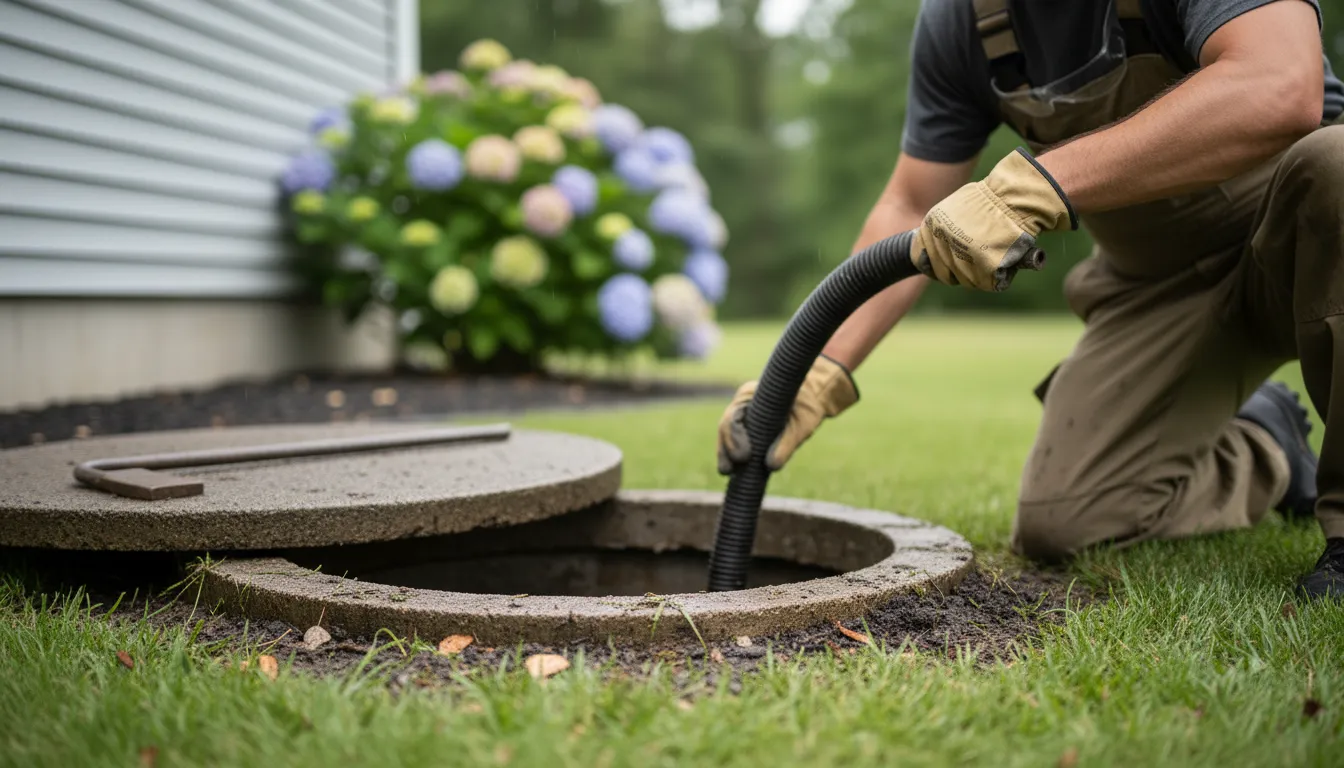
Find the Best Septic Tank Pumping Contractors for Your Business
No obligation • Fast responses • Nationwide coverage

Why you can trust Septic Spot
Septic Spot is a leading United States resource for understanding and comparing septic services. Our editors review providers using consistent criteria and verify key business details. Listings and scores are independent, and companies cannot pay to influence our content.
Search providers near you
Top Septic Tank Pumping Contractors in Greenwood, Indiana Ranked
Maintaining your septic system is a crucial responsibility for any homeowner not connected to a municipal sewer line. Regular septic tank pumping is the most important preventative maintenance task you can perform to avoid messy, expensive, and environmentally damaging system failures. This guide provides essential information for Greenwood residents on how often to schedule this service, what to expect during the process, and how to find qualified local professionals to handle your septic system maintenance.
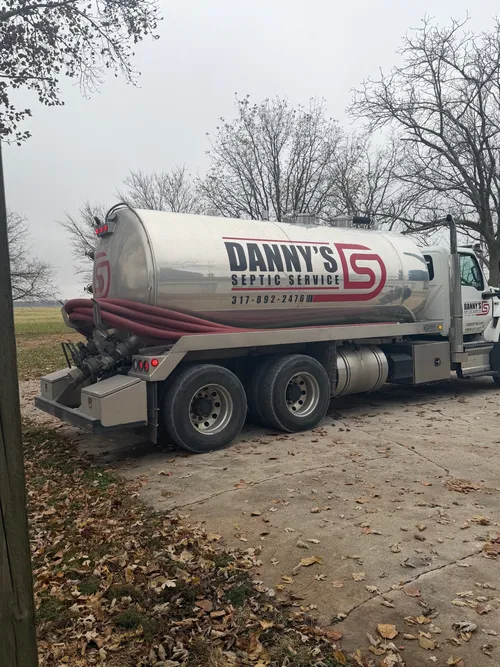
Danny's Septic Service
4938 E County Rd 1000 N, Pittsboro, IN 46167
Danny's Septic Service is a septic tank pumping, repair, and installation company based near Indianapolis, IN. They provide services to residential and commercial customers across several counties including Boone, Clinton, Hendricks, Montgomery, Putnam, Tippicanoe, and parts of Marion County. Their licensed team handles a full range of septic system needs with a focus on building strong client relationships.
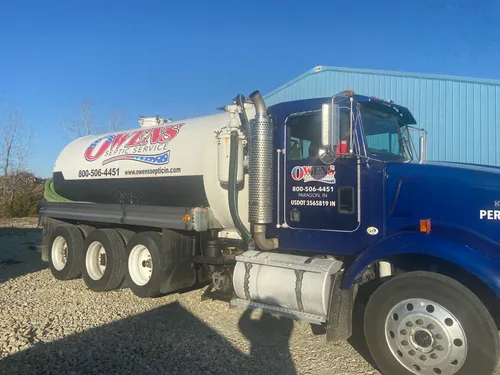
Owens Septic Service
8541 N 850 W, Fairland, IN 46126
Owens Septic Service offers septic tank pumping, inspection, and pump repair or replacement in Indianapolis, IN. With over 30 years of experience, they provide comprehensive septic system maintenance, including lift station upkeep, septic riser installation, and grease trap pumping for commercial kitchens. Their services focus on maintaining efficient wastewater flow and preventing system failures through regular inspections and pump-outs.
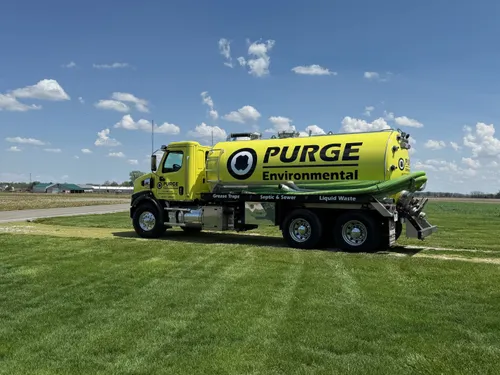
Purge Environmental
10625 Deme Dr D, Indianapolis, IN 46236
Purge Environmental is a locally owned and operated company based in Indianapolis, IN, specializing in septic tank pumping, inspection, and repair services. They offer residential and commercial solutions including septic tank cleaning, grease trap pumping, lift station maintenance, and industrial wastewater hauling. Their services cover Central and Eastern Indiana, focusing on environmentally responsible waste management. Purge Environmental provides 24/7 emergency pumping services to address urgent septic issues promptly. Their trained technicians follow a thorough twenty-point inspection process and dispose of waste at IDEM-approved facilities, ensuring compliance and eco-friendly practices.
Restorex Septic Solutions
6616 E S R 144, Mooresville, IN 46158
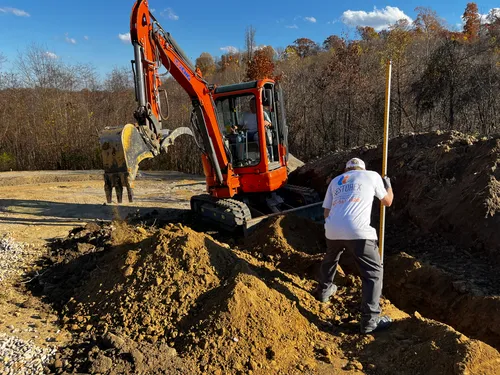
Restorex Septic Solutions provides residential and commercial septic services in Indianapolis, IN. Their offerings include septic tank pumping, inspections, repairs, and installations to maintain proper waste management and comply with environmental regulations. The company addresses issues such as backups, odors, and slow drains to help preserve property sanitation and occupant health. Restorex Septic Solutions is available to assist with septic system problems whenever needed, working with clients and insurance companies to manage repairs efficiently.
ACME Plumbing, Drain & Septic Service
3702 Shadeland Ave, Indianapolis, IN 46226
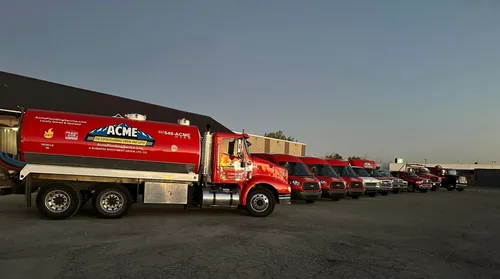
ACME Plumbing, Drain & Septic Service is a family-owned company serving Indianapolis, IN, since 1939. They specialize in septic tank pumping, drain cleaning, and general plumbing services. Their licensed and insured team uses remote camera inspections to identify sewer line issues accurately. ACME offers 24/7 emergency plumbing services to address urgent problems at any time.
Understanding Your Septic System and Why Pumping is Essential
A septic system is an on-site wastewater treatment structure, typically consisting of a tank and a drain field. All the water from your home's toilets, showers, sinks, and appliances flows into the underground septic tank. Here, solids settle to the bottom as "sludge," and fats and oils float to the top as "scum." The liquid wastewater in the middle, called "effluent," then flows out into the drain field where it is filtered through the soil.
The pumping process removes the accumulated sludge and scum that cannot break down. If these layers become too thick, they can flow into and clog the drain field, leading to sewage backups in your home or soggy, foul-smelling patches in your yard. A failed drain field is one of the most costly home repairs a homeowner can face. Regular septic tank cleaning is not just a chore; it's an investment in protecting your property value, your family's health, and the local groundwater 1.
Recommended Pumping Frequency for Greenwood Homes
How often you need to pump your septic tank isn't a one-size-fits-all answer. The general standard for septic tank service is every 3 to 5 years. However, several factors specific to your household can necessitate more frequent maintenance.
- Household Size and Water Usage: More people in a home generally means more wastewater, which fills the tank faster. A family of four will typically need pumping more often than a single occupant 2.
- Tank Size: The capacity of your tank is a primary factor. A 1,000-gallon tank will fill up faster than a 1,500-gallon tank under the same usage conditions.
- Garbage Disposal Use: Using a garbage disposal significantly increases the amount of solids entering the tank, accelerating sludge buildup and requiring more frequent pumping 3.
- Professional Inspection: The only way to know for sure is to have your tank inspected. Experts recommend a septic system inspection every 1 to 3 years to measure the levels of sludge and scum. A good rule of thumb is that a tank needs pumping when the sludge layer is within about 12 inches of the bottom of the outlet baffle or the scum layer is too close to that baffle 4 5.
For many Greenwood households, especially those with average use and a standard 1,000-gallon tank, scheduling a septic tank emptying every 3-4 years is a safe and prudent maintenance schedule.
What to Expect: The Septic Pumping Process
Knowing what happens during a pump-out can help you prepare and ensure the job is done correctly. A standard service from a licensed professional typically includes:
- Locating and Uncovering the Tank: The technician will locate the tank lids. If "risers" (access ports extending to the surface) are not installed, they may need to dig to expose the lids. Installing risers is highly recommended for future easy access 6.
- Inspecting the System: Before pumping, a reputable provider will often perform a basic inspection, checking inlet and outlet baffles and the tank's general condition.
- Pumping the Tank: A large truck with a vacuum hose will remove all the liquid and solid waste from the tank. The waste is then transported to an approved treatment facility.
- Post-Pumping Check: The technician should check that the tank is watertight and ensure the baffles are intact. They may also rinse the tank lightly with water to observe any leaks, but they should not "wash" the tank, as this can harm the bacterial ecosystem.
- Cleaning the Effluent Filter: Many modern tanks have an effluent filter on the outlet to prevent solids from leaving the tank. This filter should be removed and cleaned during every pumping service 7.
- Reporting and Advice: You should receive a report on what was done and any observations about your system's health, along with a recommendation for your next service date.
Find the perfect septic tank pumping contractors for your needs
Get personalized recommendations and expert advice
Cost of Septic Tank Pumping in the Greenwood Area
The cost for septic tank pumping in Central Indiana varies based on a few key factors. The primary determinant is the size (capacity) of your tank. Prices for standard, accessible tanks in the Indianapolis and Greenwood area generally fall within these ranges 8 9:
- 750-Gallon Tank: $175 - $400
- 1,000-Gallon Tank: $200 - $400
- 1,500-Gallon Tank: $350 - $700
Additional factors that can influence the final price include:
- Accessibility: If the tank lids are buried and require significant digging to uncover, labor costs will increase. This is why installing risers can save money in the long run.
- Condition of the Tank: If the tank is damaged, has collapsed baffles, or requires other repairs noted during the service, costs will be higher.
- Emergency Service: Needing a pump-out due to an active backup or on a weekend/holiday will typically incur a premium, potentially raising the cost to $450-$1,200 or more 10 11.
- Additional Services: Cleaning the effluent filter is often included, but other services like camera inspections or adding treatments will add to the bill.
Always get a detailed estimate before work begins. The lowest price isn't always the best value; ensure the provider is licensed and insured.
Indiana and Local Regulations for Septic Systems
Homeowners in Greenwood must comply with Indiana state and local Johnson County regulations. Key requirements include 12:
- Licensed Tanks: All septic tanks must be watertight and constructed of approved materials, such as concrete or plastic. Older tanks made of cinder block or wood are no longer compliant.
- System Permits: Any new installation, repair, or major alteration to a septic system requires a permit from the local health department.
- Proper Maintenance: Homeowners are responsible for the proper operation and maintenance of their systems to prevent public health nuisances or groundwater contamination.
Regular pumping is the cornerstone of compliant maintenance. Keeping records of your pumping and inspection services is also a good practice, especially if you plan to sell your home.
Proactive Maintenance Beyond Pumping
Pumping is vital, but other habits extend your system's life:
- Conserve Water: Fix leaks and spread out laundry loads to avoid overwhelming the tank.
- Mind What You Flush: Only human waste and toilet paper should go down the toilet. Avoid flushing wipes (even "flushable" ones), feminine hygiene products, diapers, grease, coffee grounds, and chemicals like paint or pesticides 13.
- Protect the Drain Field: Never park or drive heavy vehicles over the drain field. Keep roof drains, sump pumps, and other surface water away from the area. Also, avoid planting trees with deep roots nearby.
- Use Septic-Safe Products: Choose toilet paper that breaks down easily and use cleaning products in moderation, as excessive bleach or antibacterial agents can kill the beneficial bacteria in your tank.
By following these guidelines and adhering to a regular pumping schedule, you can ensure your septic system operates reliably for decades.
Frequently asked questions
Sources
Footnotes
-
Frequent Questions on Septic Systems | US EPA - https://www.epa.gov/septic/frequent-questions-septic-systems ↩
-
Septic Tank Pumping Guide for Families - https://www.benjaminfranklinplumbing.com/league-city/blog/2025/march/how-often-to-pump-septic-tank-family-of-4-essential-maintenance-tips/ ↩
-
How Often Should I Pump Out My Septic Tank? - https://cms2.revize.com/revize/westportma/Documents/Departments/Health/Forms%20And%20Resources/how_often_should_i_pump_out_my_septic_tank_2.pdf?t=202508080914340&t=202508080914340 ↩
-
HOW OFTEN SHOULD YOU BE PUMPING YOUR SEPTIC TANK? - https://www.sandiegocounty.gov/content/dam/sdc/dpw/WATERSHED_PROTECTION_PROGRAM/WatershedRebates/SRP/PDF/Chart-Septic-Large.pdf ↩
-
How Often Should You Pump Your Septic Tank? A Homeowner's ... - https://www.dandsportabletoilets.com/post/how-often-should-you-pump-your-septic-tank-a-homeowner-s-guide ↩
-
Untitled - https://www.ringwoodnj.net/filestorage/3884/Septic_info.pdf ↩
-
Septic Systems | Department of Environmental Protection - https://www.pa.gov/agencies/dep/residents/my-water/septic-systems ↩
-
How Much Does It Cost To Pump A Septic Tank in Indianapolis, IN? - https://www.angi.com/articles/how-much-does-septic-tank-pumping-cost/in/indianapolis ↩
-
How Much Does It Cost To Pump A Septic Tank in Indianapolis, IN? - https://www.angi.com/articles/how-much-does-septic-tank-pumping-cost/in/indianapolis ↩
-
Septic Pumping Cost by State: 2024 Complete Price Guide - https://wastedoor.com/article/septic-pumping-cost-by-state ↩
-
Homeowner's Guide to Septic Systems - http://indiana.clearchoicescleanwater.org/resources/epa-homeowners-guide-to-septic-systems/ ↩
-
Indiana Septic Tank Requirements | On-Site Sewage Systems - https://www.ntotank.com/blog/indiana-septic-tank-requirements ↩
-
Septic Tanks - Preventative Routine Maintenance - https://des.sc.gov/permits-regulations/septic-tanks/homeowner-resources/septic-tanks-preventative-routine-maintenance ↩