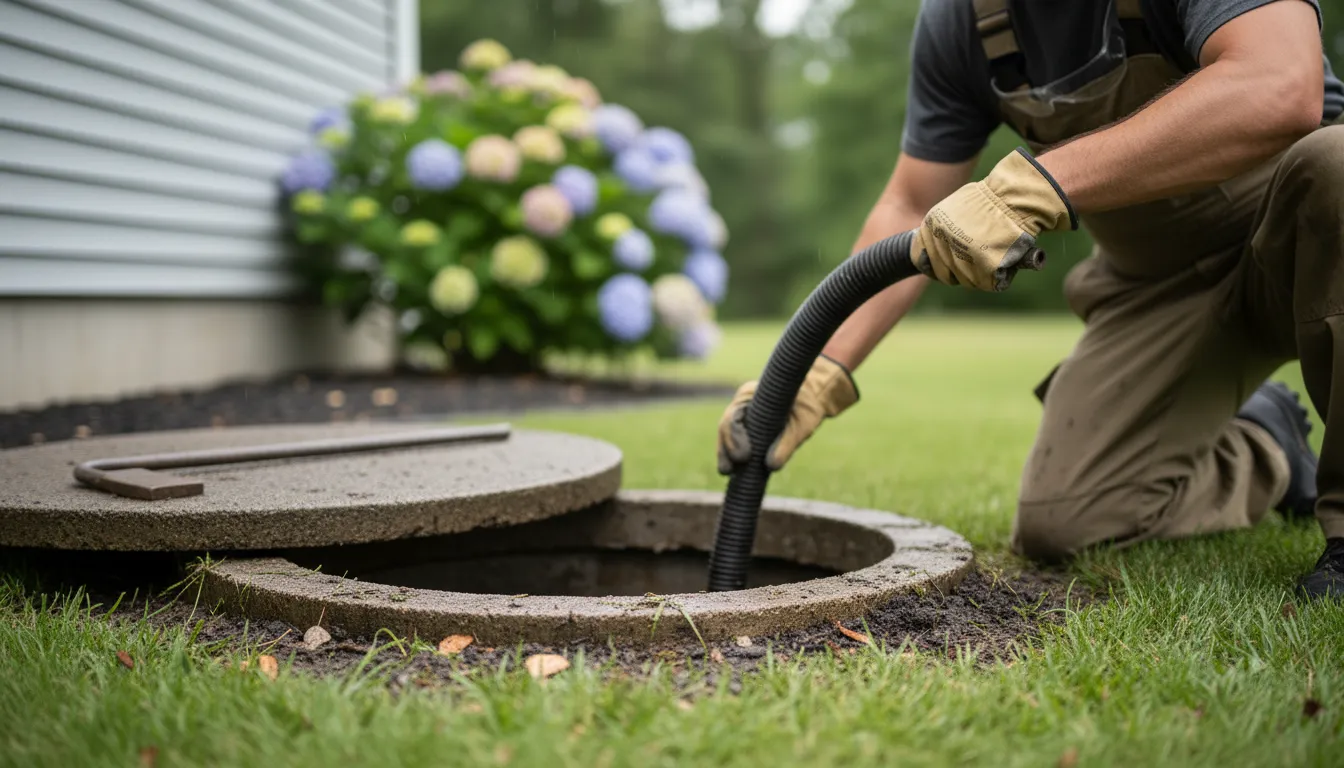
Find the Best Septic Tank Pumping Contractors for Your Business
No obligation • Fast responses • Nationwide coverage

Why you can trust Septic Spot
Septic Spot is a leading United States resource for understanding and comparing septic services. Our editors review providers using consistent criteria and verify key business details. Listings and scores are independent, and companies cannot pay to influence our content.
Search providers near you
Top Septic Tank Pumping Contractors in Hammond, Indiana Ranked
Maintaining your septic system is a crucial responsibility for any homeowner not connected to a municipal sewer line. Regular septic tank pumping is the most important preventative maintenance you can perform to protect your property, your health, and the local environment. This guide explains what septic tank cleaning involves, why it's essential for Hammond residents, and how you can find qualified local professionals to ensure your system functions properly for years to come.

Suburban Plumbing Sewer Line and Drain Cleaning Experts
9100 Plainfield Rd Suite #9A, Brookfield, IL 60513
Suburban Plumbing Sewer Line and Drain Cleaning Experts is a full-service plumbing company serving Chicago, IL, and the greater Chicagoland area. They provide a wide range of services including septic tank pumping, inspections, repairs, and new system installations, as well as sewer line repairs, drain cleaning, water heater services, and flood control solutions. With over 30 years of experience, their licensed and insured technicians use advanced equipment like hydro jetting and sewer camera inspections to deliver effective plumbing solutions. The company offers 24/7 emergency plumbing services to address urgent issues promptly.
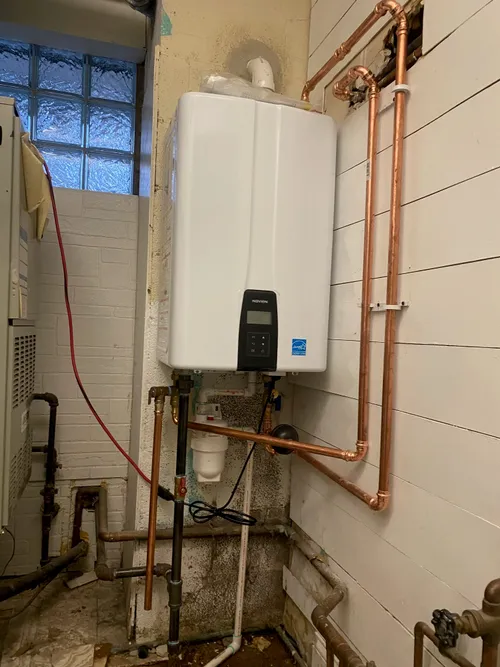
Feikema Plumbing & Sanitation
1854 Ridge Rd, Munster, IN 46321
Feikema Plumbing & Sanitation is a family-owned business based in Munster, IN, serving the Chicago, IL area with plumbing and septic system services. Established in 1956, they offer a wide range of solutions including septic tank pumping, septic system repairs, drain cleaning, water heater installation, and sewer maintenance. Their expertise includes advanced diagnostics using sewer cameras and modern rodding tools. With over 60 years of experience, Feikema Plumbing & Sanitation combines local community focus with licensed, bonded, and insured service.
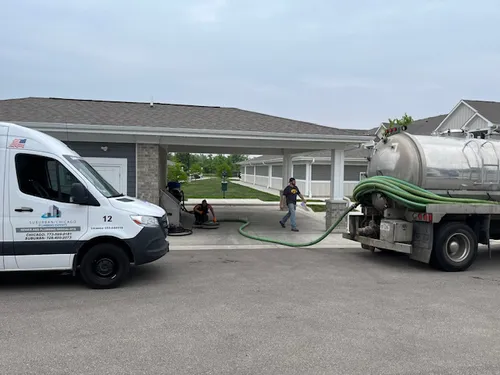
Chicago Plumbing Sewer and Drain Cleaning Experts
Chicago, IL
Chicago Plumbing Sewer and Drain Cleaning Experts is a licensed plumbing company serving Chicago, IL, and the surrounding Chicagoland area. Established in 1995, they provide residential and commercial plumbing services including septic tank pumping, sewer and drain cleaning, hydro jetting, and emergency plumbing. Their team is experienced with Chicago's unique plumbing challenges such as aging infrastructure and harsh winters. They offer 24/7 emergency service to address urgent issues like burst pipes and sewer backups promptly.
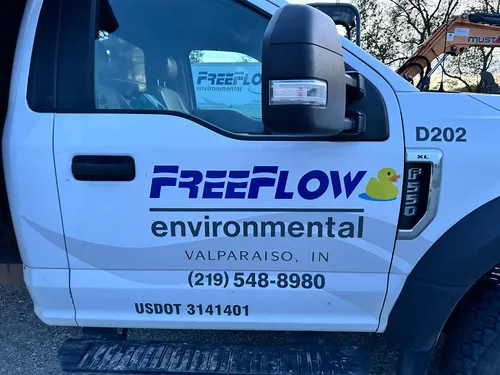
FreeFlow Environmental
4411 Evans Ave, Valparaiso, IN 46383
FreeFlow Environmental offers septic tank pumping and septic system repair services in Chicago, IL. They serve residential and commercial clients in Northwest Indiana and Illinois, providing comprehensive solutions including septic system restoration, sewer line cleaning, and no-dig sewer line repairs. The company is licensed, bonded, insured, and IOWPA certified, emphasizing environmentally responsible practices and adherence to local regulations. Their skilled technicians use advanced technology to diagnose and fix septic and sewer issues efficiently.
FreeFlow Environmental of Cook County
7030 Centennial Dr Suite 133, Tinley Park, IL 60477
FreeFlow Environmental of Cook County offers septic tank pumping and septic system repair services in Chicago, IL. They serve residential and commercial clients, addressing septic, sewer, and drainage issues with licensed and insured professionals. The company uses advanced technology for septic system repair, pumping, and sewer line cleaning, including no-dig sewer line repairs. Their services cover system maintenance, emergency repairs, and full restorations to ensure efficient operation and prevent backups. FreeFlow Environmental also emphasizes environmental stewardship in their work.
Why Regular Septic System Maintenance is Non-Negotiable
A septic system is an on-site wastewater treatment plant for your home. All the water from your toilets, showers, sinks, and appliances flows into an underground septic tank. Inside, solids settle to the bottom as sludge, and fats and oils float to the top as scum. The liquid in the middle, called effluent, then flows out into a drainfield where it is filtered through the soil. If the tank is not pumped regularly, excess sludge and scum can flow into the drainfield, causing costly and unsanitary backups, system failure, and groundwater contamination 1.
For residents of Hammond and the broader Lake County area, proper maintenance isn't just a good idea-it's governed by state and local health regulations designed to protect public water resources. Neglecting this duty can lead to expensive emergency repairs, property damage, and potential fines.
How Often Should You Pump Your Septic Tank in Hammond?
The most common question homeowners have is about frequency. While a general rule of thumb for Indiana is every 3 to 5 years, your specific schedule depends on several factors unique to your household.
- Standard Recommendation: For a typical 1,000-gallon tank serving a 3-4 bedroom home with average water use, pumping every 2.5 to 3 years is a prudent schedule 2 3.
- High-Usage Scenarios: You may need septic tank servicing as often as every 1-2 years if your household has a garbage disposal, higher-than-average water usage, or a smaller tank (under 1,000 gallons) 4.
- The Best Approach: The most accurate method is to have a licensed professional inspect the sludge and scum levels in your tank. The Indiana State Department of Health (ISDH) suggests inspections every 1-3 years to determine the optimal pumping interval for your system.
Waiting until you notice a problem-like slow drains, sewage odors, or soggy ground over the drainfield-means you've waited too long. Proactive pumping is always more affordable and less disruptive than emergency repair.
Understanding the Septic Pumping Process
Knowing what to expect can make scheduling this necessary service easier. A standard septic tank cleaning visit from a qualified hauler involves several key steps:
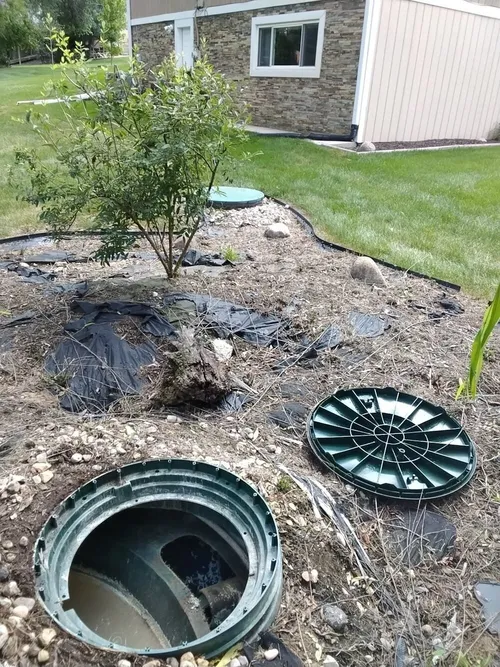
- Locating and Uncovering the Tank: The technician will find your tank's access lids, which may require some digging.
- Inspecting the System: Before pumping, a good professional will check inlet and outlet baffles (critical components that prevent pipe blockages) and look for signs of damage or leaks, as required by Indiana inspection guidelines 5.
- Pumping the Tank: A large vacuum truck removes all the contents-sludge, scum, and effluent-from the tank.
- Final Check and Cleanup: The technician will ensure the tank is empty, rinse it if necessary, replace the lids securely, and clean up the work area.
- Disposal: The waste is transported to a licensed treatment facility for processing.
This process not only removes accumulated waste but also provides an opportunity to catch small issues before they become major failures.
Indiana and Lake County Regulations You Should Know
Hammond homeowners must adhere to specific state codes and local health department rules. Key regulations include:
- Tank Standards: Indiana regulation 410 IAC 6-10.1-68 requires septic tanks to be watertight. Older tanks made of prohibited materials like concrete block, metal, or wood must be replaced if they are failing 6.
- Local Oversight: The Lake County Health Department oversees permits for new installations, repairs, and system replacements. They also maintain lists of permitted and licensed septic waste haulers 7.
- Inspections for Real Estate: While not always required for routine pumping, a full system inspection is often mandated during property transfers or before major repairs.
Using a service provider licensed by the state of Indiana and permitted by Lake County ensures the work is done correctly and legally.
Find the perfect septic tank pumping contractors for your needs
Get personalized recommendations and expert advice
What Influences the Cost of Septic Pumping?
The price for septic tank pumping in Hammond is not a flat fee. Several variables affect the final cost, with the average range falling between $250 and $500 for most residential services 8 9.
- Tank Size: This is the primary cost driver.
- Small Tanks (<1,000 gallons): $250 - $350
- Medium Tanks (1,000-1,500 gallons): $300 - $400
- Large Tanks (1,500-2,000+ gallons): $400 - $500+ 10
- Accessibility: Easy access with lids at or near the surface keeps costs down. Difficult access requiring extensive digging or special equipment will increase the price.
- Condition of the Tank: A severely overdue pumping (e.g., 7+ years) or an emergency call for a clogged system can add a premium of $100 to $700 due to the extra labor and time required 11.
- Additional Services: Costs will be higher if you bundle pumping with a full inspection, baffle repair, or other maintenance tasks.
Always get a detailed, written estimate before work begins. The cheapest quote isn't always the best value if it doesn't include a proper inspection or if the company isn't properly licensed and insured.
Choosing a Reliable Service Provider in Hammond
Your septic system is a significant investment. Protecting it means choosing your service company carefully. Look for these indicators of a reputable professional:
- Proper Licensing & Insurance: Verify they hold a current license from the Indiana State Department of Health and are permitted by the Lake County Health Department. Ask for proof of liability and workers' compensation insurance.
- Experience & Reputation: Look for established companies with positive reviews from local customers. Ask how long they've been serving the Hammond area.
- Transparent Practices: A trustworthy company will provide a clear estimate, explain what their service includes, and be willing to answer all your questions.
- Comprehensive Service: Opt for providers who offer inspection as part of the pumping service, not just waste removal. This gives you a complete picture of your system's health.
Resources like the "Clear Choices Clean Water Indiana" initiative provide excellent guidance for homeowners on protecting water quality through proper septic care.
Beyond Pumping: Protecting Your Drainfield
Pumping the tank is only one part of system care. The drainfield is equally important and can be ruined by neglect. To extend the life of your entire system:
- Conserve Water: Fix leaks and spread out laundry loads to avoid overwhelming the system.
- Mind What You Flush: Only human waste and toilet paper should go down the toilet. Never flush wipes (even "flushable" ones), feminine hygiene products, dental floss, or chemicals.
- Be Careful with Disposals: Garbage disposals significantly increase the solid waste load in your tank, necessitating more frequent pumping.
- Protect the Area: Never drive or park over your drainfield, and avoid planting trees with deep roots nearby.
Frequently asked questions
Sources
Footnotes
-
Homeowner's Guide to Septic Systems - http://indiana.clearchoicescleanwater.org/resources/epa-homeowners-guide-to-septic-systems/ ↩
-
HOW OFTEN SHOULD YOU BE PUMPING YOUR SEPTIC TANK? - https://www.sandiegocounty.gov/content/dam/sdc/dpw/WATERSHED_PROTECTION_PROGRAM/WatershedRebates/SRP/PDF/Chart-Septic-Large.pdf ↩
-
How Often Should I Pump Out My Septic Tank? - https://cms2.revize.com/revize/westportma/Documents/Departments/Health/Forms%20And%20Resources/how_often_should_i_pump_out_my_septic_tank_2.pdf?t=202508080914340&t=202508080914340 ↩
-
5 Factors for Septic Tank Pumping Frequency - https://www.wrenvironmental.com/blog/2025/november/5-key-factors-that-influence-septic-pumping-freq/ ↩
-
Indiana Onsite Sewage System Inspection Form - IOWPA - https://iowpa.org/wp-content/uploads/2019/09/Inspection_Form21.pdf ↩
-
410 IAC 6-10.1-68 - Septic tanks: general requirements - https://www.law.cornell.edu/regulations/indiana/410-IAC-6-10.1-68 ↩
-
Indiana Septic Tank Requirements | On-Site Sewage Systems - https://www.ntotank.com/blog/indiana-septic-tank-requirements ↩
-
How Much Does It Cost to Pump a Septic Tank? - https://www.wholesalesepticsupply.com/blogs/news/how-much-does-it-cost-to-pump-a-septic-tank ↩
-
How Much Does It Cost To Pump A Septic Tank in Indianapolis, IN? - https://www.angi.com/articles/how-much-does-septic-tank-pumping-cost/in/indianapolis ↩
-
Septic Pumping Cost by State: 2024 Complete Price Guide - https://wastedoor.com/article/septic-pumping-cost-by-state ↩
-
Cost to Pump Septic Tank: Tips to Save on Cleaning Fees - https://ivanssiteservices.com/blog/cost-to-pump-septic-tank-what-to-expect-and-how-to-save/ ↩