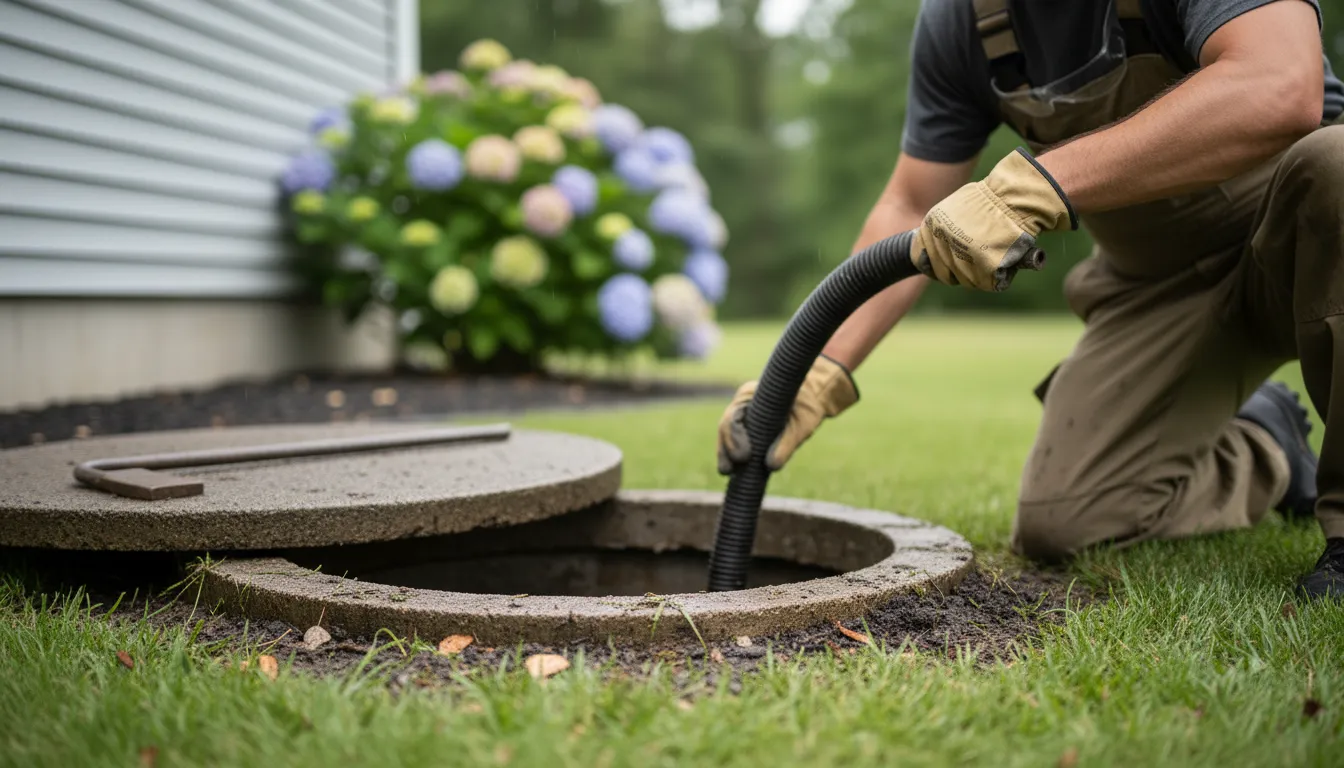
Find the Best Septic Tank Pumping Contractors for Your Business
No obligation • Fast responses • Nationwide coverage

Why you can trust Septic Spot
Septic Spot is a leading United States resource for understanding and comparing septic services. Our editors review providers using consistent criteria and verify key business details. Listings and scores are independent, and companies cannot pay to influence our content.
Search providers near you
Top Septic Tank Pumping Contractors in Mishawaka, Indiana Ranked
For homeowners in Mishawaka, maintaining a healthy septic system is a crucial, yet often overlooked, responsibility. Septic tank pumping is the essential service of removing accumulated solids and sludge from your tank to prevent system failure, backups, and costly environmental damage. This guide explains why regular maintenance matters, outlines local guidelines, and helps you understand what to look for when finding a qualified professional to service your on-site wastewater system.
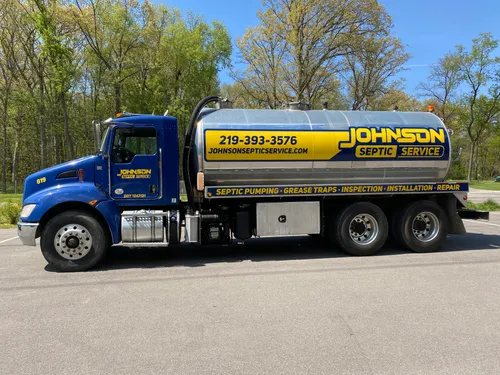
Johnson Septic Service
7523 S 1st Line Rd, Kingsbury, IN 46345
Johnson Septic Service provides septic tank pumping, inspection, repair, and installation services in Chicago, IL. They also offer grease trap pumping and use Bio-Tabs as part of their service options. The company serves the northwest Indiana area with a focus on quality septic system maintenance and repair.
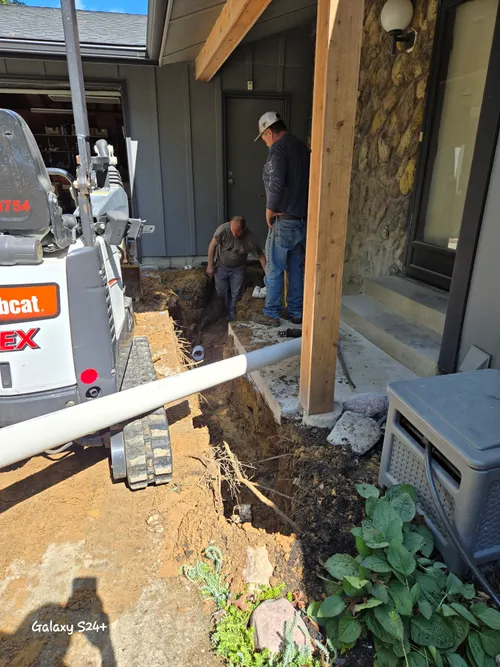
K-Fex Inc.
5885 N 800 E, New Carlisle, IN 46552
K-Fex Inc. provides septic tank pumping, inspection, repair, and installation services in Chicago, IL. They also handle drain field repair and replacement. The company offers excavation services and has a full-time office staff available during regular business hours. One notable capability is their service to locate and dig up septic tank lids when needed. K-Fex Inc. supports clients through the entire septic system process, including soil testing and health department coordination for system replacements.
A functional septic system is vital for protecting your property value, your family's health, and the local environment in St. Joseph County. When a system fails, it can lead to sewage backing up into your home or contaminating groundwater and nearby streams. Regular septic system pumping is the most effective preventative measure you can take. By scheduling service based on your household's needs, you ensure the long-term reliability of your home's wastewater treatment.
Understanding Your Septic System
Before diving into maintenance schedules, it helps to know the basics. A typical residential septic system has two main parts: the tank and the drainfield (or leach field). Wastewater from your home flows into the septic tank, where solids settle to the bottom as sludge, and oils float to the top as scum. The liquid effluent in the middle layer then flows out to the drainfield, where it is filtered and treated by the soil. Pumping removes the built-up sludge and scum that cannot break down, preventing them from flowing into and clogging the drainfield-a leading cause of system failure.
Recommended Pumping Frequency in Mishawaka
How often you need to schedule septic tank cleaning depends on several factors. General guidelines for our area suggest having your tank pumped every 3 to 5 years. However, this is just a starting point. You may need more frequent service if you have a smaller-than-average tank, a garbage disposal that adds extra solids, or a larger household.
- Household Size: A family of six will fill a tank much faster than a couple. Systems serving more than four people often require pumping every 1-2 years1.
- Tank Size: Older homes may have smaller tanks that need more attention.
- Overall Usage: The volume of wastewater generated directly impacts how quickly solids accumulate.
The most reliable method is to have your tank inspected by a professional. They can measure the sludge and scum layers to give you a precise recommendation for your next pumping date.
The Importance of Regular Inspections
While pumping is critical, a comprehensive maintenance plan includes regular inspections. Experts recommend a professional septic system inspection every 1 to 3 years. During an inspection, a technician will:
- Locate and access your tank and drainfield.
- Check for leaks or signs of surface failure.
- Measure sludge and scum levels to determine if pumping is needed.
- Assess the condition of baffles, tees, and the drainfield.
These inspections can identify small problems-like a damaged outlet baffle or a minor leak-before they turn into expensive emergencies. For homeowners considering selling their property, a recent inspection and pumping record can be a significant advantage.
What to Expect: The Pumping Process
When you hire a professional for septic tank servicing, a standard visit typically includes:
- Locating & Uncovering: The technician will find your tank's access lids and excavate if necessary.
- Initial Inspection: They will often check the sludge level with a long measuring device called a "sludge judge."
- Pumping: A large truck with a vacuum hose will remove all contents from the tank-sludge, scum, and liquid.
- Final Inspection & Rinsing: After pumping, the inside of the tank may be rinsed to inspect for cracks, and the baffles are checked. The technician should note the tank's condition.
- Proper Disposal: The waste is transported to a licensed treatment facility.
A reputable provider will leave the site clean and provide you with a service report detailing what was done and any observations about your system's health.
Cost of Septic Pumping in Mishawaka
The price for septic tank pumping in Mishawaka is influenced by tank size, accessibility, and how long it's been since the last service. Based on local data, most homeowners can expect to pay between $280 and $520 for a standard residential pumping job. The average cost often falls in the $300 to $550 range2.
- Lower End ($190-$300): This may apply to pumping a small tank or a well-maintained system that is serviced on schedule.
- Higher End ($520-$890): Costs can rise for very large tanks, difficult access requiring extra excavation, or emergency service for a severely clogged system3.
While price is a factor, choosing a qualified, licensed professional is more important for a job done correctly that protects your system.
Find the perfect septic tank pumping contractors for your needs
Get personalized recommendations and expert advice
Protecting Your Septic System Between Services
Proper care extends the time between pumpings and prolongs the life of your entire system. Follow these best practices to avoid overloading and damaging your septic system:
- Conserve Water: Spread out laundry loads, fix dripping faucets and running toilets promptly, and consider installing high-efficiency fixtures. A sudden surge of water can overwhelm the tank.
- Mind What You Flush: Only human waste and toilet paper should go down the drain. Never flush wipes (even "flushable" ones), feminine hygiene products, dental floss, diapers, or cat litter.
- Use the Trash Can, Not the Drain: Avoid pouring cooking grease, oil, or fat down the sink. Do not dispose of chemicals, paints, pesticides, or pharmaceuticals in drains, as they can kill the beneficial bacteria in your tank and contaminate groundwater4 5.
- Protect the Drainfield: This is the most vulnerable part of your system. Never drive or park vehicles on the drainfield, as the weight can compact the soil and crush pipes 6. Do not build structures like sheds or patios over it, and avoid planting trees or deep-rooted shrubs nearby.
St. Joseph County Guidelines and Resources
Local regulations are in place to protect public health. The St. Joseph County Environmental Health Department provides specific guidance for homeowners with septic systems. Key local requirements and tips include:
- Know Your System's Location: Keep a sketch or diagram of your tank and drainfield location for future reference and to avoid accidental damage.
- Permits Are Required: Any repair, modification, or new installation of a septic system requires a permit from the county health department.
- Selling Your Home: Specific inspection requirements may apply when transferring property. It's advisable to contact the St. Joseph County Environmental Health Department directly for the most current rules.
Staying informed about these guidelines helps ensure your system remains compliant and functional.
Signs Your Septic Tank Needs Immediate Attention
Don't wait for your scheduled maintenance if you notice any of these warning signs of a full or failing system:
- Slow Drains: Sinks, showers, and toilets that drain slowly, especially if gurgling is involved.
- Sewage Backups: Wastewater coming back up into household drains.
- Bad Odors: Unpleasant smells around the drains inside your home or near the tank/drainfield outside.
- Lush, Wet Ground: Spongy, bright green grass or standing water over the drainfield, particularly when it hasn't rained.
- Nitrate Contamination: If your well water tests positive for high nitrate levels, a failing septic system could be the source.
If you observe any of these issues, contact a septic professional for an inspection as soon as possible to prevent more extensive damage.