Find the Best Septic Tank Pumping Contractors for Your Business
No obligation • Fast responses • Nationwide coverage

Why you can trust Septic Spot
Septic Spot is a leading United States resource for understanding and comparing septic services. Our editors review providers using consistent criteria and verify key business details. Listings and scores are independent, and companies cannot pay to influence our content.
Search providers near you
Top Septic Tank Pumping Contractors in Olathe, Kansas Ranked
Maintaining your septic system is a crucial responsibility for homeowners in Olathe. Regular septic tank pumping and inspection are essential to prevent costly system failures, protect your property value, and safeguard local groundwater from contamination. In Johnson County, these services are regulated by the Johnson County Department of Health and Environment (JCDHE) and must be performed by licensed professionals. This guide explains the local requirements, maintenance schedules, and what to expect when you need to service your septic tank, helping you connect with qualified local providers for this vital home care task.
Honey-Wagon Septic And Grease
19546 Metcalf Ave c, Stilwell, KS 66085
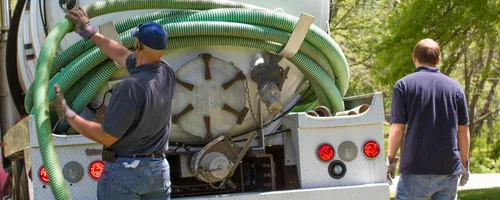
Honey-Wagon Septic And Grease is a family-owned company based near Kansas City, MO, specializing in septic tank pumping, grease trap cleaning, and septic system repairs. With nearly 40 years of experience, they serve both residential and commercial customers across Miami, Wyandotte, and Johnson counties in Kansas, as well as Jackson and Cass counties in Missouri. Their certified septic inspectors are available five days a week to assist with inspections and maintenance. The company is fully licensed, bonded, and insured, offering services such as septic tank pumping, holding tank pumping, septic system repairs, and installation of septic risers.
A-1 Sewer & Septic
1891 Merriam Ln, Kansas City, KS 66106
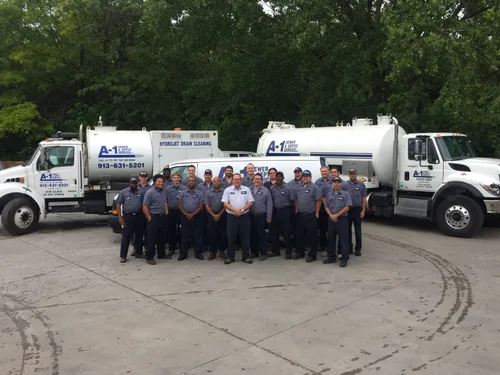
A-1 Sewer & Septic provides plumbing and septic system services in Kansas City, MO. They offer septic tank pumping, septic system repair, drain field repair, and comprehensive drain cleaning services including hydro jetting. Serving residential, commercial, and industrial clients, A-1 Sewer & Septic has been operating since 1968. The company offers same-day emergency and weekend services to address urgent plumbing and septic issues promptly.

Zoom Drain KC
5600 N Antioch Rd Suite 106, Kansas City, MO 64119
Zoom Drain KC is a drain and sewer service company located in Kansas City, MO. They specialize in residential and commercial drain cleaning, sewer repairs, septic tank pumping, and inspections. The company uses advanced equipment such as video inspection tools and high-pressure jetting to diagnose and clear blockages efficiently. With decades of experience, Zoom Drain KC offers tailored maintenance plans and complies with local plumbing regulations to ensure safe and effective service. They also provide 24/7 emergency drain and rooter services for urgent plumbing needs.
Septic Kings
Kansas City, MO
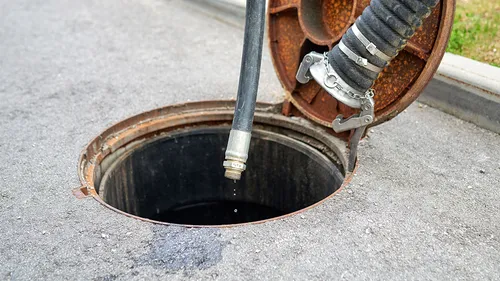
Septic Kings is a family-owned septic tank service company based in Kansas City, MO. They offer comprehensive septic system maintenance, inspections, repairs, locating, and cleaning services. Their team uses advanced technology such as Wi-Fi pipe cameras to inspect and map septic systems, ensuring thorough diagnostics and effective repairs. Septic Kings serves a wide area including multiple cities in Missouri and Kansas. The company emphasizes clear communication, transparent quoting, and final system testing to confirm proper operation after service. They also provide ongoing maintenance advice tailored to local conditions.
Digger Jim
Kansas City, MO
Digger Jim is a family-owned septic service provider based in Kansas City, MO, serving Leavenworth and Wyandotte counties. With over 35 years of experience, they offer a range of services including septic tank pumping, inspection, repair, installation, and pre-installation evaluations. Their skilled team is fully licensed and insured, focusing on maintaining system efficiency and compliance with local regulations. Digger Jim also provides septic inspections for real estate transactions to support informed decisions.
Understanding Your Septic System in Olathe
A septic system is an on-site wastewater treatment structure common in areas without centralized sewer service. It consists of a septic tank and a drainfield (or leach field). The tank, typically buried in your yard, holds wastewater from your home, allowing solids to settle as sludge while oils and grease float to the top as scum. The liquid effluent then flows out to the drainfield for further treatment in the soil.
In Olathe and throughout Johnson County, the proper functioning of this system is not just a matter of convenience-it's a matter of public and environmental health. A failing system can lead to sewage backups in your home, foul odors, and the contamination of nearby wells, streams, and groundwater 1. Regular maintenance, primarily through scheduled septic tank cleaning and septic system inspection, is the most effective way to ensure longevity and compliance with local health codes.
Local Regulations: Johnson County Department of Health and Environment (JCDHE)
All septic system maintenance in Olathe falls under the jurisdiction of the Johnson County Department of Health and Environment. The JCDHE sets the standards for installation, repair, and maintenance to protect water quality.
A key regulation is that all septic tank pumping must be completed by a JCDHE-licensed contractor. Hiring a licensed professional ensures the work is done correctly, waste is disposed of at approved facilities, and any necessary paperwork is filed with the county. Perhaps the most critical county rule for homeowners is the mandatory resale inspection. When you sell or transfer property with a septic system, JCDHE requires a formal inspection by one of their Environmental Health Specialists. For this inspection, the tank must be pumped and accessible by a licensed contractor beforehand.
How Often Should You Pump Your Septic Tank?
There is no one-size-fits-all answer, but general guidelines provide a solid starting point. The Kansas Department of Health and Environment (KDHE) and the EPA recommend septic tanks be inspected every 1-3 years and pumped every 3-5 years 2. However, the exact septic service interval for your home depends on several factors:
- Household Size and Water Usage: More people generally mean more wastewater and solids, requiring more frequent tank pumping. A family of four with a 1,000-gallon tank will typically need pumping every 2-3 years 3.
- Tank Size: A smaller tank fills with solids faster than a larger one.
- Garbage Disposal Use: Using a garbage disposal significantly increases the amount of solids entering the tank, potentially necessitating pumping every 1.5-2 years.
- Amount of Solids in Wastewater: What goes down your drains directly impacts accumulation.
The most reliable method is to have your tank inspected by a licensed pumper. They will measure the sludge and scum layers inside your tank. A common rule is that it's time to pump when the sludge layer is within 12 inches of the outlet baffle or when the combined depth of scum and sludge exceeds 25% of the tank's liquid depth 4 5. After your first professional inspection, the contractor can recommend a personalized schedule for future septic tank maintenance.
Find the perfect septic tank pumping contractors for your needs
Get personalized recommendations and expert advice
What to Expect During a Professional Pumping Service
When you hire a licensed professional for septic tank cleaning in Olathe, a comprehensive service should include more than just removing the waste. Here's what a thorough job entails:
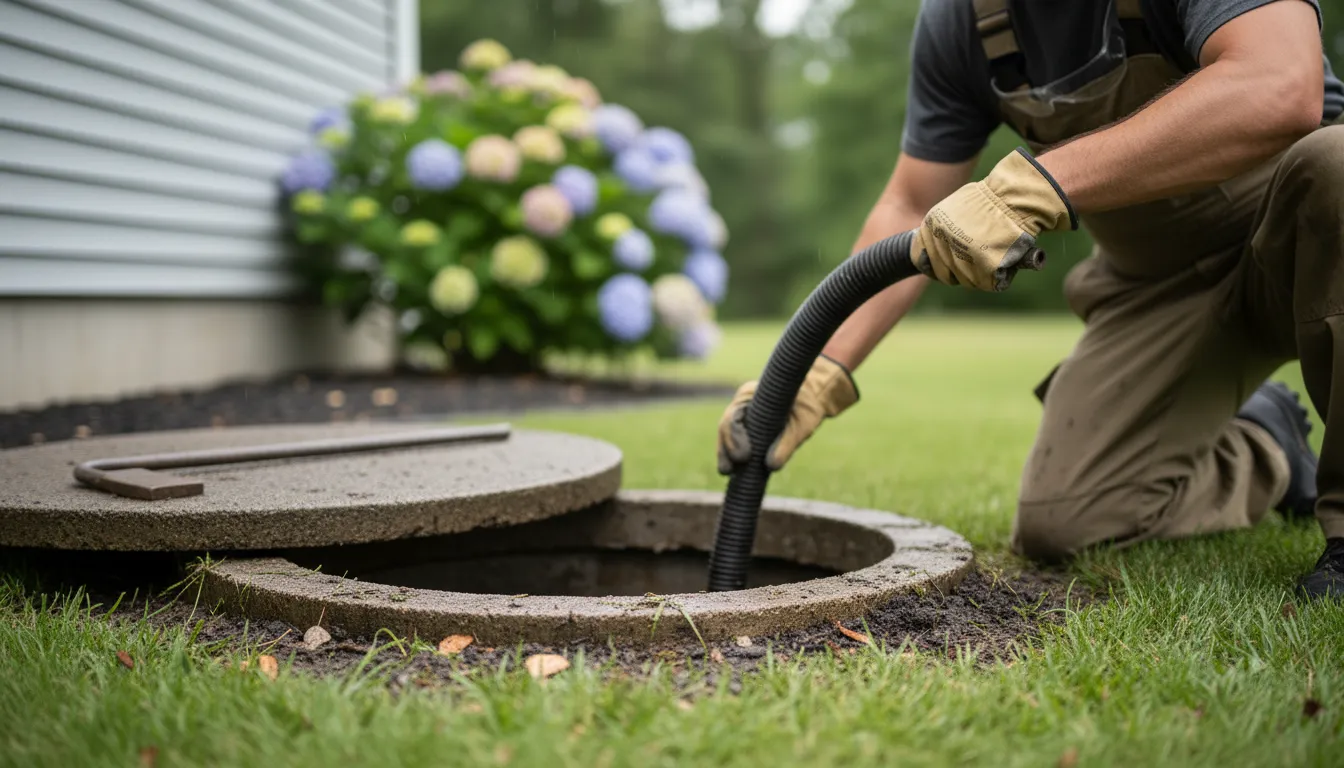
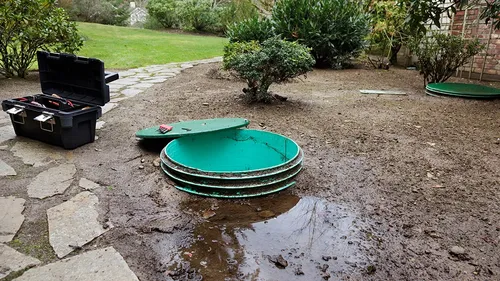
- Locating and Uncovering the Tank: The technician will locate the tank's main access manhole (it's helpful if you have a map of your system) and excavate to uncover it for access 6.
- Pumping: Using a large tank truck, all contents (sludge, scum, and effluent) are vacuumed out and transported for proper disposal.
- Inspection: While the tank is empty, the interior should be inspected for cracks, the condition of the inlet and outlet baffles (or tees), and any structural issues. The drainfield area should also be checked for signs of surfacing effluent or soggy ground, which indicate problems.
- Effluent Filter Cleaning: If your tank has an effluent filter (a device on the outlet that catches additional solids), it should be removed, rinsed clean, and reinstalled 7.
- Reporting: The contractor should provide you with a service report detailing what was done, the condition of your system, and any recommendations. For a resale inspection, they will provide documentation for the JCDHE inspector.
Cost of Septic Tank Pumping in Olathe
The average cost for septic tank pumping in the Olathe area generally ranges from $300 to $700 8. Several factors influence the final price:
- Tank Size: Pumping a 1,500-gallon tank costs more than a 750-gallon tank.
- Sludge Accumulation: A heavily neglected tank with excessive solids may require more time and effort.
- Accessibility: If the tank lid is buried deep, covered by a patio, or difficult for the truck to reach, additional labor for digging or using longer hoses will increase the cost.
- Additional Services: Inspections, filter cleaning, or minor repairs are typically extra.
While price is a consideration, the contractor's license, reputation, and thoroughness are more critical for protecting your long-term investment.
Critical Safety and Maintenance Tips
- Never Enter a Septic Tank: Toxic gases like methane and hydrogen sulfide can cause unconsciousness and death within minutes. Leave all interior inspections to professionals with proper safety equipment 9.
- Keep a System Map: Know where your tank and drainfield are located and keep the area accessible. Avoid parking or building over any part of the system.
- Conserve Water: Fix leaks and spread out laundry loads to avoid overloading the system.
- Mind What You Flush: Only human waste and toilet paper should go down the toilet. Avoid chemicals, grease, diapers, wipes (even "flushable" ones), and coffee grounds.
- Landscape Carefully: Plant only grass over your drainfield. Tree and shrub roots can clog and damage the lines.
- Repairs Require Permits: Any repair to your septic system requires a permit from JCDHE 10. Always use a licensed installer.
- Proper Abandonment: If you connect to a new sewer line or replace your system, the old tank must be properly pumped out and either removed or filled in with approved materials according to JCDHE guidelines 11.
Signs Your Septic Tank Needs Attention
Don't wait for a complete failure. Watch for these warning signs that your system may need pumping or repair:
- Slow drains or sewage backups in your home.
- Gurgling sounds in your plumbing.
- Unpleasant odors around the tank or drainfield area.
- Exceptionally lush, green grass or soggy, spongy ground over the drainfield.
- Standing water or surfacing sewage in your yard.
If you notice any of these, contact a licensed septic service provider immediately to assess the situation.
Frequently asked questions
Sources
Footnotes
-
Failing Systems - Johnson County Kansas - https://www.jocogov.org/department/environment/septic-systems/failing-systems ↩
-
Frequent Questions on Septic Systems | US EPA - https://www.epa.gov/septic/frequent-questions-septic-systems ↩
-
Determining Cesspool Pumping Frequency: 4 Essential Guidelines - https://jetcesspoolservice.com/determining-the-ideal-cesspool-pumping-frequency-a-comprehensive-guide/ ↩
-
MF947 Septic Tank Maintenance: A Key to Longer Septic System Life - https://www.renocountyks.gov/media/Document%20Center/Departments/Public%20Works/Environmental%20Division/Resources/KSU%20Septic%20Tank%20Maintenance%20A%20Key%20to%20Longer%20Septic%20System%20Life%20MF947.pdf ↩
-
How to Care for Your Septic System | US EPA - https://www.epa.gov/septic/how-care-your-septic-system ↩
-
Resales | Johnson County Kansas - https://www.jocogov.org/department/environment/septic-systems/resales ↩
-
Caring For Your Septic System | De Soto, KS - https://www.desotoks.us/266/Caring-For-Your-Septic-System ↩
-
How Often to Pump Septic Tank: 2026 Maintenance Guide - https://dandhsepticservices.com/how-often-to-pump-septic-tank/ ↩
-
Septic Systems | Johnson County Kansas - https://www.jocogov.org/department/environment/septic-systems ↩
-
Septic Tank Maintenance - KDHE.ks.gov - https://www.kdhe.ks.gov/DocumentCenter/View/8952/Septic-Tank-Maintenance-Updated-PDF ↩
-
Decommissioning Tanks - Johnson County Kansas - https://www.jocogov.org/department/environment/septic-systems/decommissioning-tanks ↩