Find the Best Septic Tank Pumping Contractors for Your Business
No obligation • Fast responses • Nationwide coverage

Why you can trust Septic Spot
Septic Spot is a leading United States resource for understanding and comparing septic services. Our editors review providers using consistent criteria and verify key business details. Listings and scores are independent, and companies cannot pay to influence our content.
Search providers near you
Top Septic Tank Pumping Contractors in Overland Park, Kansas Ranked
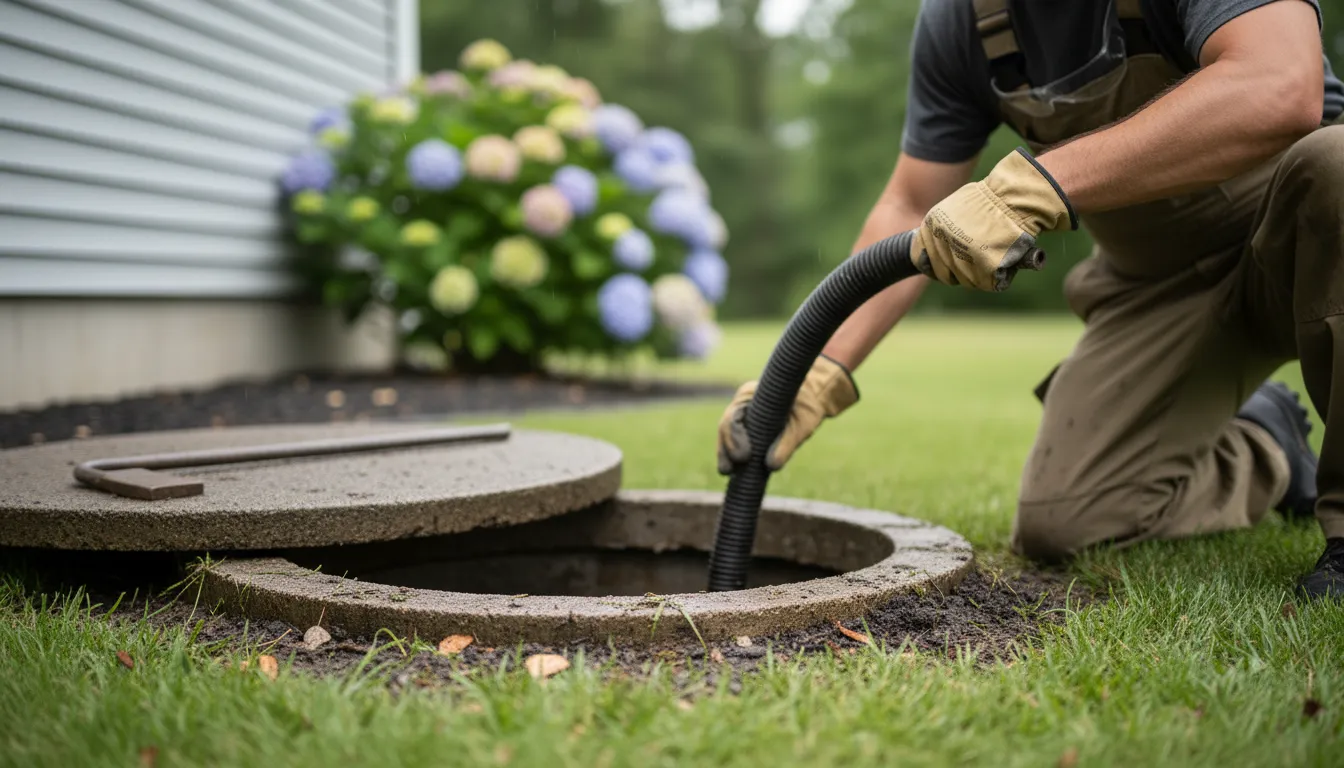
Regular septic tank pumping is a critical part of home maintenance for properties not connected to municipal sewer lines. This essential service removes accumulated solids from your tank, preventing system backups, costly repairs, and protecting local groundwater from contamination. For Overland Park homeowners, navigating local regulations and finding a reliable provider is key to ensuring your system functions properly for years to come. This guide explains the specifics of septic maintenance in Johnson County, including recommended schedules, local costs, and how to connect with licensed professionals for your pumping needs.
Honey-Wagon Septic And Grease
19546 Metcalf Ave c, Stilwell, KS 66085
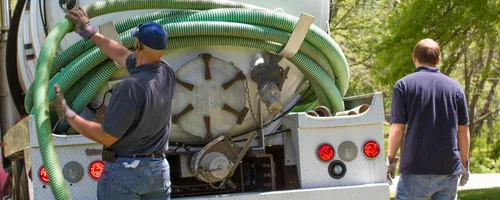
Honey-Wagon Septic And Grease is a family-owned company based near Kansas City, MO, specializing in septic tank pumping, grease trap cleaning, and septic system repairs. With nearly 40 years of experience, they serve both residential and commercial customers across Miami, Wyandotte, and Johnson counties in Kansas, as well as Jackson and Cass counties in Missouri. Their certified septic inspectors are available five days a week to assist with inspections and maintenance. The company is fully licensed, bonded, and insured, offering services such as septic tank pumping, holding tank pumping, septic system repairs, and installation of septic risers.
A-1 Sewer & Septic
1891 Merriam Ln, Kansas City, KS 66106
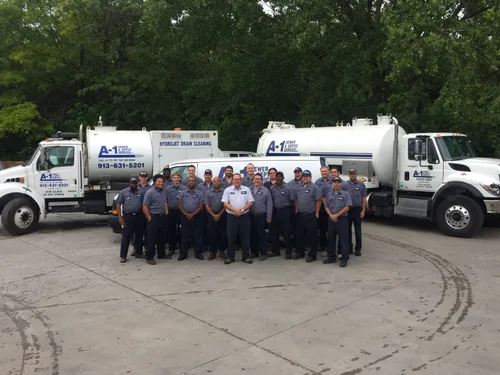
A-1 Sewer & Septic provides plumbing and septic system services in Kansas City, MO. They offer septic tank pumping, septic system repair, drain field repair, and comprehensive drain cleaning services including hydro jetting. Serving residential, commercial, and industrial clients, A-1 Sewer & Septic has been operating since 1968. The company offers same-day emergency and weekend services to address urgent plumbing and septic issues promptly.
Zoom Drain KC
5600 N Antioch Rd Suite 106, Kansas City, MO 64119
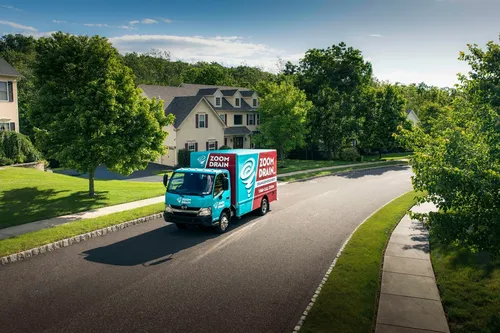
Zoom Drain KC is a drain and sewer service company located in Kansas City, MO. They specialize in residential and commercial drain cleaning, sewer repairs, septic tank pumping, and inspections. The company uses advanced equipment such as video inspection tools and high-pressure jetting to diagnose and clear blockages efficiently. With decades of experience, Zoom Drain KC offers tailored maintenance plans and complies with local plumbing regulations to ensure safe and effective service. They also provide 24/7 emergency drain and rooter services for urgent plumbing needs.
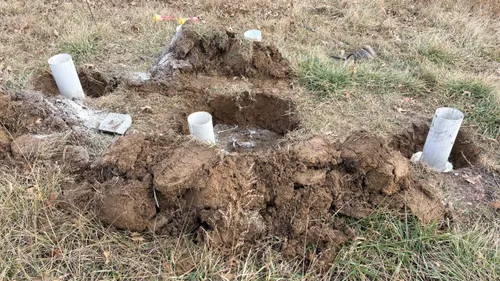
H & H Septic Service
Kansas City, MO
H & H Septic Service is a septic tank pumping and repair company based in Kansas City, MO. They offer a wide range of septic tank and grease trap services, equipped to handle jobs of any size or difficulty. With many years of experience, they address septic problems efficiently to prevent emergencies.
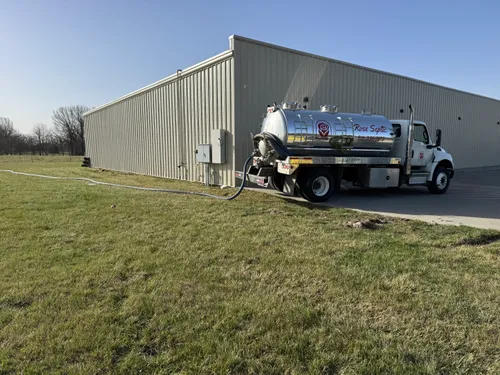
Rose Septic Tank Cleaning Inc
9217 S Litchford Rd, Grain Valley, MO 64029
Rose Septic Tank Cleaning Inc is a family-owned business serving Kansas City, MO, with septic tank pumping and inspection services. Established in 1950, the company offers comprehensive septic system care including locating tanks, real estate septic inspections, riser and lid installations, and routine pumping to maintain system health. Their licensed professionals use advanced equipment to ensure accurate service and help clients understand their septic systems. Rose Septic Tank Cleaning Inc emphasizes eco-friendly practices and provides emergency services to prevent costly backups and protect property value.
Understanding Your Septic System in Johnson County
A septic system is an on-site wastewater treatment structure, commonly used in areas without centralized sewer service. In Overland Park, these systems are regulated by the Johnson County Department of Health and Environment (JCDHE). The system typically consists of a septic tank, where solids settle and begin to decompose, and a drain field, where the treated liquid effluent is dispersed into the soil. Regular septic tank cleaning is not just a suggestion-it's a necessity to prevent system failure, which can lead to sewage backups in your home or contamination of the environment.
Proper maintenance protects your investment and is a requirement. For instance, JCDHE mandates a professional inspection of private sewage systems upon the transfer of a property, which must be completed within 60 days of purchase. This resale inspection often includes verifying that the tank has been pumped and is in good working order.
How Often Should You Pump Your Septic Tank?
There is no one-size-fits-all schedule for septic tank emptying. The general rule provided by the U.S. Environmental Protection Agency is to have your tank inspected every 1 to 3 years and pumped every 3 to 5 years. However, several factors specific to your household can necessitate more frequent service:
- Tank Size: Smaller tanks (under 1,000 gallons) fill with solids more quickly and require more frequent pumping 1.
- Household Size: A home with four or more occupants generates more wastewater and solid waste, accelerating the accumulation in the tank 2.
- Garbage Disposal Use: Using a garbage disposal significantly increases the amount of solids entering the tank, potentially requiring pumping every 1-2 years 3.
- System Type: Alternative systems, like aerobic treatment units with pumps or electrical components, require more frequent inspections, often annually 4.
An inspection by a licensed professional is the best way to determine your tank's specific pumping needs. They can measure the sludge and scum layers to provide a precise recommendation 5.
The Septic Pumping Process: What to Expect
A professional septic service involves more than just removing waste. A proper pump-out in Overland Park follows specific guidelines to ensure a thorough job and protect your system's components.
- Locating and Accessing the Tank: The service begins with locating the tank's main manhole. If the manhole is buried, it must be uncovered by the homeowner prior to the service professional's arrival. JCDHE recommends installing a riser to bring the manhole to the surface for easier future access 6. If digging is required, it can add to the service cost, typically billed at around $175 per hour with a two-hour minimum.
- Pumping and Inspection: The tank should be pumped through the large manhole, not the smaller inspection ports, to ensure all sludge and scum are completely removed 7. During this process, the contractor will also inspect the inlet and outlet baffles (or tees) for damage and clean the effluent filter if your system has one. Checking these components is crucial for preventing solids from clogging your drain field.
- Proper Disposal: In Johnson County, only licensed sanitary disposal contractors are permitted to pump and haul septage. The waste must be transported to a JCDHE-designated disposal site, ensuring it is handled in an environmentally safe manner 8.
Cost of Septic Pumping in Overland Park
The cost for septic tank maintenance in the Overland Park area can vary based on several factors. The standard price range for a routine pump-out is typically between $290 and $700.
- By Tank Size: Pumping a standard 1,000-gallon tank often costs between $350 and $500 9. For larger systems of 1,250 to 1,500 gallons, you can expect to pay between $450 and $650 10.
- Additional Cost Factors:
- Digging/Locating: As mentioned, if the tank lid is not exposed, excavation costs will apply.
- Overdue Pumping: If a tank has gone more than 7 years without service, hardened solids may require extra labor, potentially adding $100 to $200 to the bill 11.
- Accessibility: If your tank is located more than 150 feet from where the service truck can park, an extra hose charge (around $50) may apply.
- Winter Service: Pumping during the winter months (November through March) may incur an additional $50-$100 fee due to the challenges of excavating frozen ground 12.
Find the perfect septic tank pumping contractors for your needs
Get personalized recommendations and expert advice
Local Regulations and Permits in Johnson County
Compliance with local health department rules is essential. JCDHE oversees all septic system installation, repair, and maintenance in Overland Park 13. Key regulations include:
- Licensing: Any contractor performing septic tank pumping, repair, or installation in Johnson County must hold the appropriate license from JCDHE 14. Always verify a provider's license before hiring them.
- Permits: A permit from JCDHE is required for any repairs, modifications, or the construction of a new system. Unpermitted work can lead to fines and complications when selling your home.
- Resale Inspection: This mandatory inspection checks the system's functionality and compliance. Having recent maintenance records, including pumping receipts, can streamline this process.
Maintaining Your System Between Pumpings
Proper care extends the time between necessary pump-outs and protects your drain field.
- Conserve Water: Fix leaks and spread out laundry loads to avoid overwhelming the system.
- Mind What You Flush: Only flush human waste and toilet paper. Never flush non-biodegradable items like wipes, feminine hygiene products, or paper towels 15.
- Use Septic-Safe Products: Avoid pouring grease, harsh chemicals, paints, or heavy detergents down the drain. Excessive use of bleach or antibacterial soaps can kill the beneficial bacteria in your tank that break down solids 16.
- Protect Your Drain Field: Never park vehicles or build structures over the drain field. Keep roof drains and sump pumps directed away from the area.
Finding a Qualified Service Provider
For a list of licensed, qualified professionals, homeowners should contact the Johnson County Environmental Health Division 17. When evaluating providers, look for companies with strong local reputations, proper JCDHE licensing, and clear, upfront pricing. A reputable service will be able to explain the process, provide a detailed invoice, and note any observations about your system's condition during the service.
Frequently asked questions
Sources
Footnotes
-
Maintenance Tips for 1000-Gallon Septic Tanks - https://allproseptictexas.com/2021/01/maintenance-tips-for-1000-gallon-septic-tanks/ ↩
-
Septic Tank Maintenance: A Key to Longer Septic System Life - https://bookstore.ksre.ksu.edu/pubs/septic-tank-maintenance-a-key-to-longer-septic-system-life_MF947.pdf ↩
-
How to Care for Your Septic System | US EPA - https://www.epa.gov/septic/how-care-your-septic-system ↩
-
Frequent Questions on Septic Systems | US EPA - https://www.epa.gov/septic/frequent-questions-septic-systems ↩
-
How Often Should You Pump Your Home Septic Tank? - https://www.wrenvironmental.com/blog/2018/january/how-often-should-you-pump-your-home-septic-tank-/ ↩
-
Resales | Johnson County Kansas - https://www.jocogov.org/department/environment/septic-systems/resales ↩
-
Septic Tank Maintenance - KDHE.ks.gov - https://www.kdhe.ks.gov/DocumentCenter/View/8952/Septic-Tank-Maintenance-Updated-PDF ↩
-
Failing Systems - Johnson County Kansas - https://www.jocogov.org/department/environment/septic-systems/failing-systems ↩
-
Septic Pumping in Overland Park, KS - WasteDoor - https://wastedoor.com/kansas/overland-park/septic-pumping ↩
-
Kansas City Plumbing Prices | A-1 Sewer & Septic - https://a-1sewerandsepticservice.com/kansas-city-plumbing-prices/ ↩
-
Septic Tank Emptying Costs (2025): Average Prices & Factors | Blog - https://www.blueribbonseptic.com/blog/septic-tank-emptying-costs-2025 ↩
-
Septic Pumping Cost by State: 2024 Complete Price Guide - https://wastedoor.com/article/septic-pumping-cost-by-state ↩
-
Overland Park transitions septic and swimming pool oversight to Johnson County - City of Overland Park, Kansas - https://www.opkansas.org/newsroom/overland-park-transitions-septic-and-swimming-pool-oversight-to-johnson-county/ ↩
-
Contractor Installer Licensing - Johnson County Kansas - https://www.jocogov.org/department/environment/septic-systems/contractor-installer-licensing ↩
-
SEPTIC TANKS - KDHE - https://www.kdhe.ks.gov/DocumentCenter/View/8966/Septic-Tanks-PDF ↩
-
How Long Does Waste In Septic Tanks Take To Decompose? - https://sepurahome.com/blogs/guides/how-long-does-waste-in-septic-tanks-take-to-decompose ↩
-
Septic Systems | Johnson County Kansas - https://www.jocogov.org/department/environment/septic-systems ↩