
Find the Best Septic Tank Pumping Contractors for Your Business
No obligation • Fast responses • Nationwide coverage

Why you can trust Septic Spot
Septic Spot is a leading United States resource for understanding and comparing septic services. Our editors review providers using consistent criteria and verify key business details. Listings and scores are independent, and companies cannot pay to influence our content.
Search providers near you
Top Septic Tank Pumping Contractors in Brookline, Massachusetts Ranked
Maintaining a healthy septic system is a critical responsibility for homeowners in Brookline. Regular septic tank pumping is the cornerstone of this maintenance, preventing system failures, protecting public health, and ensuring compliance with Massachusetts' strict environmental regulations. This guide explains why this service is essential, outlines local requirements, and provides practical advice for finding qualified professionals to keep your system functioning properly for years to come.
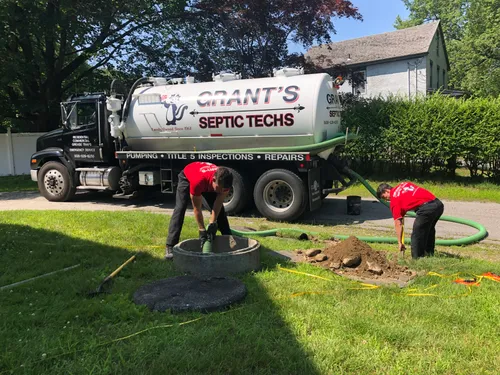
Grant's Septic Techs
5 Farm St, Upton, MA 01568
Grant's Septic Techs is a family-owned septic tank pumping company serving Worcester, MA. They provide septic tank pumping services with a focus on thorough and honest work. The company is known for careful yard restoration after service and clear communication throughout the process.

Rooterman
67 Andover Rd, Billerica, MA 01821
Rooterman is a septic tank pumping, inspection, repair, and installation company serving Boston, MA. With over 50 years of experience since 1970, they provide residential and commercial septic services including certified Title V inspections and sewer and drain maintenance. Their team is licensed and insured, offering same-day service for most non-emergency issues and supporting property owners in maintaining safe and compliant septic systems.
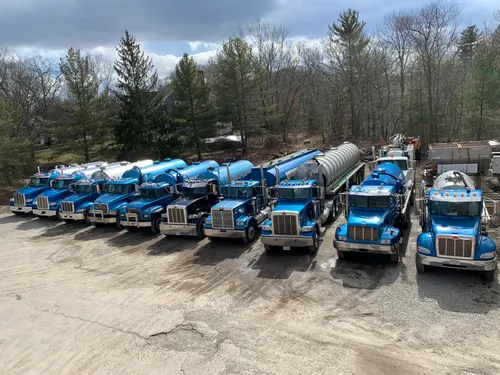
Rosano Davis Sanitary Pumping Inc
9 Rocky Ln, Cohasset, MA 02025
Rosano Davis Sanitary Pumping Inc is a family-owned septic system company serving Boston, MA. They provide a full range of services including septic system pumping, inspection, repair, and new system installation. Their capabilities include electronic locating of septic tanks and covers to minimize property disruption, as well as color video pipe inspection and high-pressure washing of leaching lines. The company manages all aspects of septic system installation, from excavation to landscaping, using their own equipment to ensure a complete service.
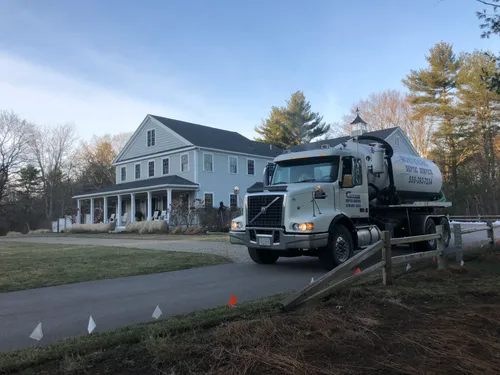
Northboro / Curtis Septic Service
124 Main St, Northborough, MA 01532
Northboro / Curtis Septic Service is a septic contractor based in Worcester, MA, offering a range of services including septic system installation, repair, pumping, cleaning, and maintenance for both residential and commercial clients. They also provide septic to town sewer conversions and Title 5 inspections across Worcester County and several surrounding counties. The company maintains strong relationships with local Boards of Health to ensure compliance and quality service.

Lakeside Sewerage Services Inc
780 N Bigelow St, Marlborough, MA 01752
Lakeside Sewerage Services Inc is a family and woman-owned business providing septic tank pumping and inspection services in Worcester, MA. Serving MetroWest and Central Massachusetts, they offer residential and commercial septic system maintenance, including licensed Title 5 inspections. Established in 1958, Lakeside Sewerage Services has over 60 years of experience in septic system cleaning and maintenance. They also provide emergency services to address urgent septic needs promptly.
Understanding Your Septic System in Brookline
A septic system is an on-site wastewater treatment structure, typically consisting of a tank and a soil-based drainfield (or leach field). All waste from your home flows into the septic tank, where solids settle to the bottom as sludge, and fats and oils float to the top as scum. The liquid effluent in the middle layer then flows out to the drainfield for further natural treatment by the soil. Over time, the sludge and scum layers accumulate. If not removed through regular septic tank cleaning, these solids can overflow into the drainfield, causing clogs, backups, and costly environmental damage 1.
In Brookline, all septic systems are governed by the Massachusetts State Environmental Code, commonly known as Title 5. This comprehensive regulation sets standards for system design, installation, inspection, and maintenance to protect groundwater and public health. Adherence to these rules isn't just a recommendation-it's a legal requirement for every property owner with an on-site system.
Massachusetts Title 5: The Legal Framework for Pumping
Title 5 establishes clear mandates for septic system maintenance. The most critical rule for homeowners is the requirement for regular septic tank emptying. For a standard residential system, the Massachusetts Department of Environmental Protection (MassDEP) mandates that the tank be pumped at least every three years. This frequency is not arbitrary; it's based on the average rate of solids accumulation that allows a system to operate safely without risking a failure.
There are important exceptions that require more frequent service. If your household uses a garbage disposal, the state recommends pumping the tank annually. Disposals significantly increase the volume of solids entering the tank, accelerating sludge buildup. Similarly, larger households or systems that see higher-than-average water usage may also benefit from a pumping schedule more frequent than the three-year minimum. A professional inspection is the best way to determine the ideal schedule for your specific home 2.
The Cost of Septic Tank Pumping in Brookline
Understanding the potential costs helps homeowners budget for this essential maintenance. In the Brookline and greater Boston area, the price to pump a septic tank can vary based on several factors, including tank size, accessibility, and the contractor's rates.
For a standard 1,000 to 1,500-gallon tank-common for a single-family home-homeowners can generally expect to pay between $250 and $700 for a routine pumping service 3. Data from local cost reporting services indicates that a typical, non-emergency service call in this region averages between $300 and $500 4. In some cases, particularly for larger tanks or difficult-to-access locations, the cost may reach up to $1,100 3 5.
It's important to view this expense as a proactive investment. The cost of pumping every few years is minimal compared to the expense of repairing or replacing a failed drainfield, which can run into the tens of thousands of dollars.
Find the perfect septic tank pumping contractors for your needs
Get personalized recommendations and expert advice
The Critical Role of Professional Inspections
While pumping removes accumulated waste, a professional inspection assesses the overall health of your entire system. Massachusetts law requires a full Title 5 inspection during property transfer, upon a suspected system failure, or if there is a change in the use of the property (like adding a bedroom). However, experts strongly advise going beyond this legal minimum.
Routine inspections every one to two years are recommended to monitor sludge and scum levels inside the tank and check all system components for signs of wear or failure 6 7. A proper inspection involves opening all manholes and inspection ports to evaluate the tank's baffles, inlet, and outlet, and assessing the condition of the drainfield 8 9. These inspections help you schedule pumping precisely when it's needed-not too early, and never too late.
How to Choose a Licensed Septic Service Provider
Selecting the right contractor is crucial. In Massachusetts, all septic haulers (the professionals who pump your tank) must be licensed by the local Board of Health. Always verify this license before hiring. A reputable provider will also carry appropriate insurance and have a good standing with the Brookline Board of Health.
When evaluating companies, ask specific questions:
- Are you licensed by the Brookline Board of Health?
- Will you provide a detailed receipt that includes the volume of septage removed, which is required by law?
- Do you offer both pumping and inspection services?
- Can you explain what you observe during the service regarding my tank's condition?
Be wary of prices that seem unusually low, as they may indicate corner-cutting or improper disposal of waste. The Massachusetts Office of Consumer Affairs offers guidance for homeowners seeking septic services, emphasizing the importance of written contracts and clear cost breakdowns 10.
Best Practices for Septic System Care
Professional maintenance must be paired with responsible daily use. Your septic system maintenance routine should include these key habits:
- Conserve Water: Spread out laundry loads and fix leaky faucets to avoid overwhelming the system.
- Mind What You Flush: Only human waste and toilet paper should go down the drain. Never flush wipes (even "flushable" ones), feminine hygiene products, dental floss, coffee grounds, or cooking grease.
- Use Garbage Disposals Sparingly: As noted, disposals greatly increase solids. Composting food scraps is a septic-friendly alternative.
- Protect the Drainfield: Never park cars or build structures over the leach field. Keep roof drains and sump pumps directed away from this area.
- Avoid Harsh Chemicals: Minimize the use of antibacterial soaps, heavy-duty cleaners, and solvents, which can kill the beneficial bacteria in your tank that break down waste.
Recognizing Signs You Need Service Sooner
Don't wait for a disaster. Contact a professional if you notice any of these warning signs:
- Slow drains throughout the house, especially if plunging or drain cleaners don't help.
- Sewage odors near the septic tank or drainfield, or inside the home.
- Gurgling sounds coming from your plumbing.
- Wet, spongy, or bright green grass over the drainfield, particularly during dry weather.
- Sewage backing up into household drains.
If you experience any of these issues, it may indicate that your tank is full, or worse, that a clog has occurred in the drainfield. Prompt action can prevent more extensive damage.
Long-Term System Health and Environmental Stewardship
A well-maintained septic system is an effective and environmentally sound method of wastewater treatment. For Brookline homeowners, proper care protects the local groundwater, preserves property value, and prevents the spread of waterborne pathogens. By adhering to the Title 5 pumping schedule, investing in routine inspections, and choosing licensed professionals, you ensure your system operates reliably. This proactive approach to septic tank servicing is the most effective strategy for avoiding emergency repairs and contributing to the community's overall environmental health.
Frequently asked questions
Sources
Footnotes
-
Caring for Your Septic System | Mass.gov - https://www.mass.gov/guides/caring-for-your-septic-system ↩
-
Caring for Your Septic System - Barnstable County - https://www.capecod.gov/2025/03/20/septic-haulers-on-cape-cod/ ↩
-
How Much Does It Cost to Pump a Septic Tank in Boston? [2026 Data] - https://www.angi.com/articles/how-much-does-septic-tank-pumping-cost/ma/boston ↩ ↩2
-
Boston Septic Systems Costs & Prices - ProMatcher Cost Report - https://septic-systems.promatcher.com/cost/boston-ma-septic-systems-costs-prices.aspx ↩
-
Cost of Septic Maintenance | Annual Expenses Explained | Blog - https://www.blueribbonseptic.com/blog/cost-of-septic-maintenance ↩
-
Septic Tanks - Preventative Routine Maintenance - https://des.sc.gov/permits-regulations/septic-tanks/homeowner-resources/septic-tanks-preventative-routine-maintenance ↩
-
A Guide to A Homeowners Septic System Manual | GPR, Inc. - https://www.gpr-inc.com/a-guide-to-a-homeowners-septic-system-manual/ ↩
-
Guidance for the Inspection of On-site Sewage Disposal ... - https://www.mass.gov/guides/guidance-for-the-inspection-of-on-site-sewage-disposal-systems ↩
-
Title 5 System Inspector Manual - https://baystatehub.com/wp-content/uploads/2024/05/System-Inspector-Manual.pdf ↩
-
Consumer Protection Tips: Septic System Inspections and Repairs - https://www.mass.gov/guides/consumer-protection-tips-septic-system-inspections-and-repairs ↩