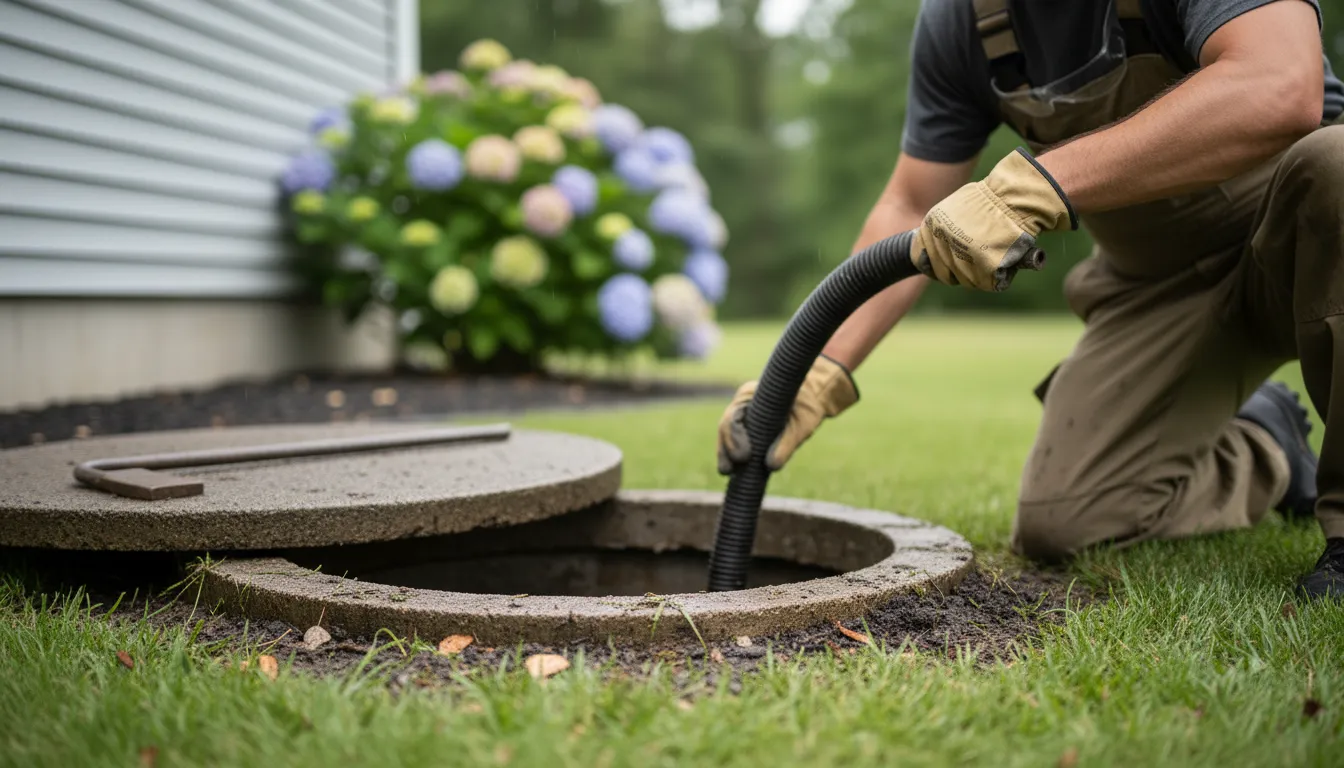
Find the Best Septic Tank Pumping Contractors for Your Business
No obligation • Fast responses • Nationwide coverage

Why you can trust Septic Spot
Septic Spot is a leading United States resource for understanding and comparing septic services. Our editors review providers using consistent criteria and verify key business details. Listings and scores are independent, and companies cannot pay to influence our content.
Search providers near you
Top Septic Tank Pumping Contractors in Worcester, Massachusetts Ranked
Maintaining a healthy septic system is a critical responsibility for homeowners in Worcester. Regular septic tank pumping is the cornerstone of this maintenance, preventing system failures, protecting public health, and safeguarding the local environment. This guide provides essential information on septic system service, including recommended pumping schedules, local regulations, and costs, to help you find qualified professionals for this vital home care task.
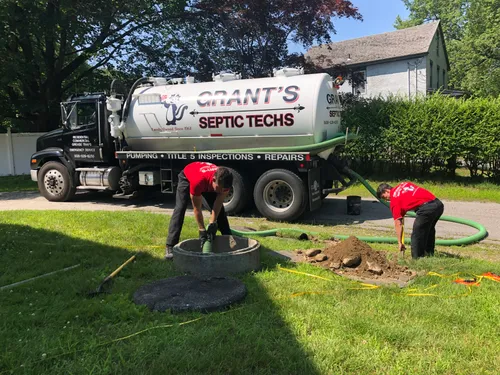
Grant's Septic Techs
5 Farm St, Upton, MA 01568
Grant's Septic Techs is a family-owned septic tank pumping company serving Worcester, MA. They provide septic tank pumping services with a focus on thorough and honest work. The company is known for careful yard restoration after service and clear communication throughout the process.
Wind River Environmental
Worcester, MA
Wind River Environmental is a septic tank pumping company serving Worcester, MA, and the broader Eastern Seaboard area. They provide septic and wastewater services for residential, commercial, industrial, and municipal clients. Their offerings include septic tank pumping, grease trap maintenance, and full-system replacements. The company emphasizes compliance with local environmental regulations and offers 24/7 availability for commercial septic emergencies. Wind River Environmental is part of a larger network of specialized service providers, enhancing their capability to manage complex septic and wastewater needs across various industries.
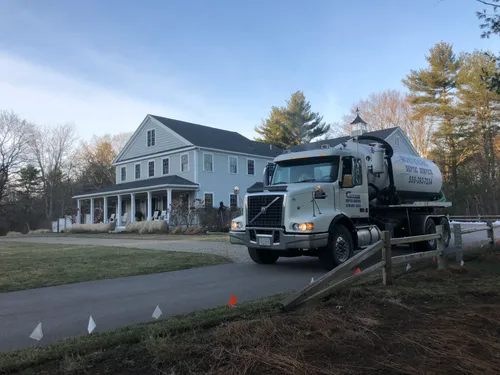
Northboro / Curtis Septic Service
124 Main St, Northborough, MA 01532
Northboro / Curtis Septic Service is a septic contractor based in Worcester, MA, offering a range of services including septic system installation, repair, pumping, cleaning, and maintenance for both residential and commercial clients. They also provide septic to town sewer conversions and Title 5 inspections across Worcester County and several surrounding counties. The company maintains strong relationships with local Boards of Health to ensure compliance and quality service.
Chase Harris Septic Services
85 Dudley Rd, Sutton, MA 01590
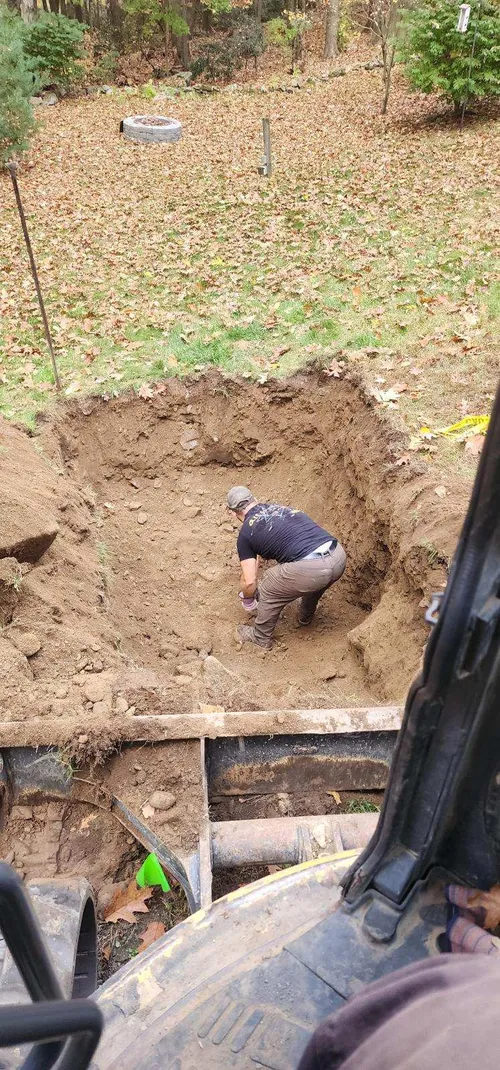
Chase Harris Septic Services is a family-owned business providing septic system maintenance, repair, installation, and inspection services in Worcester, MA. With decades of experience, they serve residential and commercial clients, offering comprehensive septic pumping, Title 5 inspections, and grease trap cleaning. Their team also handles excavation and site preparation to ensure proper system installation and repair. Chase Harris Septic Services is known for meeting local codes and regulations, including Title 5 compliance, and uses advanced equipment to maintain system efficiency and safety.
All In One Drain Cleaning
9A Wellington Rd, Oxford, MA 01540
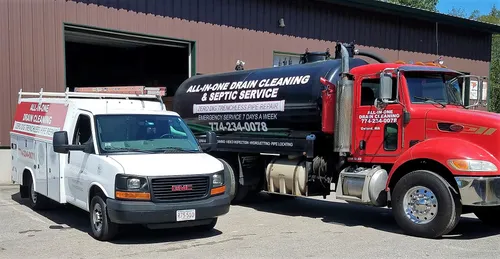
All In One Drain Cleaning is a septic tank pumping company based in Worcester, MA. They provide drain cleaning, sewer and water repair, septic pumping, and pipeline maintenance for both residential and commercial properties. The company has been serving the area since 2009 and offers 24/7 emergency drain services to address urgent issues such as backups or foul odors.
Why Septic System Maintenance is Essential in Worcester
A septic system is an on-site wastewater treatment facility for properties not connected to a municipal sewer line. When functioning correctly, it safely processes household waste. However, solids (sludge) accumulate in the tank over time. If not removed through regular septic tank cleaning, these solids can flow into the drainfield, causing clogs, backups, and costly environmental damage. In Massachusetts, proper maintenance is not just a recommendation-it's a regulatory requirement to protect groundwater, which is a primary drinking water source for many communities 1.
For Worcester residents, a failing system can lead to raw sewage surfacing in the yard, foul odors, and slow-draining fixtures. More seriously, it can contaminate nearby wells and waterways. Proactive septic tank servicing is far less expensive than repairing or replacing a failed drainfield, which can cost tens of thousands of dollars.
Recommended Pumping Frequency for Your Tank
How often you need septic tank emptying depends on several household factors. The general rule for a standard household in Massachusetts is to pump the tank every 3 to 5 years. However, this is a guideline, not a one-size-fits-all schedule. Your specific frequency is determined by:
- Tank Size: Smaller tanks fill with solids faster.
- Household Size: More people generate more wastewater and solid waste.
- Water Usage: High-efficiency appliances reduce flow; excessive water use from leaks or long showers can overload the system.
- Waste Disposal Habits: What you put down the drains significantly impacts accumulation rates.
The most critical adjustment to the standard schedule involves garbage disposals. If your home has a garbage disposal, it is strongly recommended to have the tank pumped annually 2. Disposals grind food waste into fine particles that do not decompose easily in a septic tank, dramatically accelerating sludge buildup.
For large families or homes with high water usage, you may need to consider septic pumping every 1 to 2 years 3. The only way to know for sure is to have the sludge and scum levels measured by a professional during an inspection.
Find the perfect septic tank pumping contractors for your needs
Get personalized recommendations and expert advice
Understanding Massachusetts Title 5 Inspections
A key aspect of septic system oversight in Worcester is the Title 5 inspection. This is a state-mandated inspection required in specific situations, most notably during property transfer. By law, a valid Title 5 inspection certificate must be issued within two years before the transfer or within six months after the transfer if the inspection was done prior to the sale 4.
The inspection is comprehensive, assessing the tank, distribution box, and drainfield for proper function and compliance. It ensures the system poses no threat to public health or the environment. A failed Title 5 inspection can delay or derail a real estate transaction, as it typically requires the seller to upgrade or repair the system to passing standards. Even outside of a sale, having a professional inspection every three years is a wise practice to catch potential issues early 5.
What to Expect: The Pumping Process and Costs
When you hire a licensed professional for septic tank maintenance, the process typically follows these steps:
- Locating and Uncovering: The technician will locate the tank's access manholes. Massachusetts regulations require these manholes to be at grade (at ground level) and at least 20 inches in diameter for proper access 6.
- Inspecting: Before pumping, a quick visual inspection of inlet/outlet baffles and the tank's interior condition may be performed.
- Pumping: A large vacuum truck removes all liquid and solid waste from the tank.
- Cleaning & Final Check: The technician may rinse the tank interior and check components like the effluent filter (if present), cleaning it before replacement.
The cost for this service in the Worcester area typically ranges from $300 to $600, though it can vary 7. The final price depends on:
- Tank Size: A standard 1,000-gallon tank costs less to pump than a 1,500-gallon tank, which can range from $350 to $1,100 or more 8.
- Accessibility: Easy, clear access to the tank lid keeps costs down. Digging or clearing obstacles adds labor time.
- Condition: Excessively full tanks or those with hardened sludge may require more time and effort.
Always get a detailed, written estimate before work begins.
Choosing a Licensed Professional in Worcester
It is imperative to hire a licensed septage hauler approved by the local Board of Health. These professionals understand Worcester County and Massachusetts Department of Environmental Protection regulations. They properly dispose of septage at designated treatment facilities, which is a legal and environmental necessity.
You can contact the Worcester Department of Public Health or your local town Board of Health for a list of approved haulers in your area. When evaluating providers, look for:
- Massachusetts licensure and insurance.
- Good standing with the local Board of Health.
- Clear communication and detailed explanations.
- Willingness to provide references from local customers.
Common Maintenance Mistakes to Avoid
Protecting your investment goes beyond scheduling regular pump-outs. Avoid these common pitfalls:
- Flushing Harmful Materials: Never flush wipes (even "flushable" ones), feminine hygiene products, dental floss, cooking grease, or chemicals. These clog systems and kill essential bacteria.
- Overusing Additives: Avoid septic tank additives claiming to eliminate the need for pumping. According to Massachusetts guidelines, these products cannot make a failing system pass a Title 5 inspection and may actually damage system components.
- Ignoring Water Conservation: Fix leaky faucets and toilets promptly. Spread out laundry loads over the week instead of doing many loads in one day.
- Compacting the Drainfield: Never drive or park vehicles on your drainfield, and avoid planting trees with deep roots nearby.
Signs Your Septic Tank Needs Immediate Attention
Don't wait for a scheduled pump-out if you notice these warning signs:
- Slow Drains: Sinks, tubs, and toilets drain slower than usual.
- Gurgling Sounds: Sounds from plumbing fixtures when flushing or draining.
- Sewage Odors: Unpleasant smells indoors or near the tank/drainfield.
- Wet, Spongy Yard: Soggy ground or standing water over the drainfield, especially when it hasn't rained.
- Sewage Backup: The most severe sign-wastewater backing up into household drains.
If you observe any of these, contact a licensed septic professional immediately to assess the situation.
Long-Term Care for a Healthy System
A well-maintained septic system can last for decades. Consistent care is the key:
- Keep Records: Maintain a log of all pumping dates, inspections, and repairs.
- Map Your System: Know the location of your tank, manholes, and drainfield.
- Protect the Drainfield: Direct roof drains and surface water away from it.
- Use Water Efficiently: Install high-efficiency toilets and showerheads.
By adhering to a proactive maintenance schedule and using the system responsibly, Worcester homeowners can ensure their septic system operates reliably, protecting their property, family, and community.
Frequently asked questions
Sources
Footnotes
-
Consumer Protection Tips: Septic System Inspections and Repairs - https://www.mass.gov/guides/consumer-protection-tips-septic-system-inspections-and-repairs ↩
-
Caring for Your Septic System | Mass.gov - https://www.mass.gov/guides/caring-for-your-septic-system ↩
-
Septic Tank Pumping Frequency: Crucial Maintenance Guide - https://septic911.com/septic-tank-pumping-frequency/ ↩
-
Buying or Selling Property with a Septic System - Mass.gov - https://www.mass.gov/guides/buying-or-selling-property-with-a-septic-system ↩
-
How to Care for Your Septic System | US EPA - https://www.epa.gov/septic/how-care-your-septic-system ↩
-
Title 5 System Inspector Manual - https://baystatehub.com/wp-content/uploads/2024/05/System-Inspector-Manual.pdf ↩
-
Understanding the Average Cost to Pump a Septic Tank - https://www.scorpionsepticservices.com/blog/understanding-the-average-cost-to-pump-a-septic-tank ↩
-
How Much Does it Cost to Pump a Septic Tank? 2026 Price Guide - https://rescueheroplumbing.com/how-much-does-it-cost-to-pump-a-septic-tank ↩