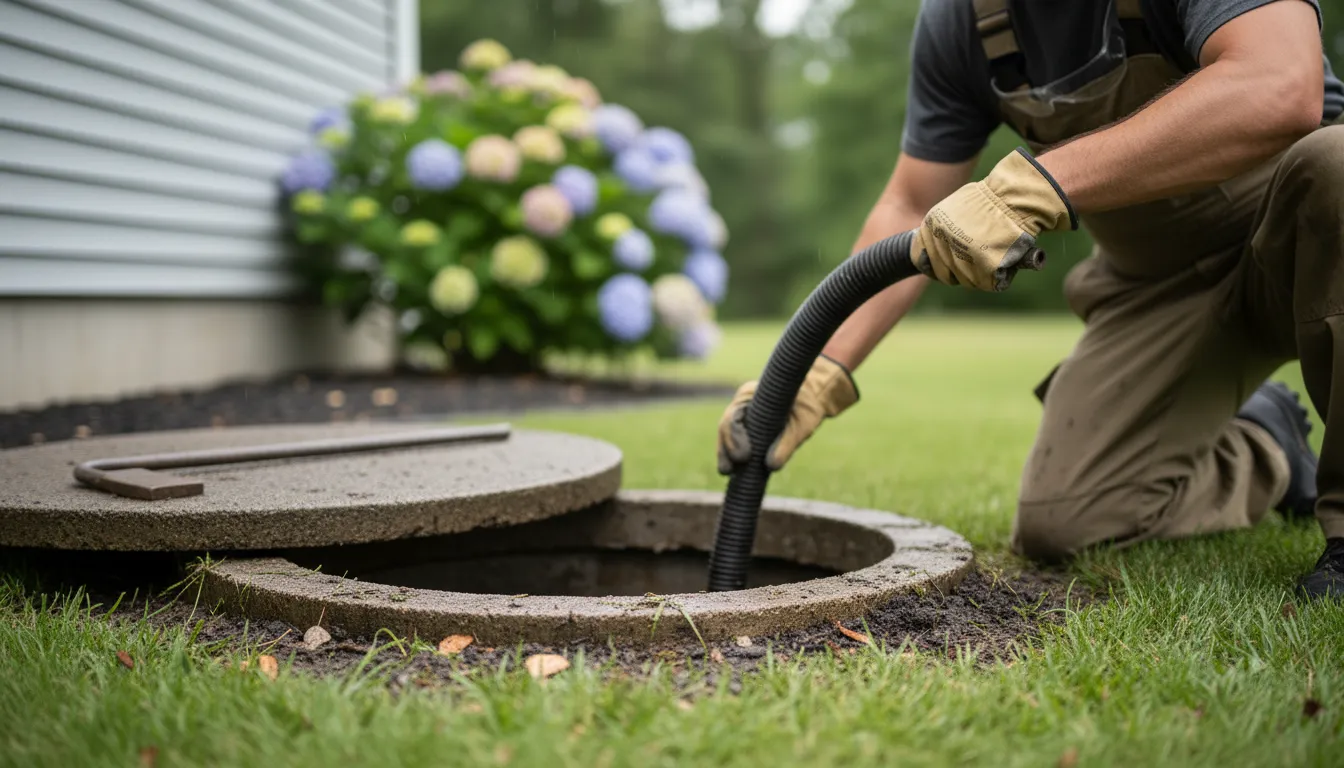
Find the Best Septic Tank Pumping Contractors for Your Business
No obligation • Fast responses • Nationwide coverage

Why you can trust Septic Spot
Septic Spot is a leading United States resource for understanding and comparing septic services. Our editors review providers using consistent criteria and verify key business details. Listings and scores are independent, and companies cannot pay to influence our content.
Search providers near you
Top Septic Tank Pumping Contractors in Lowell, Massachusetts Ranked
Maintaining your septic system is a crucial responsibility for homeowners in Lowell. Regular septic tank pumping is the most important preventative maintenance you can perform to avoid messy, expensive, and environmentally hazardous system failures. This guide explains the local recommendations, costs, and regulations for septic services, helping you understand your system's needs and connect with qualified professionals in the area.
Rooterman
67 Andover Rd, Billerica, MA 01821
Rooterman is a septic tank pumping, inspection, repair, and installation company serving Boston, MA. With over 50 years of experience since 1970, they provide residential and commercial septic services including certified Title V inspections and sewer and drain maintenance. Their team is licensed and insured, offering same-day service for most non-emergency issues and supporting property owners in maintaining safe and compliant septic systems.
Allied Septic & Drain LLC
76 Maple St, Manchester, NH 03103
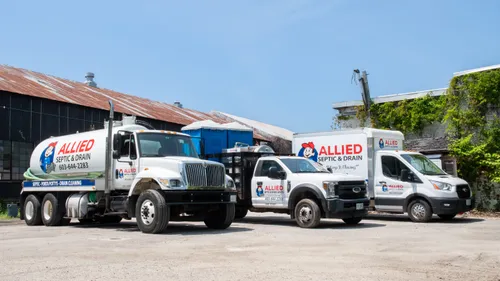
Allied Septic & Drain LLC is a septic tank pumping company based in Manchester, NH. They specialize in septic and grease system services, including pumping and maintenance to support on-site treatment. The company also addresses drain clogs and blockages and offers portable toilet rentals for events and construction sites. With over twenty years of experience, Allied Septic & Drain LLC provides a range of waste management solutions tailored to local needs.
Waste Warriors
Manchester, NH
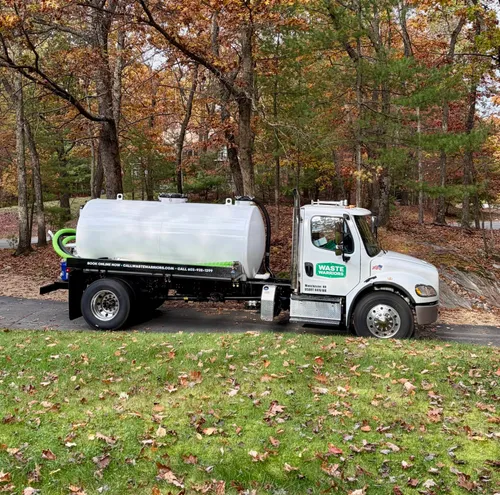
Waste Warriors is a septic tank pumping company based in Manchester, NH, serving both New Hampshire and Massachusetts. They specialize in septic tank pumping and emergency septic services. The company uses hydro jetting equipment to clear clogs and perform preventative maintenance, ensuring efficient septic system operation. Waste Warriors emphasizes cleanliness by using new protective suits for each job.
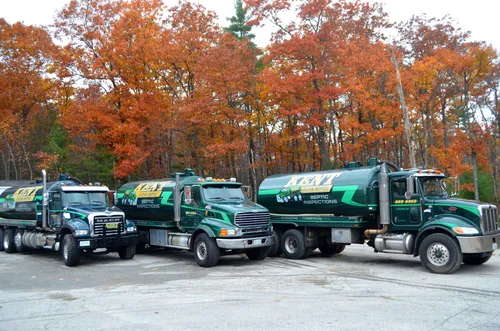
Kent Septic LLC
4 Crane Way # B, Hooksett, NH 03106
Kent Septic LLC is a septic tank pumping and inspection company serving Manchester, NH. They provide pump station installation and repair for private residences, housing complexes, and municipalities. Their services include septic inspections to help homeowners understand system conditions and maintenance tips. Kent Septic also offers jetting services to clean lines up to 300 feet and provides pumping services for homeowners and condo associations.
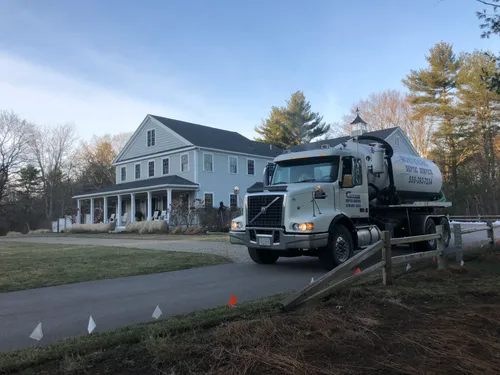
Northboro / Curtis Septic Service
124 Main St, Northborough, MA 01532
Northboro / Curtis Septic Service is a septic contractor based in Worcester, MA, offering a range of services including septic system installation, repair, pumping, cleaning, and maintenance for both residential and commercial clients. They also provide septic to town sewer conversions and Title 5 inspections across Worcester County and several surrounding counties. The company maintains strong relationships with local Boards of Health to ensure compliance and quality service.
Why Septic System Maintenance is Essential in Lowell
A septic system is an on-site wastewater treatment plant for your home. When functioning correctly, it safely processes all the water from your sinks, showers, toilets, and appliances. The tank itself holds solid waste (sludge) and lighter scum, allowing clarified liquid to flow out to the drain field. Over time, the sludge layer builds up. If it isn't removed through regular septic tank cleaning, solids can escape into the drain field, causing clogs, backups, and complete system failure. Proper maintenance protects your property value, your family's health, and local groundwater.
Recommended Pumping Frequency for Lowell Homes
How often you need to schedule septic tank service isn't one-size-fits-all. The Massachusetts Department of Environmental Protection (MassDEP) provides clear guidelines that are the standard for Lowell and surrounding communities.
- Standard Recommendation: MassDEP recommends pumping your septic tank every 3 years to prevent system failure.
- With a Garbage Disposal: If your kitchen has a garbage disposal, the guidance changes. The disposal significantly increases the amount of solids entering the tank. In this case, annual pumping is often advised.
- Key Influencing Factors: Several household-specific factors can necessitate more frequent septic tank emptying:
Ignoring these guidelines is the most common cause of system failure. Think of pumping as an essential investment that avoids repair bills that can run into the tens of thousands of dollars.
Recognizing the Signs You Need Pumping
Don't wait for a disaster. Be proactive by watching for these warning signs that your tank may be reaching capacity or failing:
- Slow Drains: Sinks, showers, and toilets that drain slower than usual, especially if plunging doesn't help.
- Foul Odors: Unpleasant sewage smells inside your home or in the yard near the tank or drain field.
- Standing Water: Soggy, spongy, or pooling water over the drain field, even during dry weather.
- Gurgling Sounds: Strange noises coming from your plumbing.
- Unusually Green Grass: Patches of grass over the drain field that are much lusher and greener than the rest of the lawn, indicating a nutrient-rich effluent leak.
If you notice any of these signs, it's time to contact a local septic pumping company for an inspection and likely a pump-out 3.
Understanding Septic Inspections in Massachusetts
Inspections are a critical part of septic system care and are legally required in specific situations. There are two main types:
1. Title 5 Inspections (Mandatory for Property Transfer) Massachusetts Title 5 is a strict state environmental code governing septic systems. A Title 5 inspection is required whenever a property with a septic system is sold, transferred, or undergoes a major expansion. This inspection must be performed by a state-certified inspector and is far more comprehensive than a routine check. It assesses the entire system's compliance and functionality. A passing report is generally valid for 2 years, or for 3 years if the tank is pumped annually and records are maintained 4 5.
2. Routine Maintenance Inspections Separate from Title 5, homeowners should schedule routine septic system inspections every 1 to 3 years. A maintenance inspector will check the sludge and scum levels in your tank to determine if pumping is needed and look for early signs of wear or damage in the tank, pipes, and drain field. This proactive approach is the best way to catch small issues before they become catastrophic failures 6 7.
Find the perfect septic tank pumping contractors for your needs
Get personalized recommendations and expert advice
The Cost of Septic Tank Pumping in Lowell
The price for septic tank pumping in the Lowell area can vary based on tank size, accessibility, and the specific contractor. Based on recent local market data:
- Average Cost Range: The typical cost for a standard residential pump-out falls between $445 and $583.
- Overall Price Range: Depending on the job's complexity, prices can range from as low as $237 to as high as $953 8 9.
Always get multiple written estimates. The lowest price isn't always the best value; ensure the company is licensed, insured, and has a good local reputation. Some companies offer inspection and pumping service packages that can provide better overall value.
Working with Licensed Professionals and Understanding Additives
For any septic work, always hire a licensed septic service provider. In Massachusetts, septage haulers (pumpers) must be licensed. Your local Lowell Board of Health can often provide lists of licensed contractors in the area.
A common question involves septic tank additives. MassDEP offers a clear caution: No additive can make a failing system pass a Title 5 inspection. While some bacterial additives are approved for use and may help break down solids, they are not a substitute for regular pumping and proper care. They cannot repair a clogged drain field or a structurally damaged tank 10.
Long-Term Care for Your Lowell Septic System
Pumping is the cornerstone of maintenance, but overall system health requires mindful daily use:
- Conserve Water: Spread out laundry loads and fix leaky faucets to avoid hydraulically overloading the system.
- Mind What You Flush: Only human waste and toilet paper should go down the toilet. Never flush wipes (even "flushable" ones), feminine hygiene products, diapers, or cooking grease.
- Protect the Drain Field: Never park vehicles or build structures over the drain field. Divect roof drains and surface water away from it.
By following these guidelines and adhering to a regular pumping schedule, you can ensure your septic system serves your Lowell home reliably for decades.
Frequently asked questions
Sources
Footnotes
-
How Often Should a Family of 4 Pump Their Septic Tank? - https://www.splashplumbing.com/how-often-to-pump-septic-tank-for-a-family-of-4-essential-maintenance-guidelines/ ↩
-
Septic Tank Pumping Frequency: Crucial Maintenance Guide - https://septic911.com/septic-tank-pumping-frequency/ ↩
-
Frequent Questions on Septic Systems | US EPA - https://www.epa.gov/septic/frequent-questions-septic-systems ↩
-
Buying or Selling Property with a Septic System - Mass.gov - https://www.mass.gov/guides/buying-or-selling-property-with-a-septic-system ↩
-
Title 5 Inspection (Massachusetts Septic System Inspections) - Northboro Septic, Inc.: Septic Installation, Repair & Tank Pumping, Title V Inspections - https://www.northboroseptic.com/about/title-5-inspections/ ↩
-
Caring for Your Septic System | Mass.gov - https://www.mass.gov/guides/caring-for-your-septic-system ↩
-
How Often Should You Pump Your Septic Tank - Hella Water - https://hellawater.com/how-often-should-you-schedule-septic-tank-pumping/ ↩
-
Septic Pumping in Lowell, MA - Costs 01 / 2026 - Homeyou - https://www.homeyou.com/ma/septic-pumping-lowell-costs ↩
-
Septic Tanks - Preventative Routine Maintenance - https://des.sc.gov/permits-regulations/septic-tanks/homeowner-resources/septic-tanks-preventative-routine-maintenance ↩
-
Consumer Protection Tips: Septic System Inspections and Repairs - https://www.mass.gov/guides/consumer-protection-tips-septic-system-inspections-and-repairs ↩