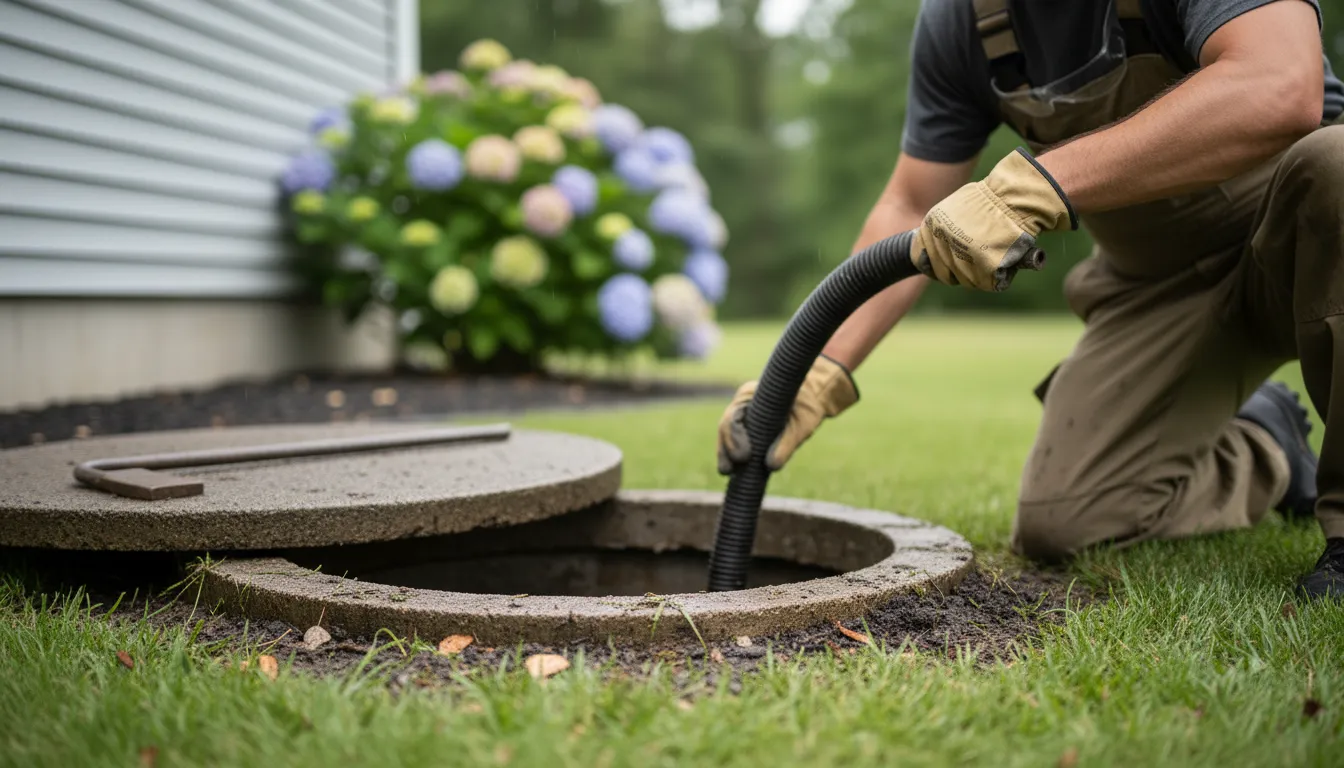
Find the Best Septic Tank Pumping Contractors for Your Business
No obligation • Fast responses • Nationwide coverage

Why you can trust Septic Spot
Septic Spot is a leading United States resource for understanding and comparing septic services. Our editors review providers using consistent criteria and verify key business details. Listings and scores are independent, and companies cannot pay to influence our content.
Search providers near you
Top Septic Tank Pumping Contractors in Fall River, Massachusetts Ranked
Maintaining your septic system is a crucial responsibility for homeowners in Fall River. Regular septic tank pumping is the most important preventative maintenance task you can perform to protect your property, your health, and the local environment. This guide will help you understand the local requirements, recommended schedules, and what to expect when you hire a professional for septic system maintenance, so you can confidently find and compare local service providers.
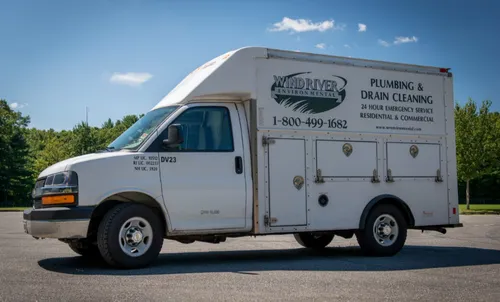
Wind River Environmental of Johnston, RI
141 Shun Pike, Johnston, RI 02919
Wind River Environmental of Johnston, RI provides septic tank pumping, inspection, and repair services in Providence, RI. Serving residential, commercial, and municipal clients, the company offers tailored solutions that comply with local codes and regulations. With a history dating back to 1946, Wind River Environmental brings decades of experience and a broad resource network to handle projects of varying complexity. The company is available 24/7 to address urgent septic and wastewater needs.

A & D Sanitation.
223 Hinchey Ln, Somerset, MA 02726
A & D Sanitation provides septic tank pumping, inspection, and repair services in Providence, RI. The company handles septic system maintenance including pumping, line snaking to clear blockages, and basic repairs such as installing filters, risers, and covers. They also offer yearly bacteria treatments and inspections required for Rhode Island point-of-sale ISDS. Their services include maintaining cesspool tight tanks and providing tank seals and jetting.

Croome Sanitation Inc
26 Hillside Ave, Rehoboth, MA 02769
Croome Sanitation Inc is a family-owned septic service company serving Providence, RI, and the surrounding areas of Southeast Massachusetts and Rhode Island. Established in 1962, the company offers a wide range of septic system services including pumping, Title 5 inspections, sewer camera diagnostics, pump station maintenance, and excavation work. Their expertise extends to wastewater treatment systems, providing comprehensive care to maintain system health and compliance with local regulations. Croome Sanitation also offers same-day and emergency services to address urgent septic needs.
Michael Perri & Sons Septic Service, Inc.
Providence, RI
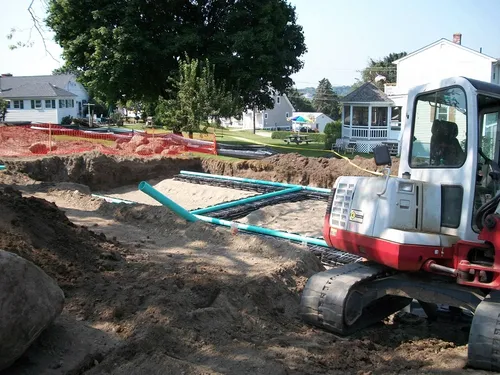
Michael Perri & Sons Septic Service, Inc. is a family-owned and operated septic company serving Providence, RI, and the entire state of Rhode Island. They provide a full range of septic services including routine pumping, cleaning, inspections, repairs, and new system installations. Their skilled team also offers hydro-jetting, backhoe services, enzyme bacteria treatments, and drainage installation to maintain and protect septic systems. With over 50 years of experience and licenses for underground utility work, they handle both residential and commercial septic needs across multiple Rhode Island communities.
Why Septic System Maintenance is Critical in Fall River
A functioning septic system is an unseen but vital part of your home. When properly maintained, it safely treats household wastewater. Neglect, however, can lead to costly and unpleasant consequences. A failing system can cause sewage to back up into your home or surface in your yard, creating health hazards and environmental contamination. In Massachusetts, all septic systems are regulated under the state's Title 5 code, which sets strict standards for inspection and maintenance to protect public health and water resources 1. Proactive care, starting with regular pumping, is far less expensive than emergency repairs or a full system replacement.
Understanding Your Septic System: The Basics
Before diving into pumping schedules, it helps to know what happens inside your tank. When wastewater from your home enters the septic tank, it separates into three layers: scum (oils and fats that float), effluent (the liquid wastewater in the middle), and sludge (solid waste that sinks). Bacteria work to break down some of the solids, but the sludge layer accumulates over time. The baffles and outlet tee are designed to allow only the clarified effluent layer to flow out to the drainfield. If the sludge or scum layers get too thick, they can clog the outlet, causing the system to fail. Pumping removes these accumulated solids, giving your system a fresh start.
How Often Should You Pump Your Septic Tank in Fall River?
Pumping frequency is not one-size-fits-all; it depends on your household size, water usage, and tank size. The Massachusetts Department of Environmental Protection (MassDEP) provides clear guidance for homeowners.
- Standard Recommendation: For a typical household without a garbage disposal, MassDEP recommends pumping your septic tank at least every three years 2.
- High-Usage Households: If your system sees higher-than-average use or you have a garbage disposal, the pumping frequency should increase to every one to two years 3. Garbage disposals significantly increase the solid waste load entering your tank.
- Key Indicator: A professional inspection can measure the sludge and scum layers. A general rule is to schedule pumping before the sludge level comes within 12 inches of the outlet tee 4.
Adhering to this schedule is the best way to prevent drainfield failure, which is the most expensive part of the system to repair or replace.
Massachusetts Title 5 Inspections: What You Need to Know
In addition to pumping, your septic system in Fall River is subject to mandatory inspections under Title 5 regulations. These are typically required during property transfers, but many local Boards of Health also require periodic inspections (often every three years) for all systems.
A Title 5 inspection must be conducted by a licensed system inspector. It is a thorough evaluation that includes:
- Locating and uncovering the tank and distribution box.
- Measuring the scum and sludge layers to determine if pumping is needed.
- Checking the structural integrity of the tank, baffles, and outlet tee.
- Assessing the condition of the drainfield for any signs of failure, such as effluent surfacing or soggy ground.
- Submitting a formal inspection report to the local Board of Health 5 6.
Failing a Title 5 inspection can halt a real estate transaction and requires immediate corrective action. Regular maintenance pumping helps ensure your system will pass when inspection time comes.
What to Expect: The Professional Pumping Process
Hiring a licensed, reputable contractor is essential. The pumping process involves several key steps:
- Locating and Uncovering: The technician will locate your tank and dig to expose the manhole covers.
- Initial Inspection: They will often check the sludge and scum levels first and note the condition of baffles.
- Pumping: Using a large tank truck, all solid and liquid waste is vacuumed from the tank.
- Cleaning & Final Check: The technician may use water to rinse tank walls and the inlet/outlet pipes, ensuring all solids are removed. They will visually inspect the empty tank for cracks or damage.
- Proper Disposal: The waste is transported to a licensed treatment facility.
Never enter a septic tank yourself; toxic gases can be instantly fatal. Always rely on trained professionals.
Find the perfect septic tank pumping contractors for your needs
Get personalized recommendations and expert advice
Understanding Costs for Septic Services in Fall River
The cost to pump your septic tank varies primarily based on its size (in gallons). Based on available industry data, you can expect a general price range 7:
- 750-Gallon Tank: $225 - $550
- 1,000-Gallon Tank: $250 - $700
- 1,500-Gallon Tank: $350 - $1,100
These are baseline pumping costs. The final price may be higher if the tank is deep or difficult to access, if the tank lids need to be located and dug up, or if additional services like a full Title 5 inspection are performed simultaneously. Always get a detailed estimate before work begins.
Best Practices for a Healthy Septic System
Pumping is the cornerstone of maintenance, but your daily habits matter too.
- Conserve Water: Fix leaks, use high-efficiency fixtures, and spread out laundry loads to avoid overwhelming the system.
- Mind What You Flush: Only human waste and toilet paper should go down the toilet. Never flush wipes (even "flushable" ones), feminine hygiene products, diapers, or chemicals.
- Use Garbage Disposals Sparingly: Compost food scraps instead. If you use a disposal, you must pump more frequently 8.
- Protect Your Drainfield: Never park or drive over it. Plant only grass over the area; tree roots can cause damage. Keep roof drains and sump pumps directed away from it.
- Keep Detailed Records: Maintain a file with records of every pumping, inspection, repair, and the layout of your system. This is invaluable for future service and is often required during a home sale 9.
Signs Your Septic Tank Needs Immediate Attention
Don't wait for a scheduled pump-out if you notice these warning signs:
- Slow Drains: Gurgling pipes or slow drainage throughout the house.
- Sewage Odors: Unpleasant smells inside your home or near the tank/drainfield.
- Lush, Wet Grass: Spongy ground or unusually green grass over the drainfield, especially when it hasn't rained.
- Sewage Backup: The most severe sign-wastewater backing up into household drains.
If you observe any of these, contact a septic professional immediately to assess the situation.
Choosing a Licensed Septic Service Provider in Fall River
Your septic system is a significant investment. Protect it by choosing a qualified contractor.
- Verify Licenses: Ensure the company and its personnel hold current Massachusetts licenses for septic system pumping and/or inspection.
- Check References & Reviews: Look for established companies with positive feedback from local customers.
- Ask About Services: Some companies specialize only in pumping, while others offer full-service maintenance, repairs, and inspections. Choose one that fits your needs.
- Get Everything in Writing: A detailed service agreement or estimate should outline the work to be done, the tank size, and the total cost.
Frequently asked questions
Sources
Footnotes
-
Title 5 septic system regulations - State Library of Massachusetts - https://archives.lib.state.ma.us/server/api/core/bitstreams/1a084553-08d1-43c2-a060-9daa614dbace/content ↩
-
FAQs • How often should my septic tank be pumped? - https://www.cohassetma.gov/Faq.aspx?QID=119 ↩
-
When to Pump Your Septic Tank | Roto-Rooter - https://www.rotorooter.com/blog/outdoor-plumbing/5-signs-its-time-to-call-your-septic-pumping-service/ ↩
-
A Guide to A Homeowners Septic System Manual - GPR, Inc. - https://www.gpr-inc.com/a-guide-to-a-homeowners-septic-system-manual/ ↩
-
Guidance for the Inspection of On-site Sewage Disposal ... - https://www.mass.gov/guides/guidance-for-the-inspection-of-on-site-sewage-disposal-systems ↩
-
Fall Septic Maintenance Massachusetts Essential Tips - Rotti and Son - https://rottiandson.com/fall-septic-system-maintenance-massachusetts/ ↩
-
How Much Does it Cost to Pump a Septic Tank? 2026 Price Guide - https://rescueheroplumbing.com/how-much-does-it-cost-to-pump-a-septic-tank ↩
-
Caring for Your Septic System | Mass.gov - https://www.mass.gov/guides/caring-for-your-septic-system ↩
-
Caring for your Septic System: a Reference Guide for Homeowners - https://cms6.revize.com/revize/richmondma/Caring%20for%20your%20Septic%20System%20-%20a%20Reference%20Guide%20for%20Homeowners.pdf ↩