Find the Best Septic Tank Pumping Contractors for Your Business
No obligation • Fast responses • Nationwide coverage

Why you can trust Septic Spot
Septic Spot is a leading United States resource for understanding and comparing septic services. Our editors review providers using consistent criteria and verify key business details. Listings and scores are independent, and companies cannot pay to influence our content.
Search providers near you
Top Septic Tank Pumping Contractors in Lynn, Massachusetts Ranked
Maintaining a healthy septic system is a crucial responsibility for homeowners in Lynn. Regular septic tank pumping is the most important preventative maintenance you can perform to avoid messy backups, costly repairs, and environmental contamination. This service involves a licensed professional removing the accumulated solids (sludge and scum) from your tank, allowing the liquid effluent to flow freely to the drain field. Understanding local regulations, recommended schedules, and what to expect from the process can help you protect your property and comply with Massachusetts law. The following information will guide you through the essentials of septic system maintenance specific to the Lynn area.
Rooterman
67 Andover Rd, Billerica, MA 01821
Rooterman is a septic tank pumping, inspection, repair, and installation company serving Boston, MA. With over 50 years of experience since 1970, they provide residential and commercial septic services including certified Title V inspections and sewer and drain maintenance. Their team is licensed and insured, offering same-day service for most non-emergency issues and supporting property owners in maintaining safe and compliant septic systems.
Rosano Davis Sanitary Pumping Inc
9 Rocky Ln, Cohasset, MA 02025
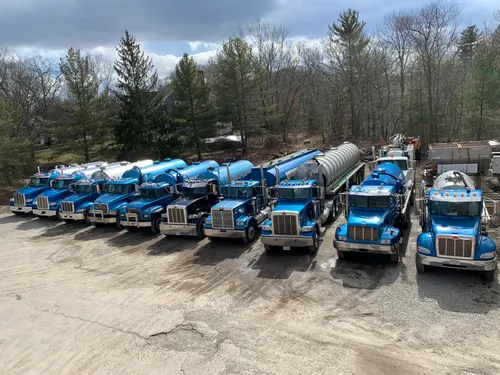
Rosano Davis Sanitary Pumping Inc is a family-owned septic system company serving Boston, MA. They provide a full range of services including septic system pumping, inspection, repair, and new system installation. Their capabilities include electronic locating of septic tanks and covers to minimize property disruption, as well as color video pipe inspection and high-pressure washing of leaching lines. The company manages all aspects of septic system installation, from excavation to landscaping, using their own equipment to ensure a complete service.

John Zanni Pumping Co., Inc.
Boston, MA
John Zanni Pumping Co., Inc. is a septic tank pumping company based in Boston, MA. They offer complete septic care services, focusing on septic pumping to maintain system health. The company emphasizes traditional service values and fair pricing.
Bateson Enterprises Inc
111 Argilla Rd, Andover, MA 01810
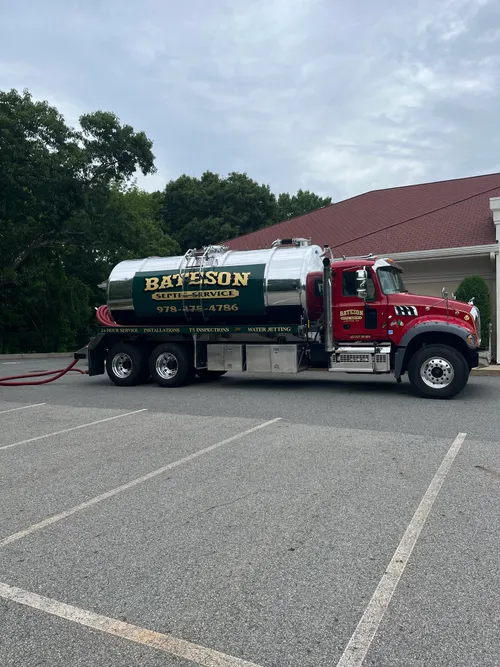
Bateson Enterprises Inc is a septic system company serving Lowell, MA, and the surrounding areas. They provide a range of septic services including tank installation, system repair, pumping, and inspections. The company also offers specialized services such as water jetting, mainline snaking, video inspection, and Title V inspections. With over 30 years of experience, Bateson Enterprises Inc handles all types of septic systems and related repairs. They are equipped to manage both maintenance and emergency needs for residential and commercial septic systems.
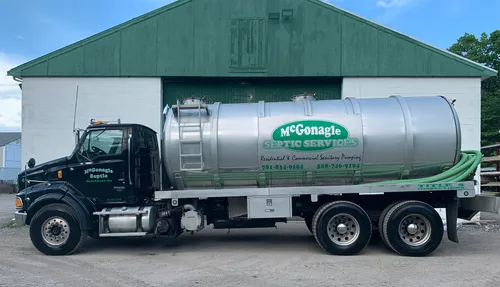
McGonagle Septic Services
10 Central Ave Unit 44, Marshfield, MA 02050
McGonagle Septic Services is a family owned and operated business serving Boston, MA, and the South Shore area. They provide residential and commercial septic tank pumping, septic system repairs, and Title 5 inspections. The company is fully licensed, insured, and Mass DEP certified, with over 15 years of experience. McGonagle Septic also offers specialized services such as grease trap and hair salon pumping, as well as cesspool and leaching pit pumping. Customers work directly with the owner throughout the process, ensuring clear communication and transparent pricing.
Why Regular Septic Maintenance is Non-Negotiable
A septic system is an on-site wastewater treatment plant for your home. When functioning correctly, it safely processes everything that goes down your drains. The tank itself is designed to hold wastewater long enough for solids to settle to the bottom as sludge, while fats and oils float to the top as scum. The clarified liquid in the middle then exits to the drain field for further filtration into the soil. Over time, the sludge and scum layers build up. If they aren't removed through periodic septic tank cleaning, they can overflow into the drain field, clogging the soil and causing system failure. This can lead to sewage backing up into your home or surfacing in your yard-a serious health hazard and an expensive problem to fix. Regular septic tank service is far more affordable than replacing a failed drain field.
Understanding Massachusetts Title 5 Regulations
In Lynn, all septic systems are governed by the Massachusetts State Environmental Code, Title 5. These are not mere suggestions; they are legal requirements designed to protect public health and groundwater. Title 5 sets the standard for septic system pumping frequency, inspection protocols, and system design. The most cited guideline is the recommendation to pump your tank every three years for a typical household. However, this is a general rule, and your specific situation may require more frequent septic tank emptying.
A critical factor is the use of a garbage disposal. If your household uses a garbage disposal, it significantly increases the solid waste load entering the tank. In this case, the Massachusetts Department of Environmental Protection recommends annual pumping to prevent premature system failure. It's also wise to be mindful of what goes down the drain-avoid pouring grease, coffee grounds, or chemical cleaners, as they can disrupt the bacterial balance and clog the system.
How Often Should You Pump Your Septic Tank in Lynn?
While the "every three years" rule is a good starting point, the true frequency for septic tank maintenance depends on several variables: tank size, household size, and overall wastewater generation.
- Standard Guideline: For a family of four in a home without a garbage disposal and with a standard 1,000-gallon tank, pumping every 2.5 to 3 years is typical 1.
- With a Garbage Disposal: As noted, annual pumping is strongly advised 2.
- Based on Capacity: A more technical approach involves the tank's capacity. A 1,000-gallon tank serving four people generally needs pumping every 2.5-3 years. Larger tanks or smaller households can extend that interval, while smaller tanks or larger households may shorten it 3.
- The Inspection Trigger: The definitive indicator for needing a pump-out is the level of solids in the tank. According to inspection guidelines, the tank should be pumped if the sludge layer is within 12 inches of the outlet baffle or if the scum layer is within 2 inches of the bottom of the outlet. A professional inspection can measure these levels accurately.
Find the perfect septic tank pumping contractors for your needs
Get personalized recommendations and expert advice
The Critical Role of Inspections: Buying, Selling, and Maintaining
Septic inspections are tightly linked to pumping, especially during real estate transactions. A Title 5 inspection is required when selling a property with a septic system in Massachusetts. The inspection must be completed within two years before the transfer of title or within six months after if certain conditions are met.
The inspection process is thorough. A licensed inspector will locate and expose the tank's manholes, measure the sludge and scum levels, inspect the condition of the baffles and outlet tee, check the distribution box, and assess the condition of the soil absorption system (drain field) 4. If the tank needs pumping to complete the inspection, it must be done. A passing inspection certificate is valid for three years if the tank is pumped annually; otherwise, it is valid until the tank reaches its estimated pump-by date 5. This makes recent pumping records incredibly valuable during a sale.
What to Expect: The Septic Pumping Process and Costs
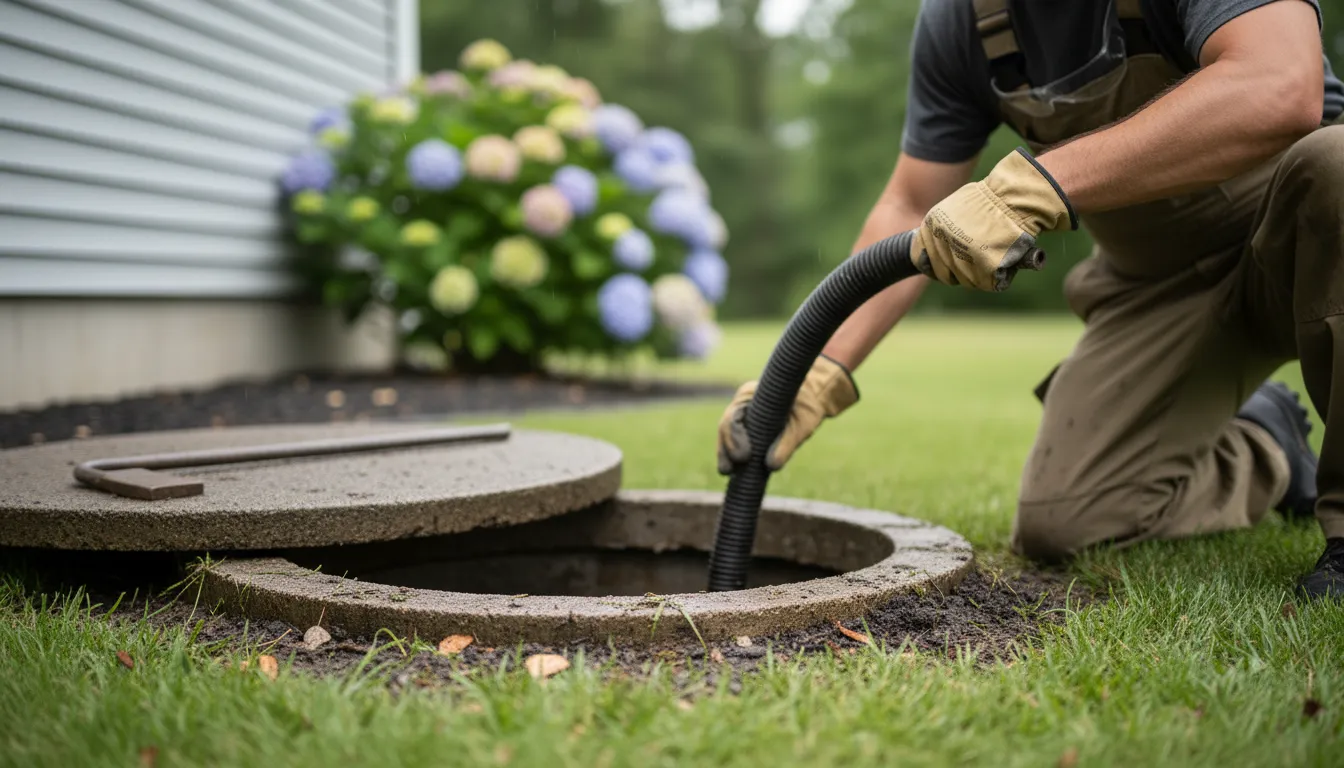
When you schedule a septic system service in Lynn, a licensed pumper will arrive with a vacuum truck. They will locate your tank, uncover the access manholes, and insert a large hose to vacuum out all the contents-sludge, scum, and liquid-for proper disposal at a licensed facility. They may also briefly run water in your home to check the inlet and outlet flow. A reputable provider will also inspect the tank's components for visible damage, like cracked baffles.
The cost for septic tank pumping in the Lynn area typically ranges from $300 to $600 or more for a standard residential system 6. Several factors influence the final price:
- Tank Size: A standard 1,000-gallon tank is on the lower end of the range, while pumping a 1,500 or 2,000-gallon tank will cost more.
- Accessibility: If the tank lids are buried deep, require digging to uncover, or are located in a difficult-to-reach area of the yard, labor costs will increase.
- Condition: Tanks that have not been pumped in many years may have excessive solids or hardened layers, requiring more time and effort.
Always ensure the pumper provides you with a detailed receipt and, crucially, that they file the required report with the Lynn Board of Health. This official record is essential for compliance and future real estate transactions.
Protecting Your System Between Pumpings
Professional pumping is the cornerstone of care, but your daily habits play a huge role. Here are key tips for Lynn homeowners:
- Conserve Water: Spread out laundry loads and fix leaky faucets. Overloading the system with water can push solids into the drain field.
- Mind What You Flush: Only human waste and toilet paper should go down the toilet. Avoid "flushable" wipes, feminine hygiene products, diapers, and paper towels.
- Use Drain Fields Gently: Never drive or park vehicles on your drain field. Avoid planting trees or shrubs nearby, as roots can infiltrate and destroy pipes.
- Skip the Additives: Commercial septic additives are not a substitute for pumping. While some bacterial additives claim to help, chemical additives can actually harm the system's biology and are not recommended by most experts 7 8.
For a list of licensed septic pumpers and to confirm any local regulations, you can contact the Lynn Health Department. Keeping their contact information on hand is a smart part of responsible homeownership.
Frequently asked questions
Sources
Footnotes
-
HOW OFTEN SHOULD YOU BE PUMPING YOUR SEPTIC TANK? - https://www.sandiegocounty.gov/content/dam/sdc/dpw/WATERSHED_PROTECTION_PROGRAM/WatershedRebates/SRP/PDF/Chart-Septic-Large.pdf ↩
-
Caring for Your Septic System | Mass.gov - https://www.mass.gov/guides/caring-for-your-septic-system ↩
-
How Often Should You Pump Your Septic Tank: 3 Factors Solved - https://www.frasiers.com/blog/sewage-tank-pump-frequency/ ↩
-
Guidance for the Inspection of On-site Sewage Disposal ... - https://www.mass.gov/guides/guidance-for-the-inspection-of-on-site-sewage-disposal-systems ↩
-
Buying or Selling Property with a Septic System - Mass.gov - https://www.mass.gov/guides/buying-or-selling-property-with-a-septic-system ↩
-
Understanding the Average Cost to Pump a Septic Tank - https://www.scorpionsepticservices.com/blog/understanding-the-average-cost-to-pump-a-septic-tank ↩
-
Title 5/Septic Systems - Acton, MA - https://www.acton-ma.gov/DocumentCenter/View/882/Massachusetts-DEP-Title-5-FAQs ↩
-
A Guide to A Homeowners Septic System Manual - GPR, Inc. - https://www.gpr-inc.com/a-guide-to-a-homeowners-septic-system-manual/ ↩