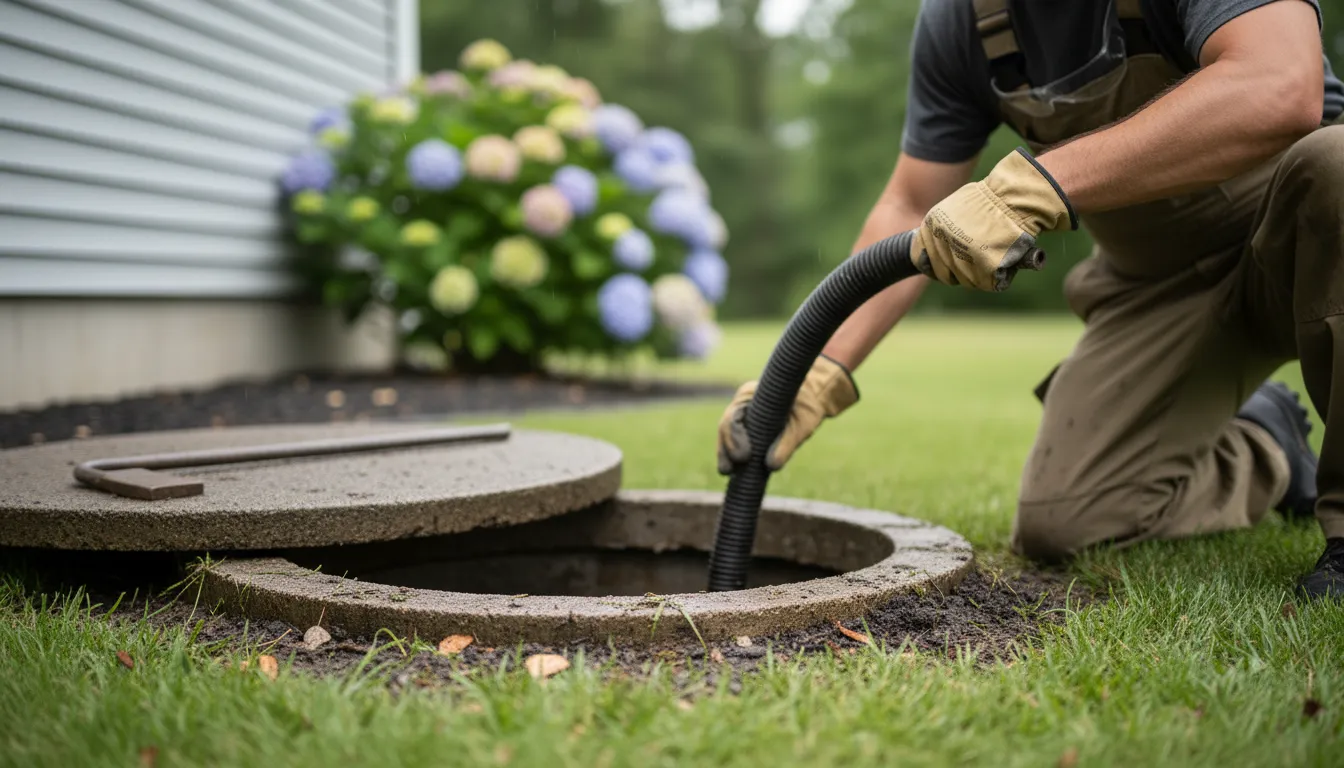
Find the Best Septic Tank Pumping Contractors for Your Business
No obligation • Fast responses • Nationwide coverage

Why you can trust Septic Spot
Septic Spot is a leading United States resource for understanding and comparing septic services. Our editors review providers using consistent criteria and verify key business details. Listings and scores are independent, and companies cannot pay to influence our content.
Search providers near you
Top Septic Tank Pumping Contractors in Malden, Massachusetts Ranked
Maintaining a healthy septic system is a crucial responsibility for homeowners in Malden. Regular septic tank pumping is the most important preventative measure you can take to avoid costly backups, system failures, and environmental contamination. This essential service removes accumulated solids, ensuring your wastewater continues to flow properly from your home to the drainfield. For Malden residents, finding a reliable, licensed professional for this dirty but necessary job is key to protecting your property and complying with Massachusetts health codes.
Rooterman
67 Andover Rd, Billerica, MA 01821
Rooterman is a septic tank pumping, inspection, repair, and installation company serving Boston, MA. With over 50 years of experience since 1970, they provide residential and commercial septic services including certified Title V inspections and sewer and drain maintenance. Their team is licensed and insured, offering same-day service for most non-emergency issues and supporting property owners in maintaining safe and compliant septic systems.
Rosano Davis Sanitary Pumping Inc
9 Rocky Ln, Cohasset, MA 02025
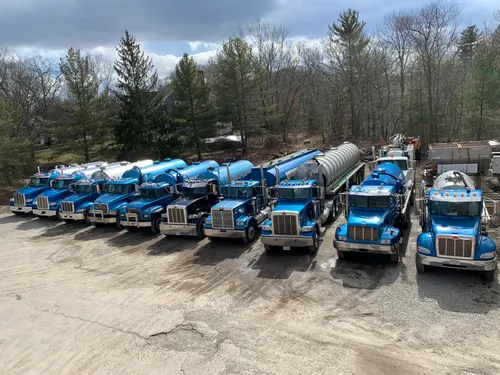
Rosano Davis Sanitary Pumping Inc is a family-owned septic system company serving Boston, MA. They provide a full range of services including septic system pumping, inspection, repair, and new system installation. Their capabilities include electronic locating of septic tanks and covers to minimize property disruption, as well as color video pipe inspection and high-pressure washing of leaching lines. The company manages all aspects of septic system installation, from excavation to landscaping, using their own equipment to ensure a complete service.
Northboro / Curtis Septic Service
124 Main St, Northborough, MA 01532
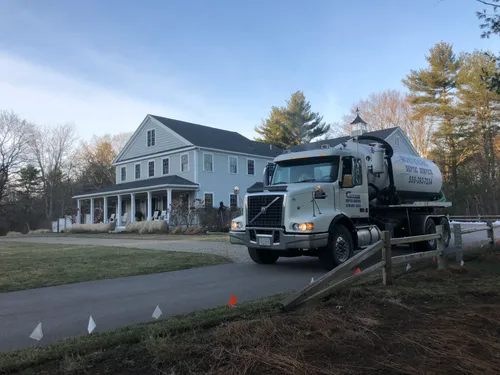
Northboro / Curtis Septic Service is a septic contractor based in Worcester, MA, offering a range of services including septic system installation, repair, pumping, cleaning, and maintenance for both residential and commercial clients. They also provide septic to town sewer conversions and Title 5 inspections across Worcester County and several surrounding counties. The company maintains strong relationships with local Boards of Health to ensure compliance and quality service.

Lakeside Sewerage Services Inc
780 N Bigelow St, Marlborough, MA 01752
Lakeside Sewerage Services Inc is a family and woman-owned business providing septic tank pumping and inspection services in Worcester, MA. Serving MetroWest and Central Massachusetts, they offer residential and commercial septic system maintenance, including licensed Title 5 inspections. Established in 1958, Lakeside Sewerage Services has over 60 years of experience in septic system cleaning and maintenance. They also provide emergency services to address urgent septic needs promptly.
John Zanni Pumping Co., Inc.
Boston, MA
John Zanni Pumping Co., Inc. is a septic tank pumping company based in Boston, MA. They offer complete septic care services, focusing on septic pumping to maintain system health. The company emphasizes traditional service values and fair pricing.
Why Septic System Maintenance is Non-Negotiable in Malden
Unlike homes connected to a municipal sewer line, properties with on-site sewage disposal systems treat wastewater independently. Everything that goes down your drains-from shower water to toilet waste-ends up in your septic tank. Here, solids settle to the bottom as sludge, while oils and greases float to the top as scum. The clarified liquid in the middle then flows out to the drainfield for further treatment in the soil. If the tank isn't pumped regularly, excess solids can escape into the drainfield, clogging the soil and causing sewage to surface in your yard or back up into your home. This creates a health hazard, violates state environmental regulations, and leads to repair bills that can reach tens of thousands of dollars.
In Massachusetts, septic systems are governed by strict regulations, commonly known as Title 5. These rules set the standards for system design, inspection, and maintenance to protect public health and groundwater quality. For Malden homeowners, this means your septic service isn't just a matter of convenience; it's a legal requirement for the proper operation of your property.
Understanding Your Pumping Schedule: The 3-Year Rule and Exceptions
A common guideline for septic tank cleaning in Malden is to have it pumped every three years. However, this is a general rule of thumb, and several factors specific to your household can necessitate more frequent service.
- The Garbage Disposal Factor: If your kitchen sink is equipped with a garbage disposal, the state guideline changes dramatically. The additional food waste significantly increases the solid load in your tank. Massachusetts recommends pumping annually if you use a garbage disposal 1.
- Household Size and Water Usage: A larger family naturally produces more wastewater. High water usage from frequent laundry, long showers, or many house guests can fill the tank with liquid faster, requiring more frequent pumping to remove solids. For larger households, a schedule of every one to two years may be necessary 2.
- Tank Size and Age: Older tanks or those with a smaller capacity relative to the home's size will fill with solids more quickly. A professional inspection can help determine if your specific tank needs attention more often than the standard interval.
The best way to establish your ideal septic pumping schedule is not by the calendar alone, but by having your tank inspected and sludge levels measured by a qualified pumper.
What to Expect During a Professional Pumping Service
A standard septic pumping appointment involves more than just hauling waste away. A reputable provider will follow a thorough process.
- Locating and Uncovering Access Points: The technician will locate the tank's manhole and cleanout lids, which are typically buried 6-12 inches below ground. They will excavate and uncover these ports to gain access.
- Inspecting the System: Before pumping begins, a good pumper will perform a basic visual inspection. They may check the inlet and outlet baffles (which prevent solids from exiting the tank), look for signs of cracks or leaks, and note the condition of the tank cover.
- Pumping the Tank: Using a large truck-mounted vacuum hose, all contents of the tank-sludge, scum, and liquid-are removed. The goal is to evacuate the tank completely, though a small amount of residual sludge is sometimes left to restart the bacterial ecosystem.
- Final Check and Cleanup: After pumping, the technician may run water from your house into the empty tank to check for immediate flow issues. They will then securely replace the tank lids and backfill the area, leaving your yard as they found it.
- Providing Documentation: You should receive a receipt or service report detailing the work performed, the volume pumped, and any observations about your system's condition. Keep this record for your files; it can be valuable for future maintenance or a property sale.
Find the perfect septic tank pumping contractors for your needs
Get personalized recommendations and expert advice
The Critical Role of Regular Septic Inspections
While pumping removes solids, a comprehensive inspection assesses the overall health of your entire on-site wastewater system. The Massachusetts Department of Environmental Protection (MassDEP) advises having your system inspected every one to two years 3. This is separate from, but often combined with, a pumping service.
A thorough inspection will evaluate:
- Sludge and Scum Levels: Measuring these layers determines how full the tank is and how urgently it needs pumping.
- Structural Integrity: The inspector checks for cracks, leaks, or corrosion in the tank itself.
- Baffles and Outlets: These components must be intact to prevent solids from escaping.
- The Drainfield: Signs of failure include soggy ground, lush grass over the field, or unpleasant odors.
- Pumps and Alarms: If your system includes a pump, the inspector will verify it and any associated alarms are functioning correctly 4 5.
The most stringent inspection is the Title 5 Inspection, which is legally required during the transfer of a property (sale) in Massachusetts 6. This inspection has specific protocols, including uncovering all access points, assessing the entire system, and determining if it passes state standards for proper operation 7.
Cost Guide for Septic Services in Malden
Understanding the potential costs helps you budget for this essential home maintenance. Prices can vary based on tank size, accessibility, and the scope of work.
- Standard Pumping: For a routine septic tank pumping service in Massachusetts, homeowners can expect to pay between $290 and $700 8. For a common 1,000-gallon tank, the cost is often around $340, with a typical range of $311 to $366 8.
- Factors Affecting Price: A tank that is unusually deep, has difficult access, or requires additional digging will cost more to pump. If your tank is significantly overdue (e.g., 7+ years without service), the solidified sludge may require extra labor or equipment to break up, potentially adding $100 to $200 to the bill.
- Emergency Service: A septic backup or failure requiring immediate attention will incur a premium. Emergency pumping or repair services can range from $450 to $1,200 or more, depending on the time of day and severity of the problem 9.
- Inspection Fees: A routine maintenance inspection may cost $100-$300 if done separately from pumping. A full Title 5 inspection for a real estate transaction is more comprehensive and typically costs more.
Choosing a Licensed Septic Service Provider in Malden
Your septic system is a significant investment, and its care should be entrusted to qualified professionals. In Massachusetts, septic pumpers must be licensed. You can contact the Malden Board of Health to verify a company's licensing status or to get a list of approved providers in the area.
When evaluating companies, ask the right questions:
- Are you licensed and insured to perform septic pumping and inspections in Massachusetts?
- Can you provide references from other local customers?
- What does your standard pumping service include? Do you perform a basic inspection?
- How do you determine the price, and what could cause it to increase?
- Do you handle all necessary permits and provide detailed service reports?
A Word of Caution on Additives: Be wary of products or services that claim septic tank additives can eliminate the need for pumping. MassDEP explicitly warns that no additive will allow a failing system to pass a Title 5 inspection 10. While some bacterial additives may offer minor benefits, they are not a substitute for regular mechanical pumping and professional maintenance.
Maintaining Your System Between Pumpings
Professional service is essential, but day-to-day homeowner habits play a huge role in your system's longevity.
- Conserve Water: Fix leaky faucets and toilets promptly. Spread out laundry loads over the week instead of doing many loads in one day.
- Mind What You Flush: Only human waste and toilet paper should go down the toilet. Never flush wipes (even "flushable" ones), feminine hygiene products, dental floss, diapers, or paper towels.
- Be Careful in the Kitchen: Avoid pouring cooking oils, grease, or fat down the drain. Minimize use of the garbage disposal. Compost food scraps when possible.
- Protect Your Drainfield: Never park vehicles or build structures over your drainfield. Keep roof drains, sump pumps, and other surface water away from the area. Plant only grass over the drainfield; tree and shrub roots can cause severe damage.
Frequently asked questions
Sources
Footnotes
-
Caring for Your Septic System | Mass.gov - https://www.mass.gov/guides/caring-for-your-septic-system ↩
-
Septic Systems | Department of Environmental Protection - https://www.pa.gov/agencies/dep/residents/my-water/septic-systems ↩
-
Septic Tanks - Preventative Routine Maintenance - https://des.sc.gov/permits-regulations/septic-tanks/homeowner-resources/septic-tanks-preventative-routine-maintenance ↩
-
Title 5 System Inspector Manual - https://baystatehub.com/wp-content/uploads/2024/05/System-Inspector-Manual.pdf ↩
-
Title 5 Regulations | Hingham, MA - https://www.hingham-ma.gov/200/Title-5-Regulations ↩
-
Buying or Selling Property with a Septic System - Mass.gov - https://www.mass.gov/guides/buying-or-selling-property-with-a-septic-system ↩
-
Guidance for the Inspection of On-site Sewage Disposal ... - https://www.mass.gov/guides/guidance-for-the-inspection-of-on-site-sewage-disposal-systems ↩
-
Massachusetts Septic Systems Costs & Prices - ProMatcher.com - https://septic-systems.promatcher.com/cost/massachusetts.aspx ↩ ↩2
-
Septic Pumping Cost by State: 2024 Complete Price Guide - https://wastedoor.com/article/septic-pumping-cost-by-state ↩
-
Consumer Protection Tips: Septic System Inspections and Repairs - https://www.mass.gov/guides/consumer-protection-tips-septic-system-inspections-and-repairs ↩