Find the Best Septic Tank Pumping Contractors for Your Business
No obligation • Fast responses • Nationwide coverage

Why you can trust Septic Spot
Septic Spot is a leading United States resource for understanding and comparing septic services. Our editors review providers using consistent criteria and verify key business details. Listings and scores are independent, and companies cannot pay to influence our content.
Search providers near you
Top Septic Tank Pumping Contractors in Methuen, Massachusetts Ranked
Maintaining a healthy septic system is a crucial responsibility for homeowners in Methuen. Septic tank pumping is the essential service of removing accumulated solids and scum from your tank to prevent system failure, backups, and costly environmental damage. This guide will help you understand local regulations, determine your optimal pumping schedule, and know what to expect when hiring a professional for this vital maintenance task.

Rooterman
67 Andover Rd, Billerica, MA 01821
Rooterman is a septic tank pumping, inspection, repair, and installation company serving Boston, MA. With over 50 years of experience since 1970, they provide residential and commercial septic services including certified Title V inspections and sewer and drain maintenance. Their team is licensed and insured, offering same-day service for most non-emergency issues and supporting property owners in maintaining safe and compliant septic systems.
Allied Septic & Drain LLC
76 Maple St, Manchester, NH 03103
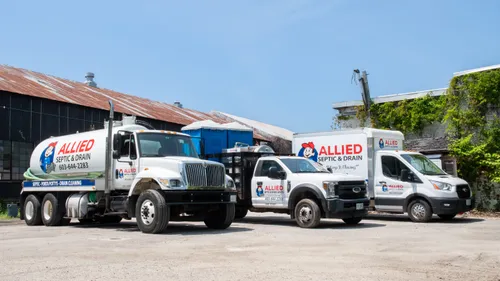
Allied Septic & Drain LLC is a septic tank pumping company based in Manchester, NH. They specialize in septic and grease system services, including pumping and maintenance to support on-site treatment. The company also addresses drain clogs and blockages and offers portable toilet rentals for events and construction sites. With over twenty years of experience, Allied Septic & Drain LLC provides a range of waste management solutions tailored to local needs.
Waste Warriors
Manchester, NH
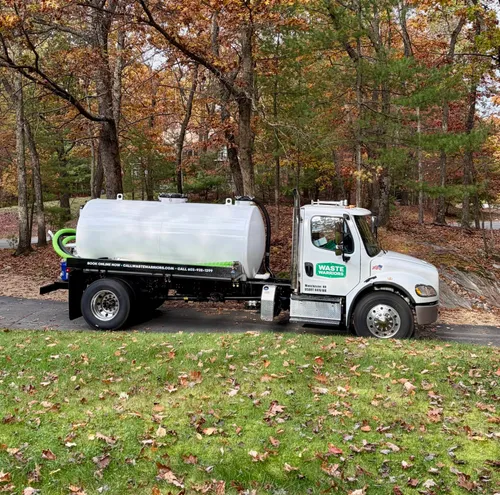
Waste Warriors is a septic tank pumping company based in Manchester, NH, serving both New Hampshire and Massachusetts. They specialize in septic tank pumping and emergency septic services. The company uses hydro jetting equipment to clear clogs and perform preventative maintenance, ensuring efficient septic system operation. Waste Warriors emphasizes cleanliness by using new protective suits for each job.
Kent Septic LLC
4 Crane Way # B, Hooksett, NH 03106
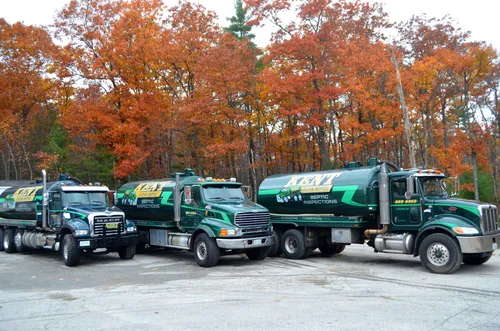
Kent Septic LLC is a septic tank pumping and inspection company serving Manchester, NH. They provide pump station installation and repair for private residences, housing complexes, and municipalities. Their services include septic inspections to help homeowners understand system conditions and maintenance tips. Kent Septic also offers jetting services to clean lines up to 300 feet and provides pumping services for homeowners and condo associations.
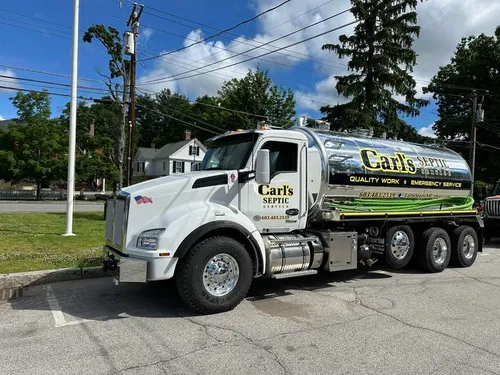
Carl's Septic Systems and Services in New Hampshire
320 Baker Rd, Candia, NH 03034
Carl's Septic Systems and Services in New Hampshire provides septic tank pumping, repair, and installation services in Manchester, NH. With over 40 years of experience, they serve both residential and commercial clients across New Hampshire. Their offerings include emergency septic services, routine maintenance, and commercial septic solutions, ensuring systems operate efficiently and meet regulatory standards. The company emphasizes reliable emergency response and comprehensive septic system care.
Understanding Your Septic System and Local Rules
In Methuen, all septic systems are governed by the Massachusetts State Environmental Code, commonly known as Title 5. This regulation sets the standard for system design, inspection, and maintenance to protect public health and the environment. A key component of Title 5 compliance is regular septic system maintenance, which centers on timely pumping.
The system itself is a mini wastewater treatment plant. Wastewater from your home flows into the septic tank, where solids settle to the bottom as sludge and lighter materials like fats and oils float to the top as scum. The clarified liquid in the middle, called effluent, exits the tank into a leach field for further natural treatment. Pumping removes the accumulated sludge and scum before they can clog the outlet or overflow into the drainfield, causing a complete system failure.
How Often Should You Pump Your Septic Tank in Methuen?
There is no one-size-fits-all answer, as the frequency of required septic service depends on several household factors. However, Massachusetts provides clear guidelines. For a typical home without a garbage disposal, the state recommends pumping approximately every three years. If your household uses a garbage disposal, which significantly increases the solid waste entering the tank, the recommendation shifts to pumping every year.
Beyond these baseline state guidelines, your specific household size and habits are the best determinants:
- Average Household (2-4 people): A pumping schedule every 2 to 3 years is generally adequate.
- Households with a Garbage Disposal: Plan for service every 1 to 2 years due to the increased organic load.
- Large Families (5+ people): With higher water usage and waste generation, a 1 to 2 year interval is often necessary 1.
The most reliable method is to have your tank inspected annually by a professional. They can measure the sludge and scum layers and give you a precise recommendation. A key rule of thumb is to schedule pumping when the combined sludge and scum volume occupies about one-third of the tank's liquid capacity, or when solids are within 12 inches of the outlet tee 2 3.
The Importance of Regular Inspection
While pumping is the core maintenance task, regular inspection is its critical companion. It is highly recommended to have your entire system, including the tank and leach field, inspected by a licensed professional every year. This proactive check can identify minor issues like a clogged effluent filter or early signs of drainfield problems before they become expensive emergencies.
A Title 5 Inspection is a specific, more rigorous inspection certified by the state. This inspection is mandatory when you sell your home or if there is a change in property use (e.g., adding a bedroom) 4. Only certified inspectors can perform this evaluation, which includes a full assessment and often requires the tank to be pumped to facilitate the inspection.
During any service visit, ensure the technician cleans the effluent filter (if your tank has one). This filter, located on the outlet tee, prevents solids from leaving the tank and clogging the leach field; it should be cleaned at least yearly. Finally, Massachusetts law requires your pumping professional to submit a record of the service to the Methuen Board of Health. Always confirm this has been done to keep your property records up to date.
Find the perfect septic tank pumping contractors for your needs
Get personalized recommendations and expert advice
What to Expect: The Pumping Process and Costs
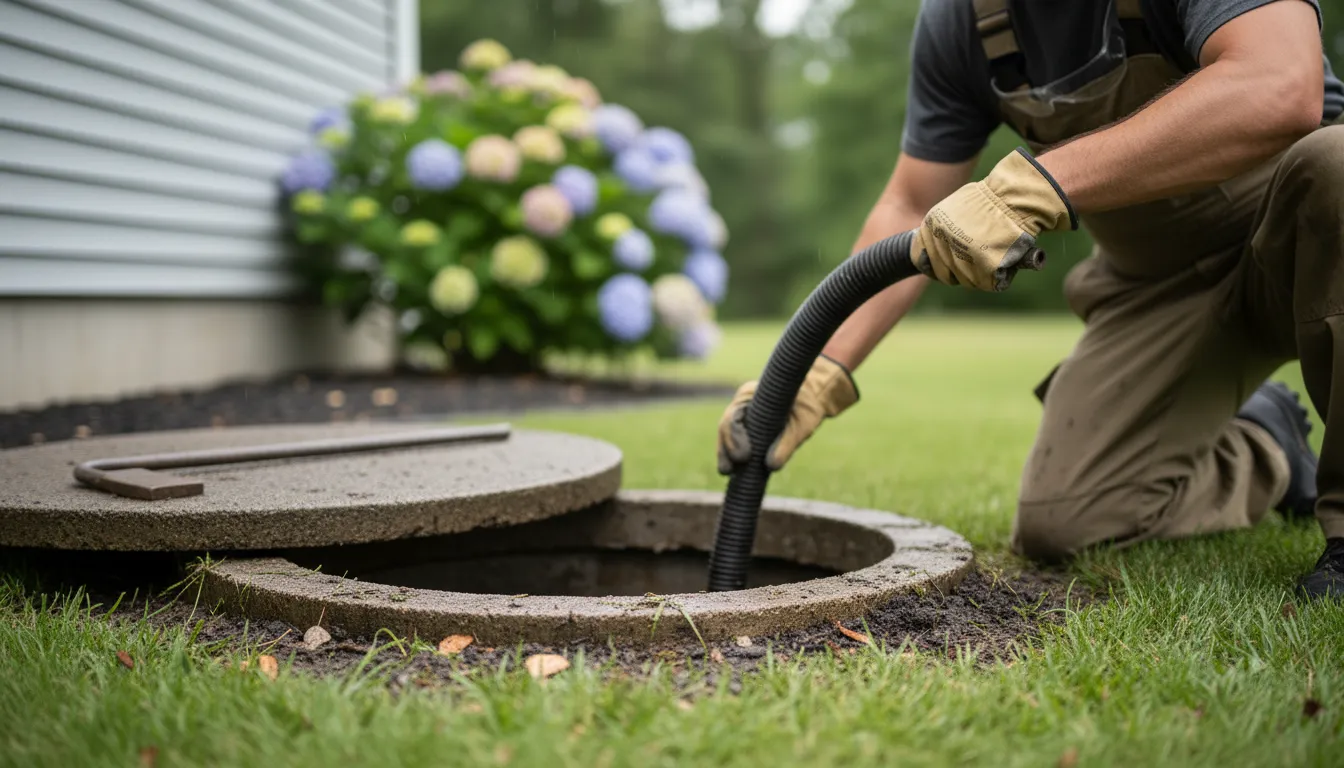
When you hire a licensed septic pumper in Methuen, the process is straightforward but important. The technician will locate and uncover your tank's access lids. Using a large vacuum truck, they will remove all the contents-sludge, scum, and liquid-from the tank. A thorough pumper will also inspect the tank's interior, baffles, and outlet tee for damage and may rinse the tank walls with clean water. After pumping, they will securely replace the lids.
For most homes in Methuen with a standard 1,000 to 1,500-gallon tank, the cost for this essential septic tank cleaning typically ranges from $250 to $500 5 6. The final price can vary based on tank size, accessibility, and how long it has been since the last pumping. While this is a necessary expense, it is far less costly than repairing or replacing a failed leach field.
Protecting Your Investment: Best Practices for Homeowners
Your daily habits directly impact your system's health and how often it needs pumping. Follow these guidelines to extend the life of your septic system:
- Mind What You Flush: Only human waste and toilet paper should go down the drain. Never flush non-biodegradable items like wipes (even "flushable" ones), feminine hygiene products, paper towels, grease, or chemicals.
- Conserve Water: Spread out laundry loads and fix leaky faucets to avoid overwhelming the system with a surge of water.
- Protect the Drainfield: Never drive or park vehicles on the leach field. Avoid planting trees or shrubs nearby, as roots can infiltrate and damage the pipes 7.
- Keep Records: Maintain a file of all inspection reports, pumping receipts, and system diagrams. This is invaluable for troubleshooting and is essential during a real estate transaction.
If you have questions about local rules or need to access records, you can contact the Methuen Board of Health for guidance on permits and regulations.
Recognizing Signs You Need Service Sooner
Don't wait for a disaster. Contact a septic professional immediately if you notice any of these warning signs:
- Slow Drains: Sinks, showers, or toilets that drain slowly, especially if multiple fixtures are affected.
- Sewage Odors: Unpleasant smells indoors near drains or outdoors near the tank or drainfield.
- Gurgling Sounds: Bubbling or gurgling noises coming from your plumbing.
- Wet Spots: Soggy, bright green grass, or standing water over the drainfield area.
- Sewage Backup: The most severe sign-wastewater backing up into household drains.
Addressing these issues promptly can mean the difference between a simple pumping service and a major, costly repair.
Frequently asked questions
Sources
Footnotes
-
Optimizing Septic Tank Pumping Frequency for Households - https://www.unitedsewerservice.com/frequency-of-septic-tank-pumping-for-different-household-sizes/ ↩
-
Caring for Your Septic System | Mass.gov - https://www.mass.gov/guides/caring-for-your-septic-system ↩
-
Septic Tank Pumping Frequency: Crucial Maintenance Guide - https://septic911.com/septic-tank-pumping-frequency/ ↩
-
The Complete Guide to Massachusetts Title 5 Inspection - Norton, MA - https://allclearseptic.com/the-complete-guide-to-massachusetts-title-5-inspection/ ↩
-
A Guide to A Homeowners Septic System Manual - GPR, Inc. - https://www.gpr-inc.com/a-guide-to-a-homeowners-septic-system-manual/ ↩
-
How Much Does It Cost to Pump Septic Tank: A Detailed Pricing Guide - https://www.benjaminfranklinplumbing.com/league-city/blog/2025/march/how-much-does-it-cost-to-pump-septic-tank-a-detailed-pricing-guide/ ↩
-
How Often Should You Pump Your Septic Tank - https://seaboundseptic.com/septic-services/how-often-should-you-pump-your-septic-tank/ ↩