Find the Best Septic Tank Pumping Contractors for Your Business
No obligation • Fast responses • Nationwide coverage

Why you can trust Septic Spot
Septic Spot is a leading United States resource for understanding and comparing septic services. Our editors review providers using consistent criteria and verify key business details. Listings and scores are independent, and companies cannot pay to influence our content.
Search providers near you
Top Septic Tank Pumping Contractors in Peabody, Massachusetts Ranked
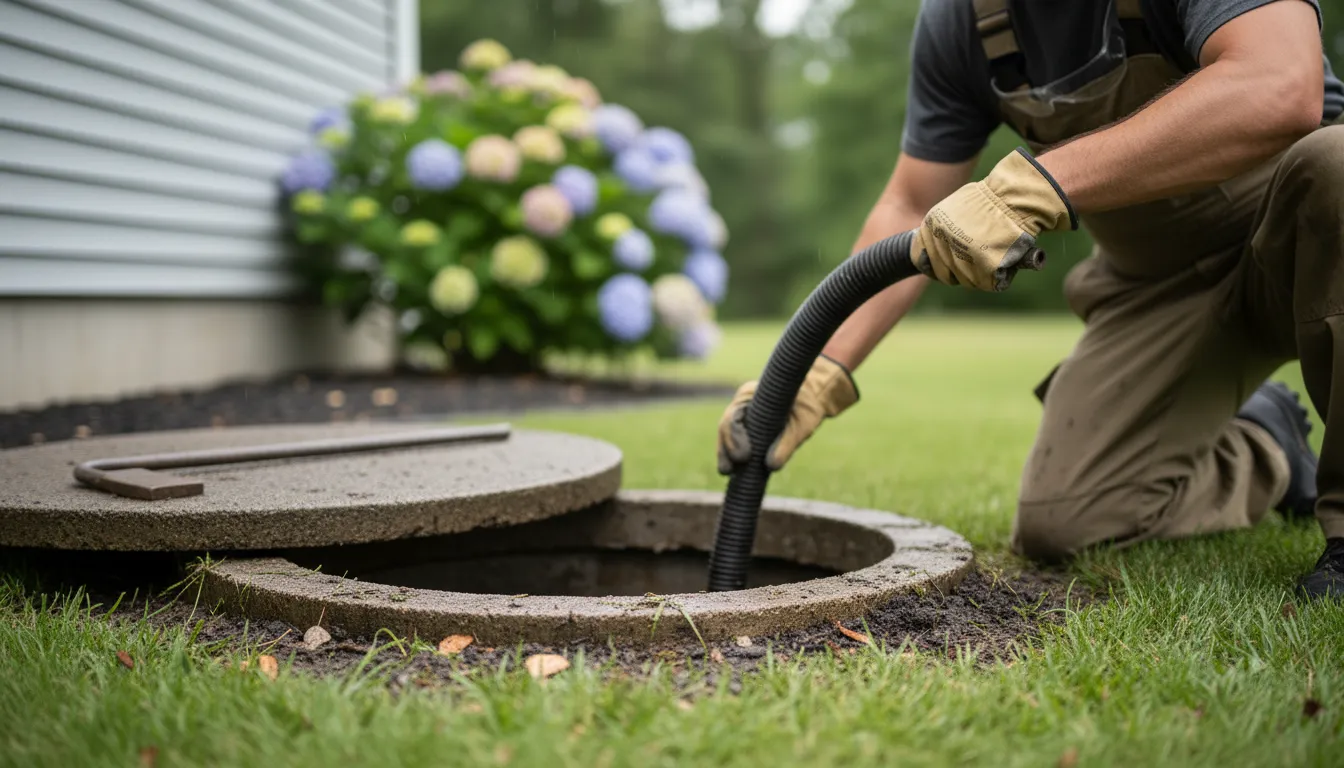
Maintaining a healthy septic system is a critical responsibility for homeowners in Peabody. Septic tank pumping is the essential process of removing accumulated sludge and scum from your tank to prevent system failure, protect your property value, and comply with Massachusetts regulations. This guide explains why regular septic system maintenance is vital, outlines local requirements, and helps you understand what to expect when scheduling this important service with a qualified professional.
Rooterman
67 Andover Rd, Billerica, MA 01821
Rooterman is a septic tank pumping, inspection, repair, and installation company serving Boston, MA. With over 50 years of experience since 1970, they provide residential and commercial septic services including certified Title V inspections and sewer and drain maintenance. Their team is licensed and insured, offering same-day service for most non-emergency issues and supporting property owners in maintaining safe and compliant septic systems.
Rosano Davis Sanitary Pumping Inc
9 Rocky Ln, Cohasset, MA 02025
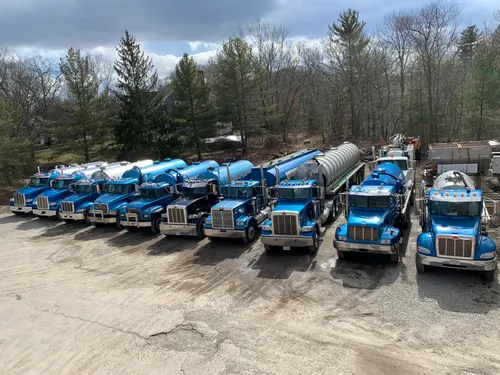
Rosano Davis Sanitary Pumping Inc is a family-owned septic system company serving Boston, MA. They provide a full range of services including septic system pumping, inspection, repair, and new system installation. Their capabilities include electronic locating of septic tanks and covers to minimize property disruption, as well as color video pipe inspection and high-pressure washing of leaching lines. The company manages all aspects of septic system installation, from excavation to landscaping, using their own equipment to ensure a complete service.

John Zanni Pumping Co., Inc.
Boston, MA
John Zanni Pumping Co., Inc. is a septic tank pumping company based in Boston, MA. They offer complete septic care services, focusing on septic pumping to maintain system health. The company emphasizes traditional service values and fair pricing.
Bateson Enterprises Inc
111 Argilla Rd, Andover, MA 01810
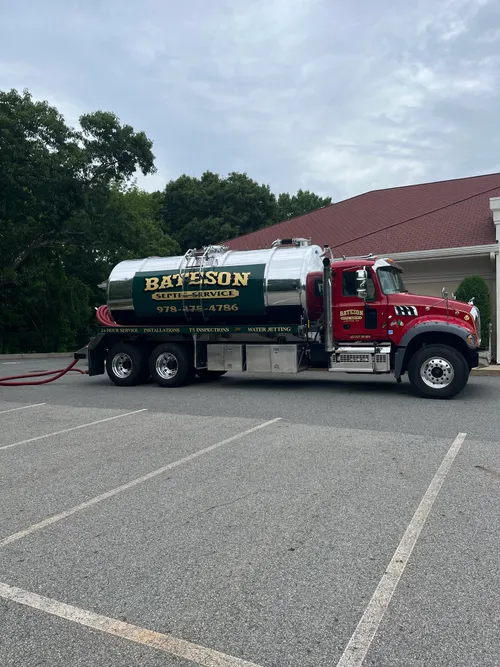
Bateson Enterprises Inc is a septic system company serving Lowell, MA, and the surrounding areas. They provide a range of septic services including tank installation, system repair, pumping, and inspections. The company also offers specialized services such as water jetting, mainline snaking, video inspection, and Title V inspections. With over 30 years of experience, Bateson Enterprises Inc handles all types of septic systems and related repairs. They are equipped to manage both maintenance and emergency needs for residential and commercial septic systems.
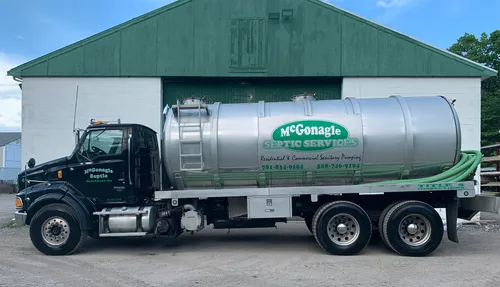
McGonagle Septic Services
10 Central Ave Unit 44, Marshfield, MA 02050
McGonagle Septic Services is a family owned and operated business serving Boston, MA, and the South Shore area. They provide residential and commercial septic tank pumping, septic system repairs, and Title 5 inspections. The company is fully licensed, insured, and Mass DEP certified, with over 15 years of experience. McGonagle Septic also offers specialized services such as grease trap and hair salon pumping, as well as cesspool and leaching pit pumping. Customers work directly with the owner throughout the process, ensuring clear communication and transparent pricing.
Why Regular Septic System Maintenance is Non-Negotiable
Your septic system is a silent workhorse, treating all the wastewater from your home. When functioning properly, it protects your family's health and the local environment. The core of this system is the septic tank, where solids settle and begin to decompose. Over time, however, these solids (sludge) accumulate. If not removed through periodic septic tank cleaning, they can flow into and clog the drainfield, leading to a complete and very costly system failure. Regular pumping is the single most effective way to prevent this disaster, safeguarding your investment and avoiding unsanitary backups in your home or yard 1 2.
Understanding Massachusetts and Peabody Regulations
Massachusetts, and Peabody by extension, has specific rules governing septic systems, primarily under the state's Title 5 code.
- Mandatory Pumping Frequency: The Massachusetts Department of Environmental Protection (MassDEP) recommends pumping your septic tank at least every three years for most systems. However, this interval shortens to every one to two years if your household uses a garbage disposal, has higher-than-average water usage, or has a tank smaller than 1,000 gallons.
- The Critical Title 5 Inspection: State law requires a full septic system inspection whenever a property with a septic system is sold or transferred. This inspection assesses the entire system's condition and functionality. A new system receives a Certificate of Compliance, which exempts it from inspection for two years (extendable to three if the tank is pumped annually) 3 4.
- Local Oversight: For a list of licensed septic service providers and any additional local requirements, Peabody residents should contact the Peabody Board of Health. They are the primary local authority for septic system permits and regulations.
Recommended Inspection and Pumping Schedule
While the state provides minimum guidelines, a proactive schedule is the best defense against problems.
- Routine Pumping: Plan for septic tank emptying every three years as a baseline. Mark your calendar or set a reminder, as it's easy to forget this out-of-sight service.
- Increased Frequency Needed? Households should consider annual or biennial tank pumping if they have a garbage disposal (which significantly increases solid waste), a large family, or a smaller tank. An inspection every 1-2 years to check sludge and scum levels is highly recommended, even if pumping isn't immediately needed 5.
- The Cost of Neglect: Postponing service is a gamble. A system failure or drainfield replacement can cost tens of thousands of dollars, far exceeding the relatively modest investment in routine maintenance.
Find the perfect septic tank pumping contractors for your needs
Get personalized recommendations and expert advice
What to Expect: Service Costs and Process
Understanding the typical scope and cost of septic tank servicing helps you budget and know what to ask for when contacting professionals.
- Standard Pumping Cost: For a routine septic pump out in the Peabody area, homeowners can expect to pay between $290 and $700. The final price depends primarily on tank size. For example, pumping a common 1,000-gallon tank typically ranges from $250 to $700, while a 1,500-gallon tank may cost between $250 and $1,100 6.
- Factors Influencing Price: The exact cost can vary based on tank accessibility, the amount of solids to be removed, and local market rates. A standard service includes locating and uncovering the tank access lids, pumping out all contents, and properly disposing of the waste at a licensed facility.
- Emergency Premiums: If pumping has been deferred for many years (e.g., 7+ years) or if you require emergency weekend or holiday service, be prepared for premium charges that can add $100 to $500 or more to the standard rate 7.
- Inspection vs. Pumping: A routine inspection checks sludge levels and system components and may cost less than a full pump-out. However, if the inspection reveals the tank is more than one-third full of sludge, pumping will be necessary immediately to maintain system health.
Signs Your Septic Tank Needs Immediate Attention
Don't wait for your scheduled maintenance if you notice these warning signs. Contact a septic pumping company right away.
- Slow Drains: Sinks, showers, and toilets that drain slowly throughout the house, especially if using plungers or drain cleaners doesn't help.
- Sewage Odors: Unpleasant smells emanating from drains, the toilet, or around the drainfield area in your yard.
- Gurgling Sounds: Strange gurgling noises coming from your plumbing when water is draining.
- Wet Spots or Lush Grass: Soggy ground, standing water, or unusually green and lush grass over the drainfield, indicating effluent is surfacing.
- Sewage Backup: The most severe sign-wastewater backing up into household drains or toilets.
Choosing a Qualified Service Provider in Peabody
Selecting the right professional is crucial. Always verify that the septic pumper is licensed by the state of Massachusetts and insured. Ask for references from local clients and inquire exactly what is included in their quoted price (e.g., lid excavation, cleanup, waste disposal). A reputable provider will be able to explain the process, answer your questions about your system's health, and provide a clear, written estimate. Remember, the Peabody Board of Health can provide a list of licensed contractors operating in the area.
Long-Term Care for Your Entire Septic System
Pumping is vital, but overall system care extends beyond the tank. Protect your drainfield by avoiding parking or building structures over it. Conserve water to prevent hydraulically overloading the system. Never flush anything besides human waste and toilet paper-avoid wipes (even "flushable" ones), feminine hygiene products, dental floss, and cooking grease. Use septic-safe cleaning products and have any system components, like pumps or alarms, serviced according to the manufacturer's guidelines. This comprehensive approach ensures your on-site wastewater treatment system serves your home reliably for decades.
Frequently asked questions
Sources
Footnotes
-
Caring for Your Septic System | Mass.gov - https://www.mass.gov/guides/caring-for-your-septic-system ↩
-
Consumer Protection Tips: Septic System Inspections and Repairs - https://www.mass.gov/guides/consumer-protection-tips-septic-system-inspections-and-repairs ↩
-
Septic Tanks - Preventative Routine Maintenance - https://des.sc.gov/permits-regulations/septic-tanks/homeowner-resources/septic-tanks-preventative-routine-maintenance ↩
-
Buying or Selling Property with a Septic System - Mass.gov - https://www.mass.gov/guides/buying-or-selling-property-with-a-septic-system ↩
-
Septic Systems | Department of Environmental Protection - https://www.pa.gov/agencies/dep/residents/my-water/septic-systems ↩
-
How Much Does It Cost to Pump a Septic Tank in Boston? [2026 Data] - https://www.angi.com/articles/how-much-does-septic-tank-pumping-cost/ma/boston ↩
-
Septic Pumping Cost by State: 2024 Complete Price Guide - https://wastedoor.com/article/septic-pumping-cost-by-state ↩