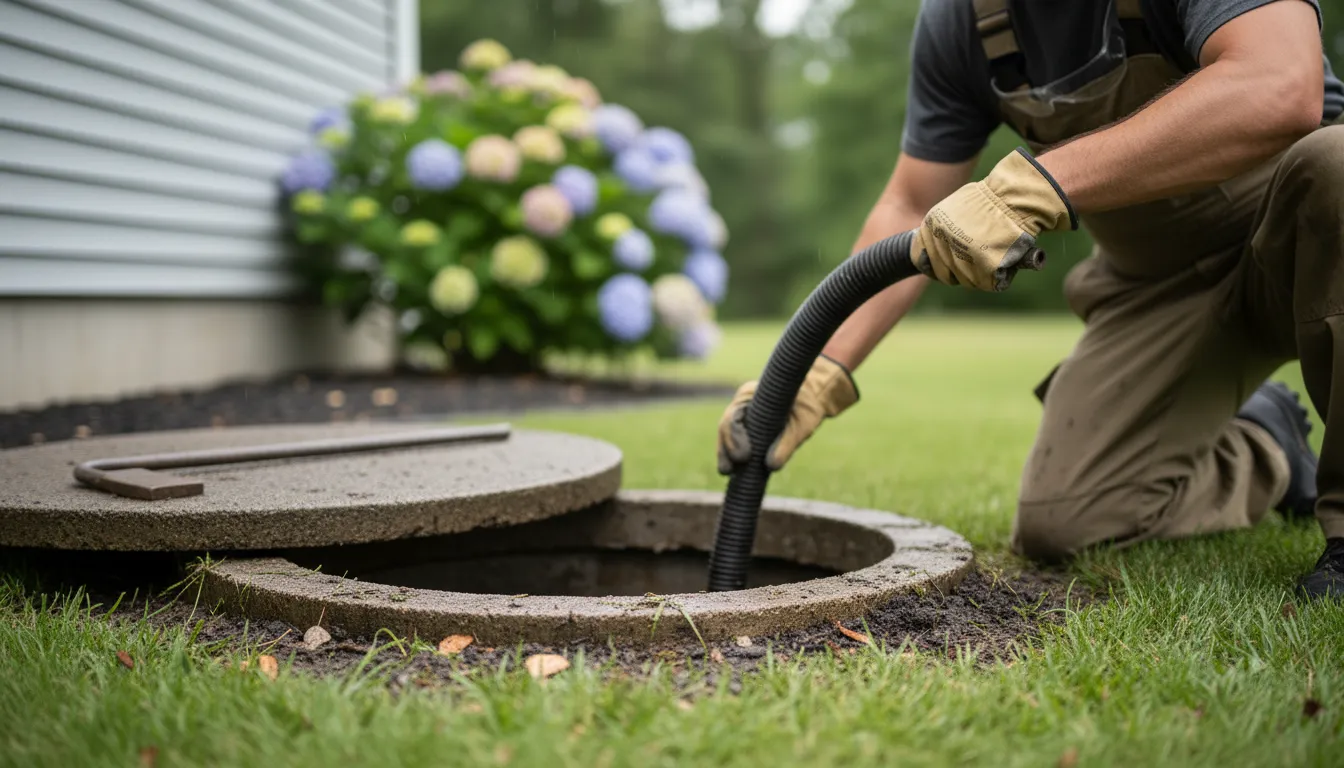
Find the Best Septic Tank Pumping Contractors for Your Business
No obligation • Fast responses • Nationwide coverage

Why you can trust Septic Spot
Septic Spot is a leading United States resource for understanding and comparing septic services. Our editors review providers using consistent criteria and verify key business details. Listings and scores are independent, and companies cannot pay to influence our content.
Search providers near you
Top Septic Tank Pumping Contractors in Quincy, Massachusetts Ranked
Maintaining a healthy septic system is a crucial responsibility for homeowners in Quincy. Regular septic tank pumping is the most essential maintenance task to prevent system failure, protect your property value, and safeguard local groundwater. This guide explains why this service matters, outlines the specific regulations and recommendations for Quincy, and helps you understand what to look for when finding a qualified local professional to handle your septic service needs.

Rooterman
67 Andover Rd, Billerica, MA 01821
Rooterman is a septic tank pumping, inspection, repair, and installation company serving Boston, MA. With over 50 years of experience since 1970, they provide residential and commercial septic services including certified Title V inspections and sewer and drain maintenance. Their team is licensed and insured, offering same-day service for most non-emergency issues and supporting property owners in maintaining safe and compliant septic systems.
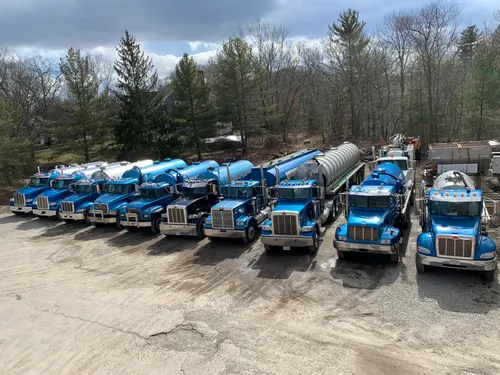
Rosano Davis Sanitary Pumping Inc
9 Rocky Ln, Cohasset, MA 02025
Rosano Davis Sanitary Pumping Inc is a family-owned septic system company serving Boston, MA. They provide a full range of services including septic system pumping, inspection, repair, and new system installation. Their capabilities include electronic locating of septic tanks and covers to minimize property disruption, as well as color video pipe inspection and high-pressure washing of leaching lines. The company manages all aspects of septic system installation, from excavation to landscaping, using their own equipment to ensure a complete service.

John Zanni Pumping Co., Inc.
Boston, MA
John Zanni Pumping Co., Inc. is a septic tank pumping company based in Boston, MA. They offer complete septic care services, focusing on septic pumping to maintain system health. The company emphasizes traditional service values and fair pricing.
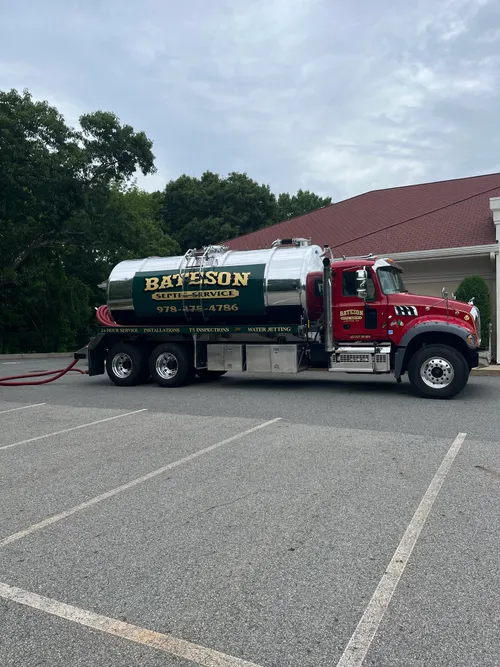
Bateson Enterprises Inc
111 Argilla Rd, Andover, MA 01810
Bateson Enterprises Inc is a septic system company serving Lowell, MA, and the surrounding areas. They provide a range of septic services including tank installation, system repair, pumping, and inspections. The company also offers specialized services such as water jetting, mainline snaking, video inspection, and Title V inspections. With over 30 years of experience, Bateson Enterprises Inc handles all types of septic systems and related repairs. They are equipped to manage both maintenance and emergency needs for residential and commercial septic systems.
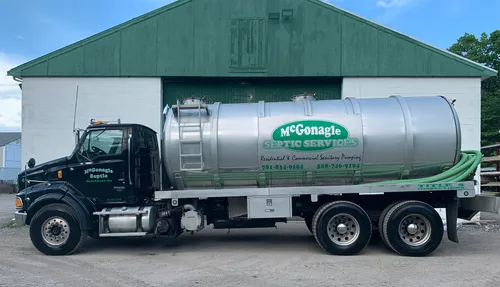
McGonagle Septic Services
10 Central Ave Unit 44, Marshfield, MA 02050
McGonagle Septic Services is a family owned and operated business serving Boston, MA, and the South Shore area. They provide residential and commercial septic tank pumping, septic system repairs, and Title 5 inspections. The company is fully licensed, insured, and Mass DEP certified, with over 15 years of experience. McGonagle Septic also offers specialized services such as grease trap and hair salon pumping, as well as cesspool and leaching pit pumping. Customers work directly with the owner throughout the process, ensuring clear communication and transparent pricing.
Understanding Your Septic System and Why Pumping is Critical
A septic system is an on-site wastewater treatment structure, typically consisting of a tank and a drainfield (or leach field). When wastewater from your home enters the tank, solids settle to the bottom as sludge, and fats float to the top as scum. The liquid effluent in the middle flows out to the drainfield, where it is filtered through the soil. Over time, the sludge and scum layers accumulate. If they are not removed through regular septic tank cleaning, they can flow into and clog the drainfield, leading to backups, foul odors, and costly repairs or even a complete system replacement.
For Quincy residents, proper maintenance isn't just about convenience-it's a matter of public health and environmental protection, governed by state law. The Massachusetts Department of Environmental Protection (MassDEP) sets clear guidelines to prevent contamination of the groundwater that supplies local wells and affects the health of Quincy Bay.
Massachusetts Title 5: The Law for Quincy Homeowners
The cornerstone of septic system regulation in Massachusetts is Title 5 of the State Environmental Code. This law mandates strict inspection and maintenance protocols. Understanding Title 5 is non-negotiable for any Quincy property owner with a septic system.
Key Title 5 Triggers: A state-certified septic system inspection is legally required in the following situations:
- Before the sale or transfer of a property.
- When adding a bedroom or otherwise increasing the design flow of the system.
- When changing the use of the property (e.g., from a single-family to a two-family home).
The inspection assesses whether the tank, pump (if present), and soil absorption system are functioning properly without contaminating groundwater 1. The Quincy Department of Public Health maintains records of these inspection reports, and a failed inspection can halt a real estate transaction until repairs are made. Regular pumping is the best way to ensure your system will pass an inspection when the time comes.
How Often Should You Pump Your Septic Tank in Quincy?
While Title 5 inspections are event-driven, septic tank pumping is a routine, preventative necessity. The general rule of thumb from MassDEP is to pump your tank at least every three years. However, this is a minimum guideline. The actual frequency for your Quincy home depends on several key factors:
- Tank Size and Household Size: A 1,000-gallon tank serving a family of four will fill with solids much faster than a 1,500-gallon tank serving two people. A 1,000-gallon tank typically needs pumping every 2-3 years, while a 1,500-gallon tank may go 4 years, depending on usage 2.
- Use of a Garbage Disposal: Disposals significantly increase the amount of solids entering the tank. MassDEP and many experts advise that homes with garbage disposals should plan for annual inspection and likely yearly pumping to prevent problems 3 4.
- Overall Water Usage: High-volume water habits from large families, frequent laundry loads, or long showers accelerate sludge buildup.
- System Age and Condition: Older systems or those with a history of issues may require more frequent attention.
Find the perfect septic tank pumping contractors for your needs
Get personalized recommendations and expert advice
What to Expect: The Septic Pumping Process and Costs
Knowing what happens during a pump-out and the associated costs helps you be an informed consumer. A standard septic service visit by a licensed professional typically involves locating and uncovering the tank access lids, inspecting the inlet and outlet baffles, pumping out all contents (sludge, scum, and liquid), and then disposing of the waste at a licensed facility. The technician may also perform a brief visual inspection of the tank's components.
In the Quincy area, the cost for a standard septic tank emptying typically ranges from $250 to $500. This baseline price can be influenced by tank size, accessibility, and how long it has been since the last pump (a severely overdue tank takes longer to clean).
It's important to budget for potential additional services. If the inspection during pumping reveals issues, repairs will add to the cost. For example:
- Cleaning or replacing effluent filters.
- Repairing damaged baffles or tank lids.
- Fixing a high-water alarm or pump.
- For more complex problems like a failing drainfield, specialized rehabilitation techniques like soil fracturing can raise costs significantly, sometimes exceeding $1,000 to $2,500 5 6.
Always get a detailed estimate before authorizing any work beyond the standard pump-out.
Beyond Pumping: Essential Septic System Care Tips
Septic tank maintenance extends beyond scheduling regular pump-outs. What you do daily has a major impact on your system's longevity.
Do:
- Conserve water to avoid hydraulically overloading the system.
- Spread out laundry loads over the week.
- Only flush human waste and toilet paper.
- Keep detailed records of all pumping, inspections, and repairs.
Don't:
- Flush wipes (even "flushable" ones), feminine hygiene products, dental floss, or cooking grease.
- Pour harsh chemicals, paints, or solvents down the drain.
- Park vehicles or build structures over the tank or drainfield.
- Plant trees or deep-rooted shrubs near the system.
Finding a Qualified Service Provider in Quincy
When selecting a professional for septic tank servicing, due diligence is key. Always verify that the company is licensed by the state of Massachusetts to perform septic work. They should carry appropriate insurance and be willing to provide references. Look for providers familiar with Quincy's specific soil conditions and local Board of Health requirements, which can sometimes be more stringent than state rules. A reputable professional will be transparent about their process, provide a clear written estimate, and explain any issues they find during the service.
Frequently asked questions
Sources
Footnotes
-
Consumer Protection Tips: Septic System Inspections and Repairs - https://www.mass.gov/guides/consumer-protection-tips-septic-system-inspections-and-repairs ↩
-
How Often Should You Pump Your Septic Tank: 3 Factors Solved - https://www.frasiers.com/blog/sewage-tank-pump-frequency/ ↩
-
Caring for Your Septic System | Mass.gov - https://www.mass.gov/guides/caring-for-your-septic-system ↩
-
How Often Should I Pump Out My Septic Tank? - https://cms2.revize.com/revize/westportma/Documents/Departments/Health/Forms%20And%20Resources/how_often_should_i_pump_out_my_septic_tank_2.pdf?t=202508080914340&t=202508080914340 ↩
-
How Much Does It Cost to Pump Septic Tank: A Detailed Pricing Guide - https://www.benjaminfranklinplumbing.com/league-city/blog/2025/march/how-much-does-it-cost-to-pump-septic-tank-a-detailed-pricing-guide/ ↩
-
Septic Tank Cleaning in Quincy, MA - Costs 02 / 2026 - Homeyou - https://www.homeyou.com/ma/septic-tank-cleaning-quincy-costs ↩