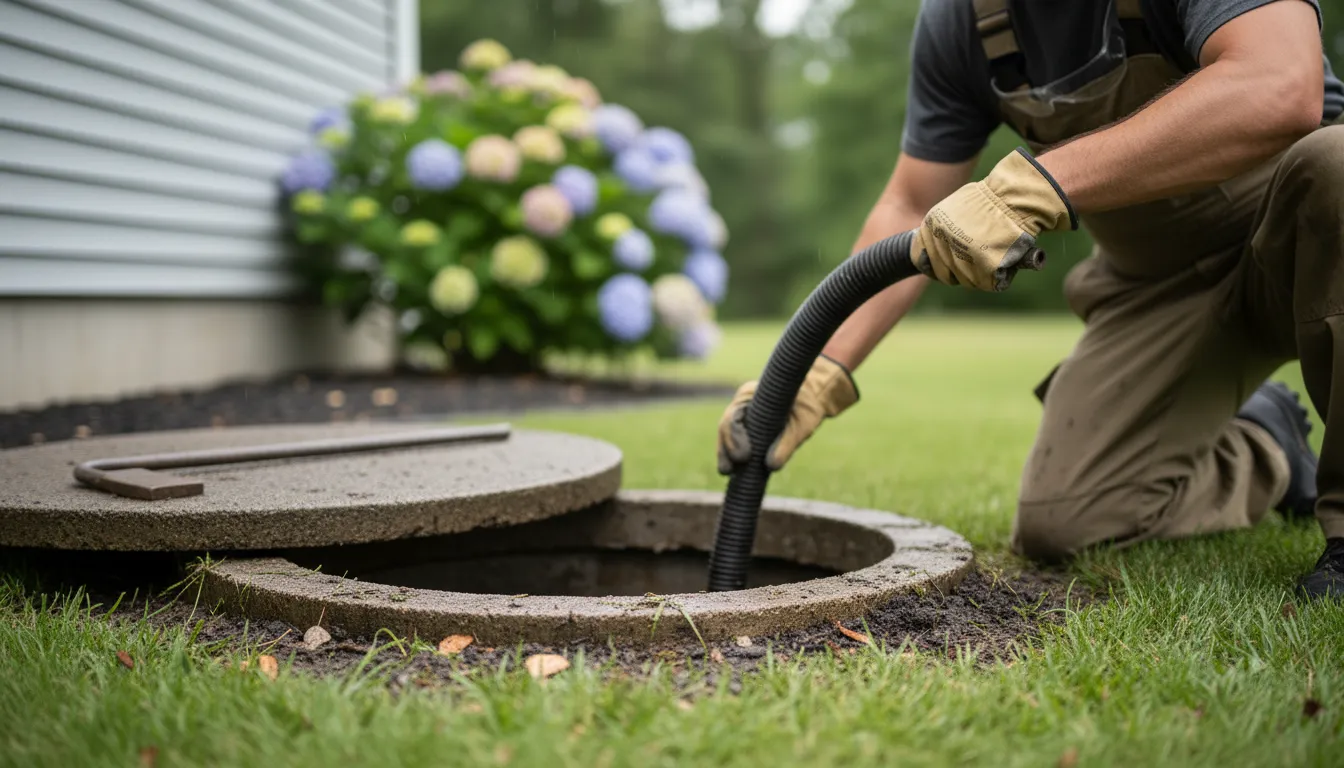
Find the Best Septic Tank Pumping Contractors for Your Business
No obligation • Fast responses • Nationwide coverage

Why you can trust Septic Spot
Septic Spot is a leading United States resource for understanding and comparing septic services. Our editors review providers using consistent criteria and verify key business details. Listings and scores are independent, and companies cannot pay to influence our content.
Search providers near you
Top Septic Tank Pumping Contractors in Salem, Massachusetts Ranked
Maintaining your septic system is a critical responsibility for Massachusetts homeowners. Regular septic tank pumping is essential for preventing system failures, protecting public health, and ensuring compliance with state law. This guide explains the specific regulations, costs, and best practices for septic system maintenance in Massachusetts, helping you understand your obligations and find qualified local professionals to perform this vital service.

Rooterman
67 Andover Rd, Billerica, MA 01821
Rooterman is a septic tank pumping, inspection, repair, and installation company serving Boston, MA. With over 50 years of experience since 1970, they provide residential and commercial septic services including certified Title V inspections and sewer and drain maintenance. Their team is licensed and insured, offering same-day service for most non-emergency issues and supporting property owners in maintaining safe and compliant septic systems.
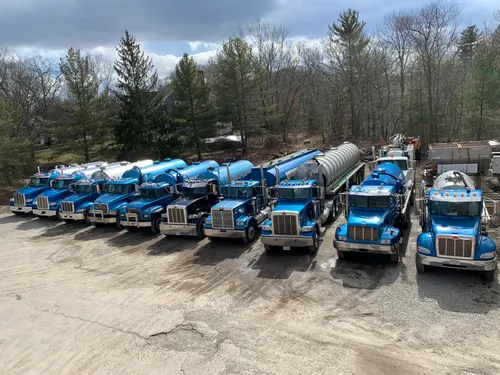
Rosano Davis Sanitary Pumping Inc
9 Rocky Ln, Cohasset, MA 02025
Rosano Davis Sanitary Pumping Inc is a family-owned septic system company serving Boston, MA. They provide a full range of services including septic system pumping, inspection, repair, and new system installation. Their capabilities include electronic locating of septic tanks and covers to minimize property disruption, as well as color video pipe inspection and high-pressure washing of leaching lines. The company manages all aspects of septic system installation, from excavation to landscaping, using their own equipment to ensure a complete service.

John Zanni Pumping Co., Inc.
Boston, MA
John Zanni Pumping Co., Inc. is a septic tank pumping company based in Boston, MA. They offer complete septic care services, focusing on septic pumping to maintain system health. The company emphasizes traditional service values and fair pricing.
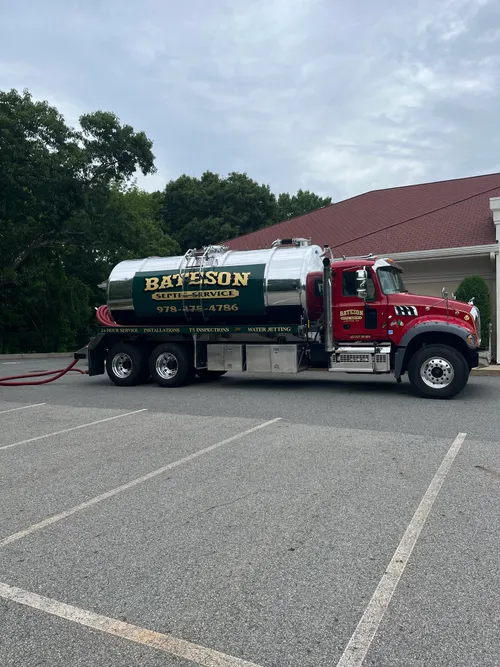
Bateson Enterprises Inc
111 Argilla Rd, Andover, MA 01810
Bateson Enterprises Inc is a septic system company serving Lowell, MA, and the surrounding areas. They provide a range of septic services including tank installation, system repair, pumping, and inspections. The company also offers specialized services such as water jetting, mainline snaking, video inspection, and Title V inspections. With over 30 years of experience, Bateson Enterprises Inc handles all types of septic systems and related repairs. They are equipped to manage both maintenance and emergency needs for residential and commercial septic systems.
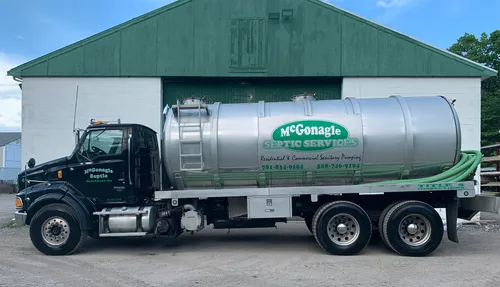
McGonagle Septic Services
10 Central Ave Unit 44, Marshfield, MA 02050
McGonagle Septic Services is a family owned and operated business serving Boston, MA, and the South Shore area. They provide residential and commercial septic tank pumping, septic system repairs, and Title 5 inspections. The company is fully licensed, insured, and Mass DEP certified, with over 15 years of experience. McGonagle Septic also offers specialized services such as grease trap and hair salon pumping, as well as cesspool and leaching pit pumping. Customers work directly with the owner throughout the process, ensuring clear communication and transparent pricing.
Understanding Massachusetts Title 5 Regulations
In Massachusetts, all septic systems are governed by the State Environmental Code, commonly known as Title 5. These regulations are administered and enforced by your local Board of Health. Title 5 sets the standards for the siting, construction, inspection, and maintenance of septic systems to protect water quality and public health.
The cornerstone of Title 5 maintenance is the mandatory pumping schedule. State law requires that septic tanks be pumped at least every three years for typical household use 1. This is not a suggestion-it's a legal requirement designed to remove accumulated solids before they can flow into and clog the drainfield, leading to a costly system failure.
It's important to note that local Boards of Health may have additional or more stringent requirements, so always verifying with your town is a crucial first step.
Mandatory Title 5 Inspections
Beyond routine maintenance, Title 5 mandates formal inspections under specific circumstances. These inspections are more comprehensive than a routine check and are required for:
- Property transfers or sales (the most common trigger)
- Expanding the footprint of your home
- Changing the use of the property (e.g., from single-family to multi-family)
- Certain bankruptcy proceedings 2
A Title 5 inspection assesses the entire system-tank, distribution box, and drainfield-for functional failure. The inspection is generally valid for two years from the date of completion. However, if the tank is pumped annually, the inspection certificate may be valid for up to three years 3. If a system fails this inspection, the homeowner is legally obligated to repair or upgrade it, typically within two years and with approval from the local Board of Health 4.
The Importance of Regular Pumping and Maintenance
Why is pumping every three years so important? A septic tank works by separating solids from wastewater. Solids settle at the bottom as sludge, while fats and oils float to the top as scum. The clarified liquid in the middle flows out to the drainfield. Over time, the sludge and scum layers build up. If not pumped out regularly, solids can be carried into the drainfield, causing clogging, backups, and environmental contamination.
For households that use a garbage disposal, the state strongly recommends-and many local boards require-annual pumping. Disposals significantly increase the solid waste load entering the tank, accelerating sludge buildup and the risk of premature system failure.
Find the perfect septic tank pumping contractors for your needs
Get personalized recommendations and expert advice
What to Expect: Costs for Pumping and Inspections
Understanding the potential costs helps homeowners budget for this necessary maintenance.
- Septic Tank Pumping: The typical cost for pumping a residential septic tank in Massachusetts ranges from $150 to $250. This is a relatively small investment to protect a system that can cost tens of thousands to replace.
- Title 5 Inspection: A full Title 5 inspection, required for property sales, typically costs between $400 and $800 5 6. This fee covers the comprehensive evaluation and certification process.
- Repairs and Replacements: Costs for addressing failures found during an inspection vary wildly. Minor repairs might start around $500, but significant repairs or a full system replacement can easily exceed $12,000 depending on soil conditions, system size, and local requirements 7.
Best Practices for Septic System Care
Proper maintenance extends beyond scheduled pumping. Homeowners can protect their system and their investment by following these guidelines:
- Conserve Water: Spread out laundry loads and fix leaky fixtures to avoid hydraulically overloading the system.
- Mind What You Flush: Only human waste and toilet paper should go down the drain. Never flush wipes (even "flushable" ones), feminine hygiene products, paper towels, dental floss, or cat litter.
- Avoid Harsh Chemicals: Limit the use of antibacterial soaps, heavy-duty cleaners, and bleach, which can kill the beneficial bacteria in your tank that break down waste.
- Protect the Drainfield: Never drive or park vehicles over the tank or drainfield. Do not plant trees or shrubs with deep root systems near the system, as roots can cause severe damage 8.
Finding a Qualified Service Provider
When it's time for pumping or an inspection, selecting a licensed and knowledgeable professional is key. In Massachusetts, septic system inspectors and installers must be certified by the state. When contacting providers, ask about their certification, experience with local Board of Health requirements, and whether they can provide the necessary documentation for your records. A reputable professional will be familiar with Title 5 and can guide you through the process, whether it's routine maintenance or a compliance inspection for a real estate transaction.
Frequently asked questions
Sources
Footnotes
-
Caring for Your Septic System | Mass.gov - https://www.mass.gov/guides/caring-for-your-septic-system ↩
-
Title 5 Inspections | Hampden, MA - https://hampdenma.gov/175/Title-5-Inspections ↩
-
The Complete Guide to Massachusetts Title 5 Inspection - https://allclearseptic.com/the-complete-guide-to-massachusetts-title-5-inspection/ ↩
-
Consumer Protection Tips: Septic System Inspections and Repairs - https://www.mass.gov/guides/consumer-protection-tips-septic-system-inspections-and-repairs ↩
-
Title 5/Septic Systems - Acton, MA - https://www.acton-ma.gov/DocumentCenter/View/882/Massachusetts-DEP-Title-5-FAQs ↩
-
What is a Title 5 Septic Inspection? When Do You Need One? - https://www.upnest.com/post/title-5-inspection/ ↩
-
Title 5 septic system regulations - State Library of Massachusetts - https://archives.lib.state.ma.us/server/api/core/bitstreams/1a084553-08d1-43c2-a060-9daa614dbace/content ↩
-
Laurel Park, Northampton, MA Know Your Septic System - https://homeownersatlaurelpark.com/wp-content/uploads/2018/10/Septic_System_Handout-2018.pdf ↩