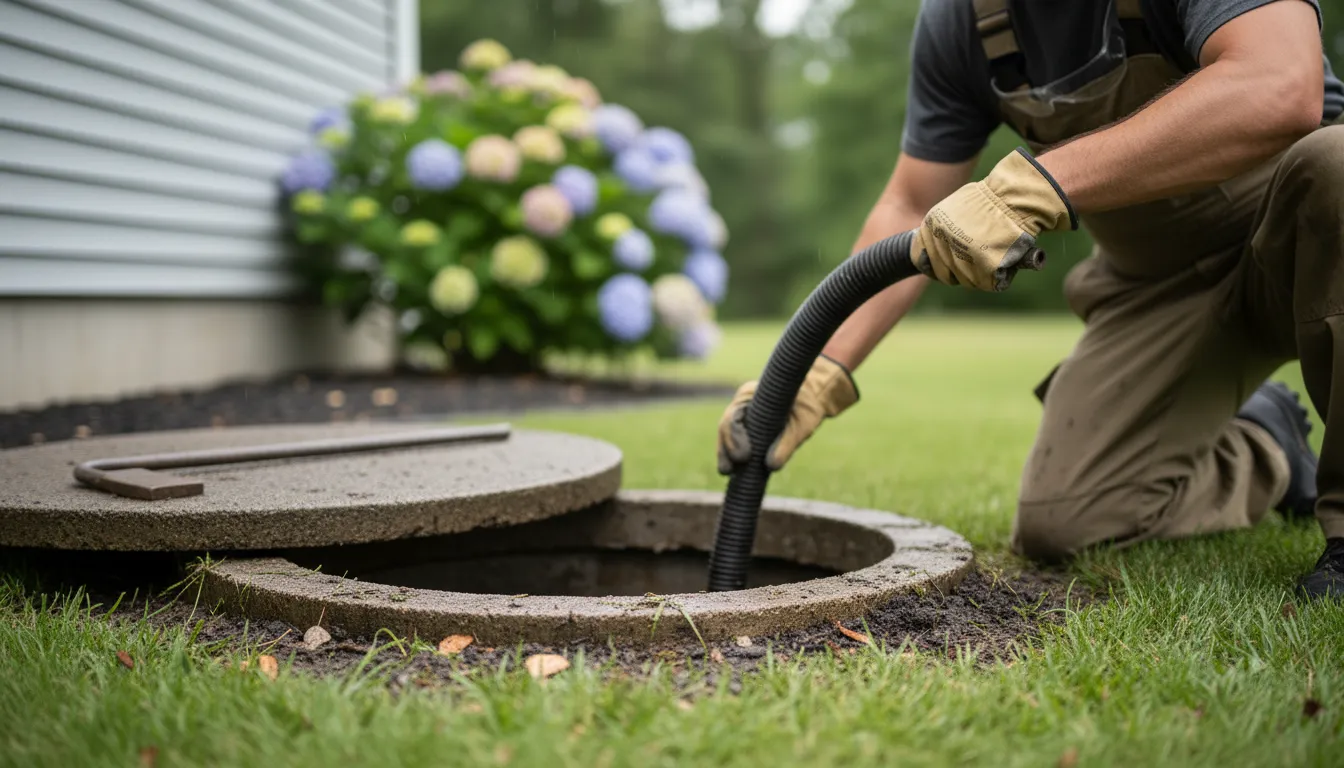
Find the Best Septic Tank Pumping Contractors for Your Business
No obligation • Fast responses • Nationwide coverage

Why you can trust Septic Spot
Septic Spot is a leading United States resource for understanding and comparing septic services. Our editors review providers using consistent criteria and verify key business details. Listings and scores are independent, and companies cannot pay to influence our content.
Search providers near you
Top Septic Tank Pumping Contractors in Waltham, Massachusetts Ranked
Maintaining your septic system is a crucial responsibility for any Waltham homeowner. Septic tank pumping is the essential process of removing accumulated solids and scum from your tank to prevent system failure, environmental contamination, and costly repairs. This guide explains why regular septic maintenance matters, outlines the specific regulations you must follow in Massachusetts, and helps you understand how to find qualified local professionals to keep your system functioning properly.
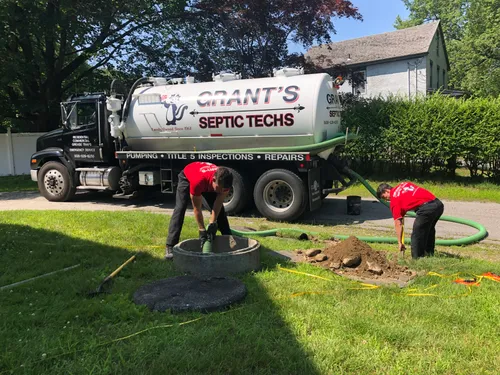
Grant's Septic Techs
5 Farm St, Upton, MA 01568
Grant's Septic Techs is a family-owned septic tank pumping company serving Worcester, MA. They provide septic tank pumping services with a focus on thorough and honest work. The company is known for careful yard restoration after service and clear communication throughout the process.
Rooterman
67 Andover Rd, Billerica, MA 01821
Rooterman is a septic tank pumping, inspection, repair, and installation company serving Boston, MA. With over 50 years of experience since 1970, they provide residential and commercial septic services including certified Title V inspections and sewer and drain maintenance. Their team is licensed and insured, offering same-day service for most non-emergency issues and supporting property owners in maintaining safe and compliant septic systems.
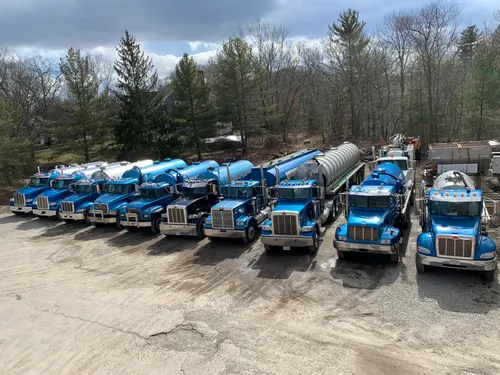
Rosano Davis Sanitary Pumping Inc
9 Rocky Ln, Cohasset, MA 02025
Rosano Davis Sanitary Pumping Inc is a family-owned septic system company serving Boston, MA. They provide a full range of services including septic system pumping, inspection, repair, and new system installation. Their capabilities include electronic locating of septic tanks and covers to minimize property disruption, as well as color video pipe inspection and high-pressure washing of leaching lines. The company manages all aspects of septic system installation, from excavation to landscaping, using their own equipment to ensure a complete service.
Northboro / Curtis Septic Service
124 Main St, Northborough, MA 01532
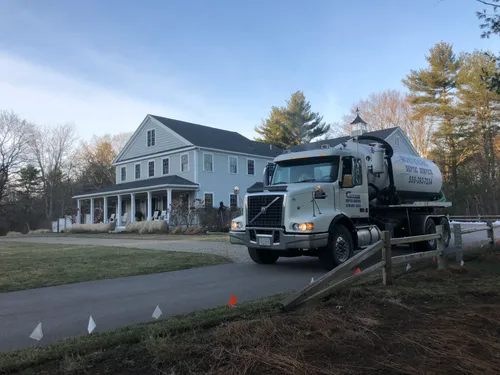
Northboro / Curtis Septic Service is a septic contractor based in Worcester, MA, offering a range of services including septic system installation, repair, pumping, cleaning, and maintenance for both residential and commercial clients. They also provide septic to town sewer conversions and Title 5 inspections across Worcester County and several surrounding counties. The company maintains strong relationships with local Boards of Health to ensure compliance and quality service.
Chase Harris Septic Services
85 Dudley Rd, Sutton, MA 01590
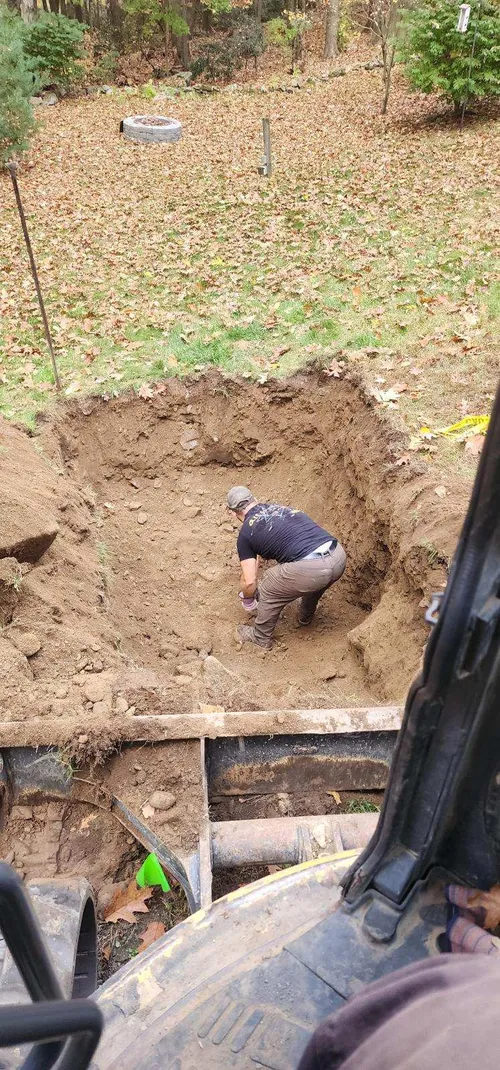
Chase Harris Septic Services is a family-owned business providing septic system maintenance, repair, installation, and inspection services in Worcester, MA. With decades of experience, they serve residential and commercial clients, offering comprehensive septic pumping, Title 5 inspections, and grease trap cleaning. Their team also handles excavation and site preparation to ensure proper system installation and repair. Chase Harris Septic Services is known for meeting local codes and regulations, including Title 5 compliance, and uses advanced equipment to maintain system efficiency and safety.
Understanding Your Septic System and Why Pumping is Vital
A septic system is an on-site wastewater treatment structure, typically consisting of a tank and a drainfield (or leach field). When wastewater from your home enters the tank, solids settle to the bottom as sludge, fats and oils float to the top as scum, and the clarified liquid in the middle flows out to the drainfield for further treatment in the soil. Over time, the sludge and scum layers build up. If they aren't removed through regular septic tank cleaning, they can overflow into the drainfield, clogging the soil and causing a complete system backup. A failed system can lead to sewage surfacing in your yard, contamination of groundwater, and exposure to harmful pathogens 1. Regular septic system pumping is the most effective preventative maintenance you can perform.
Massachusetts Title 5: The Regulatory Framework
In Waltham and throughout Massachusetts, all septic systems are governed by the State Environmental Code, Title 5. These are not mere guidelines but enforceable regulations designed to protect public health and the environment 2. Title 5 mandates specific scenarios where a formal inspection is legally required:
- Property Transfer: When selling a home.
- Significant Expansion: Increasing the footprint of your house or adding bedrooms.
- Change of Use: Altering the property in a way that increases wastewater flow.
A failed Title 5 inspection can halt a real estate transaction and require immediate, often expensive, system upgrades or repairs 3. Beyond these mandatory points, proactive septic tank maintenance, including routine inspections and pumping, is the best way to ensure your system will pass inspection when the time comes and avoid emergency situations.
How Often Should You Pump Your Septic Tank in Waltham?
There is no one-size-fits-all answer, but the standard recommendation for most households is to schedule septic tank servicing every three years 4. However, several factors specific to your household can necessitate more frequent pumping:
- Household Size and Water Usage: More people generally means more wastewater and faster accumulation of solids.
- Use of a Garbage Disposal: Disposals significantly increase the amount of solids entering the tank. If you use a disposal regularly, annual pumping is often recommended to prevent system overload 5.
- Tank Size: Smaller tanks fill with solids more quickly.
- System Age and Type: Older systems or those with pumps, filters, or other advanced treatment components (ATUs) may require more frequent attention, including annual inspections of mechanical parts 6.
A professional inspector or pumper can measure the sludge and scum layers in your tank to provide a personalized recommendation for your septic pumping schedule 7.
Recognizing Signs You Need Service Sooner
Don't wait for a disaster. Be alert for these warning signs that your system needs immediate attention from a septic service professional:
- Slow Drains: Sinks, showers, and toilets that drain slowly, especially if multiple fixtures are affected.
- Sewage Odors: Unpleasant smells inside your home or around the drainfield area in your yard.
- Soggy Ground or Surfacing Effluent: Wet, spongy, or unusually green grass over the drainfield, or visible sewage pooling on the ground.
- Gurgling Sounds: Sounds coming from your plumbing.
- Backups: Sewage backing up into household drains.
If you notice any of these signs, contact a local septic company for an inspection immediately to diagnose and address the issue before it escalates 8.
Find the perfect septic tank pumping contractors for your needs
Get personalized recommendations and expert advice
What to Expect: The Septic Pumping Process
Understanding what happens during a pump-out can help you prepare. A standard service visit typically includes:
- Locating and Uncovering the tank access lids.
- Inspecting the tank interior, inlet, and outlet baffles for integrity.
- Pumping all contents (sludge, scum, and liquid) from the tank using a large vacuum truck.
- Proper Disposal of the waste at a licensed treatment facility.
- A Final Check to ensure the system is flowing properly after the service.
A reputable provider will not just pump and leave. They should offer observations about your tank's condition and advise on any potential issues, such as baffle damage or high sludge levels, that could indicate a need for more frequent service or repairs.
Cost of Septic Tank Pumping in Waltham
The price for septic tank emptying varies based primarily on tank size and accessibility. According to industry sources, typical price ranges in the region are 9:
- 500-Gallon Tank: $200 - $300
- 1,000-Gallon Tank: $250 - $400
- 1,500-Gallon Tank: $300 - $500
Additional costs may apply if the tank is deeply buried, requires extensive digging to locate, or if the inspection reveals needed repairs. Remember, while cost is a factor, the expertise, reliability, and proper licensing of the provider are critical for a job that protects your property and complies with state law.
Choosing a Qualified Septic Service Provider in Waltham
Selecting the right company is essential. Here are key points to consider:
- Licensing and Certification: Ensure the company and its inspectors are licensed by the Massachusetts Department of Environmental Protection (MassDEP) to perform Title 5 inspections and pumping 10.
- Insurance: Verify they carry adequate liability and workers' compensation insurance.
- Local Experience: A company familiar with Waltham's soil conditions and common system types can provide more relevant advice.
- Services Offered: Some companies specialize only in pumping, while others offer full-service septic system maintenance, repairs, and installation. Choosing one that can handle all potential needs can be beneficial.
- References and Reviews: Check online reviews and ask for references from local customers.
Always get a detailed written estimate before work begins, and be wary of prices that seem significantly lower than others, as this can sometimes indicate cutting corners or improper waste disposal.
Proactive Maintenance Beyond Pumping
Pumping is the cornerstone of care, but a comprehensive maintenance plan includes other habits:
- Conserve Water: Fix leaks, use high-efficiency fixtures, and spread out laundry loads to avoid overwhelming the system.
- Mind What You Flush: Only human waste and toilet paper should go down the drain. Avoid flushing wipes (even "flushable" ones), feminine hygiene products, diapers, cooking grease, and chemicals.
- Protect Your Drainfield: Never drive or park vehicles on it, plant trees nearby, or divert rainwater onto it.
- Keep Records: Maintain a log of all pumping, inspections, and repairs. This is invaluable for troubleshooting and is often required during a home sale.
By following these practices and adhering to a regular septic maintenance schedule, you can extend the life of your system, protect your investment, and safeguard the local environment 11 12.
Frequently asked questions
Sources
Footnotes
-
Frequent Questions on Septic Systems | US EPA - https://www.epa.gov/septic/frequent-questions-septic-systems ↩
-
Septic Systems & Title 5 - Mass.gov - https://www.mass.gov/septic-systems-title-5 ↩
-
The Complete Guide to Massachusetts Title 5 Inspection - Norton, MA - https://allclearseptic.com/the-complete-guide-to-massachusetts-title-5-inspection/ ↩
-
Caring for Your Septic System | Mass.gov - https://www.mass.gov/guides/caring-for-your-septic-system ↩
-
Septic Tank Pumping Frequency: Crucial Maintenance Guide - https://septic911.com/septic-tank-pumping-frequency/ ↩
-
Title 5 System Inspector Manual - https://baystatehub.com/wp-content/uploads/2024/05/System-Inspector-Manual.pdf ↩
-
Septic Pumping Frequency: How Often & Why It Matters | Blog - https://www.blueribbonseptic.com/blog/septic-pumping-frequency ↩
-
Frequently Asked Questions about Septic Systems - J. Hockman, Inc. - https://pumperguys.com/septic-systems-faq/ ↩
-
Optimizing Septic Tank Pumping Frequency for Households - https://www.unitedsewerservice.com/frequency-of-septic-tank-pumping-for-different-household-sizes/ ↩
-
Consumer Protection Tips: Septic System Inspections and Repairs - https://www.mass.gov/guides/consumer-protection-tips-septic-system-inspections-and-repairs ↩
-
Septic Tanks - Preventative Routine Maintenance - https://des.sc.gov/permits-regulations/septic-tanks/homeowner-resources/septic-tanks-preventative-routine-maintenance ↩
-
How Often Should You Pump Your Septic Tank | Pumping Frequency - https://seaboundseptic.com/septic-services/how-often-should-you-pump-your-septic-tank/ ↩