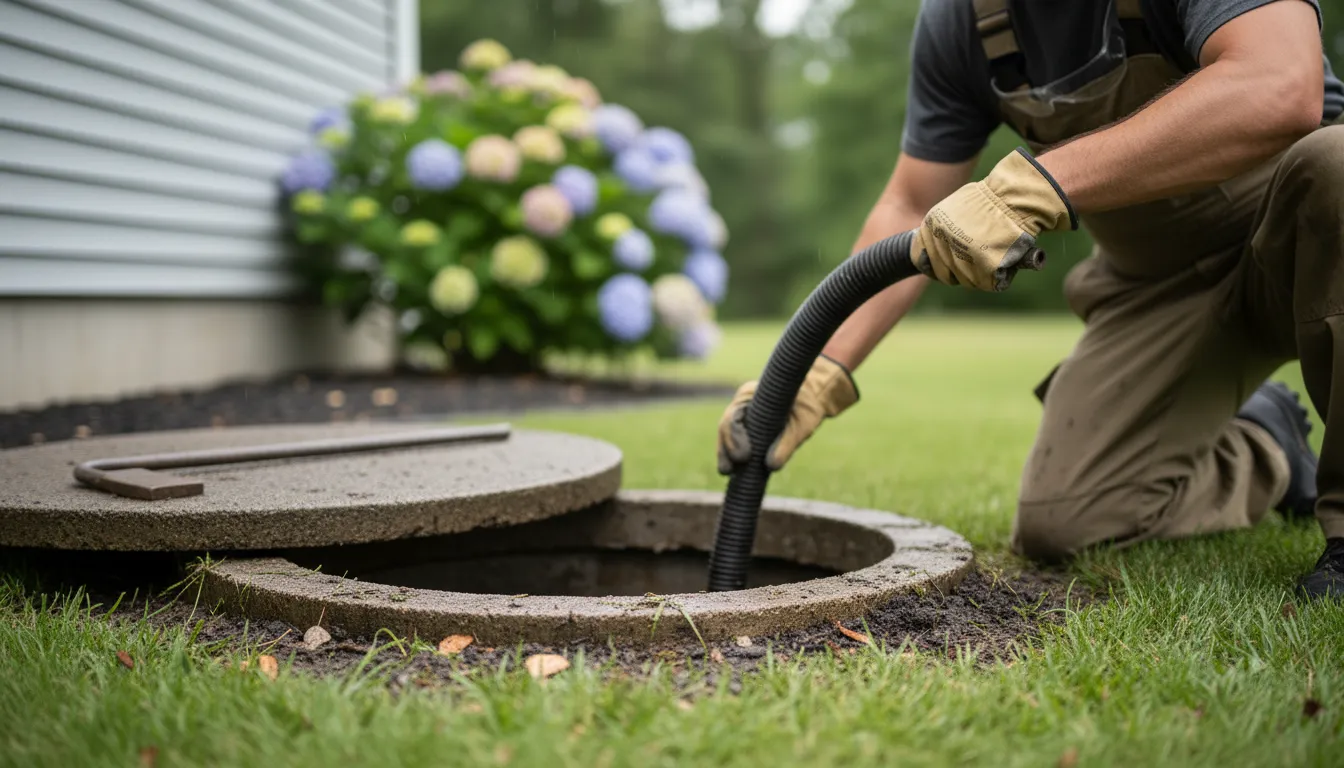
Find the Best Septic Tank Pumping Contractors for Your Business
No obligation • Fast responses • Nationwide coverage

Why you can trust Septic Spot
Septic Spot is a leading United States resource for understanding and comparing septic services. Our editors review providers using consistent criteria and verify key business details. Listings and scores are independent, and companies cannot pay to influence our content.
Search providers near you
Top Septic Tank Pumping Contractors in Weymouth, Massachusetts Ranked
Maintaining a healthy septic system is a critical responsibility for homeowners in Weymouth. Regular septic tank pumping is the cornerstone of this maintenance, preventing system backups, environmental contamination, and costly repairs. This guide explains the importance of septic system service, outlines the specific regulations and recommendations for Weymouth, and helps you understand how to find qualified local professionals to keep your system functioning properly.
Rooterman
67 Andover Rd, Billerica, MA 01821
Rooterman is a septic tank pumping, inspection, repair, and installation company serving Boston, MA. With over 50 years of experience since 1970, they provide residential and commercial septic services including certified Title V inspections and sewer and drain maintenance. Their team is licensed and insured, offering same-day service for most non-emergency issues and supporting property owners in maintaining safe and compliant septic systems.
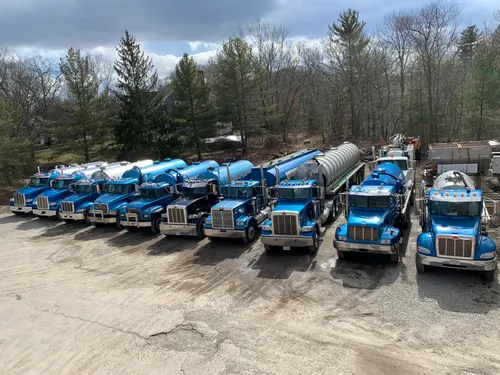
Rosano Davis Sanitary Pumping Inc
9 Rocky Ln, Cohasset, MA 02025
Rosano Davis Sanitary Pumping Inc is a family-owned septic system company serving Boston, MA. They provide a full range of services including septic system pumping, inspection, repair, and new system installation. Their capabilities include electronic locating of septic tanks and covers to minimize property disruption, as well as color video pipe inspection and high-pressure washing of leaching lines. The company manages all aspects of septic system installation, from excavation to landscaping, using their own equipment to ensure a complete service.

John Zanni Pumping Co., Inc.
Boston, MA
John Zanni Pumping Co., Inc. is a septic tank pumping company based in Boston, MA. They offer complete septic care services, focusing on septic pumping to maintain system health. The company emphasizes traditional service values and fair pricing.
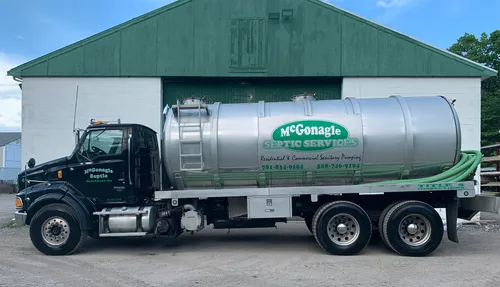
McGonagle Septic Services
10 Central Ave Unit 44, Marshfield, MA 02050
McGonagle Septic Services is a family owned and operated business serving Boston, MA, and the South Shore area. They provide residential and commercial septic tank pumping, septic system repairs, and Title 5 inspections. The company is fully licensed, insured, and Mass DEP certified, with over 15 years of experience. McGonagle Septic also offers specialized services such as grease trap and hair salon pumping, as well as cesspool and leaching pit pumping. Customers work directly with the owner throughout the process, ensuring clear communication and transparent pricing.
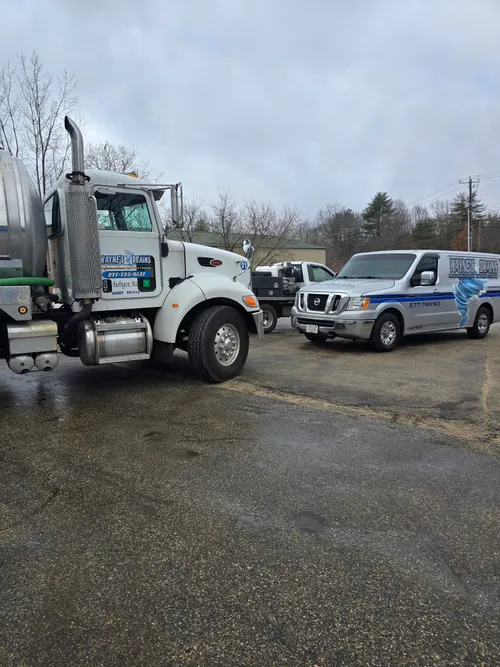
Wayne's Drains
36 Grant Ave, Burlington, MA 01803
Wayne's Drains is a family-owned business serving Boston, MA, and the Greater Boston area since 2000. They provide commercial, industrial, and residential sewer and drain cleaning services, including septic tank pumping, maintenance, and repair. Their capabilities include high-pressure water jetting, video camera inspections, and electronic pipe locating. The company offers emergency sewer and drain cleaning services 24/7 throughout metropolitan Boston and eastern Massachusetts.
Understanding Your Septic System and Why Pumping is Essential
A septic system is an on-site wastewater treatment structure, typically consisting of a tank and a drainfield. When wastewater from your home enters the tank, solids settle to the bottom as sludge, and fats and oils float to the top as scum. The clarified liquid in the middle then flows out to the drainfield for further treatment in the soil. Over time, the sludge and scum layers accumulate. If they are not removed through regular septic tank cleaning, they can overflow into the drainfield, clogging the soil and causing a complete system failure. This can lead to sewage backing up into your home or surfacing in your yard, creating health hazards and requiring very expensive excavation and repair.
Pumping the tank is the process of using a vacuum truck to remove these accumulated solids. It's a preventative measure that protects your property's value and the local environment, including Weymouth's groundwater. Think of it as an essential home maintenance task, similar to changing the oil in your car.
Massachusetts Title 5 and Weymouth Requirements
Septic system maintenance in Weymouth is governed by the Massachusetts State Environmental Code, commonly known as Title 5. These regulations are designed to protect public health and water quality. A key component is the mandatory inspection required during property transfers. An inspection must be conducted within two years before or six months after the sale of a property with a septic system 1.
The inspector will locate the tank, assess its condition and liquid level, and check the overall functionality of the system. A critical point for homeowners to know is that if a system is pumped annually and proper documentation is provided, the inspection certificate remains valid for three years 2. This highlights the state's emphasis on regular maintenance. If a system fails a Title 5 inspection, the property owner is legally required to upgrade or repair the system to comply with state and local regulations 3.
How Often Should You Pump Your Septic Tank in Weymouth?
The frequency of needed septic service depends on several factors. The Massachusetts Department of Environmental Protection (MassDEP) provides clear guidelines. For a typical household without a garbage disposal, pumping at least once every three years is recommended.
However, several variables can change this schedule:
- Tank Size: A standard 1,000-gallon tank serving a family of four typically needs pumping every 2 to 3 years. A larger 1,500 to 2,000-gallon tank may extend that interval to 4 or 5 years 4 5.
- Household Size and Water Usage: More people in a home generate more wastewater and solids, filling the tank faster.
- Garbage Disposal Use: Using a garbage disposal significantly increases the amount of solids entering the tank. MassDEP and many professionals recommend that homes with garbage disposals pump their tanks every year to prevent rapid sludge buildup 6.
- Overall System Age and Condition: Older systems or those with a history of issues may require more attentive care.
The general rule for Weymouth and surrounding areas is to plan for septic tank pumping every 3 to 5 years, but you should adjust based on the factors above and consult with a licensed pumper for a personalized assessment 7.
What to Expect: The Pumping Process and Associated Costs
When you schedule a septic tank pumping service, a licensed professional will arrive with a vacuum truck. They will locate and uncover the tank's access manholes, inspect the baffles and tank interior, and then pump out all the accumulated sludge and scum. They may also rinse the tank with water and recommend cleaning the effluent filter if your system has one.
The cost for this essential service can vary. On average, homeowners can expect to pay around $423 for septic tank pumping, though prices commonly range from $300 to over $1,000 depending on specific circumstances 8 9. The final price is influenced by:
- Tank Size and Volume: Larger tanks cost more to pump.
- Tank Accessibility: If the tank is buried deep, requires extensive digging to uncover, or is located far from where the truck can park, the price will increase.
- Additional Services: Cleaning the effluent filter, a basic inspection, or dealing with hardened sludge will add to the cost.
It's wise to get estimates from a few licensed local providers. Remember, the cheapest option isn't always the best when it comes to protecting a major component of your home.
Find the perfect septic tank pumping contractors for your needs
Get personalized recommendations and expert advice
Signs Your Septic Tank Needs Immediate Attention
Don't wait for a scheduled pumping if you notice any of these warning signs. They indicate your tank may be full or your system is failing:
- Slow Drains: Sinks, showers, and toilets that drain very slowly, especially if gurgling sounds are present.
- Sewage Backups: Wastewater backing up into household drains is a severe red flag.
- Unpleasant Odors: Foul smells emanating from drains, the yard, or near the tank location.
- Lush, Wet Ground: An unusually green and soggy patch of grass over the drainfield, particularly when it hasn't rained.
- Standing Water: Puddles of grey or black water in the yard above the septic system area.
If you observe any of these issues, contact a septic professional immediately to diagnose and address the problem before it escalates.
Choosing a Qualified Septic Service Provider in Weymouth
Selecting the right company for your septic tank maintenance is crucial. Look for a provider that is:
- Licensed and Insured: Ensure they hold a current license from the state of Massachusetts and carry adequate liability insurance.
- Experienced with Local Systems: Familiarity with Weymouth soil conditions, local regulations, and common system types in the area is a major advantage.
- Transparent: They should provide a clear, written estimate and explain exactly what services are included in the pumping fee.
- Reputable: Check online reviews and ask neighbors for recommendations. A company that provides documentation of the pumping (receipts, notes on tank condition) is a good sign, as this can be useful for future inspections or property sales.
Regular maintenance with a trusted professional is an investment that saves money and stress in the long run by extending the life of your entire septic system.
Beyond Pumping: Comprehensive Septic System Care
Pumping is the most critical task, but overall system health involves more. Consider these additional practices:
- Conserve Water: Spread out laundry loads, fix leaky faucets, and install water-efficient fixtures to reduce the hydraulic load on your system.
- Mind What You Flush: Only human waste and toilet paper should go down the toilet. Avoid flushing wipes (even "flushable" ones), feminine hygiene products, dental floss, cooking grease, and chemicals.
- Protect the Drainfield: Never park vehicles or build structures over the drainfield. Divect roof drains and surface water away from it.
- Keep Records: Maintain a file with all inspection reports, pumping receipts, and repair records. This is invaluable for home sales and troubleshooting.
For property-specific advice, always contact the Weymouth Health Department or a licensed local septic professional. They can provide guidance tailored to your system's age, design, and condition.
Frequently asked questions
Sources
Footnotes
-
Buying or Selling Property with a Septic System - Mass.gov - https://www.mass.gov/guides/buying-or-selling-property-with-a-septic-system ↩
-
Guidance for the Inspection of On-site Sewage Disposal ... - https://www.mass.gov/guides/guidance-for-the-inspection-of-on-site-sewage-disposal-systems ↩
-
Consumer Protection Tips: Septic System Inspections and Repairs - https://www.mass.gov/guides/consumer-protection-tips-septic-system-inspections-and-repairs ↩
-
How Often to Pump out Your Septic System in Southcoast MA - https://septicpreservation.com/often-pump-septic-system-southcoast-ma/ ↩
-
How Often Should You Pump Your Septic Tank: 3 Factors Solved - https://www.frasiers.com/blog/sewage-tank-pump-frequency/ ↩
-
Caring for Your Septic System | Mass.gov - https://www.mass.gov/guides/caring-for-your-septic-system ↩
-
Caring for Your Septic System - Barnstable County - https://www.capecod.gov/2025/03/20/septic-haulers-on-cape-cod/ ↩
-
Septic Tank Pumping Cost: Guide & Pricing in 2025 - Splash Plumbing - https://www.splashplumbing.com/how-much-does-it-cost-to-pump-septic-tank-understanding-pricing-and-factors-involved/ ↩
-
5 Factors for Septic Tank Pumping Frequency - https://www.wrenvironmental.com/blog/2025/november/5-key-factors-that-influence-septic-pumping-freq/ ↩