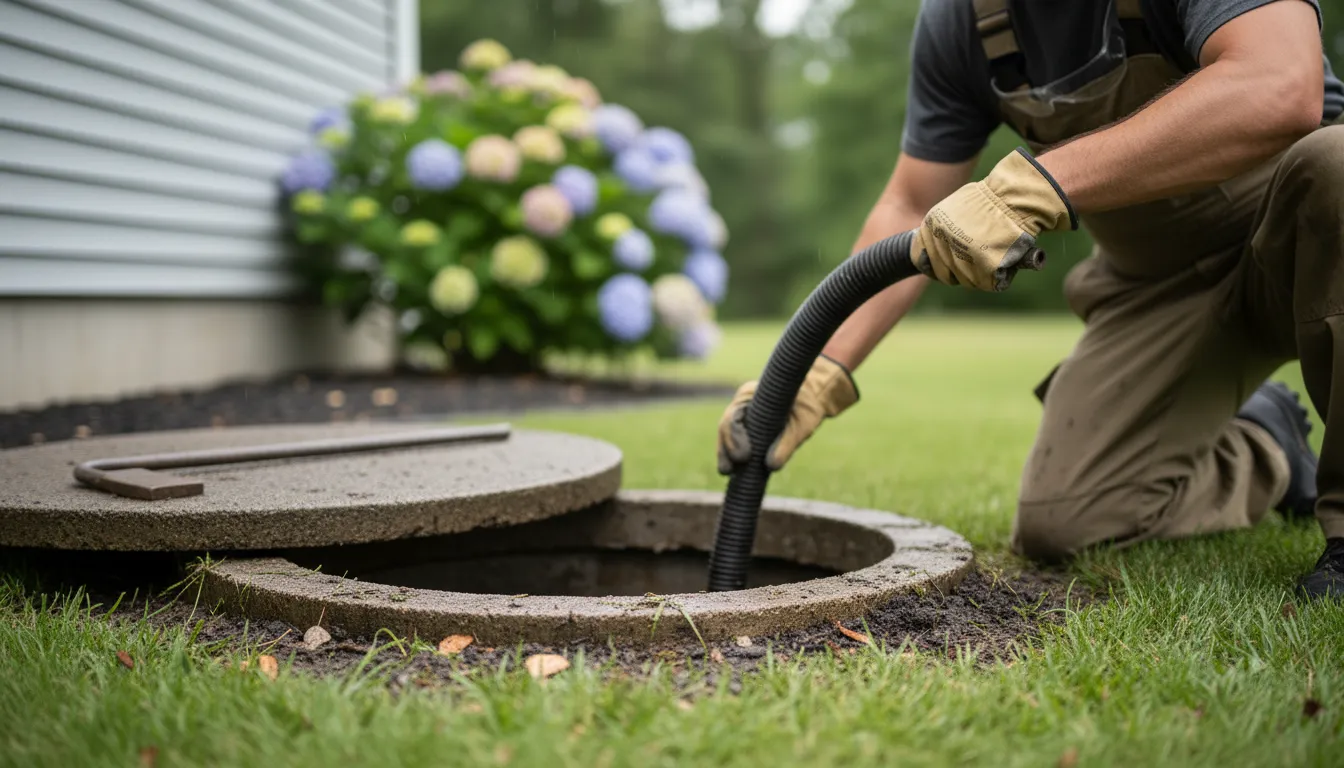
Find the Best Septic Tank Pumping Contractors for Your Business
No obligation • Fast responses • Nationwide coverage

Why you can trust Septic Spot
Septic Spot is a leading United States resource for understanding and comparing septic services. Our editors review providers using consistent criteria and verify key business details. Listings and scores are independent, and companies cannot pay to influence our content.
Search providers near you
Top Septic Tank Pumping Contractors in Apple Valley, Minnesota Ranked
Maintaining your septic system is a critical responsibility for Minnesota homeowners. Regular septic tank pumping removes accumulated solids, preventing system failure, environmental contamination, and costly repairs. This service is not just a recommendation-it's a state-mandated requirement for protecting public health and water quality. Understanding Minnesota's specific regulations, costs, and best practices can help you find a qualified local professional to keep your system functioning properly for years to come.
Meyer Sewer Service
5325 Manning Ave S, Afton, MN 55001
Meyer Sewer Service is a septic tank pumping company serving St Paul, MN, and the surrounding area. They provide residential, commercial, and industrial pumping services with over 40 years of experience. The company is licensed, bonded, and insured, ensuring professional and secure service. Meyer Sewer Service has been a member of the Better Business Bureau since 2001 and has earned an A+ rating. They are known for their reliable septic pumping and have built a strong reputation in the community since 1976.
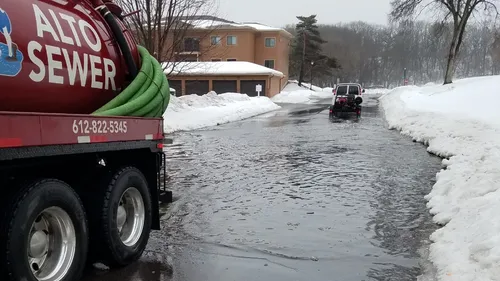
Alto Sewer Service - MN Drain Cleaning Company
1019 Concord St N, South St Paul, MN 55075
Alto Sewer Service - MN Drain Cleaning Company is based in Minneapolis, MN, providing commercial and residential septic tank pumping and inspection services. Established in 1965, the company offers a range of services including water jetting, video inspections, pipe locating, steam thawing, and septic maintenance. They serve the Twin Cities Metro area with expertise in handling clogged plumbing and septic system needs. Alto Sewer Service operates 24 hours a day, 364 days a year, offering after-hours availability for urgent situations.
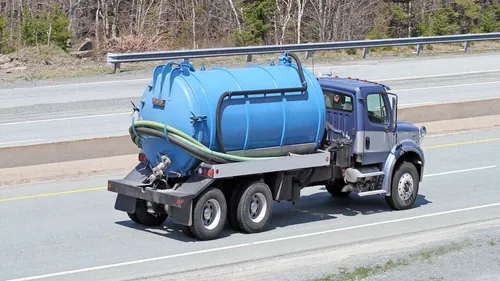
Pinky's Environmental & Sewer
St Paul, MN
Pinky's Environmental & Sewer is a family-owned septic tank pumping company serving St Paul, MN, and surrounding counties in Minnesota and Wisconsin. With over 50 years of experience, they provide septic tank cleaning and maintenance services to residential, commercial, and industrial clients. Their technicians are knowledgeable and courteous, and the company emphasizes environmental care and customer education. Pinky's offers 24/7 phone monitoring for emergency service requests.
Alto Sewer & Drain Cleaning Services
Minneapolis, MN
Alto Sewer & Drain Cleaning Services is a full-service company based in Minneapolis, MN, specializing in septic tank pumping, inspection, and comprehensive drain and sewer cleaning. They offer services such as hydro-jetting, video inspections to diagnose pipe issues, commercial pumping, and frozen pipe thawing. Their licensed and bonded septic maintenance supports subsurface sewage treatment systems. Alto Sewer focuses on preventing blockages and maintaining system longevity through routine cleaning and professional care.
Understanding Minnesota's Septic System Regulations
In Minnesota, septic systems are formally known as Subsurface Sewage Treatment Systems (SSTS). State law, enforced by the Minnesota Pollution Control Agency (MPCA), requires that these systems be inspected and/or pumped by a licensed professional at least every three years 1. This is often called the "Three-Year Rule." The inspection will measure the sludge and scum layers inside your tank; if either layer is too thick, the tank must be pumped immediately, regardless of the three-year schedule 2.
It is the homeowner's legal responsibility to ensure this maintenance is performed and to prevent solids from escaping the tank and clogging the drainfield, which is the most common cause of system failure 3. Pumping must always be done through the designated maintenance hole, not the inspection pipes, to ensure all solids are properly removed.
Important Note: Some counties and townships in Minnesota have local ordinances that are stricter than the state's three-year requirement. Always check with your local government unit to confirm the specific rules that apply to your property.
How Often Should You Pump Your Septic Tank?
While the state sets a maximum interval of three years, the ideal pumping frequency for your home depends on several factors. The University of Minnesota Extension recommends tailoring your schedule based on your household's specific conditions 4.
- Lower Risk (Pump every 2-3 years): This applies to smaller households, systems with larger tank capacity, and homes with water-conscious habits.
- Higher Risk (Pump annually or every 1-2 years): This is necessary for larger families, systems with smaller tanks, homes with heavy water usage, and those that frequently use a garbage disposal 5 6.
The size of your tank and the amount of wastewater your household generates are the primary determinants. A family of four with a 1,000-gallon tank will need service much more often than a couple living in a home with a 1,500-gallon tank 7. An MPCA-licensed inspector can assess your system and recommend a pumping schedule that fits your usage patterns.
What to Expect: The Cost of Pumping in Minnesota
For a standard, routine maintenance pumping, Minnesota homeowners can expect to pay between $250 and $5008 9 10. This typical cost covers the labor and equipment for accessing the tank, removing the sludge and scum, and properly disposing of the waste at a licensed facility.
Several variables can cause the price to increase from this baseline:
- Tank Size: Larger tanks (e.g., 1,500 gallons or more) cost more to pump than standard 1,000-gallon tanks.
- Accessibility: If the maintenance hole lids are buried and require digging to locate, the service will take more time and labor. Systems without installed risers (vertical pipes to the surface) often incur this extra charge.
- Condition: Tanks that have gone far beyond their recommended pumping interval may have excessive, hardened sludge that requires more effort to remove.
- Location: Travel distance for the service provider in more rural parts of the state can influence the final price.
Find the perfect septic tank pumping contractors for your needs
Get personalized recommendations and expert advice
Best Practices for a Healthy Septic System
Pumping is essential, but what you do between service visits is just as important for the longevity of your SSTS. Following these guidelines can prevent emergencies and extend the life of your drainfield.
Improve Access and Protect Your System:
- Install Riser Lids: Have a professional install insulated risers from your tank's maintenance holes to the ground surface. This makes future inspections and pumping easier, faster, and cheaper.
- Divert Water: Ensure roof drains, sump pumps, and surface runoff are directed away from your septic tank and drainfield area.
Mind Your Household Habits:
- Spread Out Water Use: Avoid overwhelming your system by spacing out high-water activities. Instead of doing all laundry in one day, spread loads throughout the week 11.
- Conserve Water: Fix leaky faucets and toilets promptly, and consider installing high-efficiency fixtures to reduce the daily flow into your tank.
- Landscape Carefully: Never drive or park vehicles over your drainfield, and plant only grass or shallow-rooted plants over it.
What Not to Put Into Your Septic System
Your septic system relies on a delicate balance of bacteria to break down waste. Flushing the wrong items can kill these bacteria, clog pipes, and fill your tank with indigestible solids.
Never Flush:
- Non-biodegradable items: This includes "flushable" wipes, feminine hygiene products, paper towels, dental floss, diapers, and cigarette butts.
- Chemicals: Harsh cleaners, paints, solvents, pesticides, and motor oil can poison the bacterial ecosystem.
- Food Waste: Excessive use of a garbage disposal significantly increases the solid load in your tank. Compost food scraps when possible 12 13.
- Grease and Fats: These congeal and contribute to scum layer buildup and blockages.
- Medications: Pharmaceuticals can disrupt treatment processes and contaminate groundwater.
A Note on Additives: Most septic system experts and state agencies advise against using septic tank additives or "cleaners." A properly maintained system does not need them, and some types can actually harm your drainfield or are simply a waste of money 14 15.
The Inspection and Pumping Process
When you hire an MPCA-licensed professional, a thorough service includes both inspection and pumping.
- Locating and Accessing the Tank: The technician will locate your tank and dig down to the maintenance hole lids (if risers are not present).
- Inspecting the Tank: Before pumping, they will measure the thickness of the sludge layer at the bottom and the scum layer at the top. This determines if pumping is needed per state guidelines.
- Pumping: Using a large tank truck, all liquid and solid waste is vacuumed from the tank through the maintenance hole.
- System Check: A good technician will also briefly check the drainfield for signs of surfacing effluent and note the condition of baffles and tees inside the tank.
- Disposal: The waste is transported to a municipal wastewater treatment plant or other approved disposal site.
Always request and keep the service report for your records, as you may need to provide proof of compliance with local ordinances.
Signs Your System Needs Immediate Attention
Don't wait for your scheduled inspection if you notice any of these red flags, which indicate a potential system failure:
- Slow Drains: Sinks, showers, and toilets that drain very slowly, especially if gurgling is involved.
- Sewage Odors: Unpleasant smells inside your home or around the tank/drainfield area outdoors.
- Wet Spots: Soggy, spongy, or unusually green and lush grass over the drainfield, even in dry weather.
- Sewage Backup: The most serious sign, where wastewater backs up into household drains.
If you observe any of these issues, contact a licensed septic professional immediately to assess the situation and prevent environmental damage.
Frequently asked questions
Sources
Footnotes
-
SSTS service and maintenance | Minnesota Pollution Control Agency - https://www.pca.state.mn.us/business-with-us/ssts-service-and-maintenance ↩
-
ARTICLE II SEWAGE TREATMENT - East Bethel, MN - http://www.ci.east-bethel.mn.us/DocumentCenter/View/856 ↩
-
Septic systems | Minnesota Pollution Control Agency - https://www.pca.state.mn.us/business-with-us/septic-systems ↩
-
Care and maintenance - Onsite Sewage Treatment Program - https://septic.umn.edu/care-and-maintenance ↩
-
Cedar Septic and Sewer | Get your tank pumped. - https://www.cedarsepticandsewer.com/ ↩
-
How Often to Pump Septic Tank Family of 4 | Expert Guide 2025 - https://dillonseptic.com/how-often-to-pump-septic-tank-family-of-4/ ↩
-
How Often to Pump Your Septic Tank - https://www.splashplumbing.com/how-often-should-septic-tank-be-pumped-for-optimal-maintenance-and-longevity/ ↩
-
How Much Does It Cost to Pump Septic Tank: A Detailed Pricing Guide - https://www.benjaminfranklinplumbing.com/league-city/blog/2025/march/how-much-does-it-cost-to-pump-septic-tank-a-detailed-pricing-guide/ ↩
-
Maintaining Septic Systems - Blue Earth County, MN - https://www.blueearthcountymn.gov/1598/Maintaining-Septic-Systems ↩
-
How Much Does It Cost To Pump A Septic Tank? - https://www.barnesseptic.com/post/how-much-does-it-cost-to-pump-a-septic-tank ↩
-
Septic Tank Pumping Frequency Guidelines - https://www.beckertwpsherburnecomn.gov/sites/g/files/vyhlif16406/files/media/services/file/426/septic_tank_pumping_frequency_guidelines.pdf ↩
-
Keep your septic system healthy - Minnesota Pollution Control Agency - https://www.pca.state.mn.us/news-and-stories/keep-your-septic-system-healthy ↩
-
Septic Tank Pumping Guide for Families - https://www.benjaminfranklinplumbing.com/league-city/blog/2025/march/how-often-to-pump-septic-tank-family-of-4-essential-maintenance-tips/ ↩
-
Smart Solutions for Optimizing Septic Tank Pumping Frequency - https://smartsepticpros.com/blog/septic-tank-pumping-frequency/ ↩
-
A Guide to A Homeowners Septic System Manual - https://www.gpr-inc.com/a-guide-to-a-homeowners-septic-system-manual/ ↩