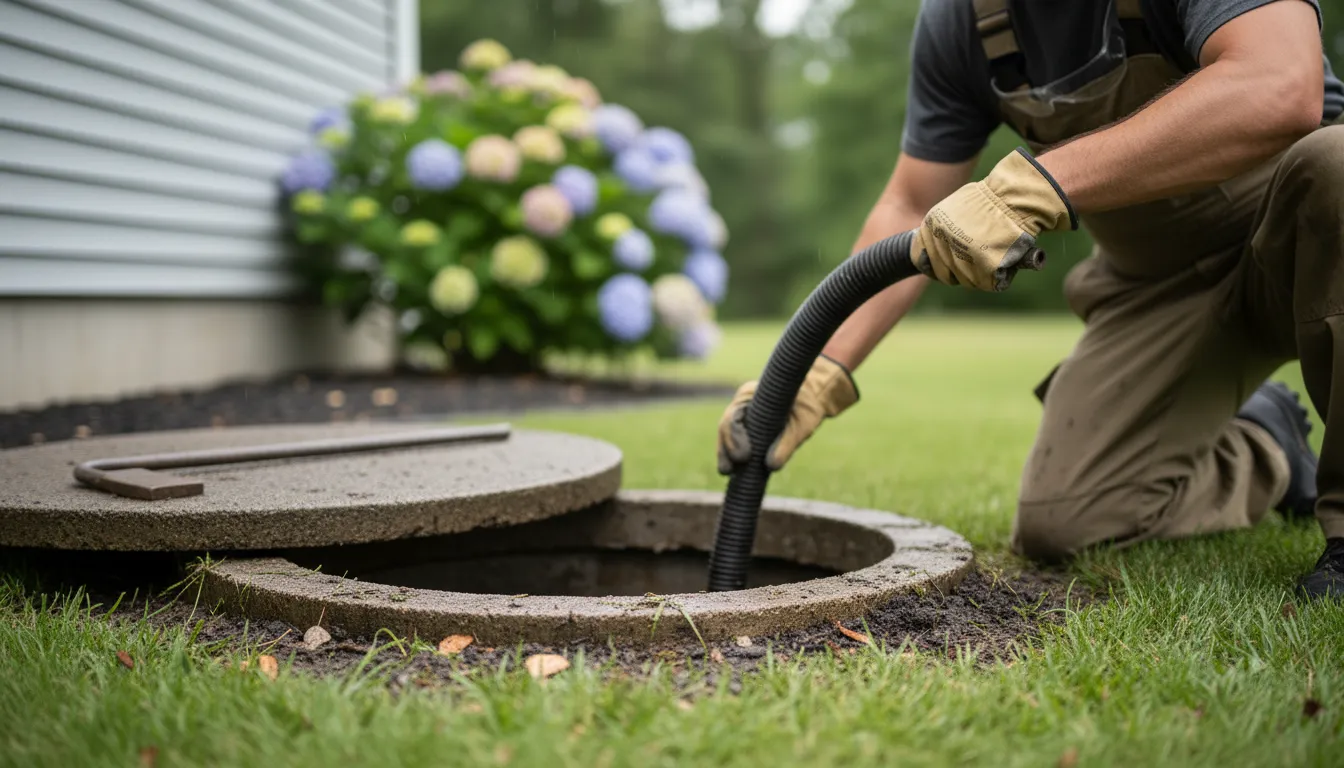
Find the Best Septic Tank Pumping Contractors for Your Business
No obligation • Fast responses • Nationwide coverage

Why you can trust Septic Spot
Septic Spot is a leading United States resource for understanding and comparing septic services. Our editors review providers using consistent criteria and verify key business details. Listings and scores are independent, and companies cannot pay to influence our content.
Search providers near you
Top Septic Tank Pumping Contractors in St Paul, Minnesota Ranked
Maintaining your septic system is a crucial responsibility for any homeowner in St. Paul. Regular septic tank pumping is not just a recommendation-it's a city-mandated requirement to protect public health, groundwater, and your property's value. This essential service removes accumulated solids from your tank, preventing system failure and costly repairs. Here, you can find clear information on local regulations, typical costs, and best practices to help you connect with certified professionals who can keep your system functioning properly.
Meyer Sewer Service
5325 Manning Ave S, Afton, MN 55001
Meyer Sewer Service is a septic tank pumping company serving St Paul, MN, and the surrounding area. They provide residential, commercial, and industrial pumping services with over 40 years of experience. The company is licensed, bonded, and insured, ensuring professional and secure service. Meyer Sewer Service has been a member of the Better Business Bureau since 2001 and has earned an A+ rating. They are known for their reliable septic pumping and have built a strong reputation in the community since 1976.
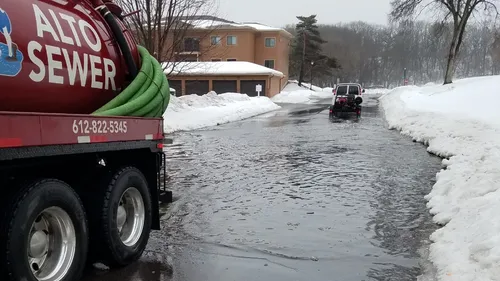
Alto Sewer Service - MN Drain Cleaning Company
1019 Concord St N, South St Paul, MN 55075
Alto Sewer Service - MN Drain Cleaning Company is based in Minneapolis, MN, providing commercial and residential septic tank pumping and inspection services. Established in 1965, the company offers a range of services including water jetting, video inspections, pipe locating, steam thawing, and septic maintenance. They serve the Twin Cities Metro area with expertise in handling clogged plumbing and septic system needs. Alto Sewer Service operates 24 hours a day, 364 days a year, offering after-hours availability for urgent situations.
Pinky's Environmental & Sewer
St Paul, MN
Pinky's Environmental & Sewer is a family-owned septic tank pumping company serving St Paul, MN, and surrounding counties in Minnesota and Wisconsin. With over 50 years of experience, they provide septic tank cleaning and maintenance services to residential, commercial, and industrial clients. Their technicians are knowledgeable and courteous, and the company emphasizes environmental care and customer education. Pinky's offers 24/7 phone monitoring for emergency service requests.
Alto Sewer & Drain Cleaning Services
Minneapolis, MN
Alto Sewer & Drain Cleaning Services is a full-service company based in Minneapolis, MN, specializing in septic tank pumping, inspection, and comprehensive drain and sewer cleaning. They offer services such as hydro-jetting, video inspections to diagnose pipe issues, commercial pumping, and frozen pipe thawing. Their licensed and bonded septic maintenance supports subsurface sewage treatment systems. Alto Sewer focuses on preventing blockages and maintaining system longevity through routine cleaning and professional care.
Understanding St. Paul's Septic System Regulations
In St. Paul, septic systems are formally known as Subsurface Sewage Treatment Systems (SSTS). The city has specific, enforceable codes governing their maintenance to ensure environmental safety. The cornerstone of these regulations is a mandatory inspection and pumping schedule. Homeowners are legally required to have their system inspected and pumped by a Minnesota Pollution Control Agency (MPCA) certified professional at least every two years. This isn't a suggestion; it's a compliance issue with the Saint Paul Department of Safety and Inspection (DSI).
Following the service, your licensed contractor must submit two key documents to the DSI within 30 days: a "Subsurface Sewage Treatment System Maintenance Inspection Report" and a pumping report 1. There is a standard $20 fee for filing this paperwork. The inspection is thorough, checking critical components like sludge and scum levels, tank baffles, and the condition of the soil treatment area (your drainfield) 1 2. This proactive approach helps identify small issues before they become major, landscape-destroying problems.
The Cost of Septic Pumping in the Twin Cities
Budgeting for this necessary maintenance is straightforward. For a routine septic tank pumping service in the Minneapolis/St. Paul area, homeowners can generally expect to pay between $200 and $5003. Several factors influence the final price:
- Tank Size: This is the primary cost driver. A smaller residential tank (under 750 gallons) may be on the lower end of the scale, around $175 to $300. Larger systems, common for bigger homes, (over 1,500 gallons) will typically cost more, often exceeding $600 for pumping 4 5.
- Condition and Access: If the tank requires additional labor, such as digging to uncover buried access lids or backflushing to clear stubborn solids, the price will increase. Always ensure pumping is done through the main large manhole (20-24 inches in diameter) and not the smaller inspection pipes for a proper, complete job.
- Additional Services: The mandated inspection is usually part of the service call. Any minor repairs noted, or if the technician discovers an urgent issue like a failing drainfield, would be quoted separately.
Find the perfect septic tank pumping contractors for your needs
Get personalized recommendations and expert advice
Why Regular Pumping is Non-Negotiable
Skipping or delaying your septic tank cleaning is a gamble with high stakes. When solids are not routinely removed, they can flow out of the tank and into the drainfield. This clogs the soil pores, leading to a system failure. Signs of failure include sewage backing up into your home, soggy ground or standing water over the drainfield, and foul odors 6. Repairing or replacing a drainfield is a major excavation project that can cost tens of thousands of dollars-far more than a lifetime of routine pumping appointments.
Regular maintenance is the most effective way to extend the lifespan of your entire onsite sewage treatment system. A well-cared-for system can last for decades. Furthermore, it protects Minnesota's abundant lakes and groundwater from harmful nutrient and bacterial contamination. By adhering to the two-year rule, you're investing in your property and doing your part for the local environment.
Best Practices for St. Paul Homeowners
Beyond scheduling regular pumping with a certified pro, you can take steps to keep your system healthy between service visits.
- Mind What Goes Down the Drain: Avoid flushing anything other than human waste and toilet paper. Never pour grease, coffee grounds, or harsh chemicals down the drain. Use a garbage disposal sparingly, as it significantly increases the solid load entering your tank.
- Conserve Water: Sudden large volumes of water can overwhelm the system. Spread out laundry loads over the week and fix leaky faucets and toilets promptly. Efficient water use allows the tank adequate time to separate solids and liquids.
- Protect Your Drainfield: Never drive or park vehicles over the soil treatment area. Avoid planting trees or deep-rooted shrubs nearby, and keep roof drains and sump pump discharges away from the field to prevent saturation.
- Plan for the Seasons: While emergency pumping can be done year-round, it's highly recommended to schedule your routine septic tank servicing during the summer or early fall7 8. Frozen ground in winter can make access difficult, and there's a risk of freezing in system pipes if they are disturbed and not properly insulated afterward.
Finding a Certified Service Provider
Your septic system is a significant investment, so choosing the right contractor is key. Always verify that the company or individual is currently certified by the Minnesota Pollution Control Agency (MPCA) for SSTS maintenance and pumping 9. Certified professionals understand the local St. Paul code requirements and will ensure the proper paperwork is filed with the city on your behalf. They have the training to perform a complete inspection and identify potential issues. When evaluating providers, look for established local companies with positive reviews and clear, upfront pricing for the standard two-year inspection and pumping service.
Frequently asked questions
Sources
Footnotes
-
Maintenance Requirements for Subsurface ... - StPaul.gov - https://www.stpaul.gov/sites/default/files/2023-06/DSI.Bldg_Plumbing_Maintenance%20Requirements%20Master%2005-17-2023.pdf ↩ ↩2
-
Keep your septic system healthy - Minnesota Pollution Control Agency - https://www.pca.state.mn.us/news-and-stories/keep-your-septic-system-healthy ↩
-
How Much Does It Cost to Pump a Septic Tank in Minneapolis, MN? - https://www.angi.com/articles/how-much-does-septic-tank-pumping-cost/mn/minneapolis ↩
-
Residential Septic Tank Pricing | Homeowner's Guide to Costs - https://www.ntotank.com/blog/residential-septic-tank-pricing ↩
-
How Often to Pump a Septic Tank - Clear River Environmental - https://clearriverenvironmental.com/how-often-to-pump-a-septic-tank/ ↩
-
Care and maintenance | Onsite Sewage Treatment Program - https://septic.umn.edu/care-and-maintenance ↩
-
All about septics - Onsite Sewage Treatment Program - https://septic.umn.edu/all-about-septics ↩
-
5 Factors for Septic Tank Pumping Frequency - https://www.wrenvironmental.com/blog/2025/november/5-key-factors-that-influence-septic-pumping-freq/ ↩
-
SSTS service and maintenance | Minnesota Pollution Control ... - https://www.pca.state.mn.us/business-with-us/ssts-service-and-maintenance ↩