Find the Best Septic Tank Pumping Contractors for Your Business
No obligation • Fast responses • Nationwide coverage

Why you can trust Septic Spot
Septic Spot is a leading United States resource for understanding and comparing septic services. Our editors review providers using consistent criteria and verify key business details. Listings and scores are independent, and companies cannot pay to influence our content.
Search providers near you
Top Septic Tank Pumping Contractors in Minnetonka, Minnesota Ranked
Maintaining a healthy septic system is a crucial responsibility for homeowners in Minnetonka. Regular septic tank pumping is the most essential service to prevent system failure, protect your property value, and safeguard local water quality. This guide explains why this maintenance is so important, what the process entails according to Minnesota regulations, and how you can find qualified local professionals to ensure your system operates reliably for years to come.
Alto Sewer Service - MN Drain Cleaning Company
1019 Concord St N, South St Paul, MN 55075
Alto Sewer Service - MN Drain Cleaning Company is based in Minneapolis, MN, providing commercial and residential septic tank pumping and inspection services. Established in 1965, the company offers a range of services including water jetting, video inspections, pipe locating, steam thawing, and septic maintenance. They serve the Twin Cities Metro area with expertise in handling clogged plumbing and septic system needs. Alto Sewer Service operates 24 hours a day, 364 days a year, offering after-hours availability for urgent situations.
Alto Sewer & Drain Cleaning Services
Minneapolis, MN
Alto Sewer & Drain Cleaning Services is a full-service company based in Minneapolis, MN, specializing in septic tank pumping, inspection, and comprehensive drain and sewer cleaning. They offer services such as hydro-jetting, video inspections to diagnose pipe issues, commercial pumping, and frozen pipe thawing. Their licensed and bonded septic maintenance supports subsurface sewage treatment systems. Alto Sewer focuses on preventing blockages and maintaining system longevity through routine cleaning and professional care.
Why Regular Septic Maintenance is Non-Negotiable
Your septic system is a silent workhorse, treating all the wastewater from your home. When functioning properly, it protects your family's health and the environment. However, neglecting routine septic system pumping allows solids (sludge and scum) to accumulate. Over time, these solids can flow into and clog the drainfield, leading to sewage backups in your home, soggy patches and foul odors in your yard, and costly repairs or complete system replacement 1. In Minnetonka and throughout Hennepin County, these systems are formally known as Subsurface Sewage Treatment Systems (SSTS), and they are regulated to prevent contamination of Minnesota's abundant lakes and groundwater 2.
Proactive maintenance is always more affordable than emergency repairs. A standard septic tank cleaning, which includes pumping and an inspection, is a scheduled expense. In contrast, fixing a failed drainfield can cost tens of thousands of dollars. Furthermore, Minnesota state rules tie required compliance inspections to the pumping process-a tank must be pumped empty to complete a proper inspection 3. Staying on a regular pumping schedule is the simplest way to ensure your system remains in compliance and avoids environmental hazards.
Understanding Minnesota's Pumping Requirements
Minnesota has clear guidelines to help homeowners protect their investments. The baseline rule for septic tank servicing frequency is at least every three years. This is a minimum standard. Several factors specific to your household can necessitate more frequent septic system maintenance:
- Household Size and Water Usage: More residents mean more wastewater and faster solids buildup.
- Tank Size: Older or smaller tanks fill up more quickly.
- Garbage Disposal Use: Disposals significantly increase the volume of solids entering the tank.
- System Age and Design: Older systems or those with alternative technologies may have different needs.
A licensed professional can assess these factors during a service visit to recommend the ideal pumping interval for your situation 4. It's also important to note that local ordinances in Hennepin County or the City of Minnetonka can be more stringent than state rules, so consulting with local officials is always advised.
The Professional Pumping Process: What to Expect
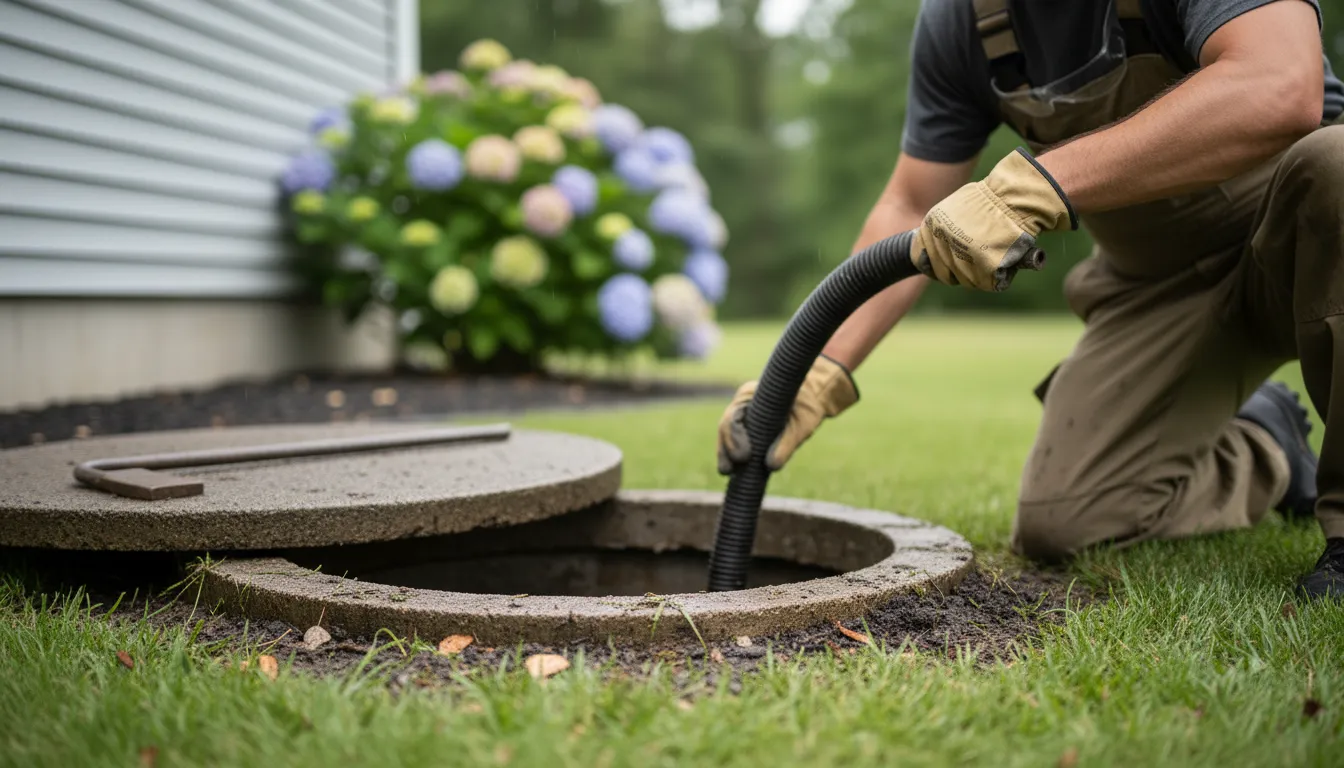
A proper septic service involves more than just removing liquid. Licensed SSTS maintainers follow a specific protocol to ensure a thorough job and a compliant inspection 5.
- Locating and Accessing the Tank: The technician will locate the tank's maintenance hole (the large central opening) and inspection pipes. Crucially, solids must be removed through the maintenance hole, not an inspection pipe, to ensure all sludge is evacuated.
- Pumping and Inspection: The tank is pumped completely empty. This allows the technician to inspect the tank interior for cracks, leaks, and the structural integrity of baffles. They will also measure the scum and sludge layers to document the system's condition.
- Effluent Screen Service: If your tank is equipped with an effluent screen (which filters solids before water leaves the tank), it will be removed and cleaned.
- Reporting: The maintainer will provide a report of the services performed and the system's condition, which is vital for your records and any real estate transactions.
Cost Considerations for Septic Services in Minnetonka
The cost for routine septic tank pumping in the Minnetonka area typically ranges from $300 to $600 6. This is an investment in your property's long-term functionality. The final price depends on a few key variables:
- Tank Size and Capacity: Larger tanks cost more to pump.
- Tank Accessibility: Tanks with installed risers that bring the lid to ground level are easier and faster to service, often reducing labor costs. Tanks buried deep without risers require more time to excavate.
- Condition of the Tank: If the tank is overly full, has never been pumped, or requires additional cleanup, the job may take longer.
- Additional Services: The quote may include the inspection, effluent screen cleaning, or minor adjustments.
While price is a factor, the qualification and licensing of the service provider are paramount. Always verify that the company you hire is a licensed Minnesota SSTS Maintainer.
Find the perfect septic tank pumping contractors for your needs
Get personalized recommendations and expert advice
Pro Tips for a Healthy Septic System
Beyond scheduling regular pump-outs, homeowners can take simple steps to extend their system's life and efficiency.
- Install Risers: Adding risers from your tank's maintenance hole and inspection ports to the soil surface is one of the best upgrades you can make. It saves time and money on every future service by eliminating the need for digging.
- Conserve Water: Spread out laundry loads, fix leaky faucets, and install high-efficiency fixtures to reduce the hydraulic load on your system.
- Mind What You Flush: Only human waste and toilet paper should go down the drain. Avoid flushing wipes (even "flushable" ones), feminine hygiene products, cooking grease, chemicals, and medications.
- Avoid Additives: Commercial septic tank additives or cleaners are not necessary for a properly functioning system and can actually harm the biological treatment process and potentially damage components 7.
- Protect Your Drainfield: Never drive or park vehicles over the drainfield, and keep roof drains, sump pumps, and other surface water away from the area.
Planning for Inspection and Compliance
If you are selling your home, a Time of Sale Inspection is required in Minnesota. This must be performed by a licensed SSTS Inspector. Having a recent pumping and maintenance record from a licensed maintainer significantly smooths this process. Even if you're not selling, keeping detailed service records is excellent practice. It provides a history for troubleshooting issues and demonstrates responsible ownership.
Frequently asked questions
Sources
Footnotes
-
Keep your septic system healthy - Minnesota Pollution Control Agency - https://www.pca.state.mn.us/news-and-stories/keep-your-septic-system-healthy ↩
-
Septic systems | Minnesota Pollution Control Agency - https://www.pca.state.mn.us/business-with-us/septic-systems ↩
-
Minnesota Septic Inspection Rule - Jack Chivers Realty - https://www.jackchiversrealty.com/news/2021/01/13/new-minnesota-septic-rule ↩
-
5 Factors for Septic Tank Pumping Frequency - https://www.wrenvironmental.com/blog/2025/november/5-key-factors-that-influence-septic-pumping-freq/ ↩
-
SSTS service and maintenance - Minnesota Pollution Control Agency - https://www.pca.state.mn.us/business-with-us/ssts-service-and-maintenance ↩
-
Understanding the Average Cost to Pump a Septic Tank - https://www.scorpionsepticservices.com/blog/understanding-the-average-cost-to-pump-a-septic-tank ↩
-
Smart Solutions for Optimizing Septic Tank Pumping Frequency - https://smartsepticpros.com/blog/septic-tank-pumping-frequency/ ↩