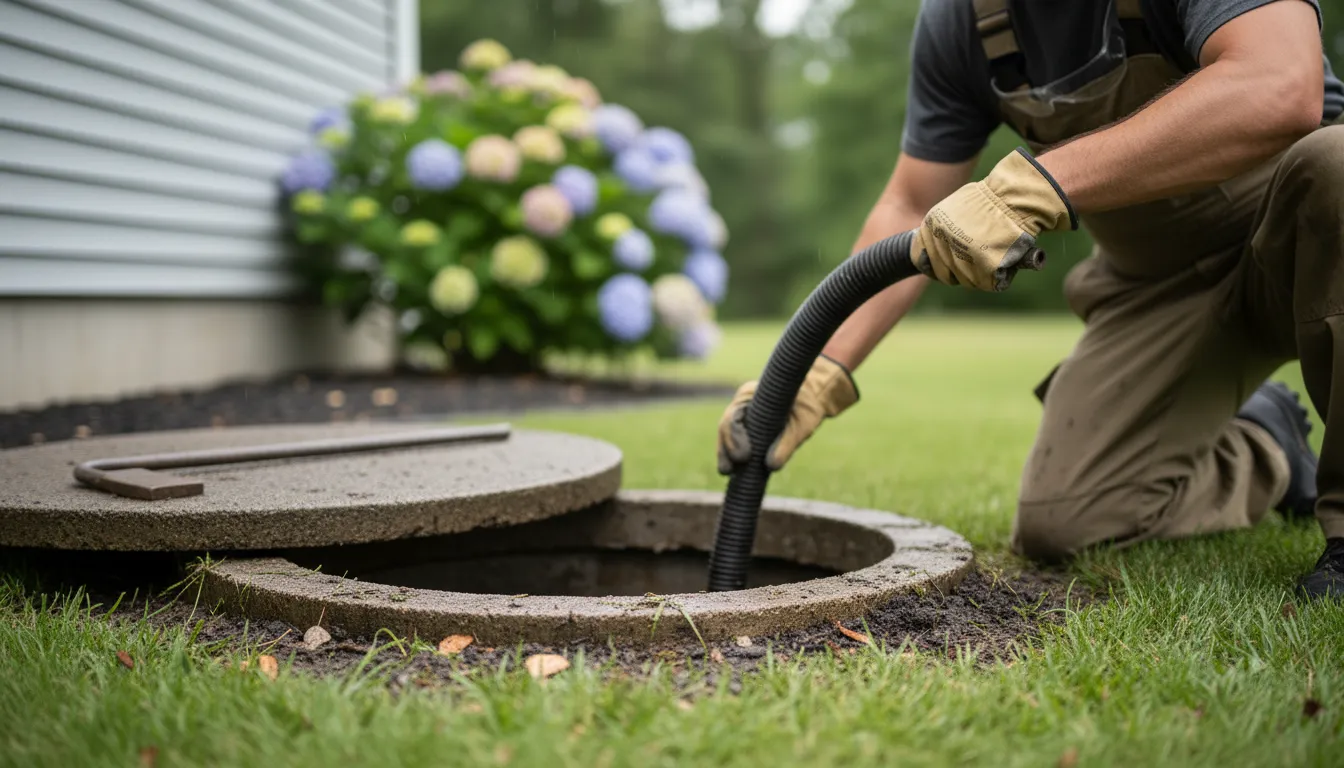
Find the Best Septic Tank Pumping Contractors for Your Business
No obligation • Fast responses • Nationwide coverage

Why you can trust Septic Spot
Septic Spot is a leading United States resource for understanding and comparing septic services. Our editors review providers using consistent criteria and verify key business details. Listings and scores are independent, and companies cannot pay to influence our content.
Search providers near you
Top Septic Tank Pumping Contractors in St Louis Park, Minnesota Ranked
Maintaining a functional septic system is a crucial responsibility for homeowners in St Louis Park. Regular septic tank pumping and inspection are not just about preventing unpleasant backups; they are essential for protecting your property, your health, and Minnesota's valuable water resources. This guide explains the local requirements, best practices, and key considerations for septic system maintenance, helping you connect with qualified, licensed professionals in the area to keep your system operating smoothly for years to come.
Meyer Sewer Service
5325 Manning Ave S, Afton, MN 55001
Meyer Sewer Service is a septic tank pumping company serving St Paul, MN, and the surrounding area. They provide residential, commercial, and industrial pumping services with over 40 years of experience. The company is licensed, bonded, and insured, ensuring professional and secure service. Meyer Sewer Service has been a member of the Better Business Bureau since 2001 and has earned an A+ rating. They are known for their reliable septic pumping and have built a strong reputation in the community since 1976.
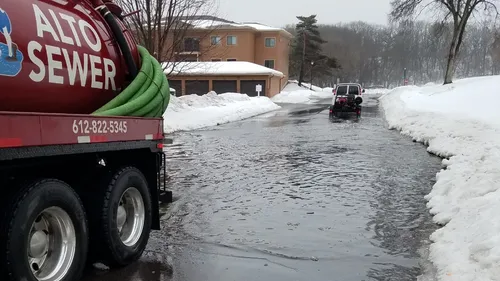
Alto Sewer Service - MN Drain Cleaning Company
1019 Concord St N, South St Paul, MN 55075
Alto Sewer Service - MN Drain Cleaning Company is based in Minneapolis, MN, providing commercial and residential septic tank pumping and inspection services. Established in 1965, the company offers a range of services including water jetting, video inspections, pipe locating, steam thawing, and septic maintenance. They serve the Twin Cities Metro area with expertise in handling clogged plumbing and septic system needs. Alto Sewer Service operates 24 hours a day, 364 days a year, offering after-hours availability for urgent situations.
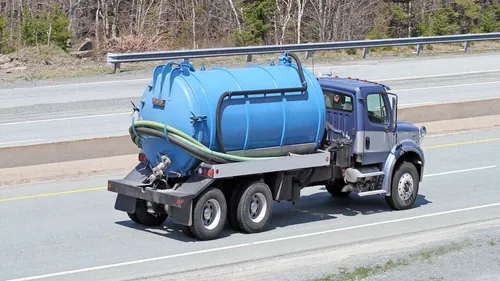
Pinky's Environmental & Sewer
St Paul, MN
Pinky's Environmental & Sewer is a family-owned septic tank pumping company serving St Paul, MN, and surrounding counties in Minnesota and Wisconsin. With over 50 years of experience, they provide septic tank cleaning and maintenance services to residential, commercial, and industrial clients. Their technicians are knowledgeable and courteous, and the company emphasizes environmental care and customer education. Pinky's offers 24/7 phone monitoring for emergency service requests.
Alto Sewer & Drain Cleaning Services
Minneapolis, MN
Alto Sewer & Drain Cleaning Services is a full-service company based in Minneapolis, MN, specializing in septic tank pumping, inspection, and comprehensive drain and sewer cleaning. They offer services such as hydro-jetting, video inspections to diagnose pipe issues, commercial pumping, and frozen pipe thawing. Their licensed and bonded septic maintenance supports subsurface sewage treatment systems. Alto Sewer focuses on preventing blockages and maintaining system longevity through routine cleaning and professional care.
Understanding Your Subsurface Sewage Treatment System (SSTS)
In Minnesota, including St Louis Park, septic systems are formally known as Subsurface Sewage Treatment Systems (SSTS). These systems are private wastewater treatment plants for homes not connected to a municipal sewer line. A typical system consists of a septic tank, where solids settle and begin to decompose, and a drainfield, where the clarified liquid is dispersed into the soil for final treatment. Proper SSTS maintenance, including scheduled septic tank cleaning, is vital for preventing system failure, which can lead to costly repairs and environmental contamination 1 2.
St. Louis Park and Minnesota SSTS Regulations
Septic system maintenance in St. Louis Park is governed by rules set by the Minnesota Pollution Control Agency (MPCA) and enforced locally. These regulations are designed to protect groundwater and surface water from contamination. The core requirement is that all SSTS must be inspected by a state-licensed maintenance professional at least once every three years. This inspection is not a mere formality; it involves checking sludge and scum levels, inspecting tank integrity and baffles, and assessing the overall system's health. The findings must be recorded, creating an official maintenance record for your property 3.
The Link Between Inspection and Pumping
While the state mandates a triennial inspection, the need for actual septic tank pumping is determined during that inspection. The professional measures the accumulated solids in your tank. If the sludge and scum layers exceed certain thresholds, pumping is required to restore the tank's capacity and prevent solids from escaping into the drainfield, which is the most common cause of system failure.
How Often Should You Pump Your Septic Tank in St. Louis Park?
The standard guideline for septic tank pumping frequency is every 3 to 5 years 4 5. However, this is a general range. The exact interval for your home depends on several key factors:
- Household Size: This is the primary driver. A tank serving a 1-2 person household may only need pumping every 5-7 years, while a tank serving a family of 5 or more will likely require service every 2-3 years due to higher wastewater volume 6.
- Tank Size: Older homes may have smaller tanks (e.g., 750 gallons) that fill with solids more quickly than modern 1,000-1,500 gallon tanks.
- Water Usage: Excessive water use from leaky fixtures, frequent laundry loads, or long showers can overload the system, reducing treatment time and requiring more frequent pumping.
- Garbage Disposal Use: Using a garbage disposal significantly increases the amount of solids entering the tank, shortening the time between necessary pump-outs.
- What You Flush: Flushing non-biodegradable items like wipes, dental floss, or feminine hygiene products can clog baffles and fill the tank with indigestible material.
Relying on a licensed inspector to assess these factors for your specific system is the only way to determine a truly accurate pumping schedule.
Find the perfect septic tank pumping contractors for your needs
Get personalized recommendations and expert advice
What to Expect During a Professional Pumping Service
Hiring a licensed SSTS service provider ensures the job is done correctly and legally. A proper septic tank pumping service involves more than just removing waste. A reputable professional will:
- Locate and uncover the tank access lids.
- Inspect the tank interior, inlet/outlet baffles, and tees for damage.
- Measure the sludge and scum layers to document the need for pumping.
- Use a vacuum truck to remove all solids and liquids from the tank.
- Properly dispose of the septage at an approved treatment facility.
- File the required documentation with the local authority (St. Louis County Onsite Wastewater Division).
- Discuss any observations or concerns about your system's condition.
Avoid companies that only "pump and run" without providing an inspection or documentation, as this does not fulfill your legal maintenance requirement.
Cost of Septic Tank Pumping and Inspection
The cost for septic system maintenance in the St. Louis Park area varies based on tank size, accessibility, and the scope of the inspection. For a standard 1,000-1,500 gallon tank, a combined pumping and inspection service typically ranges from $250 to $500 7. Prices can be lower for a simple inspection or higher for larger tanks, difficult access, or if additional services like camera inspections are needed. It's wise to get estimates from several licensed providers, but remember that the lowest price may not include the thorough inspection and reporting required by law.
Protecting Your System Between Services
Your daily habits have a direct impact on your septic system's health and longevity. Follow these best practices to avoid problems:
- Conserve Water: Spread out laundry loads, fix leaky toilets and faucets, and install high-efficiency fixtures.
- Mind What You Flush: Only human waste and toilet paper should go down the toilet. Never flush wipes (even "flushable" ones), paper towels, hygiene products, or chemicals.
- Use the Trash, Not the Drain: Avoid using a garbage disposal. Scrape food scraps into the trash or compost.
- Protect the Drainfield: Never park or drive over the drainfield. Keep roof drains, sump pumps, and other surface water away from the area. Plant only grass over the drainfield; tree and shrub roots can cause severe damage.
Signs Your Septic System Needs Immediate Attention
Don't wait for your scheduled inspection if you notice any of these warning signs of a failing system:
- Slow drains or sewage backups in your home.
- Gurgling sounds in your plumbing.
- Unpleasant odors around the tank or drainfield.
- Spongy, bright green, or soggy grass over the drainfield, especially during dry weather.
- Surfacing sewage or effluent in your yard. If you observe any of these issues, contact a licensed SSTS professional immediately to diagnose and resolve the malfunction 8.
Frequently asked questions
Sources
Footnotes
-
How to Care for Your Septic System | US EPA - https://www.epa.gov/septic/how-care-your-septic-system ↩
-
Onsite Wastewater (Septic Systems) - https://www.stlouiscountymn.gov/departments-a-z/planning-zoning/onsite-wastewater ↩
-
How Often Should You Pump Your Septic Tank? - https://sharpsanitation.com/2024/11/how-often-should-you-pump-your-septic-tank-2/ ↩
-
Frequent Questions on Septic Systems | US EPA - https://www.epa.gov/septic/frequent-questions-septic-systems ↩
-
SSTS service and maintenance | Minnesota Pollution Control Agency - https://www.pca.state.mn.us/business-with-us/ssts-service-and-maintenance ↩
-
5 Factors for Septic Tank Pumping Frequency - https://www.wrenvironmental.com/blog/2025/november/5-key-factors-that-influence-septic-pumping-freq/ ↩
-
How Much Does a Septic Inspection Cost? [2026 Data] - Angie's List - https://www.angi.com/articles/septic-inspection-cost.htm ↩
-
Resolving Septic System Malfunctions | US EPA - https://www.epa.gov/septic/resolving-septic-system-malfunctions ↩