Find the Best Septic Tank Pumping Contractors for Your Business
No obligation • Fast responses • Nationwide coverage

Why you can trust Septic Spot
Septic Spot is a leading United States resource for understanding and comparing septic services. Our editors review providers using consistent criteria and verify key business details. Listings and scores are independent, and companies cannot pay to influence our content.
Search providers near you
Top Septic Tank Pumping Contractors in North Las Vegas, Nevada Ranked
Maintaining your septic system is a critical responsibility for any homeowner not connected to a municipal sewer line. Regular septic tank pumping is the cornerstone of this maintenance, preventing costly backups, protecting your property value, and ensuring compliance with local health regulations. For residents of North Las Vegas, understanding the specific guidelines set by the Southern Nevada Health District (SNHD) is essential. This guide will help you navigate the when, why, and how of septic system maintenance, empowering you to find qualified local professionals to keep your system functioning smoothly.
Las Vegas Septic Service
Las Vegas, NV
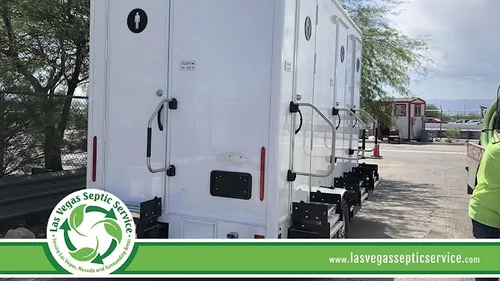
Las Vegas Septic Service provides a range of septic tank services in Las Vegas, NV, including pumping, inspections, grease trap cleaning, and lift station pumping. They serve both residential and commercial properties and offer specialized services such as laundromat lint trap maintenance, grow house interceptor care, and sand/oil separator upkeep. Their team helps maintain septic systems to prevent clogs, backups, and costly repairs. The company also serves nearby areas including North Las Vegas, Henderson, and Moapa.
Las Vegas Septic Service
Las Vegas, NV
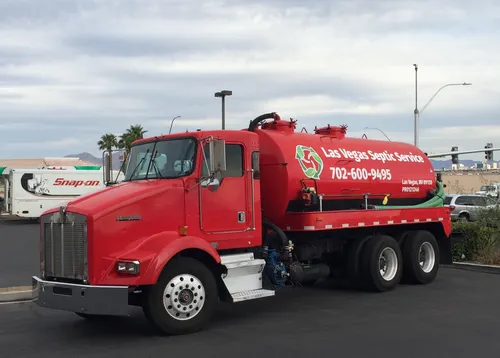
Las Vegas Septic Service is a local company providing septic tank pumping and maintenance in Las Vegas, NV, and nearby areas including Henderson. They offer a range of septic system services focused on keeping systems healthy and preventing costly repairs. Their expertise includes regular septic tank pumping, which is essential for system longevity and preventing field line clogs. The company emphasizes preventative maintenance as a key part of septic system care.
Total Drain Solutions
Las Vegas, NV
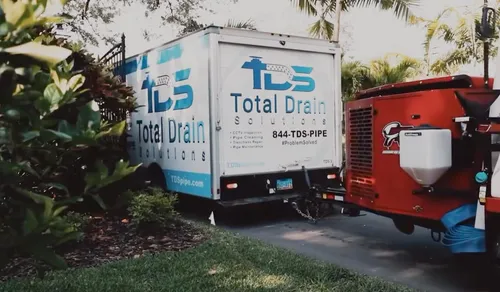
Total Drain Solutions is a septic tank pumping and sewer service company operating in Las Vegas, NV. They provide residential and commercial clients with services including sewer line repair, trenchless pipe replacement, hydro jetting, septic pumping, and emergency drain cleaning. Their team uses advanced diagnostic tools such as sewer camera inspections and pressure testing to accurately identify issues and apply trenchless repair methods that minimize disruption and avoid excavation. With over 50 years of combined experience, Total Drain Solutions emphasizes long-term repair solutions and offers same-day service options to address urgent plumbing needs.
Understanding Your Septic System and Local Regulations
In North Las Vegas and Clark County, individual sewage disposal systems (ISDS) are regulated by the Southern Nevada Health District (SNHD). This agency sets the rules for installation, maintenance, and inspection to protect public health and groundwater. A key component of their oversight involves the proper servicing and pumping of your septic tank.
A typical septic system consists of a tank and a drain field. The tank holds wastewater from your home, allowing solids to settle as sludge and fats to float as scum. The liquid effluent then flows out to the drain field for further treatment in the soil. Over time, the sludge and scum layers accumulate. If these layers become too thick, solids can escape into the drain field, causing clogs, sewage backups, and system failure-a messy and expensive problem to fix.
SNHD is implementing updated regulations, including a proposed 5-year operating permit renewal cycle for systems, to encourage proactive maintenance and reduce the risk of failure1 2. Staying on top of your septic tank pumping schedule is the most effective way to comply with these evolving rules and avoid potential mandatory sewer connection requirements.
How Often Should You Pump Your Septic Tank in North Las Vegas?
The golden rule for septic tank maintenance is to pump every 3 to 5 years. However, this is a general guideline. The exact frequency for your North Las Vegas home depends on several key factors:
- Household Size: This is the primary driver. A smaller household generates less wastewater and solid waste.
- 1-2 people: May extend pumping to every 5-7 years3.
- Tank Size: Older homes may have smaller tanks (e.g., 750 gallons). A smaller tank fills with solids faster and needs more frequent service.
- Water Usage: High water consumption from long showers, frequent laundry loads, or many house guests can push more water through the tank, requiring more frequent pumping.
- Garbage Disposal Use: Using a garbage disposal significantly increases the amount of solids entering the tank, shortening the time between necessary pump-outs.
A professional tip is to monitor the sludge and scum layers. If the combined depth of these layers exceeds two-thirds of your tank's liquid depth, it's time to pump immediately to prevent system damage.
The Critical Role of Inspections
While pumping removes accumulated waste, regular inspections are vital for catching problems early. It's recommended to have your entire system inspected by a professional every 1 to 3 years7 8. During an inspection, the technician will:
- Locate and expose the tank's access lids (newer systems have two; older ones may have one).
- Measure the sludge and scum levels.
- Check for leaks, cracks, or structural issues in the tank.
- Examine the drain field for signs of failure.
Find the perfect septic tank pumping contractors for your needs
Get personalized recommendations and expert advice
Special Requirements for Property Sales
If you're buying or selling a home in North Las Vegas with a septic system, SNHD has specific, non-negotiable requirements 9:
- Inspection: The system must be evaluated by an SNHD-approved third-party inspector within 90 days prior to the sale (or a report from the last 3 years may be acceptable).
- Pumping: The tank must be pumped by an SNHD-approved liquid waste hauler within 6 months before the property closing. This is a mandatory step for certification.
- Access: All tank lids must be exposed for the inspection. If they are buried, the seller is responsible for having them uncovered. Failure to have the lid open during the certification inspection can result in a re-inspection fee of $349.
These steps ensure the system is functional and protect both the buyer and the seller from future liabilities.
What Does Septic Tank Pumping Cost in North Las Vegas?
The cost for routine septic tank pumping in North Las Vegas typically ranges from $300 to $700, with an average around $400-$500. Several variables influence the final price:
- Tank Size: This is the biggest cost factor.
- Small tank (less than 750 gallons): $150 - $250.
- Accessibility: If the tank's access lids are buried, the provider will charge extra for locating and digging them up. This can add $50 to $100 or more to the bill12 13.
- Condition and Extras: If the tank is overly full, has never been pumped, or requires additional cleanup, prices will be higher. Emergency service calls, such as for a backup, can cost between $450 and $1,20014 15.
Always get a detailed estimate that includes all potential fees, especially for lid location and digging.
Choosing a Service Provider and Understanding the Process
It is crucial to hire an SNHD-approved liquid waste hauler for pumping services, especially for a real estate transaction16. These companies are licensed to properly dispose of the septage in accordance with local regulations.
When a professional arrives to pump your tank, they will:
- Locate and uncover the access lids.
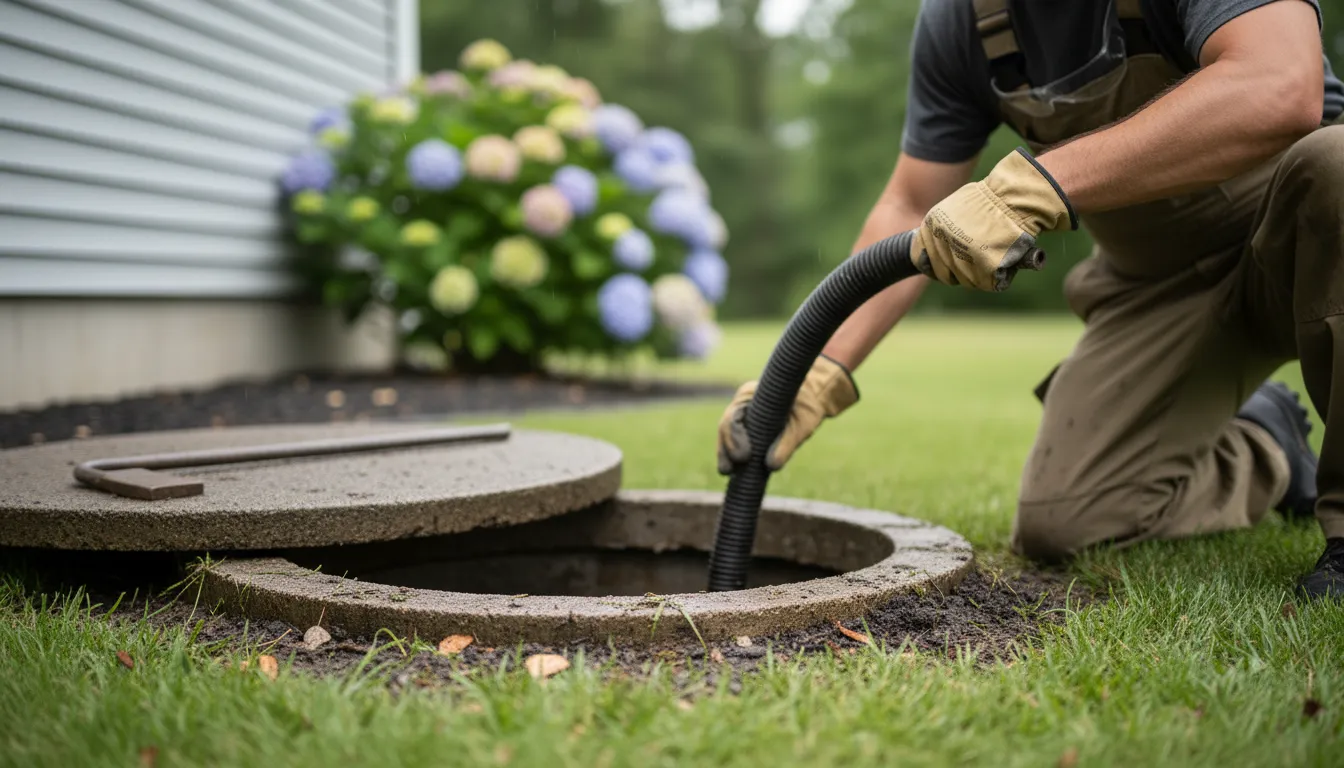
- Insert a large hose to vacuum all solids and liquids from the tank.
- Inspect the tank's interior (if possible) for cracks, baffle issues, or other damage.
- Transport the waste to an approved treatment facility.
This is also an ideal time to discuss any concerns, ask about your system's specific condition, and schedule your next inspection.
Prohibited Practices and Important Reminders
To keep your system healthy and avoid violations, keep these SNHD guidelines in mind17 18:
- Never drain swimming pool or spa water into your septic system or over the drain field. The large volume of chlorinated water can kill the essential bacteria in your tank and saturate the drain field, causing failure. SNHD provides a specific guide for pool draining on properties with septic systems19.
- Avoid flushing anything besides human waste and toilet paper. This includes wipes (even "flushable" ones), feminine hygiene products, dental floss, and cooking grease.
- Be mindful of household chemicals. Excessive use of bleach, drain cleaners, or antibacterial soaps can disrupt the bacterial balance in the tank.
- Conserve water to reduce the hydraulic load on your system.
For official forms, a list of approved haulers and inspectors, or direct questions, you can contact the Southern Nevada Health District Environmental Health division at their office: 280 S. Decatur Blvd., Las Vegas, NV 89107.
Frequently asked questions
Sources
Footnotes
-
New Septic Rules in 2025: What Nevada Homeowners Need ... - https://www.thebrenkusteam.com/blog/nevada-septic-rules-2025-homeowners-guide ↩
-
Residential Septic System Permit Requirements - https://www.southernnevadahealthdistrict.org/permits-and-regulations/sewage-septic-disposal-systems-isds/residential-isds-permits/residential-septic-tank-permit-requirements/ ↩
-
How Often Should You Get Your Septic Tank Pumped? - https://www.coastalsepticsolutions.com/blog/how-often-should-you-get-your-septic-tank-pumped ↩
-
How Often Should You Pump a Septic Tank for a Family of Four? Our Guid - https://www.wholesalesepticsupply.com/blogs/news/how-often-should-you-pump-a-septic-tank-for-a-family-of-four-our-guide ↩
-
Septic holding tanks vs. septic tanks: 6 key differences - https://www.premiertechaqua.com/en-us/blog/holding-tank-vs-septic-tank ↩
-
Septic Tank Pumping Frequency: Crucial Maintenance Guide - https://septic911.com/septic-tank-pumping-frequency/ ↩
-
Frequent Questions on Septic Systems | US EPA - https://www.epa.gov/septic/frequent-questions-septic-systems ↩
-
How to Care for Your Septic System | US EPA - https://www.epa.gov/septic/how-care-your-septic-system ↩
-
Certification Procedures for Individual Sewage Disposal System ( ... - https://www.southernnevadahealthdistrict.org/permits-and-regulations/sewage-septic-disposal-systems-isds/residential-isds-permits/certification-procedures-for-individual-sewage-disposal-system-isds-and-or-water-well/ ↩
-
How much does it cost to get a septic tank pumped out? - Reddit - https://www.reddit.com/r/homeowners/comments/1nyn7a4/how_much_does_it_cost_to_get_a_septic_tank_pumped/ ↩
-
How Much Does It Cost to Pump a Septic Tank? - https://www.wholesalesepticsupply.com/blogs/news/how-much-does-it-cost-to-pump-a-septic-tank?srsltid=AfmBOorpky71qM0Aysu373QF6oZKlfbTI0en00JjDFHxgt6plCftkTzE ↩
-
How Often to Pump Septic Tank: 2026 Maintenance Guide - https://dandhsepticservices.com/how-often-to-pump-septic-tank/ ↩
-
Certification Application Guide - Southern Nevada Health District - https://media.southernnevadahealthdistrict.org/download/eh/isds/Certification-Application-Guide.pdf ↩
-
How Much Does It Cost to Pump a Septic Tank? [2026 Data] - https://www.angi.com/articles/how-much-does-septic-tank-pumping-cost.htm ↩
-
Septic Pumping Cost by State: 2024 Complete Price Guide - https://wastedoor.com/article/septic-pumping-cost-by-state ↩
-
Certification Procedures for Individual Sewage Disposal System ( ... - https://www.southernnevadahealthdistrict.org/permits-and-regulations/sewage-septic-disposal-systems-isds/residential-isds-permits/certification-procedures-for-individual-sewage-disposal-system-isds-and-or-water-well/ ↩
-
Frequently Asked Questions - Southern Nevada Health District - https://www.southernnevadahealthdistrict.org/permits-and-regulations/sewage-septic-disposal-systems-isds/faq/ ↩
-
Septic Tank Do's and Don'ts - Las Vegas Septic Service - https://lasvegassepticservice.com/blog/septic-tank-dos-and-donts/ ↩
-
Pool Draining Guide for Properties with Septic Systems - https://www.southernnevadahealthdistrict.org/permits-and-regulations/sewage-septic-disposal-systems-isds/residential-isds-permits/pool-draining-guide-for-properties-with-septic-systems/ ↩