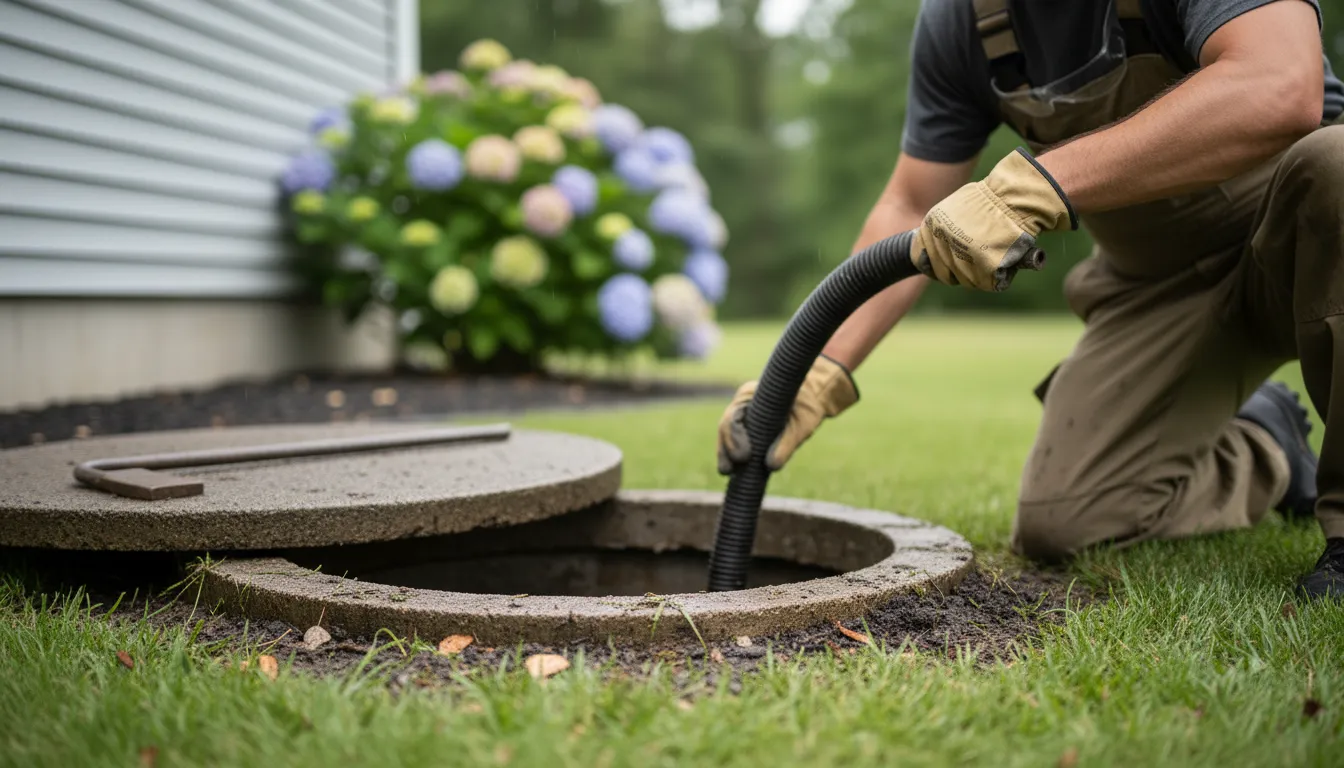
Find the Best Septic Tank Pumping Contractors for Your Business
No obligation • Fast responses • Nationwide coverage

Why you can trust Septic Spot
Septic Spot is a leading United States resource for understanding and comparing septic services. Our editors review providers using consistent criteria and verify key business details. Listings and scores are independent, and companies cannot pay to influence our content.
Search providers near you
Top Septic Tank Pumping Contractors in Reno, Nevada Ranked
Maintaining your septic system is a critical responsibility for any homeowner not connected to a municipal sewer line. Septic tank pumping is the essential process of removing accumulated solids and sludge from your tank to prevent system backups, environmental contamination, and costly repairs. For Reno residents, understanding local guidelines, costs, and best practices is key to protecting your property and investment. This guide provides the information you need to schedule timely service, recognize warning signs, and find qualified local professionals for your septic maintenance needs.
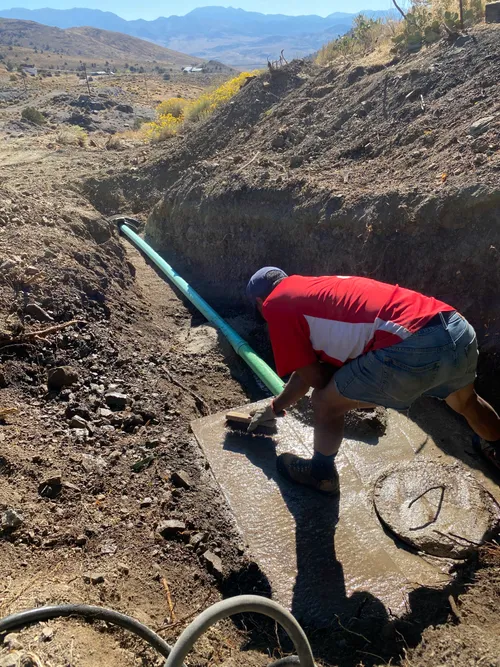
Green Valley Septic Services
3349 Pontius Pl, Carson City, NV 89706
Green Valley Septic Services is a family-owned business based in Reno, NV, offering a full range of septic services including pumping, inspections, repairs, and installations. With over 19 years of experience, they use state-of-the-art equipment to provide efficient and eco-friendly septic solutions. Their capabilities include hydrojet services to maintain and clean septic systems effectively. Green Valley Septic Services focuses on environmental sustainability and aims to support a clean and healthy community through reliable septic system maintenance.

A-1 Septic & Handyman
5011 Reno Hwy, Fallon, NV 89406
A-1 Septic & Handyman provides septic tank pumping, locating, and real estate septic inspections in Reno, NV, and surrounding areas including Fallon, Fernley, and Silver Springs. They also offer drain and sewer problem solutions, water jet services, TV camera inspections for roots and broken pipes, plumbing repairs, toilet services, and welding. The company serves both commercial and residential clients and provides emergency services when needed.
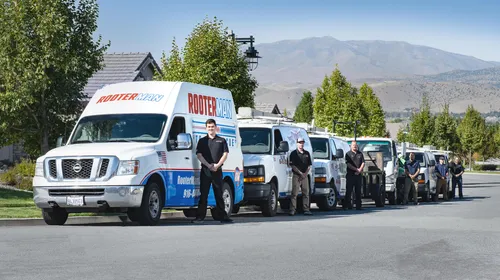
Rooter Man Plumbing of Tahoe/Truckee
1415 N Lake Blvd, Tahoe City, CA 96145
Rooter Man Plumbing of Tahoe/Truckee is a locally owned plumbing company serving the Reno, NV area. They provide a wide range of plumbing services including septic tank pumping and cleaning, hydro-jetting drain cleaning, leak detection, water heater repair, and toilet replacement. Their team is familiar with local building codes and uses advanced technology to diagnose and resolve plumbing issues efficiently. The company offers 24-hour emergency plumbing repair services year-round to address urgent plumbing needs promptly.
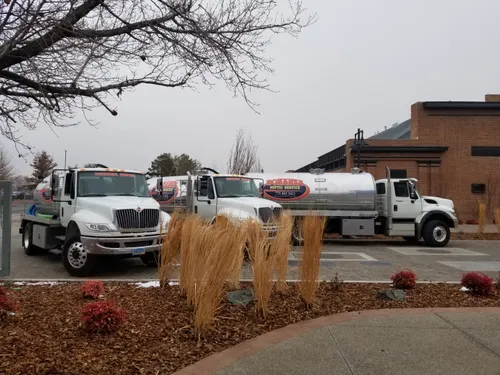
Bonanza Septic & Jetting Solutions
30 Kit Kat Dr, Mound House, NV 89706
Bonanza Septic & Jetting Solutions provides septic tank pumping, inspection, and repair services in Reno, NV. The company is known for thorough septic system inspections and effective repairs, including locating and extending septic tank lids for easier access. Their team is experienced in handling septic blockages and system maintenance with attention to detail and customer communication. Bonanza Septic & Jetting Solutions emphasizes employee training to maintain knowledgeable service and has built a reputation for addressing unique septic system challenges promptly.
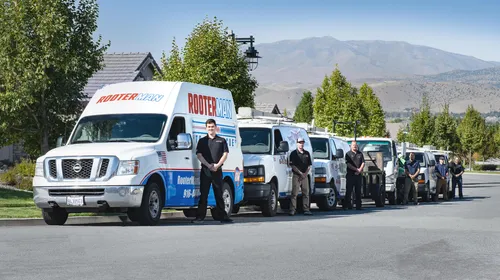
Rooter Man Plumbing of Reno
2890 Vassar St Suite B12, Reno, NV 89502
Rooter Man Plumbing of Reno is a locally owned plumbing company serving Reno, NV, and the surrounding Truckee area. They offer a wide range of plumbing services including septic tank pumping and cleaning, hydro-jetting drain cleaning, leak detection, and toilet replacement. Their skilled plumbers use advanced technology to diagnose and resolve plumbing issues efficiently. The company provides 24/7 emergency plumbing services, ensuring help is available any time of day or night.
Understanding Your Septic System and Pumping Needs
A septic system is an on-site wastewater treatment structure, typically consisting of a tank and a drain field. When wastewater from your home enters the tank, solids settle to the bottom as sludge, oils and grease float to the top as scum, and the liquid effluent flows out to the drain field for further filtration. Over time, the sludge and scum layers build up. If they aren't removed through regular septic tank cleaning, they can flow into and clog the drain field, leading to system failure.
The primary goal of septic system pumping is to remove these accumulated solids before they cause problems. It's not just about avoiding unpleasant odors or slow drains; it's about preventing groundwater contamination and protecting public health. A well-maintained system can last for decades, while a neglected one can fail catastrophically, requiring a replacement that can cost tens of thousands of dollars.
How Often Should You Pump Your Septic Tank in Reno?
In Reno, Nevada, the general rule of thumb is that septic tanks require septic tank emptying every 3 to 5 years. However, this is a broad average, and the ideal frequency for your home depends heavily on specific factors, primarily the size of your household and your water usage habits.
Here's a more detailed breakdown based on household size 1:
- 1-2 People: Every 5-7 years.
- 3-4 People: Every 3-5 years.
- 5-6 People: Every 2-3 years.
- 7+ People: Every 1-2 years.
Key Factors That Increase Pumping Frequency:
- Garbage Disposal Use: Disposals significantly increase the volume of solids entering the tank, requiring more frequent septic service.
- High Water Usage: Excessive water from long showers, frequent laundry loads, or leaky fixtures doesn't allow solids enough time to settle, pushing them out toward the drain field.
- Tank Size: Smaller tanks fill with solids faster than larger ones.
- Lack of Maintenance: Failing to follow proper care guidelines accelerates the need for pumping.
The Importance of Regular Inspections
While pumping is crucial, it should be part of a broader maintenance plan that includes regular inspections. Experts recommend having your entire onsite wastewater system inspected by a professional every 1 to 2 years. An inspection can identify minor issues like baffle problems or early signs of drain field distress before they become major failures.
Furthermore, maintaining detailed records of all pumping, inspections, and repairs is more important than ever. New Nevada regulations taking effect in 2025 introduce a 5-year permit renewal process that includes an administrative review of your system's maintenance documentation. Keeping good records is now a regulatory necessity, not just a good practice.
Recognizing Warning Signs of a Full Tank
Don't wait for a disaster. Be proactive and watch for these common signs that your tank may need pumping or that there is a larger problem 2:
- Slow Drains: Sinks, showers, and toilets that drain slowly, especially if multiple fixtures are affected.
- Sewage Odors: Unpleasant smells emanating from drains or in the yard near the tank or drain field.
- Wet, Spongy, or Lush Areas: Soggy ground or unusually green and fast-growing grass over the drain field, even in dry weather.
- Sewage Backups: The most severe sign, where wastewater backs up into household drains.
- Gurgling Sounds: Strange noises coming from your plumbing.
If you notice any of these signs, it's time to contact a professional for an assessment immediately.
Find the perfect septic tank pumping contractors for your needs
Get personalized recommendations and expert advice
What to Expect: Costs for Septic Pumping in Reno
Understanding the potential costs helps homeowners budget for this essential maintenance. In the Reno area, the average cost for septic tank pumping typically ranges between $300 and $700 3 4. Many homeowners report an average price point around $423 for a standard service 3.
The final price can vary based on several factors:
- Tank Size and Accessibility: Larger tanks cost more to pump. Tanks that are buried deep or difficult for trucks to access may incur additional charges.
- Condition of the Tank: If the tank lids are buried or the system requires extra labor to uncover, the price will increase.
- Additional Services: Many companies offer inspection services alongside pumping, which may be bundled for a better overall value.
It's also important for Nevada homeowners to be aware of administrative costs. The new 2025 rules include a $226 permit renewal fee due every five years, which covers the administrative record check of your system's maintenance history 5.
Best Practices for Septic System Care
Pumping is vital, but what you do between services matters immensely. Follow these guidelines to keep your system healthy and extend the time between pumpings 6 7 8 9 10:
What to Avoid:
- Non-Biodegradables: Never flush wipes (even "flushable" ones), feminine hygiene products, diapers, dental floss, cotton swabs, or plastics. These materials do not break down and will clog your system.
- Harsh Chemicals: Limit the use of heavy-duty drain cleaners, antibacterial soaps, and large amounts of bleach. These can kill the beneficial bacteria in your tank that are essential for breaking down waste.
- Excessive Solids: Minimize use of a garbage disposal. Consider composting food scraps instead.
- Grease and Oils: Never pour cooking fats, oils, or grease down the drain, as they solidify and contribute to scum buildup.
Positive Habits to Adopt:
- Conserve Water: Spread out laundry loads over the week, fix leaky faucets and toilets promptly, and consider installing water-efficient fixtures.
- Protect the Drain Field: Never park vehicles or build structures over the drain field. Divect downspouts and surface water away from the area.
- Use Septic-Safe Products: Look for cleaning products labeled as septic-safe.
Choosing a Service Provider in Reno
When it's time for maintenance, selecting the right professional is crucial. Look for a licensed, insured, and experienced septic pumping company. They should be familiar with local Reno and Nevada regulations, including the new documentation requirements. A reputable provider will be transparent about pricing, willing to explain the process, and able to provide references. They should also offer a detailed report of the service performed, which you should keep for your records.
Frequently asked questions
Sources
Footnotes
-
Septic Tank Pumping Frequency: Crucial Maintenance Guide - https://septic911.com/septic-tank-pumping-frequency/ ↩
-
Septic Tanks - Preventative Routine Maintenance - https://des.sc.gov/permits-regulations/septic-tanks/homeowner-resources/septic-tanks-preventative-routine-maintenance ↩
-
Septic Tank Pumping Cost: Guide & Pricing in 2025 - Splash Plumbing - https://www.splashplumbing.com/how-much-does-it-cost-to-pump-septic-tank-understanding-pricing-and-factors-involved/ ↩ ↩2
-
Septic Tank Pumping Cost: Guide & Pricing in 2025 - Splash Plumbing - https://www.splashplumbing.com/how-much-does-it-cost-to-pump-septic-tank-understanding-pricing-and-factors-involved/ ↩
-
New Septic Rules in 2025: What Nevada Homeowners Need ... - https://www.thebrenkusteam.com/blog/nevada-septic-rules-2025-homeowners-guide ↩
-
How Often to Pump Septic Tank: 2026 Maintenance Guide - https://dandhsepticservices.com/how-often-to-pump-septic-tank/ ↩
-
How Often Should Septic Tank Be Pumped for Optimal Maintenance and Longevity - https://www.splashplumbing.com/how-often-should-septic-tank-be-pumped-for-optimal-maintenance-and-longevity/ ↩
-
Smart Solutions for Optimizing Septic Tank Pumping Frequency - https://smartsepticpros.com/blog/septic-tank-pumping-frequency/ ↩
-
Septic Tank Pumping Cost & Maintenance Guide - https://www.benjaminfranklinplumbing.com/league-city/blog/2025/march/how-much-does-it-cost-to-pump-septic-tank-a-detailed-pricing-guide/ ↩
-
How often to pump septic tank family of 2 - https://dillonseptic.com/how-often-to-pump-septic-tank-family-of-2/ ↩