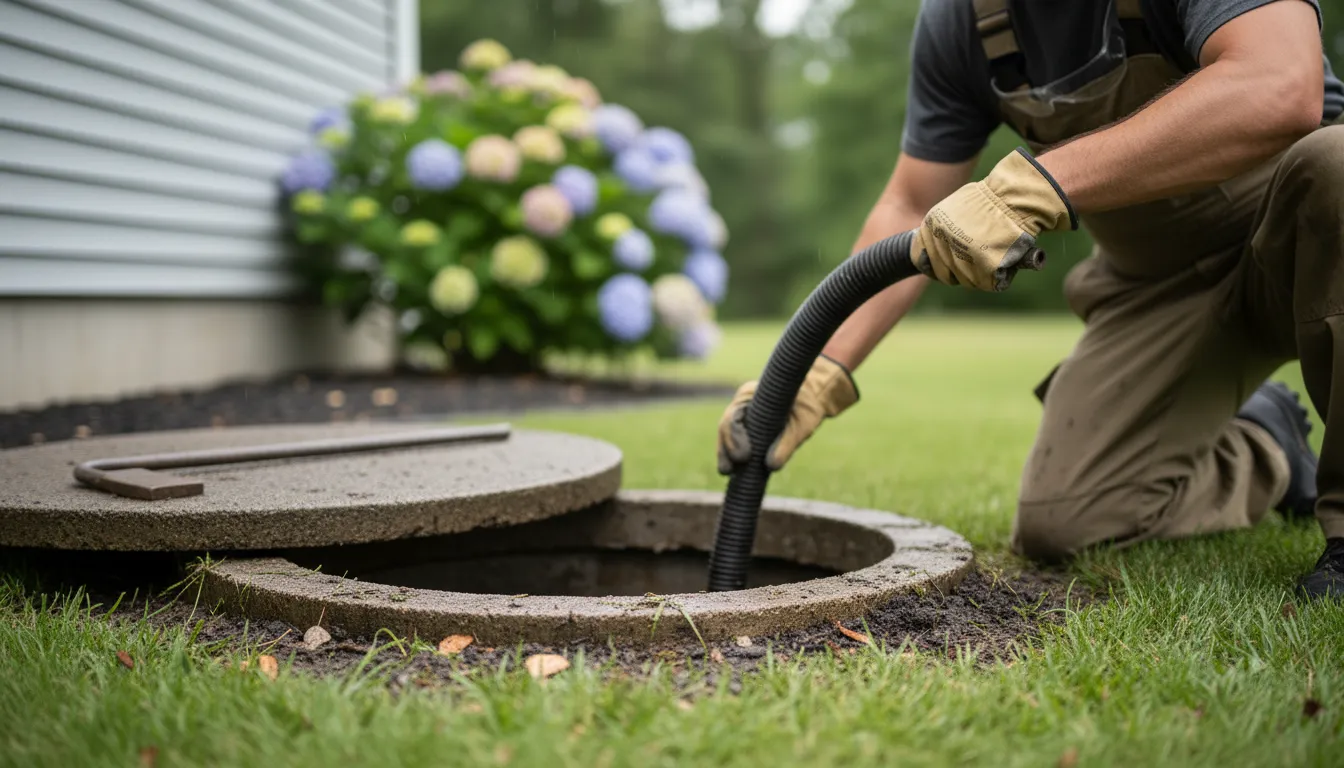
Find the Best Septic Tank Pumping Contractors for Your Business
No obligation • Fast responses • Nationwide coverage

Why you can trust Septic Spot
Septic Spot is a leading United States resource for understanding and comparing septic services. Our editors review providers using consistent criteria and verify key business details. Listings and scores are independent, and companies cannot pay to influence our content.
Search providers near you
Best Septic Tank Pumping Contractors in New York Ranked
Maintaining your septic system is a critical responsibility for New York homeowners. Regular septic tank pumping removes accumulated solids, preventing system backups, costly drain field failures, and environmental contamination. This guide explains the essential maintenance schedule, costs, and best practices for septic service in New York, helping you find qualified local professionals to keep your system functioning properly for years to come.
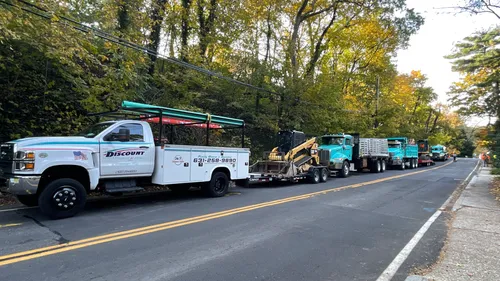
Discount Cesspool & Drain Inc.
240 Gibbs Rd, Islandia, NY 11749
Discount Cesspool & Drain Inc. is a septic tank pumping and installation company serving New York, NY, with a focus on Long Island. They specialize in new septic system installations, cesspool pumping, septic tank service, and full-scale cesspool cleaning. The company offers 24-hour emergency service and weekend and holiday availability. They provide eco-friendly solutions without subcontracting and cater to both residential and commercial clients across Suffolk and Nassau counties.
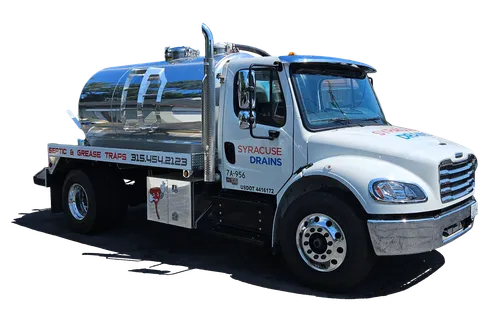
Syracuse Drains
1900 W Genesee St, Syracuse, NY 13219
Syracuse Drains is a septic tank pumping company based in Syracuse, NY, offering drain scoping, unclogging, blockage removal, and sewage line backup cleanup. They use organic cleaning materials and avoid harsh chemicals. Their services include powerful water jetting with a high-level jetter capable of up to 4,000 PSI and a 180° pivoting hose to clear tough blockages. Syracuse Drains operates 24/7 to provide emergency service whenever needed.
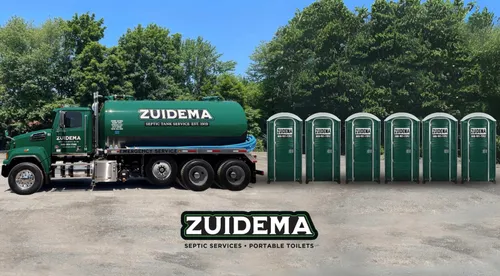
Zuidema Septic Services & Portable Toilets
90 Midland Ave, Midland Park, NJ 07432
Zuidema Septic Services & Portable Toilets provides residential and commercial septic services along with portable toilet and restroom trailer rentals in New York, NY. With over 100 years of experience since 1919, they offer septic tank pumping, inspections, repairs, and grease trap services. Their use of advanced sewer camera technology helps identify and address sewer line issues effectively. Zuidema also offers 24/7 emergency service for septic and portable toilet needs, ensuring support is available at any time.
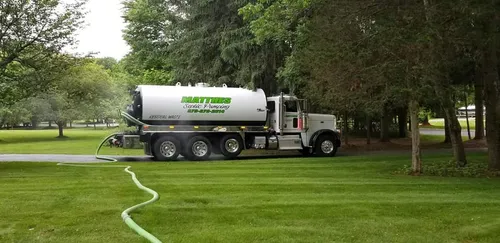
EarthCare, a Wind River Company
New York, NY
EarthCare, a Wind River Company, provides septic tank pumping, inspection, and grease services in New York, NY, and surrounding areas including North Jersey and Hudson Valley. Serving residential, commercial, and municipal clients, they offer comprehensive waste management solutions such as pumping, cleaning, hauling, disposal, and environmental compliance support. Established in 1946, EarthCare operates one of the industry's largest fleets and provides 24/7 emergency services to ensure continuous system operation and regulatory compliance.
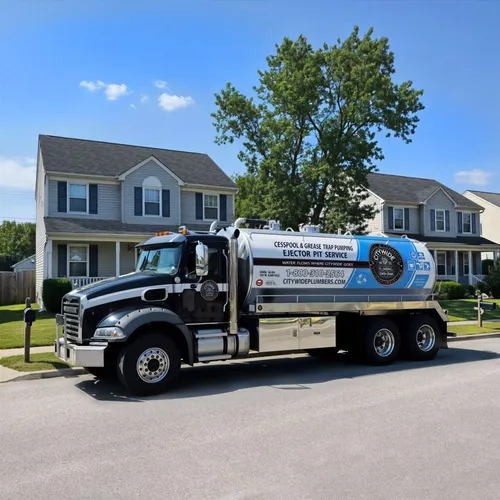
Citywide Grease Trap Maintenance | Cesspool Pumping Service Long Island
110 Voice Rd, Carle Place, NY 11514
Citywide Grease Trap Maintenance | Cesspool Pumping Service Long Island provides septic and cesspool pumping, inspection, repair, and installation services in New York, NY. Serving both residential and commercial clients, they offer comprehensive maintenance and cleaning to prevent system failures. Their skilled technicians use advanced equipment for installations and repairs, including grease trap pumping and sewage ejector pit services. With over 65 years of experience, Citywide operates 24/7 to address emergency needs promptly.
Why Regular Septic Pumping is Essential in New York
A septic system is an on-site wastewater treatment plant for your property. When functioning correctly, it safely processes household water and waste. Solids settle in the tank, forming a sludge layer, while liquids flow out to the drain field. Without periodic pumping, sludge builds up and can escape into the drain field, clogging the soil and causing system failure. This can lead to sewage backups in your home, pollution of groundwater, and very expensive repairs. In New York, with its diverse geography from the Adirondacks to Long Island, protecting groundwater is especially important for both private wells and public watersheds. Proactive maintenance is far more affordable than emergency fixes.
Recommended Pumping Frequency for New York Homes
How often you need to pump your tank depends primarily on the tank size and the number of people in your household. The New York State Department of Health provides a clear guideline: septic tanks should generally be pumped every 2 to 3 years. For smaller households (1-2 people), this interval may extend to 3-5 years, while larger families may need service more frequently.
A more precise method is to have the sludge and scum layers measured during a professional inspection. A tank requires pumping when the sludge layer is within 12 inches of the outlet tee 1. This inspection is a key part of responsible ownership.
Important Note on Local Regulations: Some New York counties and towns have implemented stricter, mandatory inspection and pumping schedules. For example, Westchester County has regulations requiring septic system inspection and, in many cases, pumping every 5 years 2 3. Always check with your local health department for specific rules in your area.
Understanding the Costs of Septic Services in New York
Budgeting for septic maintenance is part of homeownership. In New York, the average cost for a standard septic tank pumping service ranges from $300 to $700 4. The final price depends on several factors:
- Tank Size and Accessibility: Larger tanks (1,500+ gallons) cost more to pump. Difficult access for the service truck can also increase the price.
- Condition of the Tank: If the tank lids are buried or the system hasn't been pumped in many years, extra labor may be required.
- Additional Services: Many homeowners combine pumping with an inspection.
A comprehensive septic system inspection in New York typically costs between $200 and $900 5. While this is an additional expense, it provides a complete assessment of your tank, pipes, and drain field health, potentially identifying small issues before they become major failures. Repair costs, such as fixing a baffle or cleaning a filter, generally range from $290 to $700 5. Emergency services for a severe backup or cleaning can exceed $1,500 5, underscoring the value of routine maintenance.
Find the perfect septic tank pumping contractors for your needs
Get personalized recommendations and expert advice
The Inspection and Pumping Process
Knowing what to expect can make scheduling service easier. A professional visit typically involves:
- Locating and Uncovering the tank access lids.
- Inspecting the inlet and outlet tees, baffles, and the overall tank structure.
- Measuring the sludge and scum layers to determine if pumping is needed.
- Pumping all solids and liquids from the tank using a vacuum truck.
- Disposing of the waste at a licensed treatment facility.
- Providing a Report detailing the services performed, tank conditions, and any recommendations.
It's crucial to hire a septage waste transporter licensed by the New York State Department of Environmental Conservation (DEC). These professionals are trained, insured, and follow state regulations for proper waste disposal, protecting you and the environment.
Signs Your New York Septic Tank Needs Attention
Don't wait for a disaster. Be alert for these warning signs that your system may need pumping or repair:
- Slow Drains: Sinks, showers, and toilets that drain slowly, especially if multiple fixtures are affected.
- Sewage Odors: Unpleasant smells emanating from your drains, yard, or near the drain field.
- Gurgling Sounds: Strange noises coming from your plumbing.
- Wet, Spongy Yard: Lush green grass or standing water over the drain field area, particularly when it hasn't rained 6.
- Sewage Backup: The most severe sign, where wastewater backs up into household drains.
If you notice any of these signs, contact a professional immediately to assess the situation.
How to Protect Your Septic System Between Pumpings
Proper daily care extends the life of your system and stretches the time between necessary pumpings.
- Conserve Water: Fix leaky faucets and toilets. Spread out laundry loads and use high-efficiency fixtures to avoid overwhelming the system.
- Mind What You Flush: Only human waste and toilet paper should go down the toilet. Never flush wipes (even "flushable" ones), feminine hygiene products, dental floss, diapers, or cooking grease.
- Use Septic-Safe Products: Avoid harsh chemical drain cleaners, antibacterial soaps, and excessive bleach, which can kill the beneficial bacteria in your tank.
- Protect the Drain Field: Never drive or park vehicles on the drain field, as this compacts the soil. Avoid planting trees or deep-rooted shrubs nearby, as roots can infiltrate and damage pipes 7.
Special Considerations for Alternative Systems
Many New York homes, particularly in areas with high water tables or poor soil, use alternative septic system designs like aerobic treatment units (ATUs), mound systems, or those with pumps and alarms. These advanced systems often have more frequent maintenance requirements, including annual inspections and more regular servicing of mechanical components 8. If you have an alternative system, follow the manufacturer's and installer's maintenance plan closely.
Finding a Qualified Service Provider in New York
When searching for septic services, prioritize licensed and insured professionals with strong local reputations. Look for providers who are DEC-licensed waste transporters. Ask for references, detailed estimates, and what their service includes. A reputable company will be happy to explain the process and answer your questions.
Frequently asked questions
Sources
Footnotes
-
How to Care for Your Septic System | US EPA - https://www.epa.gov/septic/how-care-your-septic-system ↩
-
Pump Out Your Septic System - Lewisboro, NY - https://www.lewisborony.gov/cac/page/pump-out-your-septic-system ↩
-
EPA - NYC.gov - https://www.nyc.gov/assets/dep/downloads/pdf/watershed-protection/east-of-hudson-ms4/epa_guide_to_septic_systems_b.pdf ↩
-
How Often to Pump Septic Tank: 2026 Maintenance Guide - https://dandhsepticservices.com/how-often-to-pump-septic-tank/ ↩
-
How Much Does It Cost to Pump a Septic Tank in New York ... - https://www.angi.com/articles/how-much-does-septic-tank-pumping-cost/ny/new-york ↩ ↩2 ↩3
-
How Often Should I Have My Septic System Inspected? - Roto-Rooter - https://www.rotorooter.com/frequently-asked-questions/outdoor-plumbing/how-often-should-i-have-my-septic-system-inspected/ ↩
-
Safe Septic Practices - HealthyPineRiver.org - https://www.healthypineriver.org/information-and-education/safe-septic-practices/ ↩
-
Septic System Operation and Maintenance - https://www.health.ny.gov/publications/3208/ ↩