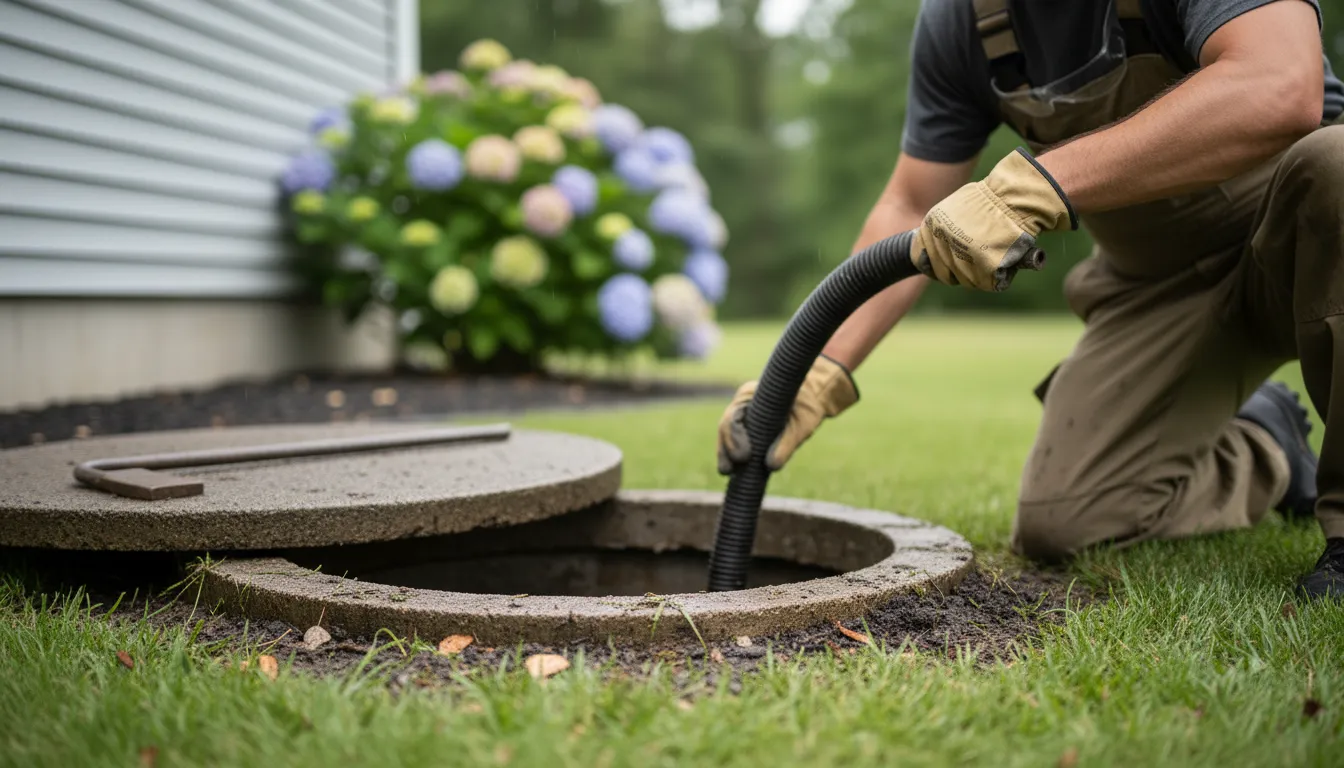
Find the Best Septic Tank Pumping Contractors for Your Business
No obligation • Fast responses • Nationwide coverage

Why you can trust Septic Spot
Septic Spot is a leading United States resource for understanding and comparing septic services. Our editors review providers using consistent criteria and verify key business details. Listings and scores are independent, and companies cannot pay to influence our content.
Search providers near you
Top Septic Tank Pumping Contractors in Pawtucket, Rhode Island Ranked
Maintaining a healthy septic system is a crucial responsibility for homeowners in Pawtucket. Regular septic tank pumping is the cornerstone of this maintenance, preventing costly backups, environmental contamination, and system failure. This guide provides essential information on septic system service, including local regulations, recommended schedules, and costs, to help you find qualified professionals for this vital home care task.
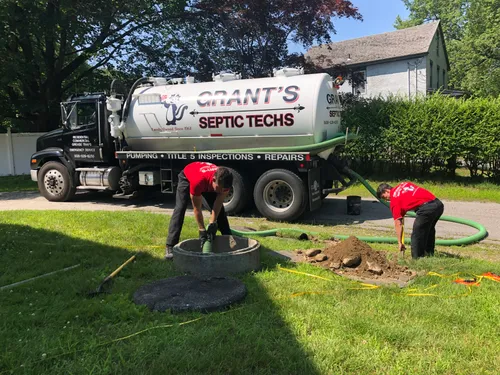
Grant's Septic Techs
5 Farm St, Upton, MA 01568
Grant's Septic Techs is a family-owned septic tank pumping company serving Worcester, MA. They provide septic tank pumping services with a focus on thorough and honest work. The company is known for careful yard restoration after service and clear communication throughout the process.
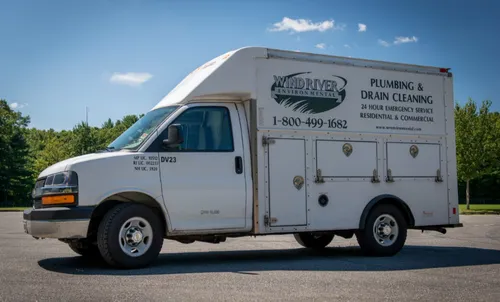
Wind River Environmental of Johnston, RI
141 Shun Pike, Johnston, RI 02919
Wind River Environmental of Johnston, RI provides septic tank pumping, inspection, and repair services in Providence, RI. Serving residential, commercial, and municipal clients, the company offers tailored solutions that comply with local codes and regulations. With a history dating back to 1946, Wind River Environmental brings decades of experience and a broad resource network to handle projects of varying complexity. The company is available 24/7 to address urgent septic and wastewater needs.
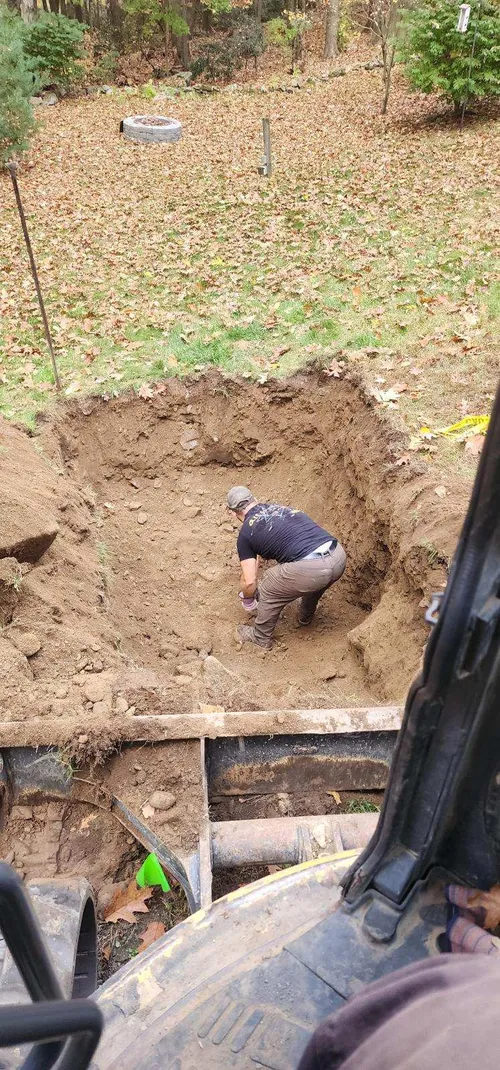
Chase Harris Septic Services
85 Dudley Rd, Sutton, MA 01590
Chase Harris Septic Services is a family-owned business providing septic system maintenance, repair, installation, and inspection services in Worcester, MA. With decades of experience, they serve residential and commercial clients, offering comprehensive septic pumping, Title 5 inspections, and grease trap cleaning. Their team also handles excavation and site preparation to ensure proper system installation and repair. Chase Harris Septic Services is known for meeting local codes and regulations, including Title 5 compliance, and uses advanced equipment to maintain system efficiency and safety.
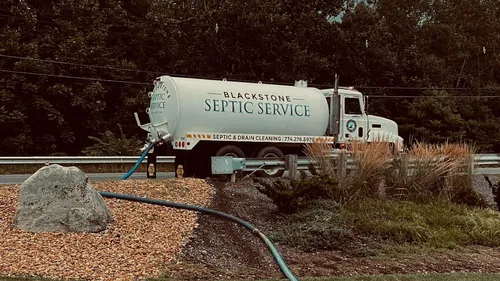
Blackstone Septic Service
47 Burbank St, Millbury, MA 01527
Blackstone Septic Service is a family-owned company based near Worcester, MA, offering septic tank pumping, septic system maintenance and repair, grease trap cleaning, and light excavation services. Serving Blackstone, Central Massachusetts, and surrounding areas, the company brings over 75 years of experience to its work. Their technicians are highly trained to handle septic and excavation jobs efficiently while maintaining a focus on honesty and transparency.

A & D Sanitation.
223 Hinchey Ln, Somerset, MA 02726
A & D Sanitation provides septic tank pumping, inspection, and repair services in Providence, RI. The company handles septic system maintenance including pumping, line snaking to clear blockages, and basic repairs such as installing filters, risers, and covers. They also offer yearly bacteria treatments and inspections required for Rhode Island point-of-sale ISDS. Their services include maintaining cesspool tight tanks and providing tank seals and jetting.
Understanding Your Septic System and Why Pumping is Essential
A septic system is an on-site wastewater treatment structure common in areas without centralized sewer service. It consists of a septic tank and a drainfield. Solid waste (sludge) settles at the bottom of the tank, while fats and oils (scum) float to the top. The liquid effluent in the middle flows out to the drainfield. Over time, the sludge and scum layers accumulate. If not removed through septic tank cleaning, these layers can overflow into the drainfield, causing clogs, sewage backups into your home, and groundwater pollution. Septic tank maintenance, primarily through pumping, is the most effective way to avoid these serious and expensive problems.
How Often Should You Pump Your Septic Tank in Pawtucket?
The frequency of septic tank service is not one-size-fits-all. For most households in Pawtucket, the standard recommendation is to have the tank pumped every 3 to 5 years 1. However, several factors can necessitate more frequent septic system pumping:
- Household Size: High-use households with 5 or more people may need pumping every 1 to 3 years 2.
- Tank Size: A smaller tank will fill with solids more quickly.
- Garbage Disposal Use: Heavy use of a garbage disposal significantly increases the solid waste entering the tank.
- System Type: Some advanced or alternative treatment systems require more frequent, sometimes annual, maintenance 3.
The most reliable way to determine your schedule is through regular professional inspections, which can measure sludge and scum levels accurately.
Rhode Island and Pawtucket Septic System Regulations
Homeowners in Pawtucket must adhere to regulations set by the Rhode Island Department of Environmental Management (RIDEM). Key rules include:
- Inspections: RIDEM recommends having your onsite wastewater treatment system inspected every 1-2 years by a licensed professional. This inspection will determine if pumping is needed.
- Cesspools: Older cesspools, especially those serving multi-family units or located within 200 feet of tidal waters or public wells, are often required to be replaced with modern septic systems 4.
- Record Keeping: It is important to maintain detailed records of all inspections, pumpings, repairs, and system designs 5. These records are vital for property transfers and compliance.
- Professional Requirement: All septic tank emptying and inspection work must be performed by a licensed professional 6.
Find the perfect septic tank pumping contractors for your needs
Get personalized recommendations and expert advice
What to Expect: The Septic Pumping Process and Cost
When you hire a professional for septic tank pumping in Pawtucket, the process typically involves:
- Locating and uncovering the tank access lids.
- Inspecting the tank and its components.
- Using a vacuum truck to pump out all solids and liquids from the tank.
- Properly disposing of the waste at a licensed facility.
- Providing a report or receipt for the service, which you should keep for your records.
Based on local cost data, the average price for septic tank pumping in Rhode Island is approximately $343, with a typical range between $315 and $371 7. This cost can vary based on tank size, accessibility, and the amount of sludge present.
Proactive Maintenance Beyond Pumping
Septic system maintenance extends beyond periodic pumping. Homeowners can take simple steps to protect their investment and the local environment:
- Conserve Water: Fix leaks and spread out laundry loads to avoid overwhelming the system.
- Mind What You Flush: Only human waste and toilet paper should go down the drain. Avoid flushing wipes (even "flushable" ones), feminine hygiene products, cooking grease, chemicals, and medications.
- Protect the Drainfield: Never park vehicles or build structures over the drainfield. Keep roof drains and sump pumps directed away from it.
- Use Septic-Safe Products: Choose cleaning products and toilet paper designed for septic systems.
Following these guidelines, as recommended by RIDEM and industry experts, helps ensure your system operates efficiently for decades 8 9 10.
Signs Your Septic Tank Needs Immediate Attention
Don't wait for a scheduled pumping if you notice these warning signs of a full or failing system:
- Slow Drains: Sinks, showers, and toilets that drain slowly throughout the house.
- Sewage Odors: Unpleasant smells indoors or near the drainfield.
- Gurgling Sounds: Sounds coming from your plumbing.
- Wet Spots: Soggy, bright green grass, or standing water over the drainfield.
- Sewage Backup: The most severe sign-wastewater backing up into household drains.
If you observe any of these issues, contact a licensed septic service provider immediately to assess the situation.
Choosing a Licensed Septic Service Provider in Pawtucket
Selecting the right professional is critical. Look for a company that:
- Is licensed by the state of Rhode Island to perform septic system servicing.
- Has a good local reputation and verifiable references.
- Provides clear, written estimates and explains the process.
- Offers a range of services, including inspection, pumping, and repair.
- Properly disposes of waste in accordance with regulations.
A trustworthy provider will be happy to answer your questions and help you understand the specific needs of your system.
Frequently asked questions
Sources
Footnotes
-
Septic Systems | Department of Environmental Protection - https://www.pa.gov/agencies/dep/residents/my-water/septic-systems ↩
-
How Often Should You Pump Your Septic Tank - Rhode Island - https://www.rockhouseconstruction.com/how-often-should-you-pump-your-septic-tank-rhode-island ↩
-
Rhode Island Septic System Regulations for Homeowners - https://www.rockhouseconstruction.com/rhode-island-septic-system-regulations-for-homeowners ↩
-
Septic & Onsite Wastewater Treatment Systems - https://dem.ri.gov/environmental-protection-bureau/water-resources/permitting/septic-onsite-wastewater-treatment-owts ↩
-
250-ricr-150-10-6 active rule - https://rules.sos.ri.gov/regulations/part/250-150-10-6 ↩
-
Rhode Island Septic Inspection Requirements: What to Know - https://www.rockhouseconstruction.com/rhode-island-septic-inspection-requirements-what-to-know ↩
-
Rhode Island Septic Systems Costs & Prices - ProMatcher Cost Report - https://septic-systems.promatcher.com/cost/rhode-island.aspx ↩
-
SepticSmart Homeowners | Rhode Island Department of Environmental Management - https://dem.ri.gov/environmental-protection-bureau/water-resources/permitting/septic-smart-home ↩
-
Septic Systems | Rhode Island Department of Environmental ... - https://dem.ri.gov/ri-stormwater-solutions/take-action/simple-steps/septic-systems.php ↩
-
Septic Tanks - Preventative Routine Maintenance - https://des.sc.gov/permits-regulations/septic-tanks/homeowner-resources/septic-tanks-preventative-routine-maintenance ↩