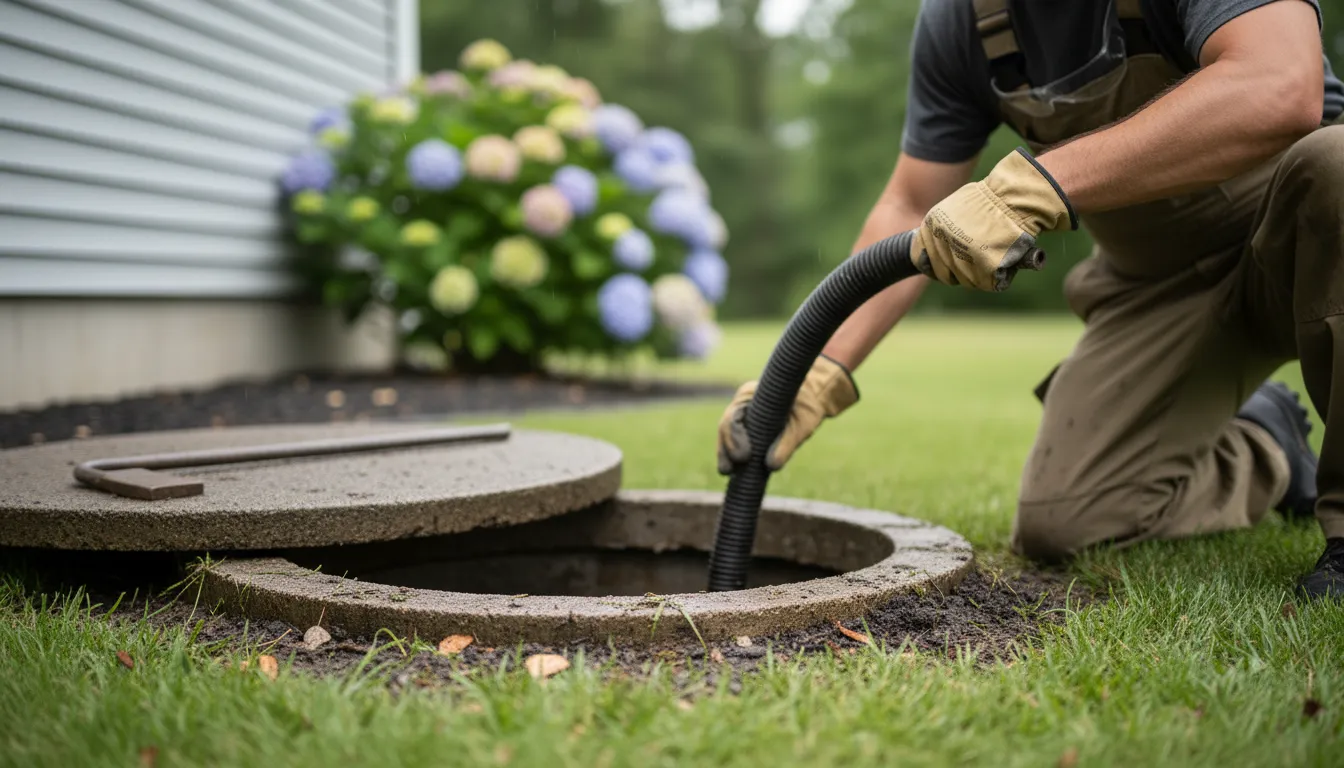
Find the Best Septic Tank Pumping Contractors for Your Business
No obligation • Fast responses • Nationwide coverage

Why you can trust Septic Spot
Septic Spot is a leading United States resource for understanding and comparing septic services. Our editors review providers using consistent criteria and verify key business details. Listings and scores are independent, and companies cannot pay to influence our content.
Search providers near you
Top Septic Tank Pumping Contractors in Providence, Rhode Island Ranked
Maintaining your septic system is a crucial responsibility for any homeowner not connected to a municipal sewer line. Regular septic tank pumping and inspection are the cornerstones of a healthy, long-lasting system, preventing costly backups, environmental contamination, and complete system failure. For residents of Providence and surrounding areas, understanding local guidelines and connecting with qualified professionals is essential for protecting your property and complying with Rhode Island regulations. This guide provides the key information you need to schedule proper maintenance and find reliable local service providers for your septic care needs.
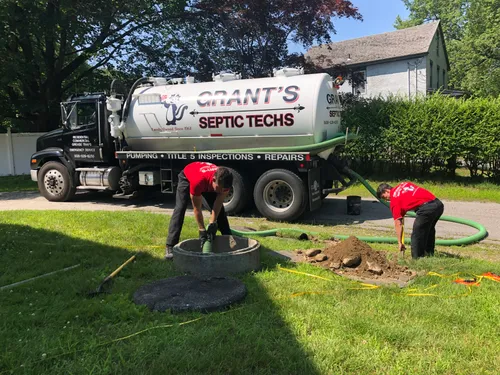
Grant's Septic Techs
5 Farm St, Upton, MA 01568
Grant's Septic Techs is a family-owned septic tank pumping company serving Worcester, MA. They provide septic tank pumping services with a focus on thorough and honest work. The company is known for careful yard restoration after service and clear communication throughout the process.
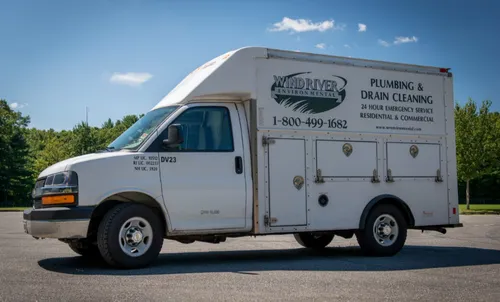
Wind River Environmental of Johnston, RI
141 Shun Pike, Johnston, RI 02919
Wind River Environmental of Johnston, RI provides septic tank pumping, inspection, and repair services in Providence, RI. Serving residential, commercial, and municipal clients, the company offers tailored solutions that comply with local codes and regulations. With a history dating back to 1946, Wind River Environmental brings decades of experience and a broad resource network to handle projects of varying complexity. The company is available 24/7 to address urgent septic and wastewater needs.
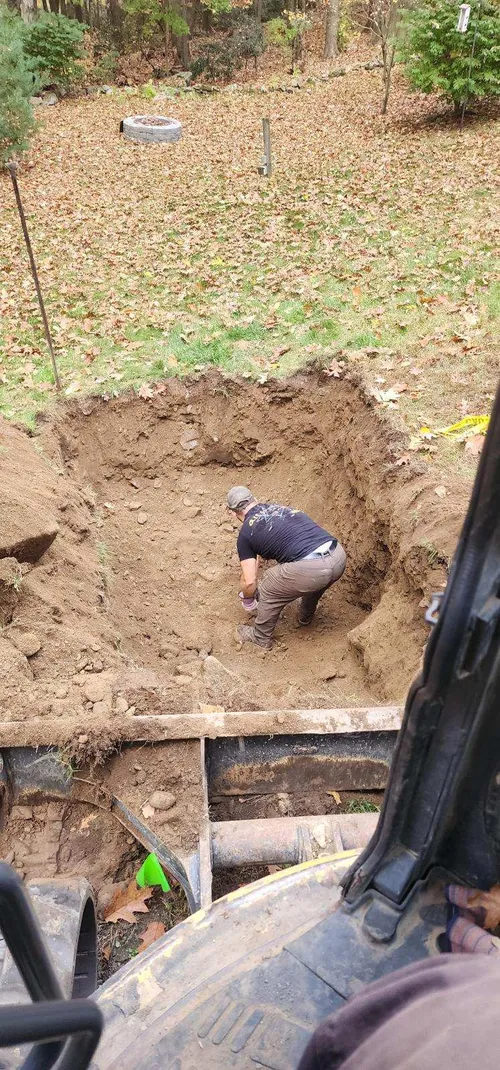
Chase Harris Septic Services
85 Dudley Rd, Sutton, MA 01590
Chase Harris Septic Services is a family-owned business providing septic system maintenance, repair, installation, and inspection services in Worcester, MA. With decades of experience, they serve residential and commercial clients, offering comprehensive septic pumping, Title 5 inspections, and grease trap cleaning. Their team also handles excavation and site preparation to ensure proper system installation and repair. Chase Harris Septic Services is known for meeting local codes and regulations, including Title 5 compliance, and uses advanced equipment to maintain system efficiency and safety.

A & D Sanitation.
223 Hinchey Ln, Somerset, MA 02726
A & D Sanitation provides septic tank pumping, inspection, and repair services in Providence, RI. The company handles septic system maintenance including pumping, line snaking to clear blockages, and basic repairs such as installing filters, risers, and covers. They also offer yearly bacteria treatments and inspections required for Rhode Island point-of-sale ISDS. Their services include maintaining cesspool tight tanks and providing tank seals and jetting.

Croome Sanitation Inc
26 Hillside Ave, Rehoboth, MA 02769
Croome Sanitation Inc is a family-owned septic service company serving Providence, RI, and the surrounding areas of Southeast Massachusetts and Rhode Island. Established in 1962, the company offers a wide range of septic system services including pumping, Title 5 inspections, sewer camera diagnostics, pump station maintenance, and excavation work. Their expertise extends to wastewater treatment systems, providing comprehensive care to maintain system health and compliance with local regulations. Croome Sanitation also offers same-day and emergency services to address urgent septic needs.
Why Regular Septic Maintenance is Non-Negotiable
A septic system is a mini wastewater treatment plant on your property. When functioning correctly, it safely processes household water from toilets, showers, sinks, and appliances. Solids settle in the tank, where bacteria break them down, while liquid effluent flows out into a drainfield (or leach field) for further soil-based treatment. Over time, however, solids (sludge and scum) accumulate. If not removed through periodic septic tank cleaning, these solids can flow into and clog the drainfield, leading to system failure-a repair that can cost tens of thousands of dollars. Regular pumping removes these accumulations, safeguarding your investment and your local environment 1.
The Rhode Island Department of Environmental Management (RIDEM) emphasizes that proper maintenance is required to prevent solids from moving into the drainfield and to protect public health and water quality. A failing system can contaminate groundwater, nearby wells, and surface water, posing serious health risks.
Recommended Pumping and Inspection Schedule for Providence Homes
How often you need to schedule septic tank service depends on several factors, but general guidelines provide a reliable starting point.
- Pumping Frequency: The standard recommendation for most households is to pump the septic tank every 3 to 5 years 2. This is a common baseline for a typical family and tank size.
- Inspection Frequency: RIDEM advises having your system inspected by a qualified professional every 1 to 2 years. An inspection checks sludge and scum levels, assesses the structural integrity of the tank and baffles, and examines the drainfield for signs of failure. This proactive step can identify small issues before they become catastrophic.
These are general guidelines. Your specific schedule may need adjustment based on:
- Tank Size: A smaller tank fills with solids faster.
- Household Size: More people generate more wastewater and solids, accelerating accumulation.
- Overall Water Usage: High water flow from frequent laundry, long showers, or leaky fixtures can overwhelm the system and reduce treatment efficiency.
- Garbage Disposal Use: Using a garbage disposal significantly increases the amount of solids entering the tank, often necessitating more frequent pumping-sometimes as often as every 1-2 years.
Find the perfect septic tank pumping contractors for your needs
Get personalized recommendations and expert advice
What to Expect: The Pumping and Inspection Process
When you hire a professional for septic system pumping in Providence, a thorough service involves more than just removing waste. A reputable provider will typically:
- Locate and Access the Tank: They will find the tank's access lids, which may require some digging.
- Inspect the System: Before pumping, they should inspect the tank's inlet and outlet baffles (crucial for preventing clogs), look for cracks or leaks, and measure the sludge and scum layers. This inspection determines if pumping is needed and identifies any immediate concerns 3.
- Pump the Tank: Using a large tank truck (vacuum truck), they will remove all the contents-solids and liquids-from your tank.
- Post-Pumping Inspection: After the tank is empty, a final check can reveal structural issues that were previously hidden.
- Proper Waste Disposal: The pumped waste (septage) is transported to a licensed treatment facility.
- Provide Documentation: You should receive a report detailing the services performed, the condition of your system, and any recommendations. Keeping records of all inspections and pumpings is critical, as some local towns may require it, and it's essential for verifying maintenance if you sell your home.
Understanding Costs for Septic Services in Providence
The cost for septic tank emptying can vary based on tank size, accessibility, and the company you choose. However, Providence-area homeowners can expect the following general price ranges:
- Septic Tank Pumping: For a standard 1,000-gallon tank, pumping typically costs between $250 and $557 in the region 4. More specific estimates for the Providence area often cite a range of $315 to $370, with an average around $343 5.
- Septic System Inspection: A standard inspection often costs between $50 and $100 6. Some companies may include a basic inspection with a pumping service, while a more comprehensive, standalone inspection (often required for real estate transactions) will be at a higher rate.
Remember, while cost is a factor, the expertise and thoroughness of the provider are paramount. A cheap, incomplete job can lead to vastly more expensive problems down the line.
Best Practices for a Healthy Septic System
Pumping is vital, but day-to-day habits greatly impact your system's health. Follow these RIDEM-recommended SepticSmart practices 7:
- Conserve Water: Fix leaky faucets and toilets, install high-efficiency fixtures, and spread out laundry loads to avoid flooding the tank.
- Mind What You Flush: Only human waste and toilet paper should go down the toilet. Never flush wipes (even "flushable" ones), feminine hygiene products, dental floss, diapers, or chemicals.
- Use the Trash Can, Not the Drain: Avoid using a garbage disposal if possible. Never pour cooking grease, oil, or coffee grounds down the sink.
- Protect the Drainfield: Never drive or park vehicles on the drainfield, and do not build structures or place heavy items like sheds or pools on it. Keep roof drains and sump pumps directed away from this area 8.
- Avoid Additives: Commercial septic tank additives are not recommended by RIDEM. They are not a substitute for pumping and can sometimes harm the bacterial balance in your tank or damage system components 9 10.
Special Considerations for Providence Homeowners
- Alternative Toilet Systems (ATS): If your home has an advanced treatment unit (an Alternative Toilet System), you are likely under a specific maintenance contract as a condition of the DEM permit. It is imperative to keep this contract active and follow the specialized maintenance schedule.
- Local Town Requirements: Always check with your local town office for any additional regulations or reporting requirements regarding septic system maintenance records 11.
Choosing a provider for septic tank maintenance is about trust and expertise. Look for licensed, insured professionals with good local reputations who are willing to explain the process and provide clear documentation. By staying on a proactive schedule and using your system responsibly, you ensure it serves your Providence home reliably for decades.