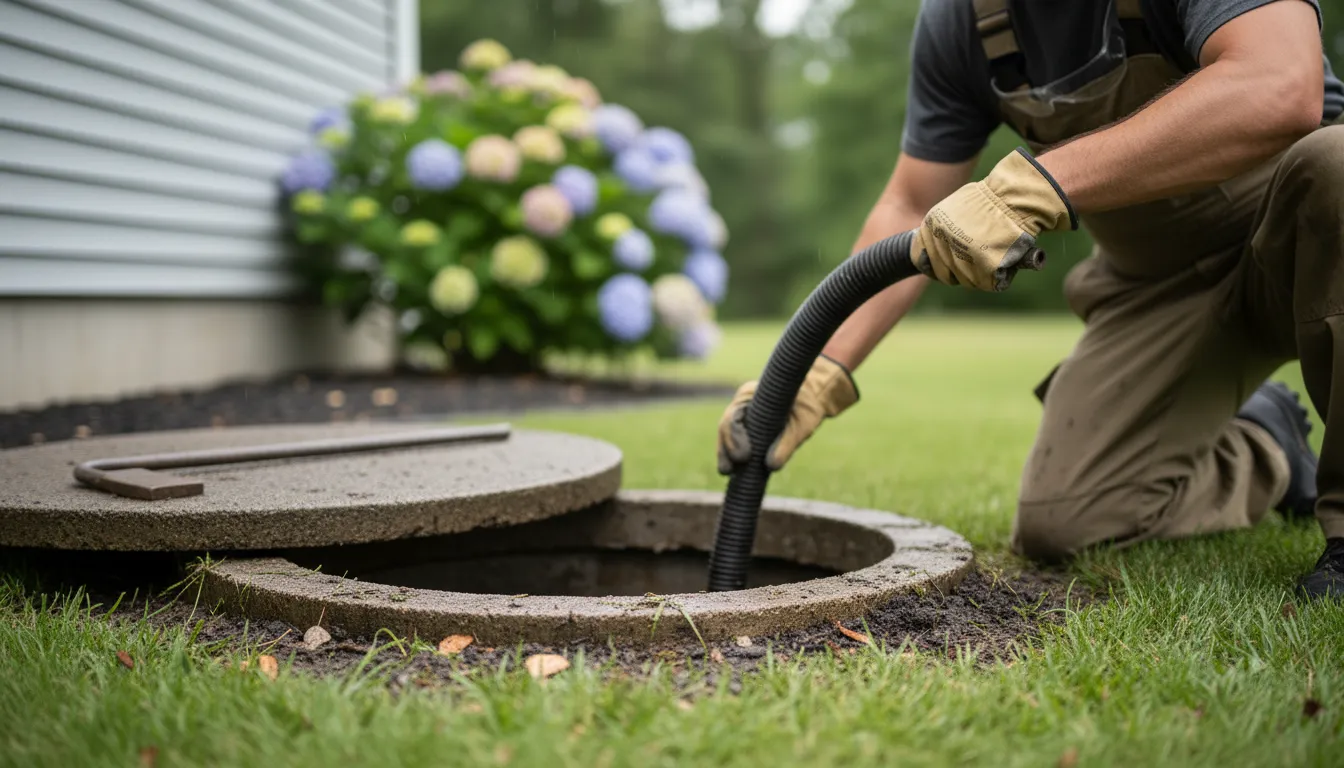
Find the Best Septic Tank Pumping Contractors for Your Business
No obligation • Fast responses • Nationwide coverage

Why you can trust Septic Spot
Septic Spot is a leading United States resource for understanding and comparing septic services. Our editors review providers using consistent criteria and verify key business details. Listings and scores are independent, and companies cannot pay to influence our content.
Search providers near you
Top Septic Tank Pumping Contractors in Warwick, Rhode Island Ranked
Maintaining a healthy septic system is a crucial responsibility for homeowners in Warwick. Regular septic tank pumping is the most essential service to prevent system failure, protect your property value, and safeguard Rhode Island's sensitive coastal environment. This guide provides local insights on recommended pumping schedules, costs, maintenance tips, and regulations to help you find qualified professionals for your septic service needs.
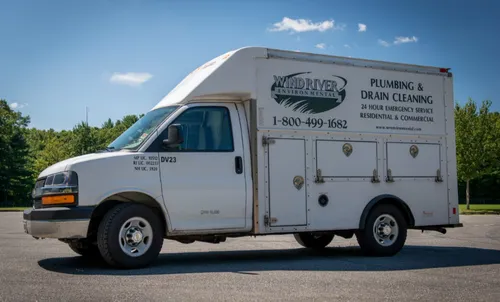
Wind River Environmental of Johnston, RI
141 Shun Pike, Johnston, RI 02919
Wind River Environmental of Johnston, RI provides septic tank pumping, inspection, and repair services in Providence, RI. Serving residential, commercial, and municipal clients, the company offers tailored solutions that comply with local codes and regulations. With a history dating back to 1946, Wind River Environmental brings decades of experience and a broad resource network to handle projects of varying complexity. The company is available 24/7 to address urgent septic and wastewater needs.

A & D Sanitation.
223 Hinchey Ln, Somerset, MA 02726
A & D Sanitation provides septic tank pumping, inspection, and repair services in Providence, RI. The company handles septic system maintenance including pumping, line snaking to clear blockages, and basic repairs such as installing filters, risers, and covers. They also offer yearly bacteria treatments and inspections required for Rhode Island point-of-sale ISDS. Their services include maintaining cesspool tight tanks and providing tank seals and jetting.

Croome Sanitation Inc
26 Hillside Ave, Rehoboth, MA 02769
Croome Sanitation Inc is a family-owned septic service company serving Providence, RI, and the surrounding areas of Southeast Massachusetts and Rhode Island. Established in 1962, the company offers a wide range of septic system services including pumping, Title 5 inspections, sewer camera diagnostics, pump station maintenance, and excavation work. Their expertise extends to wastewater treatment systems, providing comprehensive care to maintain system health and compliance with local regulations. Croome Sanitation also offers same-day and emergency services to address urgent septic needs.
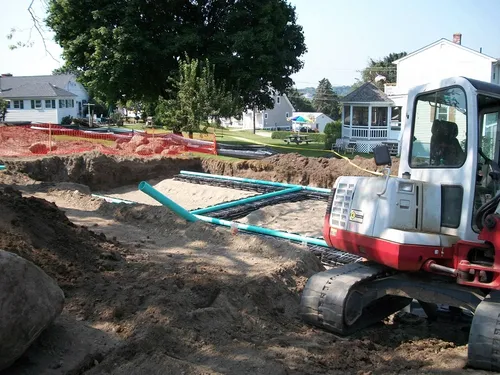
Michael Perri & Sons Septic Service, Inc.
Providence, RI
Michael Perri & Sons Septic Service, Inc. is a family-owned and operated septic company serving Providence, RI, and the entire state of Rhode Island. They provide a full range of septic services including routine pumping, cleaning, inspections, repairs, and new system installations. Their skilled team also offers hydro-jetting, backhoe services, enzyme bacteria treatments, and drainage installation to maintain and protect septic systems. With over 50 years of experience and licenses for underground utility work, they handle both residential and commercial septic needs across multiple Rhode Island communities.
Why Regular Septic Maintenance is Critical in Warwick
A septic system is an on-site wastewater treatment plant for your home. When functioning correctly, it safely processes household waste. However, solids (sludge and scum) accumulate over time and must be physically removed through pumping. Neglecting this service can lead to sewage backups into your home, foul odors, and contamination of groundwater and nearby waterways like Greenwich Bay and the Pawtuxet River. The Rhode Island Department of Environmental Management (DEM) emphasizes that proper maintenance is both an environmental and public health necessity.
Recommended Pumping Frequency for Warwick Homes
How often you need septic tank pumping depends on your household size and tank capacity. General guidelines for our area are:
- Standard Households (2-4 people): Every 3 to 5 years.
- High-Usage Households (5+ people) or Systems with Smaller Tanks: Every 1 to 2 years.
- Homes with Garbage Disposals: More frequent pumping is often required, as disposals significantly increase solid waste entering the tank.
These are general rules. The only way to know for sure is through a professional inspection, which measures the levels of sludge and scum in your tank. The University of Rhode Island recommends checking these levels every 1 to 3 years1.
Understanding Septic System Inspections
An inspection is different from pumping. A thorough inspection evaluates the entire system:
- Tank Integrity: Checking for cracks, leaks, and ensuring baffles (inlet/outlet dividers) are intact.
- Sludge and Scum Depth: Determining if pumping is immediately necessary.
- Drain Field Health: Looking for signs of failure like soggy soil or surfacing sewage.
Important Rhode Island Regulation: A septic system inspection is legally required within 12 months prior to the sale of any home. Furthermore, if your property has an old cesspool, state law required replacement if it was within 200 feet of tidal water or a public well by January 1, 2014. Cesspools must also be replaced within one year of a property sale or if they are deemed to have failed2.
What to Expect: Service Costs in Warwick
For routine septic tank pumping in the Warwick area, homeowners can expect to pay between $250 and $5003 4. The final cost depends on several factors:
- Tank Size: Larger tanks (e.g., 1,500 gallons) cost more to pump than standard 1,000-gallon tanks.
- Tank Accessibility: Easy access for the pump truck keeps costs lower.
- Condition: Heavily neglected tanks with excessive solids may incur additional fees.
- Additional Services: Combining pumping with a full inspection or minor repairs will increase the total.
Always request a detailed, written estimate before work begins.
Find the perfect septic tank pumping contractors for your needs
Get personalized recommendations and expert advice
Best Practices for Septic System Care
Pumping is vital, but daily habits determine how quickly your tank fills. Follow these tips to extend time between services and protect your system:
- Mind What You Flush: Only human waste and toilet paper should go down the toilet. Avoid flushing wipes (even "flushable" ones), feminine hygiene products, dental floss, and chemicals.
- Conserve Water: Spread out laundry loads over the week and fix leaky faucets and toilets immediately. Excessive water flow can overwhelm the system.
- Protect the Drain Field: Never drive or park vehicles over the leaching field, and keep roof drains, sump pumps, and patios away from it. Compaction and excess water can cause failure.
- Skip the Additives: Commercial septic system additives are not necessary and can sometimes harm the bacterial balance in your tank or contaminate groundwater 5.
- Use Garbage Disposals Sparingly: If you have a disposal, use it minimally. Composting food scraps is a better alternative that reduces sludge buildup.
Special Considerations for Warwick Properties
Warwick's proximity to Narragansett Bay means many properties are in environmentally sensitive areas. Homes with Advanced Treatment Systems (ATS), such as aerobic treatment units (ATUs) or sand filters, have stricter maintenance requirements. These complex systems often require annual inspections and more frequent servicing by specially certified technicians to ensure they meet state discharge standards6 7. When searching for service, ensure the provider is experienced with your specific system type.
Choosing a Local Septic Service Provider
Selecting a reliable contractor is key. Look for:
- Proper Licensing: Ensure they are licensed by the Rhode Island Department of Environmental Management to install, inspect, and pump septic systems.
- Local Experience: Providers familiar with Warwick's soil conditions, water table, and local regulations will offer the most relevant advice.
- Comprehensive Services: Many companies offer pumping, inspection, repair, and installation, providing a one-stop resource.
- Good References: Ask for references from recent customers in your area and check online reviews.
A professional provider will not only perform the service but also leave you with a record of the work done, including sludge levels and any observations about your system's health.
The Environmental Impact in Rhode Island
A failing septic system is more than a private nuisance; it's a source of pollution. Nutrients like nitrogen and phosphorus from untreated sewage can leach into groundwater and flow into the Bay, contributing to algae blooms that deplete oxygen and harm marine life. By adhering to a regular septic tank pumping and inspection schedule, Warwick homeowners directly contribute to the health of our local waterways and community 8.
Frequently asked questions
Sources
Footnotes
-
Maintaining your Septic System - The University of Rhode Island - https://web.uri.edu/owt/wp-content/uploads/sites/2062/Maintaining-Your-Septic-System.pdf ↩
-
Septic & Onsite Wastewater Treatment Systems - RI DEM - https://dem.ri.gov/environmental-protection-bureau/water-resources/permitting/septic-onsite-wastewater-treatment-owts ↩
-
SepticSmart Homeowners | Rhode Island Department of Environmental Management - https://dem.ri.gov/environmental-protection-bureau/water-resources/permitting/septic-smart-home ↩
-
Septic Tank Pumping Cost: Guide & Pricing in 2025 - Splash Plumbing - https://www.splashplumbing.com/how-much-does-it-cost-to-pump-septic-tank-understanding-pricing-and-factors-involved/ ↩
-
RI Septic System Maintenance Recommendations - https://fostersurvey.com/ri-septic-system-maintenance-recommendations/ ↩
-
How Often Should You Pump Your Septic Tank - Rhode Island - https://www.rockhouseconstruction.com/how-often-should-you-pump-your-septic-tank-rhode-island ↩
-
Rhode Island Septic System Regulations for Homeowners - https://www.rockhouseconstruction.com/rhode-island-septic-system-regulations-for-homeowners ↩
-
Septic Systems | Rhode Island Department of Environmental ... - https://dem.ri.gov/ri-stormwater-solutions/take-action/simple-steps/septic-systems.php ↩