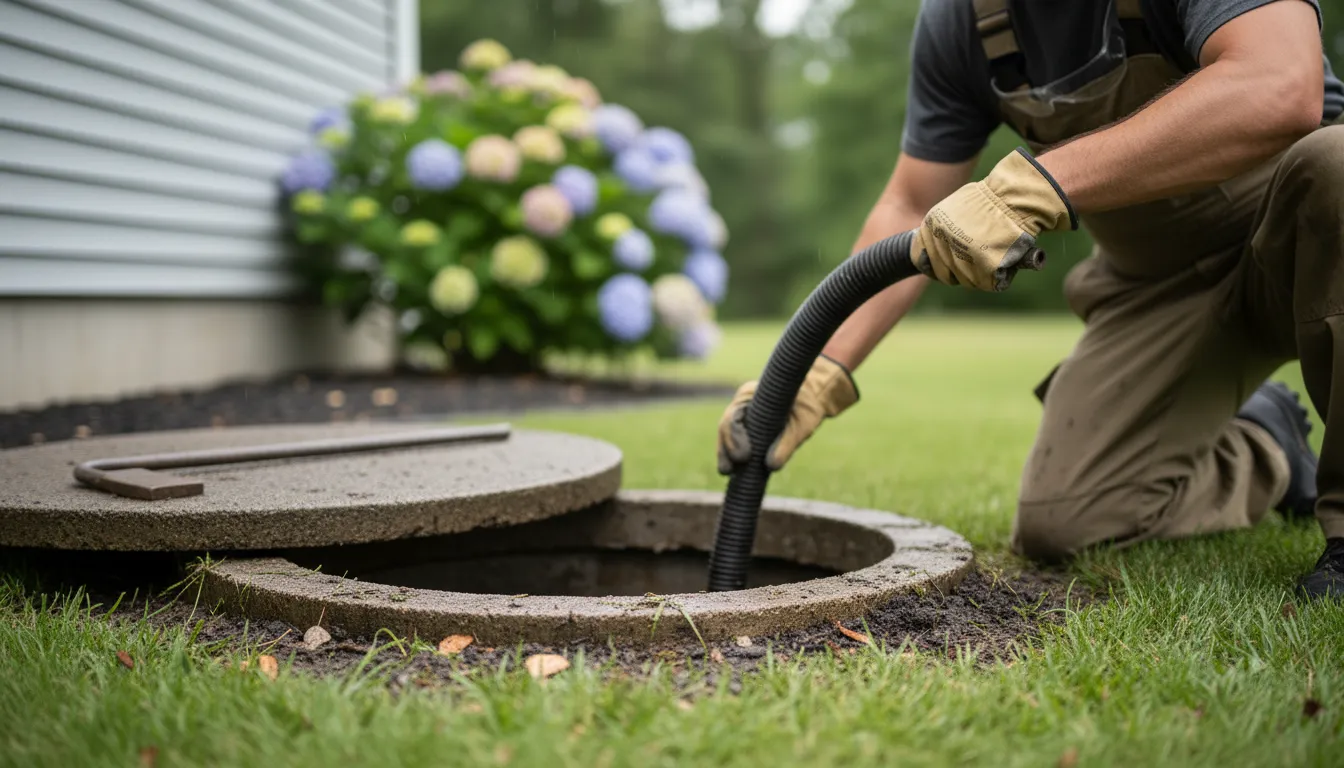
Find the Best Septic Tank Pumping Contractors for Your Business
No obligation • Fast responses • Nationwide coverage

Why you can trust Septic Spot
Septic Spot is a leading United States resource for understanding and comparing septic services. Our editors review providers using consistent criteria and verify key business details. Listings and scores are independent, and companies cannot pay to influence our content.
Search providers near you
Top Septic Tank Pumping Contractors in Woonsocket, Rhode Island Ranked
Maintaining your septic system is a crucial responsibility for any homeowner not connected to a municipal sewer line. Regular septic tank pumping and inspection are the cornerstones of a healthy system, preventing costly backups, environmental contamination, and system failure. For residents of Woonsocket, understanding local recommendations and finding qualified professionals for septic service is key to protecting your property and complying with state guidelines. This guide provides essential information on schedules, costs, and best practices to help you manage your onsite wastewater treatment effectively.
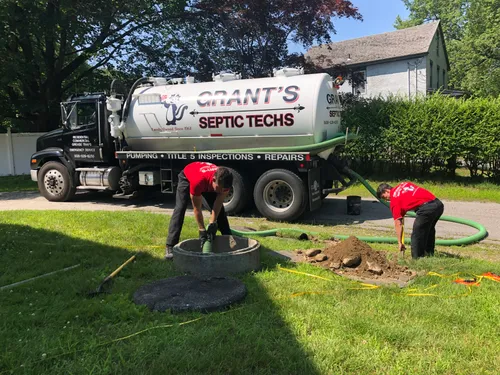
Grant's Septic Techs
5 Farm St, Upton, MA 01568
Grant's Septic Techs is a family-owned septic tank pumping company serving Worcester, MA. They provide septic tank pumping services with a focus on thorough and honest work. The company is known for careful yard restoration after service and clear communication throughout the process.
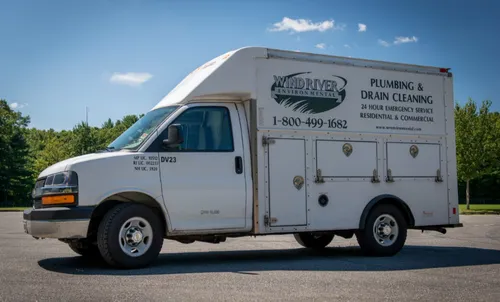
Wind River Environmental of Johnston, RI
141 Shun Pike, Johnston, RI 02919
Wind River Environmental of Johnston, RI provides septic tank pumping, inspection, and repair services in Providence, RI. Serving residential, commercial, and municipal clients, the company offers tailored solutions that comply with local codes and regulations. With a history dating back to 1946, Wind River Environmental brings decades of experience and a broad resource network to handle projects of varying complexity. The company is available 24/7 to address urgent septic and wastewater needs.
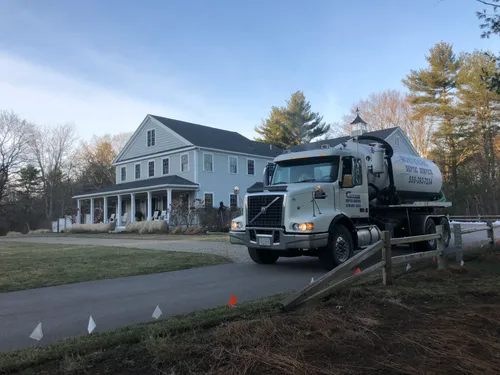
Northboro / Curtis Septic Service
124 Main St, Northborough, MA 01532
Northboro / Curtis Septic Service is a septic contractor based in Worcester, MA, offering a range of services including septic system installation, repair, pumping, cleaning, and maintenance for both residential and commercial clients. They also provide septic to town sewer conversions and Title 5 inspections across Worcester County and several surrounding counties. The company maintains strong relationships with local Boards of Health to ensure compliance and quality service.
Chase Harris Septic Services
85 Dudley Rd, Sutton, MA 01590
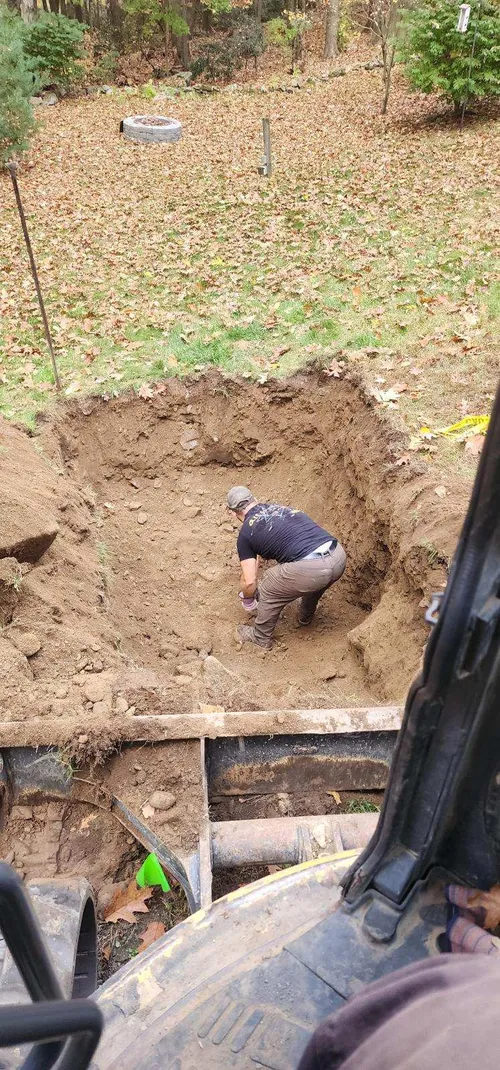
Chase Harris Septic Services is a family-owned business providing septic system maintenance, repair, installation, and inspection services in Worcester, MA. With decades of experience, they serve residential and commercial clients, offering comprehensive septic pumping, Title 5 inspections, and grease trap cleaning. Their team also handles excavation and site preparation to ensure proper system installation and repair. Chase Harris Septic Services is known for meeting local codes and regulations, including Title 5 compliance, and uses advanced equipment to maintain system efficiency and safety.
All In One Drain Cleaning
9A Wellington Rd, Oxford, MA 01540
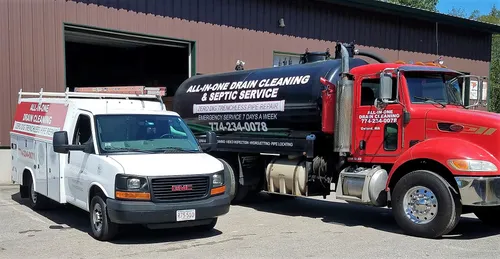
All In One Drain Cleaning is a septic tank pumping company based in Worcester, MA. They provide drain cleaning, sewer and water repair, septic pumping, and pipeline maintenance for both residential and commercial properties. The company has been serving the area since 2009 and offers 24/7 emergency drain services to address urgent issues such as backups or foul odors.
Why Regular Septic Maintenance is Non-Negotiable
A septic system is a living ecosystem that treats household wastewater. When functioning properly, it safely returns water to the ground. Neglect, however, leads to sludge and scum buildup that can clog the drain field, cause sewage to surface in your yard, or back up into your home. The Rhode Island Department of Environmental Management (DEM) emphasizes that proactive maintenance is far less expensive than emergency repairs or a full system replacement. In Woonsocket, with its local ordinances, keeping records of your maintenance isn't just smart-it's often a requirement.
Recommended Pumping Frequency for Woonsocket Homes
How often you need to schedule septic tank pumping depends primarily on your household size and tank capacity. State and environmental guidelines provide a clear framework.
- General Rule: The consensus among authorities like the RI DEM and the EPA is that tanks should be pumped every 3 to 5 years for an average household.
- Household Size Guidelines: A more precise schedule is based on occupancy:
- 1-2 people: Every 4-5 years
- 3-4 people: Every 3-4 years
- 5-6 people: Every 2-3 years
- 7+ people: Every 1-2 years 1 2
- High-Usage or Small Tanks: If you have a garbage disposal, host frequent guests, or have a smaller-than-average tank, you should plan for more frequent pumping, potentially every 1-2 years.
The only way to know for sure is through a professional inspection, which measures the sludge and scum layers inside the tank.
The Critical Role of Professional Inspection
Pumping is just one part of the service. A thorough inspection by a licensed professional is equally important and is recommended at least every 3 years for conventional systems, and annually for systems with pumps or electrical components 3.
During an inspection, a technician will:
- Locate and access the tank and drain field.
- Measure the thickness of the sludge and scum layers.
- Inspect the tank's inlet and outlet tees for blockages.
- Check for signs of leaks or structural damage.
- Examine the drain field for any signs of failure, like soggy soil or unpleasant odors.
A key pumping trigger is when the scum layer is within 6 inches of the outlet tee, or the sludge layer is within 12 inches 4 5. Inspections provide the data needed to pump on a schedule, not just a guess.
Understanding Costs for Pumping and Inspection
Budgeting for septic maintenance is straightforward. In the Woonsocket area, the combined cost for a standard inspection and pumping typically ranges from $250 to $500 6 7. The final price is influenced by a few factors:
- Tank Size: Larger tanks cost more to pump. For example, pumping a 750-gallon tank may range from $250-$550, while a 1,500-gallon tank could be $450-$1,100 or more 8 9.
- Tank Accessibility: Clear, easy access keeps costs down. If the tank lid is buried deep or obstacles are in the way, labor time increases.
- Condition: Extremely clogged or neglected tanks may require additional labor.
While this is an essential home maintenance expense, it pales in comparison to the $5,000-$20,000+ cost of repairing or replacing a failed drain field.
Find the perfect septic tank pumping contractors for your needs
Get personalized recommendations and expert advice
Best Practices for Septic System Health
Pumping is vital, but what you do between service visits determines your system's longevity.
- Conserve Water: Spread out laundry loads and fix leaky faucets to avoid overwhelming the drain field.
- Mind What You Flush: Only human waste and toilet paper should go down the drain. Avoid flushing wipes (even "flushable" ones), feminine hygiene products, dental floss, cooking grease, and chemicals.
- Skip the Additives: The RI DEM states that commercial septic additives are unnecessary and can actually harm the natural bacterial balance in your tank, potentially damaging components.
- Protect Your Drain Field: Never park vehicles, build structures like sheds or decks, or plant trees and shrubs over the leaching area. The soil must remain uncompacted to properly treat wastewater 10.
- Keep Detailed Records: Maintain a file with all inspection reports, pumping receipts, and system diagrams. This is invaluable for troubleshooting, selling your home, and demonstrating compliance with any local Woonsocket ordinances 11.
Navigating Rhode Island and Local Regulations
The RI Department of Environmental Management (DEM) oversees septic systems statewide. Many Rhode Island communities, including potentially Woonsocket, have enacted local health ordinances that may require proof of routine maintenance 12. It's the homeowner's responsibility to be aware of and comply with these rules. Always hire licensed and insured professionals for septic work, as they will be familiar with both state and local code requirements.
Signs Your System Needs Immediate Attention
Don't wait for your scheduled maintenance if you notice these red flags:
- Slow drains or gurgling pipes throughout the house.
- Sewage backups in toilets, showers, or sinks.
- Standing water or soggy, bright green grass over the drain field.
- Unpleasant odors around the tank or drain field area.
If you observe any of these, contact a septic service professional promptly to assess the situation before it escalates into a full-scale failure.
Frequently asked questions
Sources
Footnotes
-
Septic Systems | Department of Environmental Protection - https://www.pa.gov/agencies/dep/residents/my-water/septic-systems ↩
-
How Often Should You Pump Your Septic Tank - Rhode Island - https://www.rockhouseconstruction.com/how-often-should-you-pump-your-septic-tank-rhode-island ↩
-
Frequent Questions on Septic Systems | US EPA - https://www.epa.gov/septic/frequent-questions-septic-systems ↩
-
Your Septic System is Your Responsibility! - https://northeasthealthdistrict.org/wp-content/uploads/2023/05/homeowner_guide_long.pdf ↩
-
What you need to know about the Rhode Island Septic System ... - https://allclearseptic.com/wp-content/uploads/2019/02/rhodeislandsepticinspection.pdf ↩
-
Septic Systems | Rhode Island Department of Environmental ... - https://dem.ri.gov/ri-stormwater-solutions/take-action/simple-steps/septic-systems.php ↩
-
SepticSmart Homeowners | Rhode Island Department of Environmental Management - https://dem.ri.gov/environmental-protection-bureau/water-resources/permitting/septic-smart-home ↩
-
Septic Tank Pumping Cost: Guide & Pricing in 2025 - Splash Plumbing - https://www.splashplumbing.com/how-much-does-it-cost-to-pump-septic-tank-understanding-pricing-and-factors-involved/ ↩
-
How Much Does Septic Tank Pumping Cost in 2025? - HomeAdvisor - https://www.homeadvisor.com/cost/plumbing/clean-septic-tank/ ↩
-
RI Septic System Maintenance Recommendations - https://fostersurvey.com/ri-septic-system-maintenance-recommendations/ ↩
-
Caring for Your Septic System | Mass.gov - https://www.mass.gov/guides/caring-for-your-septic-system ↩
-
Rhode Island Septic Inspection Requirements: What to Know - https://www.rockhouseconstruction.com/rhode-island-septic-inspection-requirements-what-to-know ↩