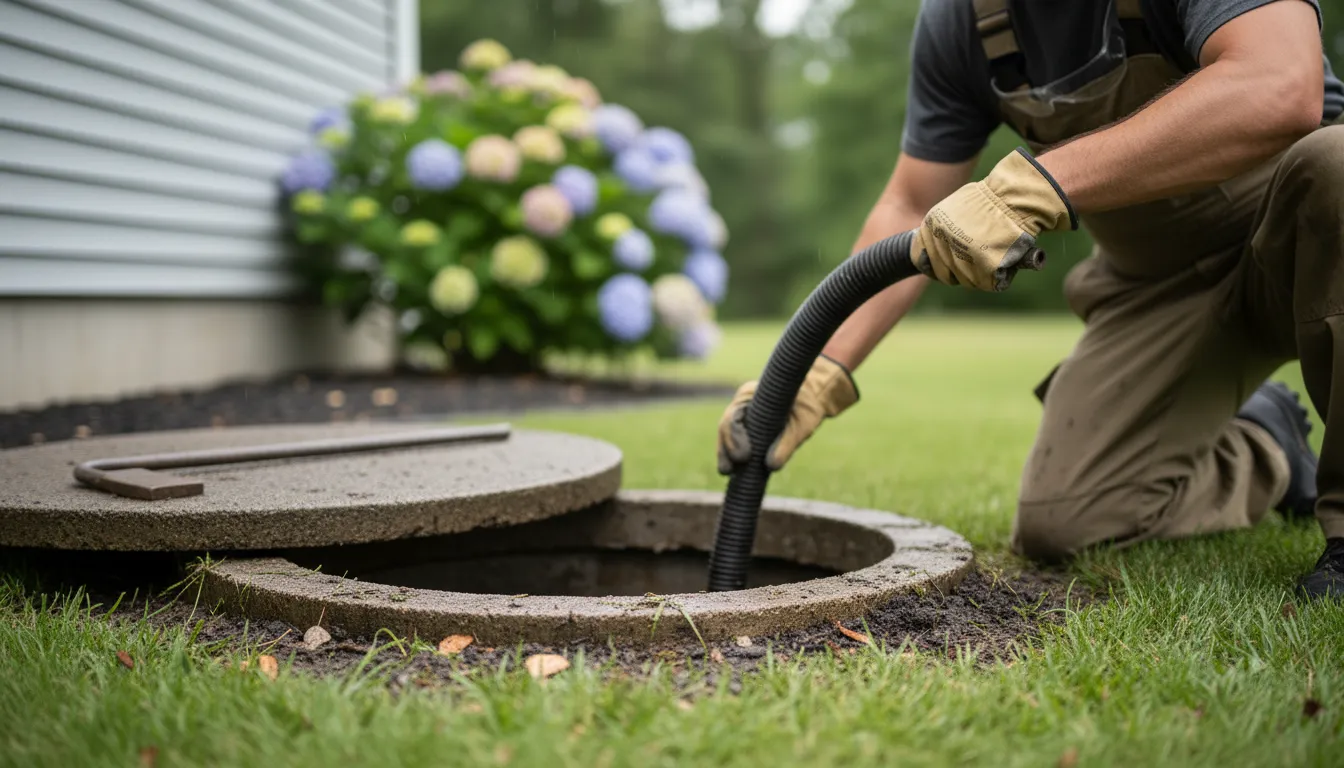
Find the Best Septic Tank Pumping Contractors for Your Business
No obligation • Fast responses • Nationwide coverage

Why you can trust Septic Spot
Septic Spot is a leading United States resource for understanding and comparing septic services. Our editors review providers using consistent criteria and verify key business details. Listings and scores are independent, and companies cannot pay to influence our content.
Search providers near you
Top Septic Tank Pumping Contractors in Mount Pleasant, South Carolina Ranked
For homeowners in Mount Pleasant, maintaining a septic system is a crucial responsibility for protecting your property, your family's health, and the local Lowcountry environment. Septic tank pumping is the essential process of removing accumulated solids from your tank to prevent system failure, costly repairs, and environmental contamination. This guide provides the local information you need to understand service frequency, costs, and best practices, helping you connect with qualified professionals to keep your system functioning smoothly for years to come.
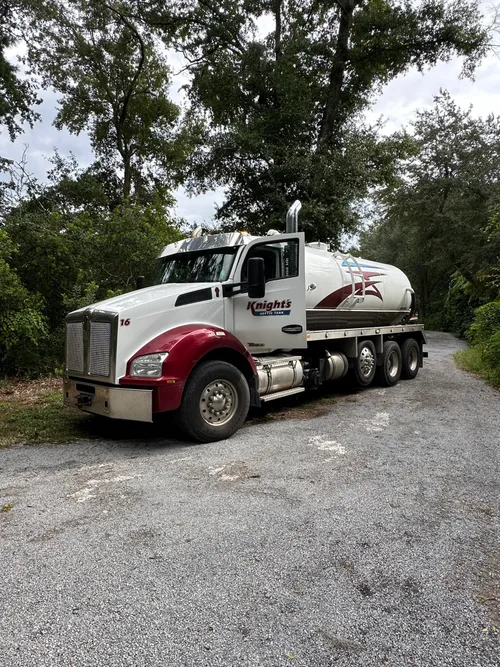
Knights Septic Tank Services
288 Hodge Rd, Summerville, SC 29483
Knights Septic Tank Services has been serving Charleston, SC, and the surrounding Lowcountry area since 1969. The company offers a full range of septic services including pumping, inspection, installation, and repair for both residential and commercial clients. They also manufacture precast concrete septic tanks and grease traps through their specialized divisions. Their licensed engineers and technicians bring over 30 years of combined experience to each project. Knights Septic Tank Services operates pump trucks seven days a week by appointment to accommodate customer needs.

Anderson Plumbing & Industrial Inc.
Charleston, SC
Anderson Plumbing & Industrial Inc. is a family-owned company serving Charleston, SC, and surrounding areas with industrial, commercial, and residential plumbing services. They specialize in complex plumbing system repairs, septic tank pumping and repair, and trenchless pipe rehabilitation using advanced technologies such as robotic camera inspection and UV curing. With decades of experience, Anderson Plumbing & Industrial offers emergency services and a workmanship guarantee to address urgent and routine plumbing needs efficiently.
A-1 Septic Tank Service
1717 Pineview Rd, Charleston, SC 29407
A-1 Septic Tank Service provides septic tank pumping, installation, and repair services in Charleston, SC. The company offers tailored septic solutions with a focus on professional installation and maintenance. With years of experience, A-1 Septic Tank Service is equipped to handle various septic system needs to support residential and commercial properties.
Understanding Your Septic System in Mount Pleasant
A septic system is an on-site wastewater treatment system common in areas not served by municipal sewer lines. In Mount Pleasant, with its mix of historic neighborhoods and newer developments, many homes rely on these private systems. The core component is the septic tank, a buried, watertight container where solids settle and begin to decompose. The clarified liquid then flows out to a drainfield for further treatment in the soil.
Regular septic tank maintenance, including periodic pumping, is not optional; it's necessary for the system's longevity. When sludge and scum accumulate beyond capacity, they can flow into the drainfield, causing clogs, backups into your home, and pollution of groundwater. Given the proximity to sensitive coastal ecosystems like the Charleston Harbor and area marshes, proper care is an environmental imperative for the community.
Recommended Pumping and Inspection Schedule
How often should you schedule septic pumping? The general rule for Mount Pleasant homes is every 3 to 5 years. However, this is a guideline, not a one-size-fits-all rule. Several factors can necessitate more frequent service:
- Household Size and Water Usage: A family of six will fill the tank faster than a couple.
- Tank Size: Smaller tanks require more frequent pumping.
- Garbage Disposal Use: Disposals significantly increase the solid waste load entering the tank.
- Volume of Solids: The amount of wastewater and organic material generated.
While South Carolina law does not mandate routine inspections for existing residential systems, experts strongly recommend a professional inspection every 1 to 2 years1 2. An inspection can identify minor issues before they become major failures, such as cracked baffles or early signs of drainfield problems. It's important to note that inspections are legally required when applying for a permit to construct a new system or replace an existing one, which must be approved by the South Carolina Department of Environmental Services (SCDES) before local building permits are issued2.
Find the perfect septic tank pumping contractors for your needs
Get personalized recommendations and expert advice
What to Expect: Service Costs in Mount Pleasant
The cost for septic tank pumping in Mount Pleasant varies based primarily on the tank's size and its accessibility. Prices typically reflect the labor, equipment, and proper disposal of the waste at a licensed facility. Based on local service data, you can expect the following general price ranges3:
- Small Tanks (under 1,000 gallons): $250 - $350
- Medium Tanks (1,000 - 1,500 gallons): $300 - $400
- Large Tanks (1,500 - 2,000 gallons): $400 - $500
The average cost often falls around $4234. Be wary of quotes that seem unusually low, as they may not include all fees or may indicate subpar service practices. Always request a detailed, written estimate. Additional costs may apply for things like locating a buried tank lid, excavating to access it, or if an inspection reveals the need for urgent repairs.
Signs Your Tank Needs Pumping
Don't wait for a disaster. Be proactive and watch for these warning signs that your septic tank is reaching capacity and needs to be pumped:
- Slow Drains: Sinks, showers, and toilets that drain slowly, especially if plunging or drain cleaners don't help.
- Sewage Backups: The most severe sign-wastewater backing up into household drains.
- Unpleasant Odors: Foul smells emanating from drains, the yard, or near the tank/drainfield area.
- Lush, Green Grass: An unusually green and soggy patch over the drainfield, even during dry weather, indicates effluent is surfacing.
- Gurgling Sounds: Strange gurgling noises coming from your plumbing system.
If you notice any of these signs, it's time to contact a professional immediately to assess and pump your tank.
Best Practices for Septic System Health
Pumping is a critical part of maintenance, but what you do between services is equally important. Follow these tips from local and state experts to keep your Mount Pleasant system healthy5 6 7:
- Conserve Water: Spread out laundry loads and fix leaky faucets to avoid hydraulically overloading the system.
- Mind What You Flush: Only human waste and toilet paper should go down the toilet. Never flush diapers, wipes (even "flushable" ones), feminine hygiene products, or cigarettes.
- Use the Trash Can, Not the Drain: Avoid pouring cooking grease, oil, or coffee grounds down the sink. Don't use chemical drain openers for clogs.
- Protect the Drainfield: Never park vehicles or build structures over the drainfield. Keep roof drains and sump pumps directed away from it.
- Use Licensed Professionals: Always hire a licensed septic contractor for pumping, inspections, and repairs to ensure work complies with South Carolina regulations8.
Choosing a Local Service Provider
When it's time for septic cleaning, selecting the right contractor is key. Look for a provider who is licensed and insured in South Carolina. Ask about their experience with local soil conditions and regulations. A reputable company will be able to explain the process, provide a clear estimate, and should be willing to show you where your tank and drainfield are located. They should also provide a detailed receipt documenting the service performed, including the volume of waste removed and where it was taken for disposal.
Frequently asked questions
Sources
Footnotes
-
Septic Tanks - Preventative Routine Maintenance | South Carolina Department of Environmental Services - https://des.sc.gov/permits-regulations/septic-tanks/homeowner-resources/septic-tanks-preventative-routine-maintenance ↩
-
Septic Tanks - Frequently Asked Questions - https://des.sc.gov/permits-regulations/septic-tanks/homeowner-resources/septic-tanks-frequently-asked-questions ↩ ↩2
-
Cost to Pump Septic Tank: Tips to Save on Cleaning Fees - https://ivanssiteservices.com/blog/cost-to-pump-septic-tank-what-to-expect-and-how-to-save/ ↩
-
Septic Tank Pumping Cost: Guide & Pricing in 2025 - Splash Plumbing - https://www.splashplumbing.com/how-much-does-it-cost-to-pump-septic-tank-understanding-pricing-and-factors-involved/ ↩
-
Septic Systems - Mount Pleasant Waterworks - https://www.mountpleasantwaterworks.com/your_water/septic_systems.php ↩
-
Septic Systems | Department of Environmental Protection - https://www.pa.gov/agencies/dep/residents/my-water/septic-systems ↩
-
Be Septic Safe - Clemson University - https://www.clemson.edu/extension/water/resources/be-septic-safe.html ↩
-
South Carolina Septic Tank Regulations - https://www.septicconnection.com/south-carolina-septic-tank-regulations ↩