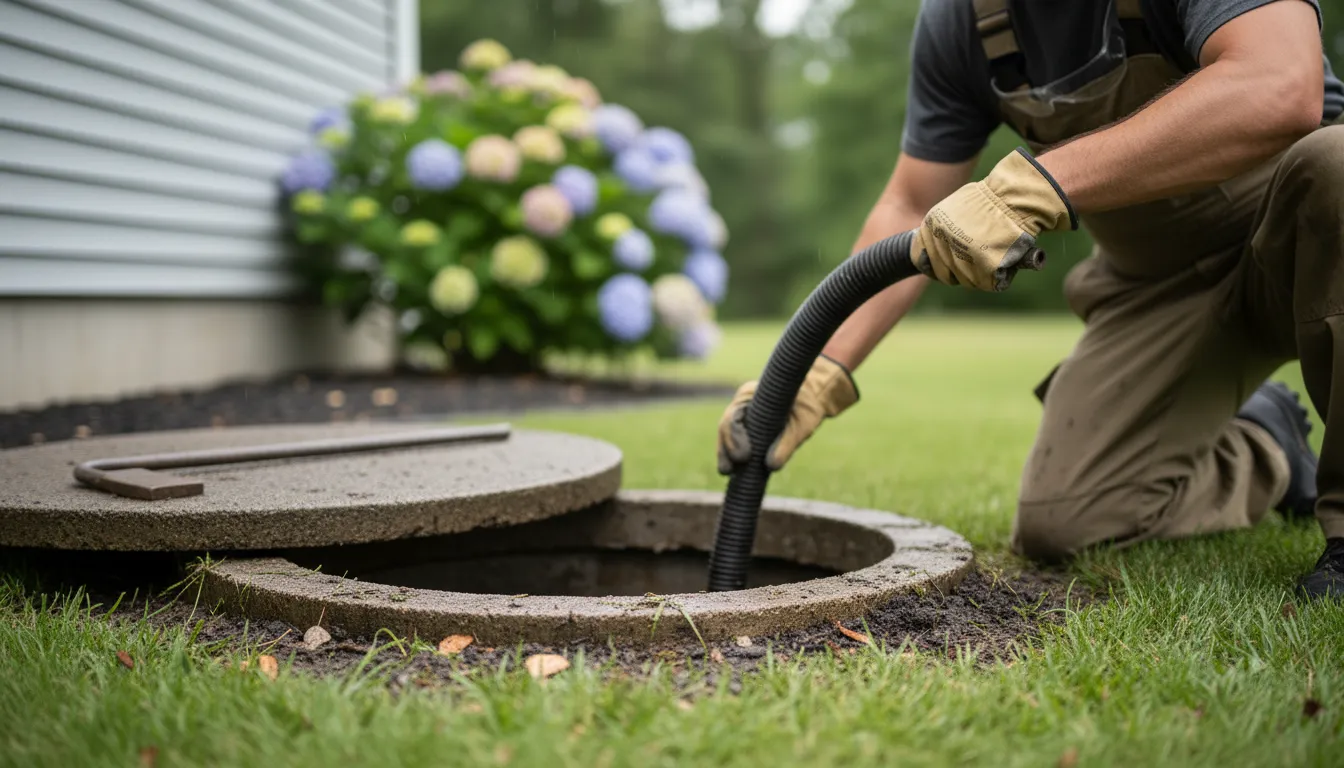
Find the Best Septic Tank Pumping Contractors for Your Business
No obligation • Fast responses • Nationwide coverage

Why you can trust Septic Spot
Septic Spot is a leading United States resource for understanding and comparing septic services. Our editors review providers using consistent criteria and verify key business details. Listings and scores are independent, and companies cannot pay to influence our content.
Search providers near you
Top Septic Tank Pumping Contractors in Sumter, South Carolina Ranked
Maintaining your septic system is a crucial responsibility for any homeowner not connected to a municipal sewer line. Septic tank pumping is the essential service of removing accumulated solids from your tank to prevent system failure, environmental contamination, and costly repairs. In Sumter, where many homes rely on these private wastewater systems, understanding the recommended maintenance schedule and finding a qualified local professional is key to protecting your property and investment. This guide provides the information you need to make informed decisions about septic system maintenance, including local cost insights and regulatory guidance.
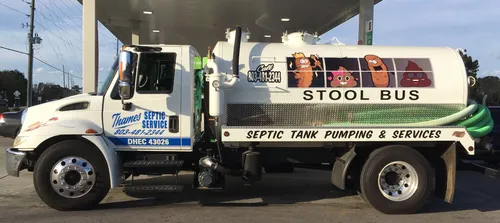
Thames Lawn Care, Pressure Washing, & Septic Service
870 Twin Lakes Dr, Sumter, SC 29154
Thames Lawn Care, Pressure Washing, & Septic Service is located in Columbia, SC, offering a variety of outdoor and septic services. They provide septic tank pumping, septic tank installation, and drain line installation alongside lawn care and pressure washing. Their septic services include routine and emergency pumping to maintain system function. Thames Lawn Care also handles landscaping projects such as sod installation, irrigation systems, and pest control.
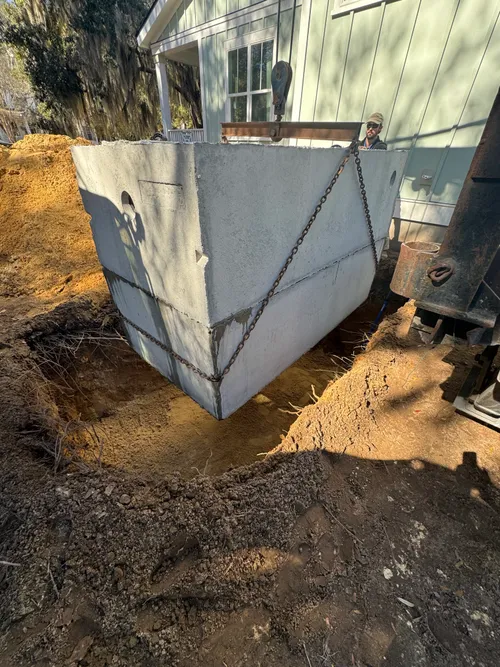
Longleaf Property Solutions LLC
2430 Old Belleville Rd, St Matthews, SC 29135
Longleaf Property Solutions LLC provides septic tank pumping, inspection, repair, and installation services in Augusta, GA. They also offer comprehensive land clearing, grading, and excavation services tailored for residential projects. With over 10 years of experience, the company handles septic system installation and replacement, including site leveling and drainage grading to ensure proper system function and compliance.
FJ Rabon Construction
250 Kinard Rd, Lugoff, SC 29078
FJ Rabon Construction is a family-owned business based near Columbia, SC, offering septic tank installation, repair, and pumping services. With over 40 years of experience, they serve residents in Kershaw and Richland counties, providing septic system maintenance and portable toilet rentals. The company is fully licensed and bonded, equipped to handle projects of various sizes with proper expertise and equipment.
Why Regular Septic Maintenance is Non-Negotiable
A septic system is a living ecosystem that treats household wastewater. When functioning correctly, it safely disperses treated effluent into the soil. However, when solids (sludge and scum) are allowed to build up beyond capacity, they can flow into the drain field, clogging the soil and causing backups into your home or pollution in your yard. Regular septic tank cleaning is the most effective preventative measure you can take. The South Carolina Department of Environmental Services (SCDES) emphasizes that routine maintenance prevents expensive repairs and significantly extends the life of your entire system 1. Neglecting this service can lead to repair bills ranging from $3,000 to $7,000 or more for a full system failure.
Recommended Pumping and Inspection Schedule for Sumter Homes
How often you need to schedule septic tank service depends on several factors, including tank size and household usage. Following state guidelines helps ensure your system operates efficiently for decades.
- Pumping Frequency: The SCDES generally recommends having your septic tank pumped every 3 to 5 years. This is a standard baseline. Homes with smaller tanks or larger families may require more frequent tank pumping, perhaps every 2-3 years. Conversely, a single person in a home with a large tank might extend the interval slightly 2.
- Inspection Frequency: In addition to pumping, the SCDES suggests having a licensed contractor inspect your entire system every 1 to 2 years. A professional inspection can identify minor issues like baffle problems or early signs of drain field distress before they become catastrophic failures. While state law does not mandate periodic inspections for most existing residential systems, they are a critical component of responsible ownership 3.
Understanding Costs for Septic Pumping in Sumter
Budgeting for maintenance is easier when you know what to expect. Costs for septic tank emptying are relatively modest compared to the price of neglect.
- Average Pumping Cost: For a typical 1,000-gallon residential septic tank in Sumter, the average cost for pumping is approximately $268 4.
- Standard Price Range: You can generally expect prices to fall within a range of $246 to $290 for this standard service 5.
- Factors Influencing Price: The final cost can vary based on your tank's accessibility, its exact size, and how long it has been since the last pump-out. Always get a detailed quote from your chosen provider.
Find the perfect septic tank pumping contractors for your needs
Get personalized recommendations and expert advice
What to Expect During a Professional Pumping Service
Hiring a licensed professional ensures the job is done correctly and in compliance with state regulations. A standard service visit typically includes:
- Locating and Uncovering the Tank: The technician will find your tank's access lids and excavate if necessary.
- Inspecting the Tank: Before pumping, a good technician will check the tank's inlet and outlet baffles for integrity and look for signs of cracks or leaks.
- Pumping and Hauling: Using a large vacuum truck, all solids and liquids are removed from the tank and transported to an approved disposal facility.
- Post-Pumping Inspection: After the tank is empty, the interior may be inspected again for structural issues.
- System Advice: The professional should provide recommendations for your next service date and answer any questions about your system's operation.
Daily Habits to Protect Your Septic System
Maintenance isn't just about periodic pumping; what goes down your drains every day matters. Adopting septic-friendly habits reduces strain on your system and extends time between service calls.
- Conserve Water: Fix leaking toilets and faucets. Spread out laundry loads over the week instead of doing many loads in one day.
- Mind What You Flush: Only human waste and toilet paper should go into the system. The SCDES specifically advises against flushing grease, cat litter, coffee grounds, diapers, "flushable" wipes, or feminine hygiene products 6.
- Use Septic-Safe Products: Choose toilet paper that breaks down easily and avoid pouring harsh chemicals, paints, or antibiotics down the drain, as they can kill the beneficial bacteria in your tank.
- Protect Your Drain Field: Never park vehicles or build structures over the drain field. Keep roof drains and sump pumps directed away from this area.
Choosing a Licensed Septic Service Provider in Sumter
Selecting the right contractor is as important as the service itself. Always verify that a provider is licensed by the state of South Carolina to perform septic system pumping and inspections. A licensed professional understands local soil conditions, SCDES regulations, and can provide documentation of the service for your records. Ask about their disposal practices, whether inspections are included, and if they offer emergency services for unexpected problems.
Signs Your Septic Tank Needs Immediate Attention
Don't wait for your scheduled maintenance if you notice any of these warning signs. They may indicate your tank is full or that a more serious problem has developed:
- Slow Drains: Sinks, showers, and toilets that drain slowly, especially if gurgling sounds are present.
- Sewage Backups: Wastewater backing up into household drains.
- Unpleasant Odors: Foul smells emanating from drains or around the tank/drain field area in your yard.
- Lush, Wet Grass: Spongy ground or unusually green, lush grass over the drain field, particularly during dry weather.
- Standing Water: Puddles or surfacing sewage in your yard.
If you observe any of these issues, contact a licensed septic tank pumping professional in Sumter for an assessment immediately.
Frequently asked questions
Sources
Footnotes
-
Septic Tanks - Preventative Routine Maintenance | South Carolina Department of Environmental Services - https://des.sc.gov/permits-regulations/septic-tanks/homeowner-resources/septic-tanks-preventative-routine-maintenance ↩
-
How Often to Pump a Septic Tank 2026 - Clear River Environmental - https://clearriverenvironmental.com/how-often-to-pump-a-septic-tank/ ↩
-
Septic Tanks - Frequently Asked Questions | South Carolina Department of Environmental Services - https://des.sc.gov/permits-regulations/septic-tanks/homeowner-resources/septic-tanks-frequently-asked-questions ↩
-
Be Septic Safe - https://www.clemson.edu/extension/water/resources/be-septic-safe.html ↩
-
Sumter Septic Systems Costs & Prices - ProMatcher Cost Report - https://septic-systems.promatcher.com/cost/sumter-sc-septic-systems-costs-prices.aspx ↩
-
Frequently Asked Questions About Septic Tanks - Boggero's - https://www.boggerosseptictank.com/septic-tank-faq/ ↩