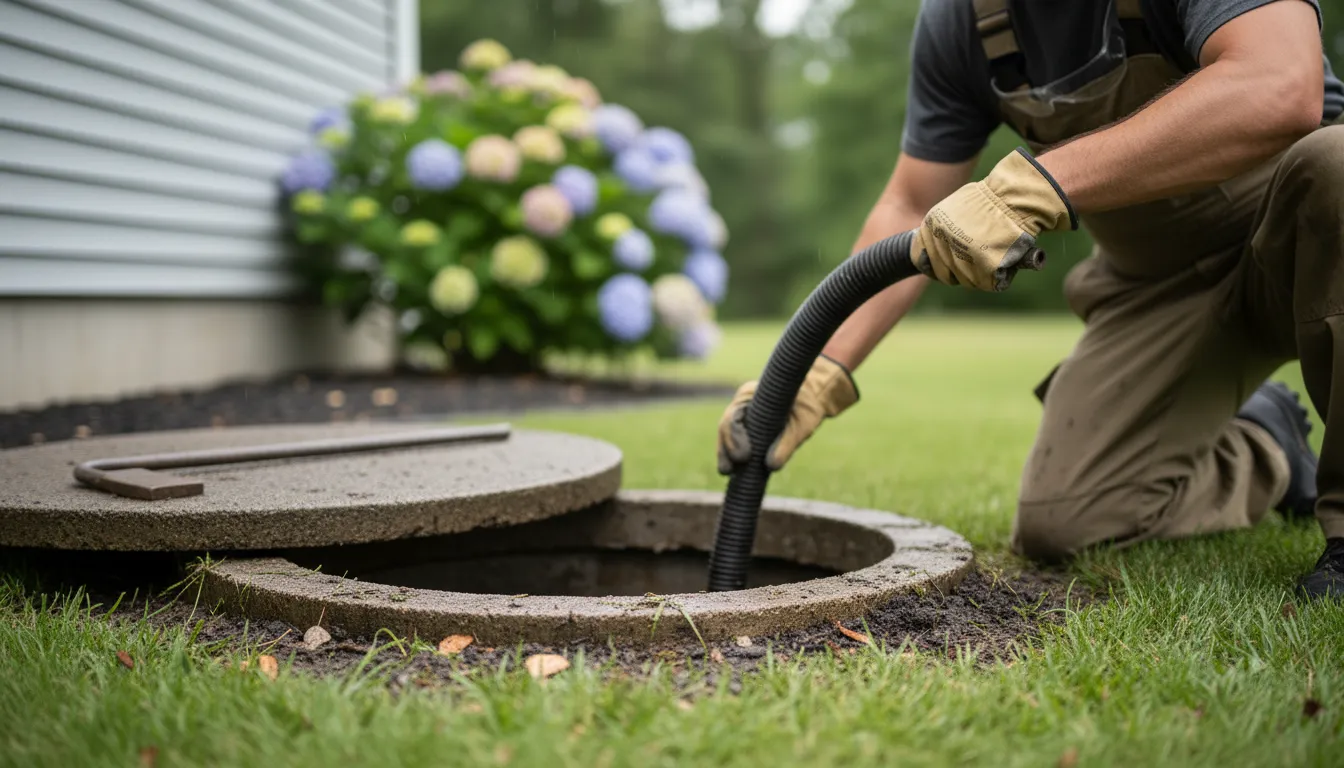
Find the Best Septic Tank Pumping Contractors for Your Business
No obligation • Fast responses • Nationwide coverage

Why you can trust Septic Spot
Septic Spot is a leading United States resource for understanding and comparing septic services. Our editors review providers using consistent criteria and verify key business details. Listings and scores are independent, and companies cannot pay to influence our content.
Search providers near you
Best Septic Tank Pumping Contractors in Wisconsin Ranked
Maintaining your private septic system is a crucial responsibility for Wisconsin homeowners. Regular septic tank pumping and inspection are not just about preventing backups; they are required by state law to protect public health, groundwater, and your property's value. This guide explains Wisconsin's specific regulations, how to determine your pumping schedule, and what to expect from the process, helping you connect with qualified, licensed professionals in your area.

Rozga Plumbing Corp.
1529 S 113th St, West Allis, WI 53214
Rozga Plumbing Corp. is a plumbing and septic service provider located in Milwaukee, WI. Serving Milwaukee and Waukesha counties, they offer septic tank pumping, inspection, and repair services along with general plumbing and sewer solutions. Established in 1981, Rozga Plumbing Corp. has over four decades of experience and provides 24-hour emergency plumbing services. Their team uses modern equipment and techniques to handle a wide range of plumbing and septic system needs.

Stordeur Sanitation
1455 Cornell Rd, Green Bay, WI 54313
Stordeur Sanitation is a septic tank pumping company located in Green Bay, WI. They provide septic and holding tank pumping services along with commercial liquid waste removal. With over 80 years of experience, the company is fully licensed and insured, serving the Green Bay area with knowledgeable and experienced staff.

Walter Stanley Septic
S65W22175 W National Ave, Waukesha, WI 53189
Walter Stanley Septic is a family-owned septic tank pumping and repair company serving Milwaukee, WI, and Southeast Wisconsin. They provide residential, commercial, and municipal septic services, including septic tank and mound system pumping, holding tank pumping, and grease trap cleaning for commercial kitchens. The company uses high-pressure water jetting to clear clogged drain lines and sewers, ensuring proper system function. Established in 1953, Walter Stanley Septic has a long history of serving the community with licensed and bonded services.
Pelishek Sanitation
N2309 St Peters Rd, Kewaunee, WI 54216
Pelishek Sanitation is a family-owned septic tank pumping company serving Green Bay, WI, and the surrounding Kewaunee County area. With over 23 years of experience, they offer septic system maintenance, including mound system and holding tank cleaning, as well as portable toilet rentals for events. Their licensed and insured operators handle various septic situations with the proper equipment and training. Pelishek Sanitation also provides education on septic system function and maintenance to help minimize system failures.
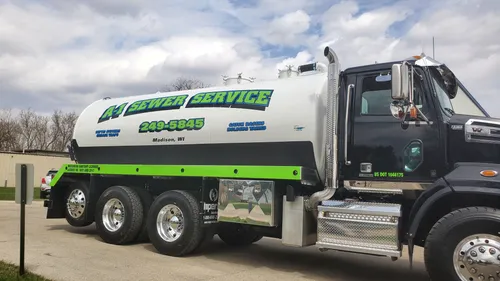
A-1 Sewer Service Inc.
6470 Lake Rd #1, Windsor, WI 53598
A-1 Sewer Service Inc. is a septic tank pumping and inspection company based near Madison, WI. Serving Dane County as well as Sauk, Iowa, and Columbia Counties, the company offers licensed maintenance and hauling of liquid waste. Founded in 1996 by Lisa, who holds multiple state licenses including POWTS certification, the business combines hands-on fieldwork with management experience. Jim, a licensed operator since 1998, supports the service with his expertise in equipment operation and waste hauling.
Understanding Wisconsin's Septic System Laws
In Wisconsin, private onsite wastewater treatment systems (POWTS) are regulated under state code SPS 383. A cornerstone of this regulation is the mandatory maintenance requirement: all septic tanks must be inspected and/or pumped by a licensed professional at least once every three years 1. This is not a suggestion-it's the law. The goal is to ensure systems function properly, preventing untreated sewage from contaminating soil and groundwater, which is especially important in a state with abundant lakes and rivers.
Homeowners are directly responsible for arranging this maintenance. Many counties send out reminder notices, but the obligation ultimately falls on the property owner. After service is completed, the licensed pumper or inspector must file a maintenance report with your county zoning or sanitation department, providing official proof of compliance.
The "One-Third Rule" for Pumping
The three-year inspection is the minimum. However, the technician will determine if pumping is actually needed during that visit based on a key measurement: the combined depth of the sludge layer (solids at the bottom) and the scum layer (grease and foam at the top). If this combined layer equals or exceeds one-third of the tank's liquid depth, the tank must be pumped 2. This "one-third rule" is a statewide standard designed to prevent solids from escaping the tank and clogging the critical drain field.
Special Rules for Holding Tanks
If your property uses a holding tank (which simply stores waste with no drain field), the rules are different but no less strict. Holding tanks must be pumped as needed to prevent overflows and are subject to more frequent monitoring requirements3. Neglecting a holding tank can lead to immediate, serious environmental violations.
How Often Should You Pump Your Septic Tank?
While the legal inspection interval is three years, the ideal pumping frequency for your home depends on several factors. The three-year rule is a safety net, but many systems benefit from more frequent service.
General Guidelines:
- Typical Range: Most household septic tanks in Wisconsin are pumped every 2 to 3 years.
- Tank Size & Household Size: A common estimate is that a 1,000-gallon tank serving a family of four should be pumped about every 2.5 years. A 1,500-gallon tank may last around 4 years, and a 2,000-gallon tank roughly 5 years under average use4. These are estimates-your usage is key.
Factors That Require More Frequent Pumping:
- Smaller Tank Size: A smaller tank fills with solids more quickly.
- More Household Residents: Increased use means more wastewater and solids entering the system.
- High Water Usage: Frequent laundry loads, long showers, and excessive use of garbage disposals all accelerate sludge buildup.
- Age of the System: Older systems may be less efficient at breaking down solids.
The only way to know for sure is through a professional inspection that measures the sludge and scum levels. Relying on guesswork or waiting for signs of failure (like slow drains or odors) is risky and can lead to costly drain field repairs.
What to Expect: The Pumping and Inspection Process
Hiring a licensed Wisconsin septic service provider ensures the job is done correctly and reported to the county. Here's what a standard maintenance visit involves:
- Locating & Accessing the Tank: The technician will locate the tank and uncover the access manholes. Keeping these ports accessible (not buried under landscaping or pavement) is the homeowner's responsibility.
- Inspecting the System: Before pumping, a thorough inspection is conducted. This includes checking:
- The tank's structural integrity for cracks or leaks.
- The inlet and outlet baffles to ensure they are intact.
- The sludge and scum levels to apply the "one-third rule" 5.
- The condition of any pumps, siphons, or alarms (if present).
- The drain field area for any surfacing sewage or soggy ground, indicating a failure.
- Pumping the Tank: Using a large tanker truck, all contents are vacuumed out from the tank. A reputable service will pump from both compartments of a two-compartment tank and through the manhole, not just the smaller inspection port.
- Final Checks & Reporting: The technician may briefly rinse the tank interior to inspect for cracks but will avoid excessive water use. They will then secure the lids and provide you with a receipt. Crucially, they will submit the official maintenance report to your county, fulfilling your legal obligation6 7.
Find the perfect septic tank pumping contractors for your needs
Get personalized recommendations and expert advice
Cost of Septic Tank Pumping in Wisconsin
The cost for routine septic tank pumping in Wisconsin typically ranges from $300 to $600 or more8 9 10. Several variables influence the final price:
- Tank Size and Volume: Larger tanks or those that are overly full cost more to pump.
- Accessibility: Tanks that are deeply buried or difficult for the truck to reach may incur additional charges.
- Location: Prices can vary by region within the state.
- Additional Services: If repairs, a filter cleaning, or a more detailed inspection are needed, costs will increase.
It's important to note that in some counties, like Dane County, an annual fee for the private sewage system maintenance program is included in your property tax bill11. This program administers the compliance notices but does not cover the actual pumping cost-you still must hire and pay a contractor separately.
Homeowner Maintenance Responsibilities Between Pumpings
Proper care between professional service visits extends your system's life and prevents emergencies.
Do:
- Conserve Water: Fix leaky faucets and toilets, and spread out laundry loads.
- Divert Water: Ensure roof drains, sump pumps, and surface water are directed away from the drain field.
- Map & Maintain Access: Know where your tank and drain field are, and keep the inspection ports accessible.
- Use Septic-Safe Products: Choose toilet paper and cleaners designed for septic systems.
Don't:
- Flush Non-Biodegradables: Never flush wipes (even "flushable" ones), feminine hygiene products, dental floss, or cigarettes.
- Pour Grease or Chemicals: Cooking grease, oils, paint, pesticides, and strong chemicals can kill beneficial bacteria and clog the system.
- Overuse the Garbage Disposal: Disposals significantly increase the solid waste load in your tank. Compost food scraps when possible12 13.
- Drive or Build on the System: The weight can crush pipes and compact the soil in the drain field. Avoid planting trees nearby, as roots can infiltrate and damage components.
Signs Your System Needs Immediate Attention
Don't wait for your triennial inspection if you notice these warning signs:
- Slow Drains or gurgling plumbing fixtures throughout the house.
- Sewage Odors around the yard or home.
- Wet, Spongy, or Bright Green Grass over the drain field, especially when it hasn't rained.
- Sewage Backing Up into household drains or toilets.
If you observe any of these, contact a licensed septic professional immediately. It may indicate a full tank, a clog, or a more serious drain field failure.
Frequently asked questions
Sources
Footnotes
-
Private Sewage System Maintenance - Marinette County - https://www.marinettecountywi.gov/departments/land-information/sanitation/private-sewage-system-maintenance/ ↩
-
Maintaining Your POWTS (Septic System) - DSPS - https://dsps.wi.gov/Documents/Programs/POWTS/POWTSMaintenanceBrochure.pdf ↩
-
Regular Holding Tank Pumping for Wisconsin Homeowners - https://sunsetseptic.com/regular-holding-tank-pumping-wisconsin-homeowners/ ↩
-
How Often Should You Pump Your Septic Tank: 3 Factors Solved - https://www.frasiers.com/blog/sewage-tank-pump-frequency/ ↩
-
Homeowner's Guide to Septic Systems - https://www.co.richland.wi.us/departments/zoning/sanitation/homeowner_guide_long.pdf ↩
-
Septic Systems (POWTS) | Marathon County, WI - https://www.marathoncounty.gov/services/zoning/septic-systems-powts ↩
-
POWTS Maintenance Information | Douglas County, WI - https://www.douglascountywi.gov/1070/POWTS-Maintenance-Information ↩
-
Septic Tank Pumping: How Often Should You Do It in Wisconsin? - https://sunsetseptic.com/septic-tank-pumping-in-wisconsin/ ↩
-
A Guide to Rural Septic Systems for Wisconsin Homes - https://sunsetseptic.com/guide-to-rural-septic-systems-for-wisconsin-homes/ ↩
-
How Much Does it Cost to Empty Your Septic Tank - https://www.crystalhpe.com/cost-to-empty-septic-tank/ ↩
-
A Guide for Residents new to Septic Systems - Middleton, Wisconsin - http://town.middleton.wi.us/vertical/sites/%7B97A50AAB-3824-4833-ACEA-EF2B9A14C856%7D/uploads/Septic_System_Brochure_-_Background.pdf ↩
-
Septic Systems | Waukesha County - https://www.waukeshacounty.gov/parks-and-land-use/environmental-health/septic-systems/ ↩
-
SEPTIC SYSTEM GENERAL INFORMATION - https://www.woodcountywi.gov/departments/pz/Doc/Septic%20System%20Information%20for%20Homeowners.pdf ↩