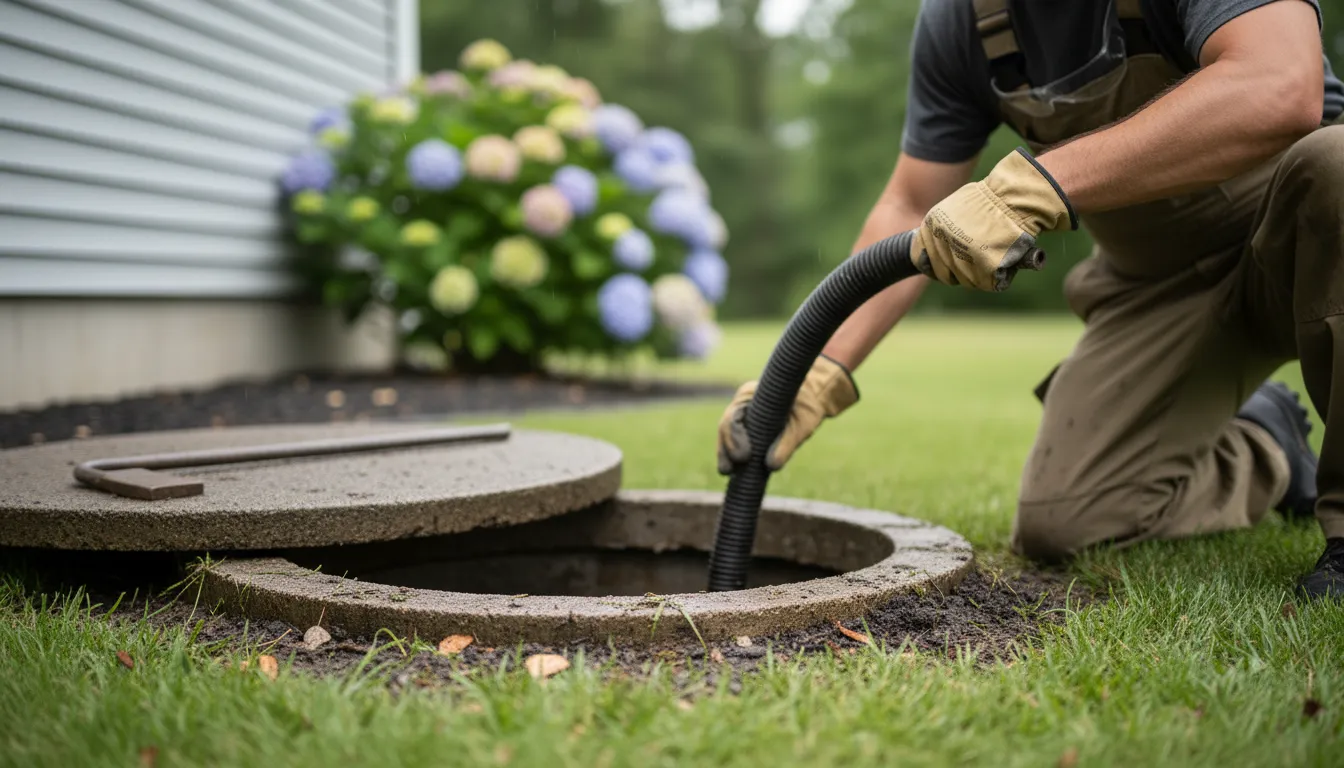
Find the Best Septic Tank Pumping Contractors for Your Business
No obligation • Fast responses • Nationwide coverage

Why you can trust Septic Spot
Septic Spot is a leading United States resource for understanding and comparing septic services. Our editors review providers using consistent criteria and verify key business details. Listings and scores are independent, and companies cannot pay to influence our content.
Search providers near you
Top Septic Tank Pumping Contractors in Milwaukee, Wisconsin Ranked
Maintaining your septic system is a critical responsibility for any homeowner not connected to a municipal sewer line. Septic tank pumping is the essential process of removing accumulated solids and scum from your tank to prevent system failure, backups, and environmental contamination. This service is vital for protecting your property value, your family's health, and Wisconsin's groundwater. The following information will help you understand local requirements, find qualified professionals, and ensure your system operates smoothly for years to come.

Rozga Plumbing Corp.
1529 S 113th St, West Allis, WI 53214
Rozga Plumbing Corp. is a plumbing and septic service provider located in Milwaukee, WI. Serving Milwaukee and Waukesha counties, they offer septic tank pumping, inspection, and repair services along with general plumbing and sewer solutions. Established in 1981, Rozga Plumbing Corp. has over four decades of experience and provides 24-hour emergency plumbing services. Their team uses modern equipment and techniques to handle a wide range of plumbing and septic system needs.

Walter Stanley Septic
S65W22175 W National Ave, Waukesha, WI 53189
Walter Stanley Septic is a family-owned septic tank pumping and repair company serving Milwaukee, WI, and Southeast Wisconsin. They provide residential, commercial, and municipal septic services, including septic tank and mound system pumping, holding tank pumping, and grease trap cleaning for commercial kitchens. The company uses high-pressure water jetting to clear clogged drain lines and sewers, ensuring proper system function. Established in 1953, Walter Stanley Septic has a long history of serving the community with licensed and bonded services.
Understanding Your Septic System and Wisconsin's 3-Year Rule
A residential septic system, or Private Onsite Wastewater Treatment System (POWTS), is a self-contained wastewater treatment plant on your property. Everything that goes down a drain in your home ends up in the septic tank, where solids settle as sludge, fats and oils float as scum, and the clarified liquid flows out to the drain field. Over time, the sludge and scum layers build up, and if not removed, they can clog the outlet and cause sewage to back up into your home or fail in your yard.
In Wisconsin, state law mandates that all septic systems be inspected by a licensed professional at least every three years 1. This septic system inspection is not just a formality; it's a proactive measure to catch small issues before they become expensive disasters. During this mandatory inspection, the service provider will measure the levels of sludge and scum to determine if a septic tank cleaning or pumping is immediately necessary.
When Should You Pump Your Septic Tank in Milwaukee?
While the state inspection provides a formal check, understanding the factors that influence pumping frequency empowers you as a homeowner. The common guideline of pumping every 3-5 years is a good starting point, but your household's specific situation dictates the true schedule.
- The 1/3 Rule: A key technical guideline is that a tank should be pumped if the sludge (solids on the bottom) reaches one-third of the tank's liquid depth, or if the scum layer gets too close to the outlet baffle 2. Your inspector will measure this.
- Household Size and Usage: A family of six will fill a tank with solids much faster than a single person. High-use systems often require more frequent septic tank servicing, potentially every 1-2 years 3.
- Tank Size: A 1,000-gallon tank will need pumping less often than a 500-gallon tank serving the same size household.
- Garbage Disposal Use: Using a garbage disposal significantly increases the solid waste entering the tank, accelerating sludge buildup.
- System Type: Alternative systems with pumps, aerators, or other mechanical components typically require more frequent inspection and maintenance 4 5.
Waiting until you notice slow drains or sewage odors is waiting too long. By then, you may be facing not just a routine pump-out, but also repairs to a clogged drain field-a far more costly undertaking.
What to Expect During a Professional Pumping Service
A standard septic tank pumping service involves more than just vacuuming out the contents. A reputable provider will follow a comprehensive process:
- Locating and Accessing the Tank: The crew will locate the tank lids and excavate if necessary. Proper access ports are crucial.
- Inspecting the Tank: Before pumping, a quick visual inspection checks for cracks, leaks, and the condition of inlet/outlet baffles or tees.
- Pumping and Hauling: Using a large vacuum truck, all liquid and solid waste is pumped from the tank and transported to an approved treatment facility.
- Post-Pump Inspection: With the tank empty, the technician can better inspect the tank's interior and components for damage.
- System Evaluation: The service should include checking the drain field for any signs of surfacing effluent or saturation.
It's recommended to be present during the service to ask questions and see the condition of your system firsthand.
Cost of Septic Tank Pumping in Milwaukee
The cost for septic tank emptying in the Milwaukee area is relatively consistent. For a standard 1,000-gallon tank, homeowners can expect to pay between $250 and $320 for a routine pumping service 6 7.
Several factors can influence this price:
- Tank Size: Pumping a smaller 500-gallon tank may range from $200 to $300, while a larger 1,500-gallon tank can cost between $300 and $500 8 9.
- Tank Accessibility: If the tank lids are buried deep, require extensive digging to locate, or are far from where the truck can park, additional labor fees may apply.
- Condition: Tanks that have gone far beyond their recommended pumping interval (e.g., 7+ years) may have excessive solidified sludge, requiring more time and effort to break up and remove, potentially increasing the cost 10.
- Additional Services: The mandatory 3-year inspection is often performed concurrently with pumping, and there may be a separate fee for the inspection report and certification required by the county.
Find the perfect septic tank pumping contractors for your needs
Get personalized recommendations and expert advice
Maintaining Your System Between Pumpings
Proper daily care extends the life of your system and reduces the frequency of required pump-outs.
- Conserve Water: Fix leaky faucets and toilets, and spread out laundry loads to avoid overwhelming the tank.
- Mind What You Flush: Only human waste and toilet paper should go into the system. Never flush wipes (even "flushable" ones), feminine hygiene products, dental floss, diapers, or cooking grease.
- Use Septic-Safe Cleaners: Harsh chemicals like bleach and drain cleaners can kill the beneficial bacteria in your tank that break down waste.
- Protect the Drain Field: Never drive or park vehicles over it, and plant only grass over the area. Keep roof drains and sump pumps directed away from it.
Local Regulations and Permits in Milwaukee County
Milwaukee County, along with the Wisconsin Department of Natural Resources (DNR), regulates septic systems to protect public health and water resources. The 3-year inspection law is a statewide requirement. When selling a property, a compliant inspection report is often required. For new installations or major repairs, permits from the Milwaukee County Environmental Health Division are necessary. Always verify that any service provider you hire is licensed by the state of Wisconsin to perform inspections and pumping.
Signs Your Septic Tank Needs Immediate Attention
Don't ignore these warning signs:
- Slow Drains: Gurgling sounds or slow drainage throughout the house.
- Sewage Odors: Unpleasant smells indoors near drains or outdoors near the tank/drain field.
- Wet, Spongy Yard: Lush green grass or soggy ground over the drain field, especially when it hasn't rained.
- Sewage Backup: The most severe sign-wastewater backing up into household drains.
If you notice any of these, contact a professional for an assessment immediately to prevent further damage and environmental harm.
Frequently asked questions
Sources
Footnotes
-
SEPTIC SYSTEM GENERAL INFORMATION - https://www.woodcountywi.gov/departments/pz/Doc/Septic%20System%20Information%20for%20Homeowners.pdf ↩
-
Wisconsin's 3-Year Septic Inspection - Toombs Septic Services - https://toombssepticservices.com/septic-services/wisconsins-3-year-septic-inspection/ ↩
-
Septic Systems | Department of Environmental Protection - https://www.pa.gov/agencies/dep/residents/my-water/septic-systems ↩
-
Homeowner's Guide to Septic Systems - https://www.co.richland.wi.us/departments/zoning/sanitation/homeowner_guide_long.pdf ↩
-
Septic Tank Pumping: How Often Should You Do It in Wisconsin? - https://sunsetseptic.com/septic-tank-pumping-in-wisconsin/ ↩
-
What Does Septic Tank Pumping Cost in 2025 - Hella Water - https://hellawater.com/septic-tank-pumping-cost-2025/ ↩
-
What Is the Cost to Pump a Septic Tank? - This Old House - https://www.thisoldhouse.com/plumbing/cost-to-pump-septic-tank ↩
-
Septic Pumping Cost by State: 2024 Complete Price Guide - https://wastedoor.com/article/septic-pumping-cost-by-state ↩
-
How Much Does it Cost to Pump a Septic Tank? 2026 Price Guide - Plumbers Blog - https://rescueheroplumbing.com/how-much-does-it-cost-to-pump-a-septic-tank ↩
-
Optimizing Septic Tank Pumping Frequency for Households - https://www.unitedsewerservice.com/frequency-of-septic-tank-pumping-for-different-household-sizes/ ↩