Find the Best Septic Tank Pumping Contractors for Your Business
No obligation • Fast responses • Nationwide coverage

Why you can trust Septic Spot
Septic Spot is a leading United States resource for understanding and comparing septic services. Our editors review providers using consistent criteria and verify key business details. Listings and scores are independent, and companies cannot pay to influence our content.
Search providers near you
Top Septic Tank Pumping Contractors in Madison, Wisconsin Ranked
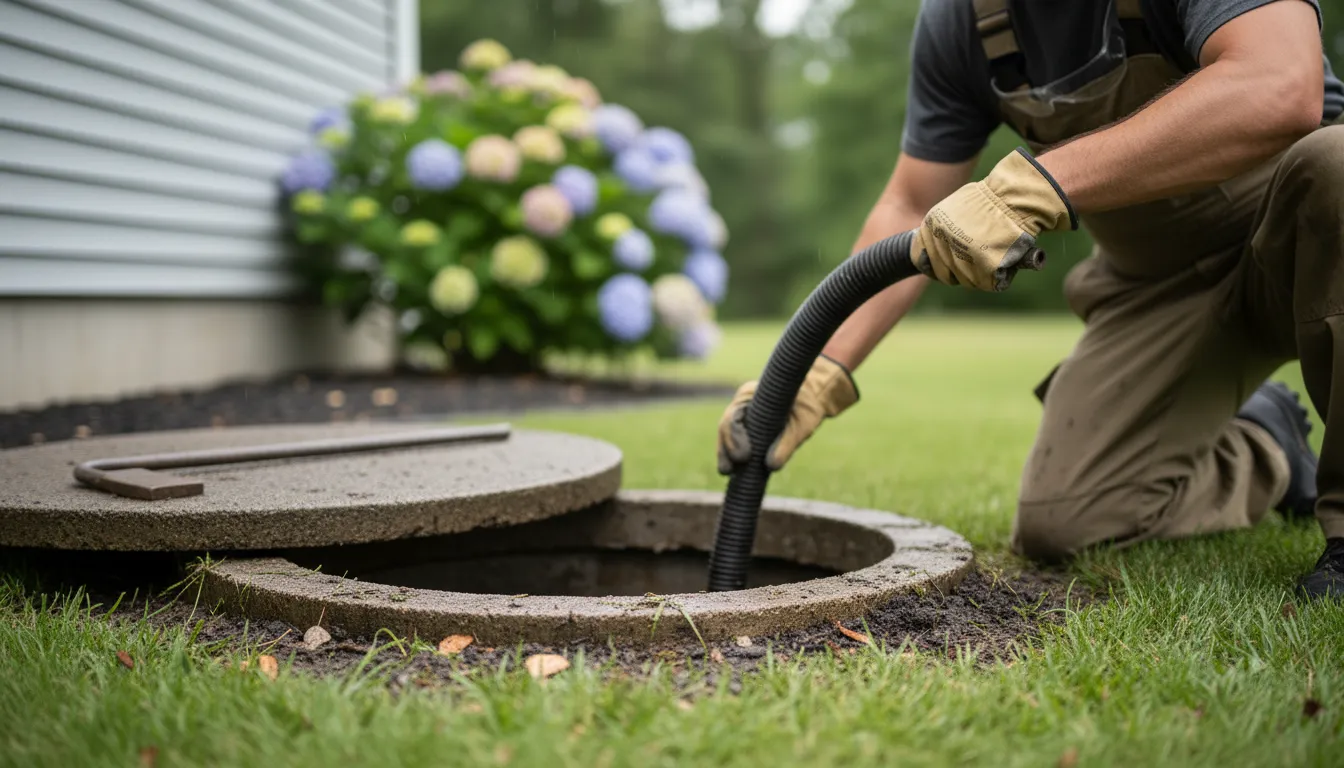
Maintaining your septic system is a critical responsibility for homeowners in Madison and Dane County. Septic tank pumping is the essential process of removing accumulated solids, or sludge and scum, from your tank to keep your entire Private Onsite Wastewater Treatment System (POWTS) functioning properly. Regular maintenance is not just a recommendation-it's a legal requirement designed to prevent environmental contamination and avoid costly system failures. This guide will help you understand local regulations, typical service needs, and how to connect with certified professionals for your septic service.
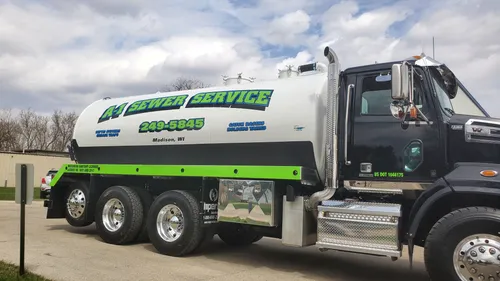
A-1 Sewer Service Inc.
6470 Lake Rd #1, Windsor, WI 53598
A-1 Sewer Service Inc. is a septic tank pumping and inspection company based near Madison, WI. Serving Dane County as well as Sauk, Iowa, and Columbia Counties, the company offers licensed maintenance and hauling of liquid waste. Founded in 1996 by Lisa, who holds multiple state licenses including POWTS certification, the business combines hands-on fieldwork with management experience. Jim, a licensed operator since 1998, supports the service with his expertise in equipment operation and waste hauling.
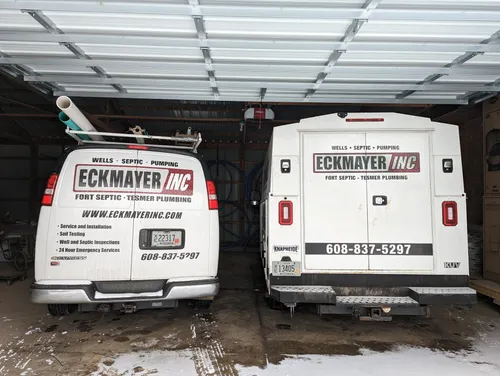
Eckmayer dba Fort Septic
N8458 County Rd O, Waterloo, WI 53594
Eckmayer dba Fort Septic is a septic tank pumping, repair, and installation company serving Madison, WI, and surrounding South Central Wisconsin communities. With over 30 years of experience, they provide septic system maintenance, well installation, and pump repair services. Their capabilities include septic and holding tank pumping as well as well system design and abandonment. Eckmayer dba Fort Septic has been serving the area since 1987, offering licensed and insured services that comply with local regulations.
Understanding Your Septic System and Local Laws
In Wisconsin, a septic system is formally known as a Private Onsite Wastewater Treatment System (POWTS). It's a self-contained wastewater treatment solution for properties not connected to a municipal sewer line. The system typically consists of a septic tank, where solids settle and begin to decompose, and a drainfield (or soil absorption area), where the treated liquid effluent is dispersed into the ground.
For Madison and Dane County residents, maintenance is governed by specific state and county codes. Wisconsin law mandates that all POWTS be inspected by a certified maintenance provider at least once every three years. This triennial inspection is a cornerstone of the state's maintenance program and is crucial for protecting local groundwater, which many residents rely on for drinking water from private wells.
How Often Should You Pump Your Septic Tank?
While inspections are required every three years, the need for actual pumping depends on the accumulation of solids in your tank. The general guideline for septic tank cleaning in the Madison area is every 3 to 5 years 1. However, this is a rule of thumb, and your specific situation may differ.
A certified inspector will measure the sludge and scum layers during your mandatory inspection. Pumping is required when the combined depth of sludge and scum equals or exceeds one-third of the tank's total liquid depth. Waiting until your tank is overfull can allow solids to escape into the drainfield, leading to clogging, backups, and a very expensive repair.
Factors That Require More Frequent Pumping
Several household factors can accelerate the buildup of solids, necessitating more frequent septic system servicing:
- Garbage Disposal Use: Disposals significantly increase the amount of organic solids entering the tank.
- Household Size: More residents generally mean more wastewater and solids.
- Tank Size: A smaller tank will fill with solids more quickly than a larger one.
- Holding Tanks: If your property uses a holding tank (which has no drainfield), it must be pumped whenever it becomes full, which can be very frequently.
The Inspection and Pumping Process: What to Expect
When you hire a certified sewage hauler or licensed plumber for maintenance, they follow a regulated process.
- Inspection: The provider will locate and uncover your tank access lids. They will use specialized tools to measure the thickness of the scum layer (floating on top) and the sludge layer (settled at the bottom). They will also inspect the tank's baffles and effluent filter (if present) and check the drainfield for any signs of failure.
- Pumping: If pumping is needed, a large vacuum truck will remove all the contents (liquids and solids) from your tank. A thorough provider will also rinse the tank interior to observe for cracks or leaks and ensure the baffles are intact.
- Reporting & Records: Following the service, the provider is required to complete an official Wisconsin Maintenance Pumping Report and submit it to the relevant county authority 2 3. You should always request and keep a copy of this report for your records. Maintaining a detailed service history is invaluable for troubleshooting and is often required during real estate transactions 4.
Filter Maintenance: Most modern systems include an effluent filter on the outlet baffle to prevent solids from leaving the tank. This filter should be cleaned by your service professional every time the tank is pumped or inspected 5.
Cost of Septic Tank Pumping in Madison
The price for septic tank pumping in the Madison area typically ranges from $250 to $600 or more6 7. The final cost depends on several variables:
- Tank Size and Accessibility: Larger tanks cost more to pump. Difficult access (long hose runs, locked gates, overgrown areas) can add to the price.
- System Configuration: Pumping both tanks of a two-tank system will be more expensive than servicing a single tank.
- Condition: Tanks that are severely overdue for service and have excessive sludge may incur higher fees.
- Additional Services: Costs for inspecting the drainfield, cleaning the effluent filter, or minor repairs are often separate.
While price is a consideration, choosing a provider based solely on the lowest bid can be risky. Ensure they are state-certified, insured, and have a good local reputation.
Find the perfect septic tank pumping contractors for your needs
Get personalized recommendations and expert advice
Protecting Your System Between Pumpings
Proper daily care extends the life of your system and helps maintain the recommended 3-5 year pumping interval.
What Not to Flush: Your septic tank is designed for human waste and toilet paper. Avoid flushing or draining:
- Non-biodegradable items (wipes, feminine hygiene products, dental floss, condoms).
- Cooking fats, oils, and grease.
- Harsh chemicals, paints, solvents, or excessive bleach.
- Medications.
Manage Water Use: Sudden large volumes of water can overwhelm the system. Spread out laundry loads over the week, fix leaky toilets and faucets promptly, and consider installing high-efficiency fixtures.
Protect the Drainfield: Never drive or park vehicles on the drainfield. Divect roof drains and surface runoff away from the area. Avoid planting trees or deep-rooted shrubs near the absorption field.
Consequences of Neglecting Septic Maintenance
Failing to pump your tank regularly can lead to a cascade of problems:
- Drainfield Failure: Solids clog the soil, causing wastewater to surface or back up into your home. Replacing a drainfield is extremely costly.
- Health Hazards: Untreated wastewater on your property poses a serious risk to human health and can contaminate wells.
- Environmental Damage: Failing systems pollute groundwater, lakes, and streams.
- Legal and Financial Liability: You are responsible for any contamination caused by your system. Fines and mandatory emergency repairs can be financially devastating.
Regular pumping is a minor investment compared to the cost of a new septic system or environmental remediation.
Finding a Certified Maintenance Provider in Dane County
Wisconsin law requires that inspections and pumping be performed by a licensed plumber or a certified sewage hauler 8. When searching for a provider, verify their state certification. Look for companies with experience in the local soil conditions and regulations of Dane County. A reputable provider will be happy to explain the process, provide a detailed estimate, and furnish you with the official compliance paperwork after the job is complete.
Frequently asked questions
Sources
Footnotes
-
How Often Should You Pump Your Septic Tank in Madison, WI? - https://madisonsepticservices.com/how-often-should-you-pump-your-septic-tank-in-wisconsin/ ↩
-
Inspection Services - South West Wisconsin Service Area - https://www.porterwisconsin.com/services.php ↩
-
MAINTENANCE PUMPING REPORT - http://www.peilsanitation.com/maintenance-pumping-report.html ↩
-
Private Wells & Septic Systems | Public Health Madison ... - https://publichealthmdc.com/home-environment/private-wells-septic-systems ↩
-
Understanding Your Septic System - https://madisonsepticservices.com/understanding-your-septic-system-madison-wi/ ↩
-
Septic Tank Pumping Overview - https://madisonsepticservices.com/septic-tank-pumping-overview-madison-wi/ ↩
-
Septic Tank Pumping Cost: Guide & Pricing in 2025 - Splash Plumbing - https://www.splashplumbing.com/how-much-does-it-cost-to-pump-septic-tank-understanding-pricing-and-factors-involved/ ↩
-
Wisconsin Maintenance Program - DSPS - https://dsps.wi.gov/Documents/Programs/POWTS/POWTSMaintenanceProgramBrochure.pdf ↩