
Find the Best Drain Field Repair Companies for Your Business
No obligation • Fast responses • Nationwide coverage

Why you can trust Septic Spot
Septic Spot is a leading United States resource for understanding and comparing septic services. Our editors review providers using consistent criteria and verify key business details. Listings and scores are independent, and companies cannot pay to influence our content.
Search providers near you
Top Drain Field Repair Companies in Little Rock, Arkansas Ranked
A failing drain field, also known as a leach field or absorption field, is a serious issue for any Little Rock home with a septic system. This critical component is responsible for safely filtering and dispersing treated wastewater into the soil. When it malfunctions, it can lead to soggy yards, foul odors, and even sewage backups into your home. Understanding the local regulations, costs, and process for drain field repair or replacement is essential for maintaining your property's value and environmental health. This guide provides the key information you need to navigate this complex project, from permitting to final inspection, and helps you connect with qualified local professionals.
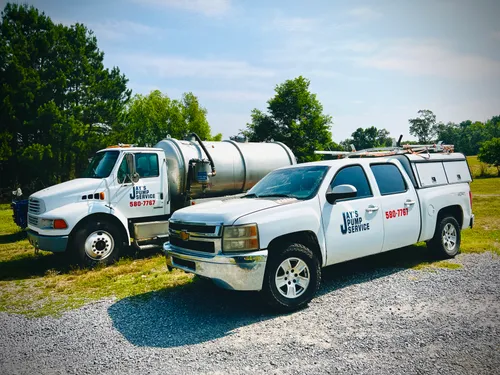
Understanding Your Drain Field in Little Rock
The drain field is the final stage of your onsite wastewater system. After solids settle in the septic tank, the liquid effluent flows into a network of perforated pipes buried in trenches filled with gravel. This effluent slowly percolates through the soil, where natural processes provide final treatment. In Little Rock and across Arkansas, the performance of this system is heavily dependent on local soil conditions, which can vary from sandy loams to dense clay. A properly functioning drain field is invisible and odorless; problems arise when the soil becomes clogged or saturated, preventing proper absorption.
Common signs you may need drain field repair or leach field services include:
- Persistent soggy areas or standing water over the field, even in dry weather.
- Sewage odors near the tank, drain field, or inside the house.
- Slow drains and gurgling plumbing fixtures throughout the home.
- Unusually lush, green grass growing over the drain field area.
- Sewage backing up into household drains.
If you notice any of these issues, it's crucial to act quickly. Ignoring a failing absorption field can lead to more extensive environmental damage, costly property repairs, and potential health department violations.
Arkansas and Little Rock Regulations: Permits and Professionals
All work on septic systems in Little Rock is governed by the Arkansas Department of Health (ADH) or a local Authorized Agent. A permit is required for any construction, alteration, or repair of an individual sewage disposal system, which includes drain field work.
The Role of the Designated Representative (DR)
A cornerstone of Arkansas law is that all septic systems must be designed by a licensed Designated Representative (DR). You cannot simply hire an excavator to dig new trenches. A DR is a licensed professional-often an engineer, soil scientist, or sanitarian-who will visit your property to conduct the necessary tests and create a system design that complies with all state codes. This design is based on specific site conditions, including soil composition and topography.
Key Permit Requirements and Setbacks
Before a DR can finalize a design, they must ensure your property meets state-mandated setbacks. Key requirements include 1:
- 100-foot minimum distance from any well or surface water (streams, lakes, ponds).
- Suitable distance from property lines, structures, and other utilities.
- Avoidance of flood-prone areas for the absorption field.
There is a potential exemption: single-family residences on tracts of 10 or more acres may be exempt from the permit requirement if all parts of the system are more than 200 feet from all property lines 2. However, it is always advisable to consult with the ADH or a DR to confirm eligibility.
The Step-by-Step Process for Repair or Replacement
Navigating a drain field project involves a clear sequence of steps, blending professional assessment with regulatory compliance.
-
Site Evaluation and Soil Testing: A licensed DR will perform a thorough site evaluation. This includes digging soil pits and conducting percolation tests to determine the soil's absorption rate (how quickly water drains through it) 3 4. This test is critical for sizing the new drain field correctly. Poor soil conditions, such as a high water table, rocky layers, or heavy clay, may require an advanced (and more expensive) treatment system beyond a conventional drain field.
-
System Design and Permit Application: Using the soil test data, the DR will design a new or repaired drain field system that meets the calculated daily wastewater flow for your home (based on number of bedrooms). You or your contractor will then submit this design, along with the permit application and fee, to the ADH or local Authorized Agent for approval 5 6. Fees for repair or alteration applications are generally modest, often around $30.
-
Installation or Repair Work: Once the permit is issued, a licensed septic contractor can begin the physical work. This involves excavating the old failed field (if necessary) and installing new lateral lines, distribution boxes, and gravel according to the approved design. Proper installation is key to long-term functionality.
-
Final Inspection and Authorization to Operate: The ADH requires two key permits: the Permit for Construction (Part I) and the Permit for Operation (Part II). After installation but before the trenches are backfilled, the ADH or Authorized Agent must conduct a final inspection. If the system passes inspection, you will receive the Permit for Operation, legally authorizing the use of your new drain field.
Find the perfect drain field repair companies for your needs
Get personalized recommendations and expert advice
Cost Factors for Drain Field Projects in Little Rock
The cost of drain field repair or replacement in Little Rock is highly variable, driven primarily by the size of the system needed and the site's specific challenges. On average, homeowners can expect a range from $2,000 to $10,000 or more for a new drain field installation.
- Linear Foot Cost: A common way to estimate material and labor for the trenches themselves is a cost per linear foot, which typically falls between $9 and $12 7.
- Labor vs. Materials: For these projects, labor is the dominant cost driver, often accounting for about 60% of the total project cost. The remaining 40% covers materials like gravel, pipe, and distribution boxes 8.
- Professional Design Fees: Remember to budget for the required DR services. Basic design services for a standard system can start around $600, though complex sites will cost more 9.
- Site-Specific Variables: Costs can increase significantly if your site has difficult access, requires extensive tree removal, or has poor soil that necessitates a more complex system like a mound or aerobic treatment unit (ATU) 10.
While the initial investment is substantial, a properly installed and permitted drain field protects your property investment and prevents far more expensive emergency repairs and environmental clean-up costs down the line.
Maintaining Your New Drain Field
After investing in a repair or replacement, proper maintenance will extend its lifespan for decades. Key practices include:
- Water Conservation: Spread out laundry loads and fix leaky fixtures to avoid hydraulically overloading the field.
- Mind What You Flush: Only human waste and toilet paper should go into the system. Avoid chemicals, grease, wipes, and feminine hygiene products.
- Protect the Area: Never drive or park vehicles over the drain field, and avoid planting trees or deep-rooted shrubs nearby.
- Regular Pumping: Have your septic tank pumped regularly (typically every 3-5 years) by a licensed professional to prevent solids from escaping into and clogging the new drain field.
By understanding the regulations, process, and costs outlined here, Little Rock homeowners are equipped to make informed decisions when facing drain field issues. Proactively addressing problems and working with licensed Designated Representatives and contractors ensures your wastewater system is safe, effective, and compliant.
Frequently asked questions
Sources
Footnotes
-
Onsite Wastewater FAQs - Arkansas Department of Health - https://healthy.arkansas.gov/programs-services/public-health-safety/onsite-wastewater/onsite-wastewater-faqs/ ↩
-
A.C.A. § 14-236-101 - Arkansas Department of Health - https://healthy.arkansas.gov/wp-content/uploads/Act402_and_Onsite_Wastewater_Rules.pdf ↩
-
ARKANSAS STATE BOARD OF HEALTH - https://arkleg.state.ar.us/Home/FTPDocument?path=%2FAssembly%2FMeeting+Attachments%2F040%2F5081%2FD.21e+DOH+EHS+Rules+Pertaining+to+Onsite+Wastewater+Systems+and+Relevant+Acts.pdf ↩
-
Homeowner Guidelines - Sitewise Arkansas - https://www.sitewisearkansas.com/home/sitewse-septic-design/residential-septic-system-design/homeowner-guidelines ↩
-
Arkansas Septic Tank Requirements | On-Site Wastewater Treatment Facilities - https://www.ntotank.com/blog/arkansas-septic-system-requirements ↩
-
Residential Wastewater - Sitewise Arkansas - https://www.sitewisearkansas.com/home/sitewse-septic-design/residential-septic-system-design ↩
-
How Much Does A Septic System Cost? - https://uniquedrainseptic.com/blogs/resources/how-much-does-a-septic-system-cost ↩
-
Cost to Replace Septic Tank and Drain Field [2026 Data] | Angi - https://www.angi.com/articles/how-much-new-drain-fields-foot.htm ↩
-
Rates - Sitewise Arkansas - https://www.sitewisearkansas.com/home/sitewse-septic-design/residential-septic-system-design/rates ↩
-
The Ultimate Guide to Replacing a Septic Drain Field - https://www.rciseptic.com/the-ultimate-guide-to-replacing-a-septic-drain-field ↩