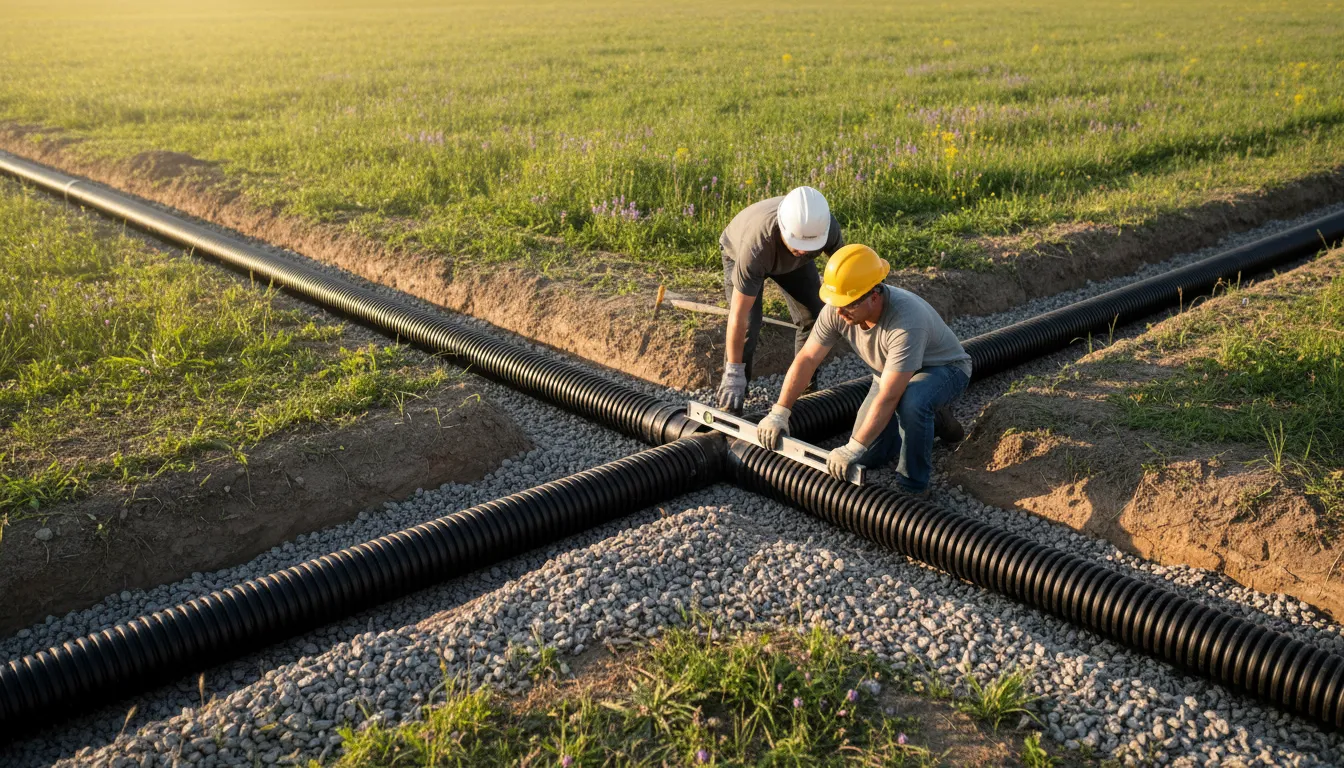
Find the Best Drain Field Repair Companies for Your Business
No obligation • Fast responses • Nationwide coverage

Why you can trust Septic Spot
Septic Spot is a leading United States resource for understanding and comparing septic services. Our editors review providers using consistent criteria and verify key business details. Listings and scores are independent, and companies cannot pay to influence our content.
Search providers near you
Best Drain Field Repair Companies in Arizona Ranked
A failing drain field, also known as a leach field, is a serious issue for any Arizona homeowner with a septic system. This critical component is responsible for safely dispersing treated wastewater into the soil. When it fails, it can lead to sewage backups, foul odors, and environmental contamination. Understanding Arizona's specific regulations, finding qualified professionals, and knowing the repair process is essential for protecting your property, health, and investment. This guide provides the practical information you need to navigate drain field issues, from recognizing early warning signs to completing a compliant repair or replacement project.
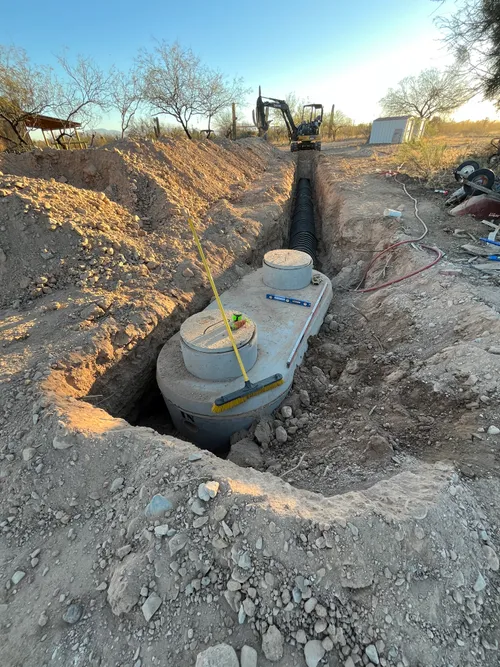
Fearless Contracting Inc. Septic Service
7502 S Placita De La Sombra, Tucson, AZ 85746
Fearless Contracting Inc. Septic Service is a family owned and operated business based in Tucson, AZ. They offer a wide range of septic system services including septic tank pumping, installation, inspection, and repair, as well as drain field repair and hydro jetting. The company serves Tucson and surrounding areas such as Catalina, Vail, Oro Valley, and Marana. With over 14 years of experience in the underground industry, Fearless Contracting provides 24/7 emergency service to meet various septic system needs.

88DRAIN
4377 S Sky High Pl a, Tucson, AZ 85730
88DRAIN is a septic tank and plumbing service provider based in Tucson, AZ. The company offers septic tank pumping, inspection, repair, installation, and drain field repair services. With over 44 years of experience serving Tucson and Pima County, 88DRAIN has recently joined the Rite Way family, expanding its service offerings to include heating, cooling, plumbing, and electrical work. This transition ensures continued comprehensive support for local customers with the same team and phone number.
Sewer Time Septic & Drain
33645 N Cave Creek Rd, Cave Creek, AZ 85331
Sewer Time Septic & Drain is a licensed septic and plumbing contractor serving the Phoenix, AZ area. They provide a range of services including septic tank pumping, inspections, system repairs, and full installations for residential and commercial properties. Their certified technicians handle soil and percolation testing, system design, permitting, grease trap cleaning, and lift station maintenance. Sewer Time offers same-day service and 24/7 plumbing support for emergencies and new construction projects.

Simply Rooter and Septic LLC
50741 W Papago Rd, Maricopa, AZ 85139
Simply Rooter and Septic LLC provides septic tank pumping, inspection, repair, installation, and drain field services in Phoenix, AZ. The company addresses common septic issues such as slow drains, sewage backups, and drain field failures, using professional inspections and repairs tailored to local soil and climate conditions. They ensure proper system installation and maintenance to prevent environmental contamination and costly damage. Licensed technicians handle tank and drain field repairs with knowledge of local regulations and soil characteristics to maintain system efficiency and compliance.
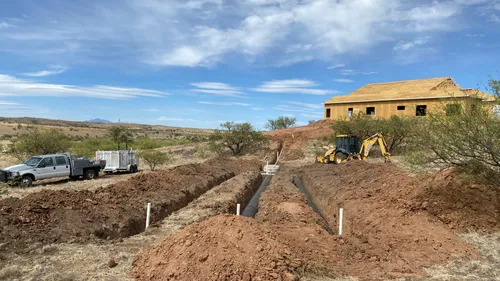
The Septic Surgeon Tucson
Tucson, AZ
The Septic Surgeon Tucson is a licensed contractor specializing in septic tank inspection, repair, installation, and drain field replacement in Tucson, AZ. The company has extensive experience performing thousands of leach field replacements and septic system repairs in Tucson and Pima County. Their services include septic tank replacement, leach field repair, and percolation testing for new installations. The Septic Surgeon also offers specialized tank enzymes to support septic system health.
Recognizing Signs of Drain Field Failure
Catching problems early can mean the difference between a minor repair and a costly full replacement. Be vigilant for these common indicators of a struggling or failed leach field in Arizona's unique environment:
- Sewage Backups: The most alarming sign is sewage backing up into household drains or toilets, especially after heavy water use.
- Slow Drains: Consistently slow-draining sinks, tubs, and showers can point to a saturated drain field.
- Foul Odors: Persistent sewage smells in your yard, particularly around the drain field area, are a major red flag.
- Soggy Ground or Surfacing Effluent: Wet, spongy, or overly lush green patches over the drain field, or visible grayish wastewater pooling on the ground surface, indicate a serious failure.
- Gurgling Sounds: Unusual gurgling noises from your plumbing system can signal a blockage or failure in the dispersal process.
Arizona Regulations and Permitting for Drain Field Work
Any significant repair or full replacement of a septic drain field in Arizona is strictly regulated. You cannot simply hire someone to dig up and replace it without official oversight.
- Permit Required: All drain field repairs and replacements require a permit, typically called a "Repair Permit" or a "Notice of Intent to Discharge," issued by the Arizona Department of Environmental Quality (ADEQ) or your local county environmental health department.
- Licensed Contractors Only: The work must be performed by a contractor holding the appropriate license from the Arizona Registrar of Contractors (ROC). For septic systems, this is usually a C-68: Septic Tanks and Systems license 1. Always verify a contractor's ROC license status before hiring.
- Code Compliance: All systems must be designed and installed in compliance with the Arizona Administrative Code R18-9-A314, which governs onsite wastewater treatment 2.
- New Design May Be Needed: If the original drain field cannot be replicated (e.g., due to soil changes or stricter modern codes), a new soil evaluation (perc test) and an engineered system design will be required before a permit is issued 3.
The Property Transfer Inspection Mandate
Arizona has a specific law that directly impacts drain field health: the mandatory inspection upon the sale of a property with a septic system.
- Requirement: A certified inspection and a Report of Inspection (ROI) must be filed with ADEQ when a home with a septic system is sold 4 5.
- Timeline: The inspection must be completed within six months prior to the property transfer date.
- Responsibility: The seller is responsible for hiring a certified inspector to conduct the inspection and file the report. This inspection often includes pumping the septic tank and assessing the condition of the drain field 6. A failing drain field discovered during this inspection must typically be repaired before the sale can proceed.
Understanding Repair vs. Replacement
A professional assessment will determine whether your system needs a targeted repair or a complete replacement.
- Minor Repairs: Issues like a clogged distribution box, broken pipes leading from the tank to the field, or a small saturated section may be repairable. Costs for these types of fixes typically range from $1,000 to $3,000.
- Full Drain Field Replacement: This is necessary when the soil in the entire absorption area has become biomat-clogged and can no longer absorb effluent. Replacement involves excavating a new leach field in a different location or using advanced technologies like drip dispersal. This is a major project with costs generally ranging from $3,000 to $10,000 or more, depending heavily on system size, soil conditions, and accessibility 7 8.
Find the perfect drain field repair companies for your needs
Get personalized recommendations and expert advice
Homeowner Responsibilities and Preventative Maintenance
As a septic system owner in Arizona, you are legally responsible for its operation and maintenance, including preventing illegal discharges (like surfacing sewage) 9. Proactive care is the best way to avoid a costly drain field crisis.
- Regular Pumping: Have your septic tank pumped by a licensed professional every 3 to 5 years. This prevents solids from flowing into and clogging the drain field.
- Conserve Water: Reduce excessive water use. Fix leaks, install efficient fixtures, and spread out laundry loads to avoid hydraulically overloading the field.
- Protect the Drain Field Area:
- Never drive or park vehicles, or place heavy structures (like sheds) over the drain field.
- Avoid planting trees or deep-rooted shrubs near the field, as roots can invade and damage pipes.
- Divert rainwater runoff from roofs, driveways, and patios away from the leach field area.
- Mind What Goes Down the Drain: Do not flush anything besides human waste and toilet paper. Avoid pouring grease, chemicals, paints, or medications down the drain.
Choosing a Qualified Arizona Contractor
Selecting the right professional is critical for a compliant and long-lasting repair.
- Verify the ROC License: Confirm the contractor holds an active C-68 license with the Arizona Registrar of Contractors. You can check this online for free.
- Check for Local Permitting Experience: Ask if they have experience pulling permits from your specific county health department or ADEQ. They should handle the permit application process for you.
- Get Multiple Quotes: Obtain detailed written estimates from at least three licensed contractors. The quote should outline the scope of work, materials, timeline, and total cost.
- Ask for References: Request and contact references for similar drain field projects they have completed.
- Review the Contract: Ensure the contract includes the contractor's ROC license number, a clear description of work, payment schedule, and warranty information.
The Drain Field Project Process
Knowing what to expect can make the process less stressful.
- Professional Assessment: A licensed contractor evaluates the system, often using a camera, to diagnose the exact problem.
- Permit Application: The contractor designs the repair/replacement solution and submits engineering plans and the permit application to the regulatory authority.
- Approval and Scheduling: Once the permit is approved, work is scheduled.
- Construction: The old field may be abandoned in place, and the new field is constructed according to the permitted plans. This involves excavation, pipe laying, and gravel placement.
- Final Inspection: A county or ADEQ inspector visits the site to ensure the work matches the permitted plans before the trench is backfilled.
- System Restoration: The area is graded, seeded, or sodded to restore your landscape.
Frequently asked questions
Sources
Footnotes
-
Licensing Requirements for Septic System Work in Arizona - https://www.machocontracting.com/licensing-requirements-for-septic-system-work-in-arizona ↩
-
Arizona Septic Tank Requirements | Onsite Wastewater Management ... - https://www.ntotank.com/blog/arizona-septic-tank-requirements ↩
-
Septic System Repairs: Guidelines and Limitations - Graham.az.gov - https://www.graham.az.gov/DocumentCenter/View/763/Septic-System-Repairs---Guidelines-and-Limitations-PDF ↩
-
WQD | Onsite Wastewater | Notice of Transfer and Inspection | ADEQ - http://azdeq.gov/wqd-onsite-wastewater-notice-transfer-and-inspection ↩
-
Local Septic Regulations Every Tucson Homeowner Should ... - https://tucsonsepticsystems.com/septic/local-septic-regulations-every-tucson-homeowner-should-know/ ↩
-
What Are ADEQ Septic Inspections...and Why Do You Need One? 🤔 ... - https://www.facebook.com/groups/1869577553297434/posts/4161344720787361/ ↩
-
Maintaining Your Septic System - A Guide for Homeowners - https://www.mohave.gov/departments/development-services/environmental-qualitywaste-disposal/documents/maintaining-your-septic-system-a-guide-for-homeowners/ ↩
-
What Homeowners Need to Know Before Replacing a Drain Field - https://www.grossseptic.com/blog/leach-field-installation-in-arizona-what-homeowners-need-to-know-before-replacing-a-drain-field/ ↩
-
Septic Systems in Arizona: A Comprehensive Overview. - https://blackmountainsepticservices.com/septic-systems-in-arizona-a-comprehensive-overview/ ↩