Find the Best Drain Field Repair Companies for Your Business
No obligation • Fast responses • Nationwide coverage

Why you can trust Septic Spot
Septic Spot is a leading United States resource for understanding and comparing septic services. Our editors review providers using consistent criteria and verify key business details. Listings and scores are independent, and companies cannot pay to influence our content.
Search providers near you
Top Drain Field Repair Companies in Waipahu, Hawaii Ranked
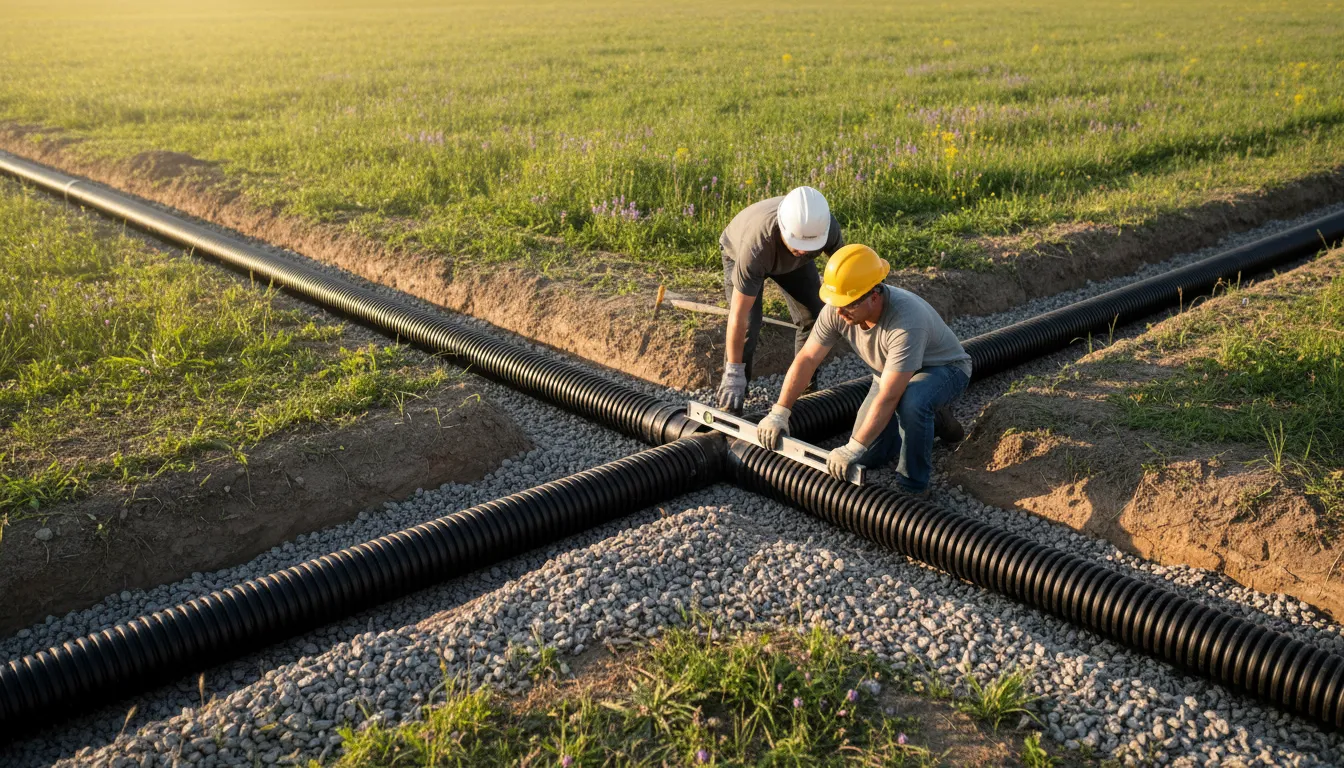
A failing drain field, also known as a leach field or absorption system, is a serious issue for any home with a septic system. In Waipahu, addressing this problem is not just about fixing your yard; it's a regulated process crucial for protecting Hawaii's sensitive environment and groundwater. This guide explains what you need to know about septic drain field repair and replacement in Waipahu, from recognizing failure signs to navigating local regulations and finding qualified professionals to handle the job.
Recognizing a Failing Drain Field
The first step is identifying that your septic system's drain field is in distress. Ignoring these signs can lead to property damage, health hazards, and environmental contamination. Common indicators include:
- Sewage Odors and Soggy Ground: Persistent sewage smells in your yard or soggy, spongy areas directly over the drain field lines, especially when it hasn't rained.
- Slow Drains and Backups: Gurgling pipes, slow-draining sinks and toilets, or sewage backups in the home.
- Unusually Green Grass: Patches of grass over the drain field that are much lusher and greener than the rest of the lawn, indicating a nutrient-rich (and unsanitary) effluent surfacing.
- Standing Water: Pools of grey or foul-smelling water forming on the soil surface above the absorption area.
If you notice any of these signs, it's time to contact a licensed professional for an inspection. A failing leach field will not fix itself and requires prompt attention.
Hawaii and Waipahu Regulations You Must Follow
Septic system work in Waipahu is strictly regulated by the Hawaii Department of Health (DOH) Wastewater Branch. These rules, primarily Chapter 11-62 of the Hawaii Administrative Rules, are designed to prevent groundwater pollution, which is a critical concern for the islands 1. You cannot simply hire a contractor to dig up and replace your drain field. The process is overseen by licensed professionals and requires DOH approval at multiple stages.
Key regulatory requirements include:
- Licensed Professionals: A licensed civil engineer must design the system, and a licensed contractor must perform the installation. Their seals and signatures are required on permit applications.
- Permit Submission: Any repair or replacement of a septic system, including the drain field, requires a permit from the DOH Wastewater Branch before any work begins 2.
- System Design Standards: The DOH has specific design criteria. For example, a standard 1,000-gallon septic tank is required for a home with up to four bedrooms. The required absorption bed area (the size of your drain field) is calculated based on the number of bedrooms and, critically, the soil's percolation rate.
The Science Behind Your Drain Field: Soil and Site Evaluation
The entire function of a drain field depends on your property's soil and site conditions. This is why a one-size-fits-all approach doesn't work. Key factors evaluated during the design phase include:
- Soil Percolation Test: Often called a "perc test," this measures how quickly water drains through the soil on your property. The results directly determine the size and type of drain field needed. Slow-draining soils require a larger absorption area.
- High Groundwater Table: In many parts of Waipahu and Oahu, the water table can be high. Regulations mandate that the bottom of any drain field trench must be at least 24 inches above the highest seasonal groundwater level 3. This separation is vital to prevent untreated effluent from directly entering the groundwater.
- Space Limitations: Many residential lots in Waipahu are compact. If a standard conventional drain field cannot meet the required setback distances from property lines, wells, or structures due to space or soil constraints, alternative systems become necessary.
Find the perfect drain field repair companies for your needs
Get personalized recommendations and expert advice
The Step-by-Step Process for Repair or Replacement
Navigating a drain field project involves a defined sequence of steps. Understanding this process can help you manage expectations and timelines.
- Initial Assessment and Inspection: A qualified professional will inspect your entire septic system, including a tank pump-out, to confirm the drain field is the source of failure and diagnose the cause (e.g., compaction, biomat buildup, hydraulic overload).
- Site Evaluation and Soil Testing: A licensed engineer will conduct a thorough site evaluation, including the mandatory percolation test, to gather data for the new system design.
- System Design and Engineering: Based on the site constraints, household flow rates, and DOH rules, the engineer will design a replacement system. This could be a conventional trench system or, if site conditions demand it, an Enhanced Treatment System (ETS) like an aerobic treatment unit (ATU).
- Permit Application and Approval: The engineered design plans are submitted to the DOH Wastewater Branch for review and permit approval. This step cannot be skipped 4.
- Construction and Installation: Once the permit is issued, the licensed contractor can begin excavation and installation of the new drain field or advanced treatment system.
- Final Inspection: After construction, a final inspection by the DOH or the overseeing engineer is typically required to ensure the installation matches the approved plans and meets all regulations 5 6.
Understanding the Costs Involved
Drain field repair or replacement is a significant investment. In Waipahu and across Hawaii, costs are generally higher than the U.S. national average due to the need to import materials, higher labor costs, and stringent environmental regulations that often necessitate more complex systems.
- Complete System Replacement: For a full septic system (tank and drain field) replacement in Hawaii, homeowners should be prepared for costs ranging from $20,000 to over $50,000 7. The wide range depends heavily on soil conditions, system size, and site accessibility.
- Enhanced Treatment Systems: If your lot requires an alternative system like an aerobic treatment unit (ATU) or mound system to meet DOH standards, this can add $5,000 to $10,000 or more to the total project cost 8.
- Key Cost Factors: The final price is driven by the soil percolation rate (poor soils require bigger fields), the need to import specialty materials like sand or proprietary treatment units, engineering and permit fees, and construction complexity (e.g., rocky soil, steep slopes) 9.
It's essential to get detailed, written estimates from licensed contractors that break down engineering, permitting, material, and labor costs.
Alternatives to Conventional Drain Fields
When a standard trench-style leach field isn't feasible due to poor soil, high water table, or small lot size, several alternative systems are approved for use in Hawaii:
- Aerobic Treatment Units (ATUs): These systems use oxygen to break down waste more thoroughly, producing a highly treated effluent that can be used in shallow, pressurized drain fields or spray irrigation.
- Mound Systems: An elevated drain field constructed with imported sand. This is a common solution for sites with high groundwater or shallow bedrock, as it creates the required separation 10.
- Drip Irrigation Systems: Treated effluent is distributed through a network of small-diameter tubing, often allowing for more flexible placement in challenging landscapes.
Your licensed engineer will recommend the most appropriate and cost-effective technology for your specific property conditions and regulatory requirements.
Maintaining Your New Drain Field
Protecting your investment is crucial. Once your new absorption system is installed, proper maintenance is key to ensuring its long-term function.
- Practice Water Conservation: Spread out laundry loads, fix leaks promptly, and install water-efficient fixtures to avoid hydraulically overloading the system.
- Mind What You Flush: Only human waste and toilet paper should go down the drain. Never flush chemicals, grease, wipes, or feminine hygiene products.
- Protect the Area: Never drive or park vehicles over the drain field, and avoid planting trees or deep-rooted shrubs nearby. Keep roof drains and surface runoff directed away from the area.
- Regular Tank Pumping: Continue to have your septic tank pumped every 3-5 years by a professional to prevent solids from escaping into and clogging the new drain field.
Frequently asked questions
Sources
Footnotes
-
Chapter 11-62, Hawaii Administrative Rules (Unofficial) - https://health.hawaii.gov/wastewater/home/rule/ ↩
-
Septic Tank - Understanding Septic Tank Permits and Regulations - https://westcoastsanitationinc.com/understanding-septic-tank-permits-and-regulations/ ↩
-
Florida Well and Septic System Placement Regulations for New Construction (2025 Guide) - https://flengineeringllc.com/florida-well-septic-placement-2025/ ↩
-
Hawaii Septic Tank Requirements | Individual Wastewater Systems - https://www.ntotank.com/blog/hawaii-septic-tank-requirements ↩
-
Drain Field Replacement near Honolulu County, Hawaii ... - https://acsihawaii.com/drain-field-replacement-near-honolulu-county-hawaii ↩
-
REPAIR POLICY AND PROCEDURE - https://www.buttecounty.net/DocumentCenter/View/4107/Repair-Policy-and-Procedure-PDF ↩
-
Cost to Replace Septic Tank and Drain Field [2026 Data] | Angi - https://www.angi.com/articles/how-much-new-drain-fields-foot.htm ↩
-
Cesspool Pollution and Conversion in Hawaii: A Wastewater ... - https://www.policyinnovation.org/insights/cesspool-pollution-and-conversion-in-hawaii-a-wastewater-infrastructure-emergency ↩
-
Foresignt Engieering | Septic System FAQ | Hawaii - https://www.foresight-hi.com/what-you-need-to-know ↩
-
Septic Drain Field Design and Maintenance - SERA-17 - https://sera17.wordpress.ncsu.edu/septic-drain-field-design-and-maintenance/ ↩