Find the Best Drain Field Repair Companies for Your Business
No obligation • Fast responses • Nationwide coverage

Why you can trust Septic Spot
Septic Spot is a leading United States resource for understanding and comparing septic services. Our editors review providers using consistent criteria and verify key business details. Listings and scores are independent, and companies cannot pay to influence our content.
Search providers near you
Top Drain Field Repair Companies in Nampa, Idaho Ranked
A failing septic drain field is a serious issue that can lead to sewage backups, soggy lawns, and environmental contamination. Drain field repair or replacement is a major project that involves navigating local health regulations, complex site evaluations, and significant investment. This guide provides Nampa homeowners with essential information on the process, costs, and regulations for restoring a critical part of their onsite wastewater system, helping you connect with qualified local professionals.
ABC Pumping Service
281 N Baltic Pl, Meridian, ID 83642
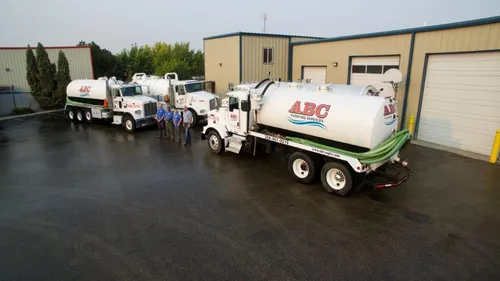
ABC Pumping Service is a septic tank and system specialist based in Boise, ID, serving Meridian and surrounding areas. They provide a range of services including septic tank pumping, inspection, repair, installation, drain field repair, and pump maintenance. With over 30 years of experience, ABC Pumping Service is familiar with both old and new septic systems and offers 24/7 emergency services. One notable capability is their expertise in repairing damaged drain fields to prevent septic system failure. They also install and maintain advanced wastewater treatment systems such as ETPS units, serving both residential and commercial clients.
Qube Construction LLC
810 S. Quiet Creek Ln, Nampa, ID 83687
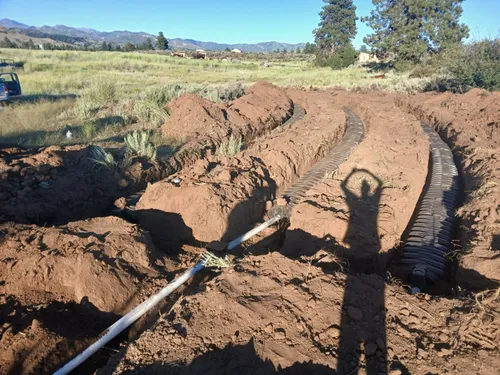
Qube Construction LLC provides septic system services including pumping, installation, repair, inspection, and drain field work in Boise, ID and the Treasure Valley. Their licensed team handles residential and commercial projects, offering 24/7 emergency service and modern equipment to maintain system efficiency. With over 15 years of experience, Qube Construction specializes in complete septic system design, code-compliant installations, and expert drain field repair and replacement. They emphasize environmental responsibility and provide detailed inspection reports with fast turnaround times.
ABC Pumping Service
3716 Airport Rd, Nampa, ID 83687
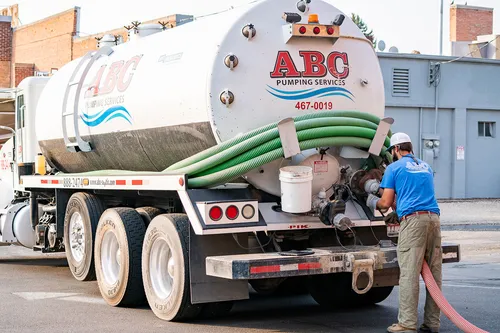
ABC Pumping Service provides septic tank pumping, septic system repair, and drain field repair services in Meridian, ID. They serve both residential and commercial clients, including motels, restaurants, and car washes. The company offers specialized capabilities such as grease trap maintenance, sump and lift pump installation and repair, and commercial septic services. With over 30 years of experience in the Nampa area, ABC Pumping Service is equipped to handle a variety of septic and drainage issues. They also provide 24/7 commercial septic services to support businesses with urgent needs.
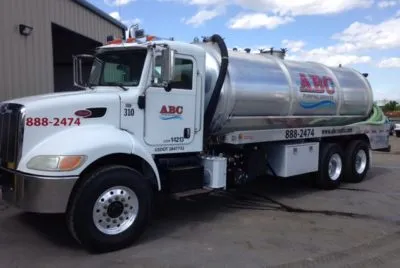
ABC Pumping Services
393 W State St f, Eagle, ID 83616
ABC Pumping Services provides septic system pumping, inspection, and repair services in Boise, ID. They specialize in maintaining residential and commercial septic systems, including drain field repair and sump pump installation. With over 30 years of experience, ABC Pumping Services offers 24/7 emergency septic pumping to address urgent issues and prevent costly damage. Their expertise includes grease trap maintenance for restaurants and car wash sump pumping, ensuring proper waste disposal and system function.
Understanding Your Septic System's Drain Field
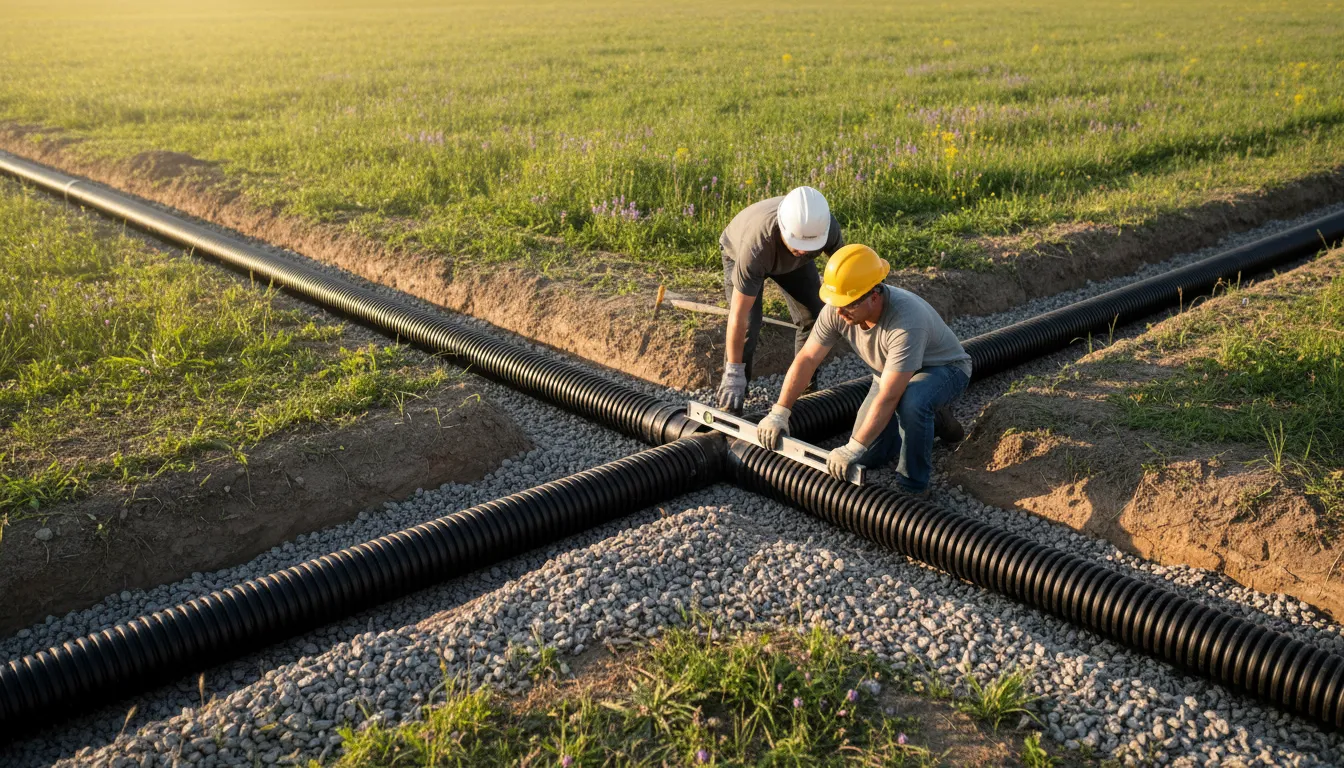
Often called a leach field or absorption field, the drain field is the final and most crucial stage of a septic system. After solids settle in the tank, the liquid effluent flows into a network of perforated pipes buried in trenches filled with gravel. This effluent slowly percolates through the soil, where natural processes filter and treat it before it rejoins the groundwater. When this area fails, wastewater cannot properly disperse, leading to system-wide problems. Recognizing early signs of failure-such as soggy ground or sewage odors over the field, slow-draining household fixtures, or unusually lush grass-is key to addressing issues before they become an emergency.
Nampa's Regulatory Landscape: Southwest District Health
All work on septic systems in Nampa, including drain field repairs and full replacements, is regulated by Southwest District Health. A permit from this agency is mandatory before any excavation begins. The regulations are designed to protect public health and Idaho's groundwater. Key rules that directly impact your project include:
- Licensed Installer Requirement: Idaho law requires that a state-licensed septic system installer perform the installation of any new system or major component 1. This ensures the work meets all technical and safety standards.
- Reserve Area Mandate: Your property must have a designated, unused reserve area suitable for a future drain field. This is a non-negotiable part of the permit approval, ensuring there is space for a replacement system when the current one eventually reaches the end of its lifespan.
- Design and Construction Standards: Drain field trenches must be installed 2 to 4 feet deep with a minimum of 12 inches of covering soil. Trenches must be separated by at least 6 feet of undisturbed earth to function properly 2.
The Critical First Step: Site and Soil Evaluation
The feasibility and design of your new leach field are entirely dependent on your property's soil conditions. Southwest District Health requires a formal site evaluation conducted by a health district inspector. A licensed septic contractor will typically dig the necessary test holes, which must be at least 10 feet deep, to allow the inspector to assess the soil type, texture, depth to bedrock, and seasonal high groundwater table 3.
This evaluation determines the soil's percolation rate-how quickly water moves through it. Soil with inadequate percolation cannot treat wastewater effectively. Furthermore, properties with a high water table or improper topography (like steep slopes) may not be suitable for a standard gravity-fed system and could require a more advanced (and costly) pressure dose or alternative system design 4 5.
The Permit and Installation Process
Navigating the permit process with Southwest District Health is a multi-step endeavor that your chosen septic professional will help manage.
- Site Evaluation & Design: As described above, this is the foundational step. The results inform the system design that will be submitted for permit approval.
- Permit Application: Your contractor will submit a detailed application packet to the health district. This includes plot plans, home floor plans, the proposed system design, and the required permit fees.
- Installation & Inspections: Once the permit is issued, installation can begin. Crucially, the health district must inspect the excavated trenches, piping, and other components before they are covered with soil 6. A final inspection is conducted after backfilling to grant final approval.
- System Abandonment: If you are replacing an old drain field, the existing septic tank and lines must be properly abandoned. This involves pumping out all waste, either crushing the tank or filling it with inert material like sand, and backfilling the area. A separate abandonment permit from the health district is required for this process.
Find the perfect drain field repair companies for your needs
Get personalized recommendations and expert advice
Cost Considerations for Drain Field Work in Nampa
The cost to replace a septic drain field is substantial and varies based on system type, soil conditions, and property size. It's important to view this as an investment in your property's long-term functionality and value.
- Full Gravity System Replacement: For a standard system including a new 1,000+ gallon tank and gravity-fed drain field, homeowners in the Nampa area can expect costs generally ranging from $15,000 to $18,000.
- Pressure Dose System Replacement: Many properties in Canyon County require a pressure dose system, which uses a pump to distribute effluent more evenly across the field. This is often needed for challenging sites and increases the cost to a range of $20,000 to $24,000 or more.
- Drain Field-Only Replacement: If only the absorption field needs replacement and the tank is still sound, costs can be lower, but they are highly dependent on the size and design of the new field.
- Additional & Related Costs: Budget for permit fees, the required soil test hole digging, professional landscaping or sodding to restore your yard (typically $1-$2 per square foot), and the septic tank abandonment permit if applicable (approximately $100-$250) 7 8 9.
Maintaining Your New Drain Field
Protecting your investment starts the day your new system is activated. Proper maintenance can extend its lifespan for decades.
- Regular Pumping: Have your septic tank pumped by a professional every 3 to 5 years to prevent solids from escaping into and clogging the new drain field 10.
- Conserve Water: Fix leaking toilets and faucets immediately. Spread out laundry loads and use water-efficient fixtures to avoid hydraulically overloading the field.
- Protect the Area: Never drive, park, or build structures (like sheds or patios) over the drain field or its reserve area. The weight can compact the soil and crush the pipes. Also, avoid planting trees or deep-rooted shrubs nearby 11.
Choosing a Qualified Nampa Professional
Given the regulatory and technical complexity, selecting the right contractor is paramount. Look for a company with:
- A valid Idaho Licensed Installer certification.
- Extensive experience with Southwest District Health permitting and inspections.
- Positive local references and a solid reputation.
- Clear, detailed written estimates that outline all phases of work, permitting, and potential contingencies.
- Proper insurance and licensing.
A reputable professional will guide you through the entire process, from the initial site evaluation to the final inspection, ensuring your new wastewater treatment system is compliant, effective, and built to last.
Frequently asked questions
Sources
Footnotes
-
Septic Test Hole Application in Idaho - Freemans Construction Inc - https://freemansconstruction.com/septic-test-hole-application-idaho/ ↩
-
Homeowner Installer Manual - Public Health - Idaho North Central District - https://idahopublichealth.com/environmental/septicsystems/New-Sewer-Installers-Manual.pdf ↩
-
Idaho Septic Tank Requirements - https://www.ntotank.com/blog/idaho-septic-tank-requirements ↩
-
So, You've Decided to Install Your Own Septic System... (Are ... - https://eiph.id.gov/wp-content/uploads/2025/09/Homeowner-Installation-Guide-9-2025.pdf ↩
-
Septic Systems and Drainfields: - Eastern Idaho Public Health - https://eiph.id.gov/wp-content/uploads/EH/Septic/WQ-Brochure-Septic-Systems-and-Drainfields-1.pdf ↩
-
A Homeowner's Guide to Septic Systems - https://idahopublichealth.com/environmental/septicsystems/474190-septic_homeowners_guide.pdf ↩
-
How much does it cost for a new septic and drain field? Just an ... - https://www.facebook.com/groups/204486930758046/posts/1461789831694410/ ↩
-
Cost to Replace Septic Tank and Drain Field [2026 Data] | Angi - https://www.angi.com/articles/how-much-new-drain-fields-foot.htm ↩
-
Cost to Replace Septic Tank and Drain Field [2026 Data] - https://www.angi.com/articles/how-much-new-drain-fields-foot.htm ↩
-
Homeowner's Guide to Septic Systems - https://phd5.idaho.gov/Documents/Environmental-Health/EPA_Septic_System_Guide_4-8-16.pdf ↩
-
Your Septic System - Southeastern Idaho Public Health - https://www.siphidaho.org/environmental-health/_pdf/your_septic_system.pdf ↩