Find the Best Drain Field Repair Companies for Your Business
No obligation • Fast responses • Nationwide coverage

Why you can trust Septic Spot
Septic Spot is a leading United States resource for understanding and comparing septic services. Our editors review providers using consistent criteria and verify key business details. Listings and scores are independent, and companies cannot pay to influence our content.
Search providers near you
Top Drain Field Repair Companies in Downers Grove, Illinois Ranked
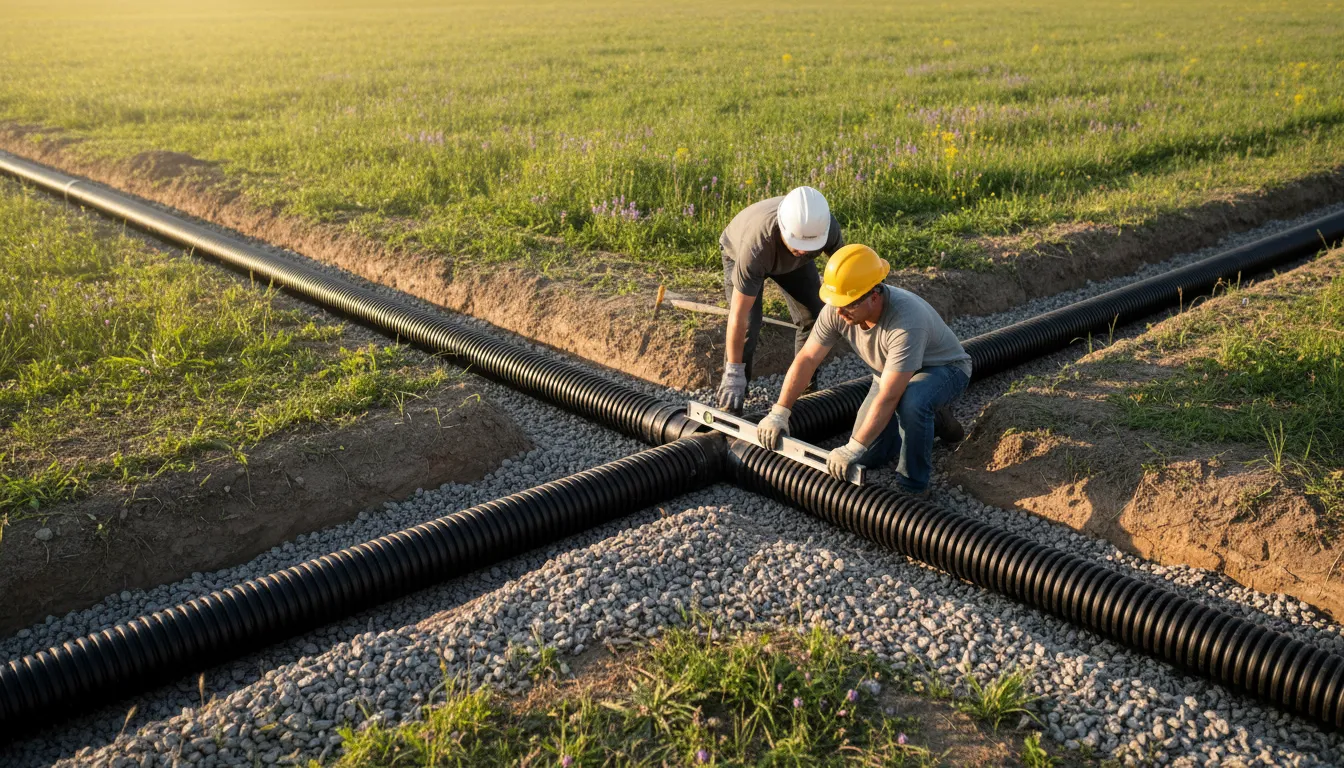
A failing drain field is a serious issue that can lead to sewage backups, soggy lawns, and environmental contamination. Drain field repair and replacement involves diagnosing the cause of failure-from soil compaction to biomat buildup-and implementing a solution that restores your septic system's ability to safely treat and disperse wastewater. This guide will help you understand the local process, regulations, and how to find qualified professionals in Downers Grove to address your septic system's absorption area.
Ability Septic
801 N Raddant Rd, Batavia, IL 60510
Ability Septic is a family-owned septic service provider based near Aurora, IL, serving Batavia and surrounding areas. With over 65 years of experience since 1956, they offer a full range of septic services including pumping, inspection, installation, repair, and drain field maintenance. Their team uses advanced Lenzyme bio-products for eco-friendly septic system solutions and provides 24/7 emergency services to address urgent needs promptly.

Zeilinga Services, Inc.
850 Meadowview Crossing #9, West Chicago, IL 60185
Zeilinga Services, Inc. is a septic system company based in Chicago, IL. They provide septic tank pumping, inspection, repair, and installation services, along with drain field repair and septic pump replacement. Their work includes servicing various septic units such as Aqua 02, AquaKleer, and Norweco systems. They perform thorough maintenance tasks like cleaning pumps, changing filters, checking alarms, and conducting sludge tests to determine pumping needs. Zeilinga Services also offers specialized capabilities including jetting, lift station work, TV camera line inspections, and root control treatments.
JW Trenching, Inc.
28074 W Industrial Ave, Barrington, IL 60010
JW Trenching, Inc. is a septic system repair and installation company serving Chicago, IL. They provide a range of services including soil testing for septic suitability, septic field locating, system design, and consulting. Their capabilities include septic tank replacement and repair, lift station pump replacement, and septic field repair or replacement. They also install various septic systems such as stone trench, chamber trench, mound systems, sand filter, raised filter bed, constructed wetland, textile filter, peat filter, and drip irrigation systems.
Understanding Your Drain Field in Downers Grove
The drain field, also known as a leach field or soil absorption system, is the final and most critical stage of your onsite wastewater treatment. After solids settle in the septic tank, the liquid effluent flows into a network of perforated pipes buried in trenches filled with gravel. This effluent slowly percolates through the soil, where natural biological processes remove harmful pathogens and nutrients before the water rejoins the groundwater table.
In Downers Grove, the health and functionality of your leach field are paramount. A properly working system protects your property value, your family's health, and the local environment, including nearby waterways that may feed into the East Branch DuPage River.
Common Signs of Drain Field Failure
Recognizing early warning signs can prevent a complete system collapse and more costly repairs. Look for these indicators:
- Sewage Odors: Persistent foul smells near the drain field area or inside your home.
- Soggy Ground or Standing Water: Spongy, overly green grass, or puddles forming over the leach field, especially when it hasn't rained.
- Slow Drains and Backups: Gurgling pipes, toilets that drain slowly, or sewage backing up into household drains.
- Nitrate Contamination: Test results from your well water showing high levels of nitrates, which can indicate untreated wastewater is entering the groundwater.
The Local Regulatory Landscape: DuPage County Health Department
Residential septic system drain field repair and replacement in Downers Grove, Illinois, are heavily regulated by the DuPage County Health Department, which enforces the Illinois Private Sewage Disposal Code. You cannot simply hire a contractor to dig up and replace a failed field. The process is designed to ensure the new system is sized correctly for your household and installed in suitable soil to protect public health.
Key regulatory steps include:
- Professional Evaluation: A licensed septic professional must assess the failure and submit a report.
- Soil Analysis: A percolation test and soil evaluation are required to determine the absorption rate and design a suitable replacement system.
- Permit Application: Your contractor will submit plans and apply for the necessary construction permit from the Health Department.
- Approved Contractors: All design and installation work must be performed by a contractor licensed and approved by DuPage County.
Repair or replacement of a drain field requires professional soil analysis, permits, and approved contractors1. Navigating these requirements is a primary reason to work with an experienced local provider familiar with DuPage County's specific protocols.
Repair vs. Replacement: Understanding Your Options
Not all failing absorption areas require a full replacement. A qualified professional will diagnose the root cause to recommend the most effective solution.
Potential Drain Field Repairs
- Jetting and Cleaning: High-pressure water jetting can clear clogged perforations in distribution pipes.
- Biomat Remediation: Treatments can be introduced to reduce the thick bacterial layer that forms at the soil interface and slows drainage.
- Compaction Relief: Aerating the soil above the field can improve permeability if surface compaction is the issue.
When Replacement is Necessary
If the soil is permanently saturated, the pipes have collapsed, or the original system is undersized, a new leach field is often the only viable option. This may involve:
- Constructing a New Field in a Different Location: Utilizing a reserve area on your property.
- Advanced Treatment Systems: Installing an aerobic treatment unit (ATU) or sand filter to pre-treat effluent, allowing for a smaller drain field in challenging soils.
- Complete System Redesign: Upgrading the entire system to meet current code and household demands.
Find the perfect drain field repair companies for your needs
Get personalized recommendations and expert advice
Choosing a Provider for Leach Field Work in Downers Grove
Selecting the right contractor is critical for a compliant, long-lasting solution. Here are key factors to consider:
- Local Licensing & Insurance: Verify the contractor holds a current DuPage County Private Sewage Disposal Installation License and carries adequate liability and workers' compensation insurance.
- Experience with Local Soil: Downers Grove soil types can vary. Choose a company with proven experience performing soil evaluations and installations in the area.
- Comprehensive Services: Look for providers who offer diagnosis, soil testing, permit acquisition, installation, and final inspection coordination.
- References and Reviews: Ask for local references and check online reviews to gauge reputation and customer satisfaction.
- Detailed Written Estimate: A professional estimate should outline all costs, including permits, soil testing, equipment, labor, and restoration of your landscaping.
The Typical Process for Drain Field Replacement
- Initial Consultation and Diagnosis: A technician inspects your system to confirm drain field failure.
- Soil Evaluation and System Design: A soil scientist conducts tests to determine the appropriate size and type of replacement system. Engineering plans are drawn up.
- Permit Submission and Approval: Your contractor submits the design and application to the DuPage County Health Department.
- Construction: Once permitted, the old field may be abandoned, and the new one is installed according to the approved plans.
- Final Inspection: The County inspector visits the site to approve the installation before the trenches are backfilled.
- Restoration: The contractor regrades the area and restores your lawn or landscaping as agreed.
Maintaining Your New or Repaired Drain Field
Protect your investment with proper care:
- Divert Water: Ensure roof gutters, sump pumps, and surface runoff are directed away from the field.
- Mind What You Flush: Only human waste and toilet paper should go down the drain. Avoid chemicals, grease, and non-biodegradables.
- Conserve Water: Spread out laundry loads and fix leaks to prevent hydraulic overload.
- Keep It Clear: Never drive or park vehicles on the field, and avoid planting trees with deep roots nearby.
- Pump Regularly: Maintain a routine septic tank pumping schedule (typically every 3-5 years) to prevent solids from escaping into the field.
Frequently asked questions
Sources
Footnotes
-
Illinois Septic Tank Requirements - https://www.ntotank.com/blog/illinois-septic-tank-requirements ↩