Find the Best Drain Field Repair Companies for Your Business
No obligation • Fast responses • Nationwide coverage

Why you can trust Septic Spot
Septic Spot is a leading United States resource for understanding and comparing septic services. Our editors review providers using consistent criteria and verify key business details. Listings and scores are independent, and companies cannot pay to influence our content.
Search providers near you
Top Drain Field Repair Companies in Naperville, Illinois Ranked
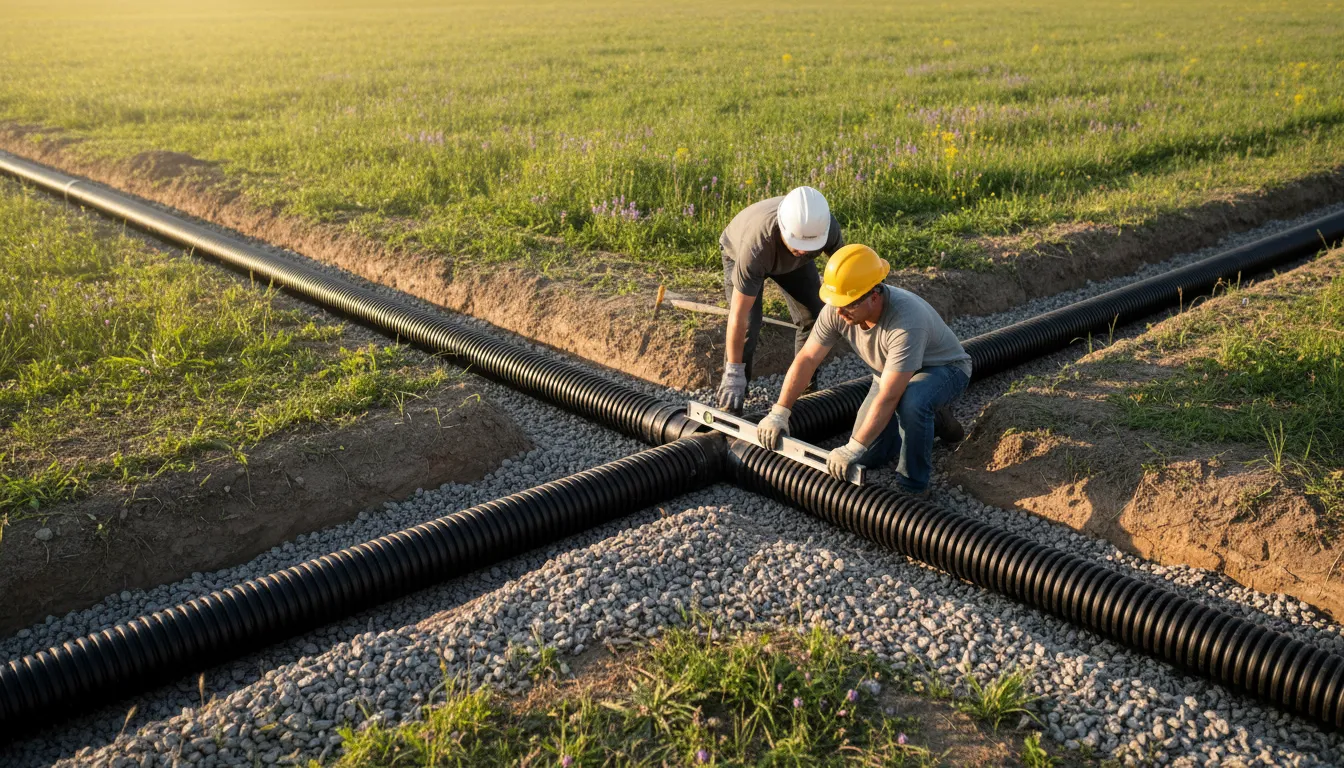
A failing septic system drain field is a serious issue that requires prompt, professional attention to protect your property, health, and the local environment. Drain field repair or replacement involves addressing the underground network of perforated pipes and soil that treats and disperses wastewater from your home. This guide explains the local process, regulations, and key considerations for Naperville homeowners facing septic leach field issues, helping you understand what to expect and how to connect with qualified local specialists.
Ability Septic
801 N Raddant Rd, Batavia, IL 60510
Ability Septic is a family-owned septic service provider based near Aurora, IL, serving Batavia and surrounding areas. With over 65 years of experience since 1956, they offer a full range of septic services including pumping, inspection, installation, repair, and drain field maintenance. Their team uses advanced Lenzyme bio-products for eco-friendly septic system solutions and provides 24/7 emergency services to address urgent needs promptly.

Zeilinga Services, Inc.
850 Meadowview Crossing #9, West Chicago, IL 60185
Zeilinga Services, Inc. is a septic system company based in Chicago, IL. They provide septic tank pumping, inspection, repair, and installation services, along with drain field repair and septic pump replacement. Their work includes servicing various septic units such as Aqua 02, AquaKleer, and Norweco systems. They perform thorough maintenance tasks like cleaning pumps, changing filters, checking alarms, and conducting sludge tests to determine pumping needs. Zeilinga Services also offers specialized capabilities including jetting, lift station work, TV camera line inspections, and root control treatments.
JW Trenching, Inc.
28074 W Industrial Ave, Barrington, IL 60010
JW Trenching, Inc. is a septic system repair and installation company serving Chicago, IL. They provide a range of services including soil testing for septic suitability, septic field locating, system design, and consulting. Their capabilities include septic tank replacement and repair, lift station pump replacement, and septic field repair or replacement. They also install various septic systems such as stone trench, chamber trench, mound systems, sand filter, raised filter bed, constructed wetland, textile filter, peat filter, and drip irrigation systems.
Understanding Your Septic Drain Field
The drain field, also known as a leach field or absorption field, is the final and most critical stage of a private sewage disposal system. After solids settle in the septic tank, liquid effluent flows into a distribution box and is channeled through a series of perforated pipes buried in trenches. This effluent slowly seeps into the surrounding soil, where natural processes provide final treatment before it rejoins the groundwater.
When this system fails, untreated wastewater can surface in your yard, create soggy patches, or back up into your home. In Naperville, which falls under DuPage County jurisdiction, addressing a failing absorption field is a regulated process that must follow specific county and state codes to ensure public and environmental safety.
Signs You Need Drain Field Service
Recognizing early warning signs can prevent a complete system failure and more costly repairs. Look for these indicators:
- Wet, Spongy Ground or Surfacing Sewage: The most direct sign is standing water or foul-smelling liquid pooling over the drain field area, especially after heavy use.
- Slow Drains and Backups: If toilets, showers, and sinks drain slowly or back up, and a septic tank pumping doesn't solve the issue, the problem may be in the field.
- Unusually Lush Grass: Patches of grass over the leach field that are significantly greener and faster-growing than the rest of the lawn can indicate a nutrient overload from leaking effluent.
- Persistent Odors: Foul sewage smells in the yard or near the septic tank and drain field area.
- Failed Inspection: During a real estate transaction or routine maintenance check, a professional inspection may identify a saturated or non-functioning soil treatment area.
The Diagnostic Process: From Inspection to Soil Test
Before any repair or replacement can be planned, a thorough professional diagnosis is essential. This process typically involves several key steps:
- Initial Site Evaluation: A licensed contractor will locate your septic tank and drain field using probes or records. They will visually inspect the area for surfacing effluent, soggy soil, and any unauthorized structures or plantings over the field 1.
- Tank Inspection: The septic tank lid is removed to check liquid levels. A high level may indicate a blockage in the outlet pipe leading to the field, while a low level could signal a leak in the tank itself.
- Component Check: The inlet and outlet pipes, baffles, and distribution box (if present) are inspected for cracks, blockages, or structural failure.
- Pipe Inspection: A specialized camera may be snaked through the drain field lines to look for root intrusion, collapse, or severe clogging.
- Soil Evaluation (Perc Test): This is a critical step for any proposed replacement or major modification. A licensed soil scientist or engineer conducts a percolation test to determine the soil's absorption rate. This test dictates the size and design of any new leach field. In DuPage County, a soil evaluation is required for system replacements 2.
DuPage County Regulations and Permit Requirements
All work on private sewage disposal systems in Naperville must comply with DuPage County Health Department (DCHD) regulations. Navigating these rules is a non-negotiable part of the process.
- Permit Required: You must obtain a permit from the DCHD Environmental Health division before any excavation or repair begins on your septic system. The application requires detailed plans from a licensed contractor.
- Licensed Professionals: All installation, repair, and replacement work must be performed by a licensed Private Sewage Disposal Installation Contractor. Hiring a licensed professional ensures the work meets code and passes inspection 3 4.
- Mandatory Inspections: County inspectors will conduct checks at critical stages of the installation or repair, such as before trenches are backfilled. Work cannot proceed if the soil is frozen or saturated with water 5.
- Connection vs. Repair Policy: If your property is near an available public sewer line, the county may require you to connect to it instead of repairing your septic system, unless you can demonstrate a significant financial hardship 6.
- Official Contact: For permit applications and specific questions, contact the DuPage County Health Department Environmental Health at 630-221-7045 7.
Key Site and Soil Factors for Naperville
The feasibility and design of a new leach field are heavily dependent on your property's specific conditions.
- Soil Type: Ideal soils are loamy-a balanced mix of sand, silt, and clay that allows for proper percolation and treatment. Naperville-area soils with very high clay content drain poorly and may require a larger, engineered, or alternative system design 8.
- Water Table and Bedrock: There must be a minimum vertical separation (often 6 feet) between the bottom of the drain field trenches and the seasonal high-water table or bedrock. Saturated conditions can cause immediate system failure 9.
- Setbacks and Protections: No permanent structures like decks, patios, or sheds can be built over a drain field. Trees should be planted far away, as roots can clog and damage pipes. If your property has curtain drains for groundwater management, they must be at least 15 feet from the seepage lines of the septic system.
Find the perfect drain field repair companies for your needs
Get personalized recommendations and expert advice
Repair vs. Replacement: Understanding Your Options
The solution depends on the diagnosis. Sometimes, a repair is possible, but often a full replacement is necessary.
- Potential Repairs: If the problem is isolated, solutions may include jetting to clear clogged pipes, removing invasive tree roots, or replacing a damaged distribution box. These are less invasive but only effective for specific, limited issues.
- Drain Field Replacement: When the soil is permanently saturated ("clogged mat") or the pipes have collapsed, a new leach field must be constructed. This often involves excavating a new area of your yard, as installing a new field in the same failed location is rarely allowed. The new system's size and design will be based on the perc test results and household size 10.
Cost Considerations for Drain Field Projects
Costs can vary widely based on system size, soil conditions, and the extent of work needed. Below are common cost components based on available data for the region:
- Soil Evaluation (Perc Test): Approximately $1,300.
- Permit and Inspection Fees: A DuPage County septic system permit can range from $450 to $2,000, with a typical inspection fee around $150 11.
- Drain Field Replacement: The average cost for a residential drain field replacement is around $7,000, but this can be higher depending on the system's size and site challenges. Labor often accounts for about 60% of the total project cost.
- Septic Tank Replacement: If the tank also needs to be replaced, add $3,000 to $10,000 to the total project cost 12.
- Total Project Cost: When combining tank replacement, new field installation, permits, and testing, total costs can rise significantly above the drain field average. It's crucial to get detailed, written estimates from multiple licensed contractors.
Maintaining Your New or Repaired System
Protect your investment with proper care. Have your septic tank pumped regularly (typically every 3-5 years), conserve water to avoid hydraulically overloading the system, and avoid pouring grease, chemicals, or non-biodegradable items down drains. Most importantly, keep the area over your drain field clear of vehicles, structures, and deep-rooted plants 13 14.
Frequently asked questions
Sources
Footnotes
-
A Complete Guide to Septic System Inspections | GAI Inc - https://www.guardianangelinspections.com/complete-guide-septic-system-inspection ↩
-
Buying and Selling Homes | Septic Systems - Illinois Extension - https://extension.illinois.edu/septic-systems/buying-and-selling-homes ↩
-
Septic Sewage - Kane County Health Department - https://www.kanehealth.com/Pages/Septic-Sewage.aspx ↩
-
Illinois Septic Tank Requirements - https://www.ntotank.com/blog/illinois-septic-tank-requirements ↩
-
Septic Services - Naperville, IL | Quick Fix Septic - https://www.septicservicenaperville.com/ ↩
-
Guidelines for Addressing a Failing Septic System - https://www.lakecountyil.gov/DocumentCenter/View/4182/Failing-Systems-Brochure-PDF?bidId= ↩
-
Sewage | DuPage County Health, IL - https://www.dupagehealth.org/254/Sewage ↩
-
How Does Soil Impact the Septic System You Can Have? - https://www.septicconnection.com/how-does-soil-impact-the-septic-system-you-can-have ↩
-
4-7-2: AMENDMENTS TO ILLINOIS PRIVATE SEWAGE ... - https://codelibrary.amlegal.com/codes/southbarringtonil/latest/southbarrington_il/0-0-0-3038 ↩
-
Resolving Septic System Malfunctions | US EPA - https://www.epa.gov/septic/resolving-septic-system-malfunctions ↩
-
Sewer and Water Permits | DuPage Co, IL - https://www.dupagecounty.gov/government/departments/public_works/sewer_and_water_permits.php ↩
-
Cost to Replace Septic Tank and Drain Field [2026 Data] | Angi - https://www.angi.com/articles/how-much-new-drain-fields-foot.htm ↩
-
septic-systems.pdf - Illinois Environmental Protection Agency - https://epa.illinois.gov/content/dam/soi/en/web/epa/documents/water/conservation/lake-notes/septic-systems.pdf ↩
-
Homeowners Guide for Well and Septic Systems - https://www.dupagehealth.org/DocumentCenter/View/9711/Homeowners-Guide-for-Well-and-Septic-Systems---English-PDF ↩