Find the Best Drain Field Repair Companies for Your Business
No obligation • Fast responses • Nationwide coverage

Why you can trust Septic Spot
Septic Spot is a leading United States resource for understanding and comparing septic services. Our editors review providers using consistent criteria and verify key business details. Listings and scores are independent, and companies cannot pay to influence our content.
Search providers near you
Top Drain Field Repair Companies in Skokie, Illinois Ranked
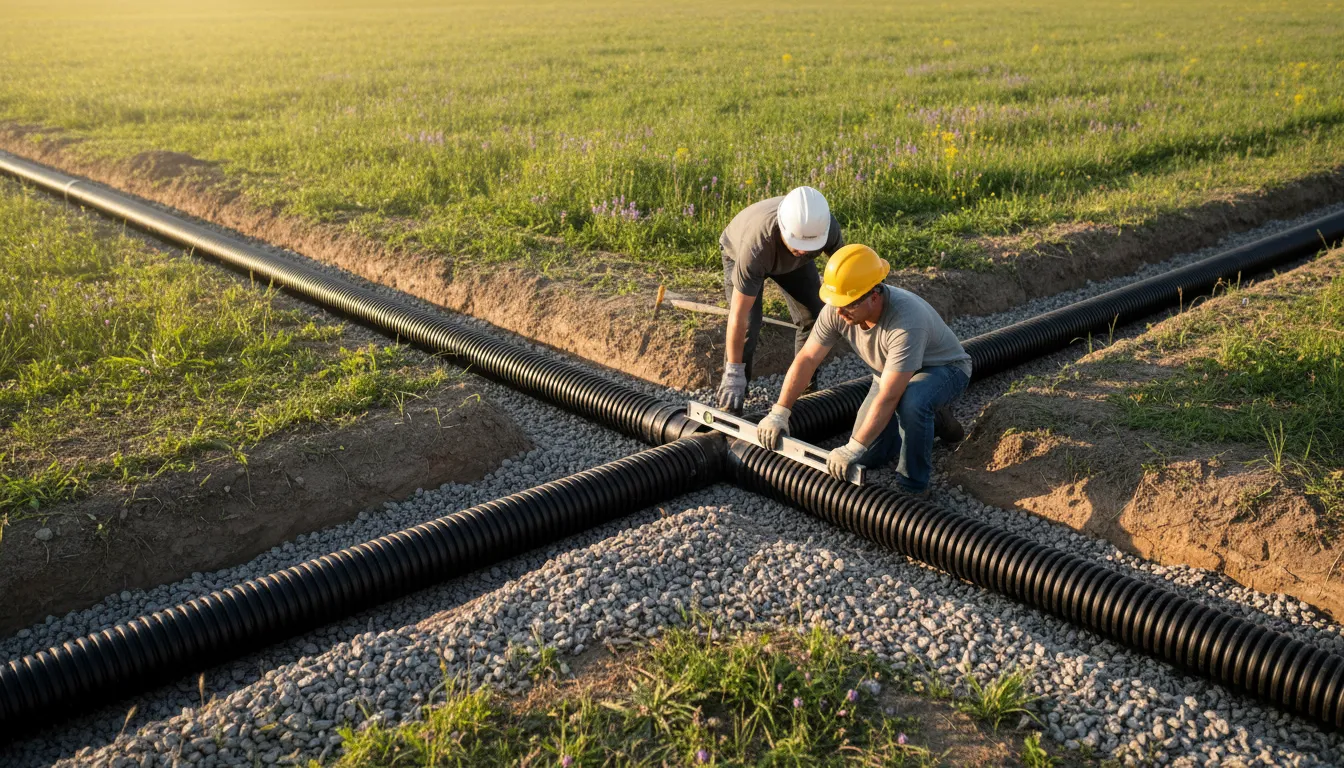
If you own a home in Skokie with a septic system, maintaining its drain field-also known as a leach field or soil absorption system-is critical for protecting your property, your family's health, and the local groundwater. Given Skokie's dense suburban nature, most properties are connected to municipal sewer, making any remaining septic systems likely older and subject to stringent state and county regulations when issues arise. This guide explains the local requirements, processes, and costs for drain field work, helping you navigate the complex steps of repair or full system replacement with confidence.

Zeilinga Services, Inc.
850 Meadowview Crossing #9, West Chicago, IL 60185
Zeilinga Services, Inc. is a septic system company based in Chicago, IL. They provide septic tank pumping, inspection, repair, and installation services, along with drain field repair and septic pump replacement. Their work includes servicing various septic units such as Aqua 02, AquaKleer, and Norweco systems. They perform thorough maintenance tasks like cleaning pumps, changing filters, checking alarms, and conducting sludge tests to determine pumping needs. Zeilinga Services also offers specialized capabilities including jetting, lift station work, TV camera line inspections, and root control treatments.
JW Trenching, Inc.
28074 W Industrial Ave, Barrington, IL 60010
JW Trenching, Inc. is a septic system repair and installation company serving Chicago, IL. They provide a range of services including soil testing for septic suitability, septic field locating, system design, and consulting. Their capabilities include septic tank replacement and repair, lift station pump replacement, and septic field repair or replacement. They also install various septic systems such as stone trench, chamber trench, mound systems, sand filter, raised filter bed, constructed wetland, textile filter, peat filter, and drip irrigation systems.
Understanding Skokie's Septic System Landscape
Unlike many rural areas, Skokie is largely served by a public sewer system. Homes that still utilize a private septic system are often in older neighborhoods where connection was not mandated or was impractical. This means your septic system is a legacy infrastructure, and its drain field is a vital component for safely dispersing treated wastewater into the soil. Because of the potential risk to groundwater in a populated area like Cook County, the Illinois Department of Public Health (IDPH) and the Cook County Department of Public Health enforce strict codes governing any work on these systems 1. A failing leach field isn't just a nuisance; it's an environmental and public health concern that must be addressed promptly and by the book.
The Regulatory Framework: Permits and Professionals
Before any shovel hits the ground, you must navigate a required permitting process. Illinois law mandates that all excavation, repair, or replacement of a septic system begins with a permit from the local health authority-in this case, the Cook County Department of Public Health. This is not a mere formality; it's a legal requirement to ensure the work protects community health.
Crucially, all physical work on your septic system must be performed by an IDPH-licensed Private Sewage Disposal Installation Contractor 2. Hiring an unlicensed individual can result in failed inspections, fines, and an illegal system. The licensed contractor will typically handle the permit application, which includes submitting a detailed site plan and the results of required soil tests. The final, critical step is a passing inspection by the health department before the new or repaired drain field is backfilled.
When Repair Turns to Replacement: Illinois Code Compliance
A key factor that surprises many Skokie homeowners is that a simple repair of a failed drain field is often not allowed under current Illinois Private Sewage Disposal Code (77 Ill. Adm. Code 905). The health department's primary goal is to bring systems up to modern standards. If your existing leach field has failed, the entire system-including the tank and distribution lines-may need to be upgraded or relocated to meet current regulations3 4. This "system replacement" rule is strictly applied, especially in areas with older installations that don't meet today's more protective setbacks and construction standards.
The Critical Role of Soil Evaluation
The feasibility and design of any new drain field hinge entirely on a professional soil evaluation. A licensed professional must conduct a soil investigation (via test pits or borings) to determine the soil's structure, texture, and most importantly, its permeability or percolation rate. This test determines how quickly water drains through your soil, which dictates the size and type of system required.
Several site-specific factors are assessed during this evaluation:
- Limiting Layers: There must be a minimum of 2 to 3 feet of unsaturated soil between the bottom of the proposed drain field trenches and the seasonal high water table or bedrock5 6.
- Soil Type: The heavy clay soils common in the Chicago region often have slow percolation rates. This may necessitate a larger drain field area or a specialized system like an aerobic treatment unit (ATU) to pre-treat the wastewater more thoroughly before it reaches the soil7.
- Setbacks: Strict distance requirements must be met. A drain field must be at least 75 feet from any water well, 25 feet from lakes or streams, and 5 feet from property lines.
- Reserve Area: Illinois code requires that a 100% reserve area-a space for an entirely second, future drain field-be identified and left undisturbed on your property8.
Diagnosing a Failing Drain Field
How do you know if you need drain field services? Warning signs shouldn't be ignored. If you notice soggy spots, sewage odors, or unusually lush grass over the drain field area, or if you hear gurgling drains or experience slow flushing inside your home, it's time for a professional inspection 9.
A thorough inspection by a licensed professional involves several steps10 11 12:
- Record Review: Examining any existing "as-built" drawings or past permits for your system.
- Locating and Uncovering: Using probes to find the septic tank and distribution box, then excavating to access them.
- Visual Inspection: Checking for damaged pipes, a compromised distribution box, and overall tank condition.
- Hydraulic Load Test: Often called a "dye test," this involves running a substantial amount of water into the system to see if it drains properly or backs up into the tank or surfaces in the yard, directly testing the drain field's absorption capacity.
Find the perfect drain field repair companies for your needs
Get personalized recommendations and expert advice
Understanding the Costs Involved
Drain field repair or replacement is a significant investment. Costs in Illinois vary widely based on system size, soil conditions, and the extent of work needed to bring the site up to code. Be prepared for multiple cost layers:
- Pre-Work Fees: Permit fees can range from $450 to $2,000, and a professional soil analysis (perc test) typically costs around $1,300 13.
- Minor Repairs: Addressing a single clogged line or a small issue might cost between $1,000 and $3,00014.
- Full Drain Field Replacement: Installing a completely new leach field is a major excavation project, with costs generally ranging from $7,000 to $15,000 or more 15.
- Total System Replacement: If the tank and entire system must be replaced to meet code, the project cost can easily exceed $20,000, especially if difficult soil requires bringing in fill dirt or the system must be moved to a new location on the property16 17.
Protecting Your Drain Field Investment
Once your new or repaired leach field is installed, proper maintenance is essential for its longevity.
- Avoid Compaction: Never drive, park, or place heavy structures (like sheds) over the drain field. Compaction crushes the pipes and soil pores, destroying its ability to absorb water18.
- Manage Vegetation: Do not plant trees or shrubs near the field. Their roots are attracted to the moisture and will infiltrate and clog the pipes 19.
- Conserve Water: Space out high-water-use activities like laundry. Overloading the system with a large volume of water at once can flush solids into and overwhelm the drain field20.
- Pump Regularly: Have your septic tank inspected every 1-3 years and pumped as needed (typically every 3-5 years). A tank full of solids will send excess sludge into the drain field, causing premature failure21 22.
Frequently asked questions
Sources
Footnotes
-
Private Sewage Disposal - Illinois Department of Public Health - https://dph.illinois.gov/topics-services/environmental-health-protection/private-sewage-disposal.html ↩
-
Sewage Disposal System Permit | Bureau, Putnam & Marshall ... - https://bpmhd.org/steps-to-obtain-a-sewage-disposal-system-permit/ ↩
-
Illinois Septic Tank Requirements - https://www.ntotank.com/blog/illinois-septic-tank-requirements?srsltid=AfmBOorML50GzCDUZO_OVrq3uB4U1Aw0qLek4oY449Pw5-DUeYQmWsxu ↩
-
Guidelines for Addressing a Failing Septic System - https://www.lakecountyil.gov/DocumentCenter/View/4182/Failing-Systems-Brochure-PDF?bidId= ↩
-
Illinois Septic Tank Requirements - https://www.ntotank.com/blog/illinois-septic-tank-requirements?srsltid=AfmBOoo1LKiXaXEhs4t_qWkMTUXKekmyVmgonAmYnhervUnbwdLwm2OX ↩
-
§ 8.04.430 SOIL ABSORPTION SYSTEM REQUIREMENTS. - https://codelibrary.amlegal.com/codes/mchenrycounty/latest/mchenrycounty_il/0-0-0-30466 ↩
-
Soil Evaluation for Septic System - Illinois Extension - https://extension.illinois.edu/septic-systems/soil-evaluation-septic-system ↩
-
--- INVESTIGATE BEFORE YOU INVEST --- - https://www.kendallhealth.org/wp-content/uploads/2015/06/EH_INVESTIGINVEST.pdf ↩
-
How to Inspect Your Septic System: A Homeowner's Monthly ... - https://cwsseptic.com/how-to-inspect-your-septic-system-a-homeowners-monthly-checklist/ ↩
-
Septic System Inspection | Expectations - https://septicspecialistinc.com/what-to-expect-during-a-septic-system-inspection/ ↩
-
Preparing for Septic Tank Inspection: 7 Key Steps - https://septic911.com/preparing-for-septic-tank-inspection/ ↩
-
Buying and Selling Homes | Septic Systems - Illinois Extension - https://extension.illinois.edu/septic-systems/buying-and-selling-homes ↩
-
Fixing Septic Drain Fields: What Florida Homeowners Should Know - https://mathisandsonsseptic.com/mathis-sons-septic-blog-orlando-fl/septic-drain-fields-what-florida-homeowners-should-know/ ↩
-
How To Replace A Septic Drain Field Without Costly Mistakes - Miller Septic - https://millersepticfl.com/how-to-replace-a-septic-drain-field-without-costly-mistakes/ ↩
-
How Much Does a Leach or Drain Field Replacement Cost? (2026) - https://homeguide.com/costs/drain-leach-field-replacement-cost ↩
-
Cost to Replace Septic Tank and Drain Field [2026 Data] | Angi - https://www.angi.com/articles/how-much-new-drain-fields-foot.htm ↩
-
Cost to Replace Septic Tank and Drain Field [2026 Data] | Angi - https://www.angi.com/articles/how-much-new-drain-fields-foot.htm ↩
-
septic-systems.pdf - Illinois Environmental Protection Agency - https://epa.illinois.gov/content/dam/soi/en/web/epa/documents/water/conservation/lake-notes/septic-systems.pdf ↩
-
Wells and Septic Program - https://publichealth.wincoil.gov/know-your-water-and-sewage-system-private-wells-septic/ ↩
-
Septic System Maintenance | Lake County, IL - https://www.lakecountyil.gov/2280/Septic-System-Maintenance ↩
-
Frequent Questions on Septic Systems | US EPA - https://www.epa.gov/septic/frequent-questions-septic-systems ↩
-
Homeowners Guide for Well and Septic Systems - https://www.dupagehealth.org/DocumentCenter/View/9711/Homeowners-Guide-for-Well-and-Septic-Systems---English-PDF ↩