Find the Best Drain Field Repair Companies for Your Business
No obligation • Fast responses • Nationwide coverage

Why you can trust Septic Spot
Septic Spot is a leading United States resource for understanding and comparing septic services. Our editors review providers using consistent criteria and verify key business details. Listings and scores are independent, and companies cannot pay to influence our content.
Search providers near you
Top Drain Field Repair Companies in Waukegan, Illinois Ranked
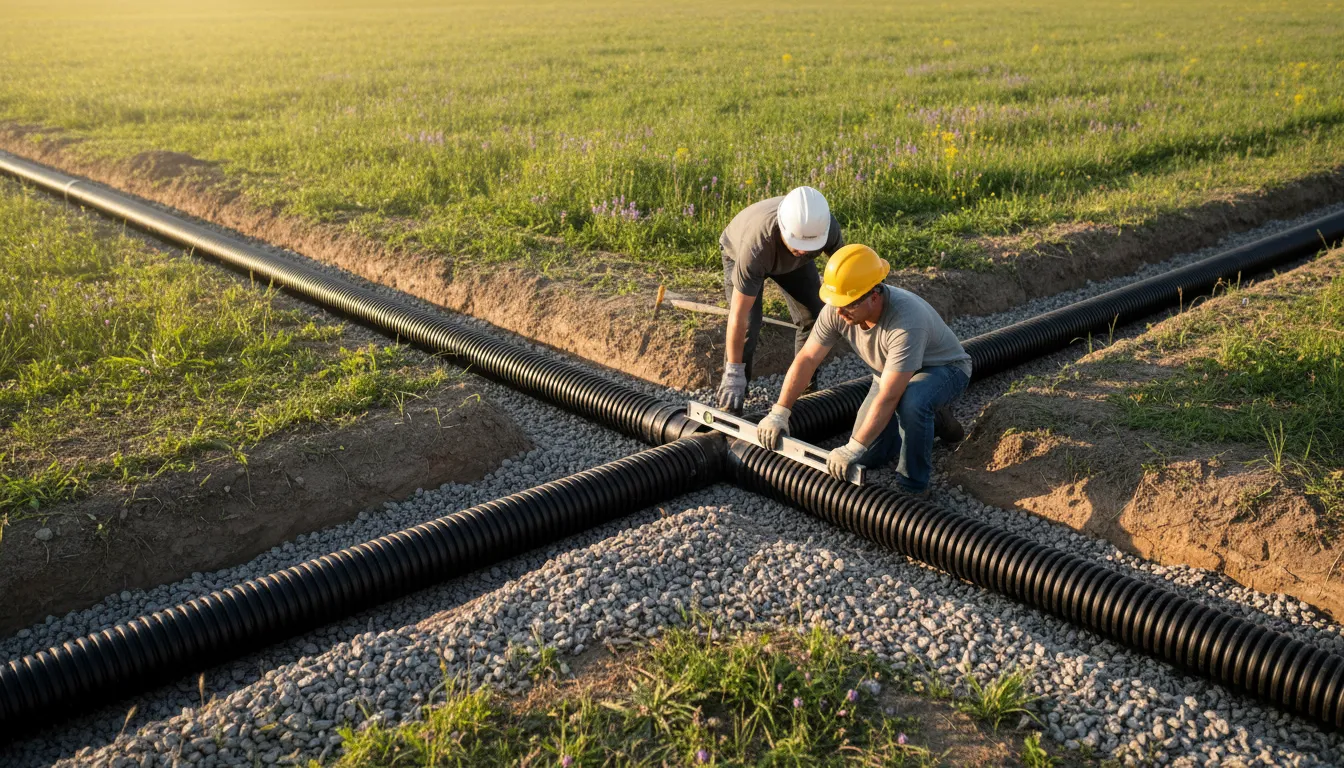
A failing drain field, also known as a leach field or absorption area, is a serious issue for any home with a septic system. This critical component is responsible for the final treatment and dispersal of wastewater into the soil. When it fails, it can lead to sewage backups, soggy yards, and environmental contamination. In Waukegan, Illinois, addressing a failing system is a regulated process that requires professional expertise and adherence to strict local and county codes. This guide explains the process, regulations, and costs to help you navigate finding qualified local specialists for septic system repair or a full replacement.

Understanding Drain Field Failure in Waukegan
A drain field fails when the soil can no longer absorb the liquid effluent flowing from the septic tank. Common signs include:
- Sewage odors in the yard or home.
- Soggy, spongy, or standing water over the drain field area, especially when it hasn't rained.
- Slow-draining toilets and sinks.
- Unusually lush, green grass over the drain field.
In Waukegan and surrounding Lake County, the heavy clay soils common to the region are a primary culprit in system failure. These dense soils have poor water absorption, which can prematurely clog the perforated pipes and the surrounding soil biomat. Once a system has failed, the Lake County Health Department (LCHD) typically requires a complete replacement with a new, code-compliant system rather than a simple patch repair.
The Regulatory Landscape: Lake County and City of Waukegan
All work on septic systems, including leach field repair or installation, is strictly regulated. You will be working with two main authorities:
- Lake County Health Department (LCHD): This is the primary permitting and enforcement agency for septic systems in the county. They issue Notices of Violation for failed systems and must approve all construction permits and designs.
- City of Waukegan: For work within city limits, you must also comply with city ordinances. The City requires any excavation work to be performed by a registered and bonded sewer contractor. A city Building Permit may also be necessary if the project involves electrical work or significant excavation 1.
The most critical first step is that no excavation or repair work can begin without a permit from the LCHD2. Starting work without a permit can result in significant fines and complications.
The Step-by-Step Process for System Replacement
Replacing a failed absorption field is a multi-stage process involving several licensed professionals.
1. Initial Assessment and Soil Evaluation
Upon receiving a Notice of Violation or identifying a failure, you must hire a licensed professional. The first technical step is a soil investigation conducted by a licensed soil classifier. This evaluation determines the soil's texture, structure, and percolation rate (how fast water drains). It also identifies the depth to the seasonal high water table or bedrock. In Waukegan's clay-heavy areas, the soil may not meet standard requirements, necessitating an engineered alternative system 3.
2. System Design and Permit Application
A licensed septic system designer or engineer uses the soil report to create a detailed construction plan. This design must comply with all current Illinois and Lake County codes. The design plan is then submitted to the LCHD by your licensed contractor as part of the construction permit application 4. This package often requires a Site Development Permit from the LCHD as well 5.
3. Installation and Mandatory Inspections
Once the permit is issued, installation can begin. A crucial rule: no part of the new septic system or drain field can be covered or backfilled until it has been inspected and approved by an LCHD inspector6. Inspections are required at key stages, such as after the tank is set and the trench or bed is excavated but before the pipes are covered. A final inspection ensures the entire system is installed according to the approved plan 7.
4. Site Considerations and System Types
Given local soil conditions, a standard trench system may not be viable. Common solutions include:
- Raised-Bed (Mound) Systems: These are often required when soil depth or permeability is insufficient. They involve constructing an elevated sand-filled bed to treat effluent before it reaches the native soil 8.
- Reserve Area: Your property must have a designated reserve area for a potential future replacement system. This area must remain undisturbed.
- Setbacks: The system must be a minimum distance from wells, property lines, and buildings. It's also recommended to maintain a 30-foot separation from trees and shrubs, as roots can invade and damage pipes.
Find the perfect drain field repair companies for your needs
Get personalized recommendations and expert advice
Understanding the Costs Involved
Replacing a septic system is a significant investment. Costs can vary widely based on soil conditions, system type, and property layout. Based on available data for the region:
- Soil Percolation Testing & Evaluation: Approximately $1,300.
- Permits: Fees can range from $450 to over $2,000, depending on system complexity. The City of Waukegan has a minimum permit fee of $75, with additional charges for street or parkway openings ($100-$500).
- Septic Tank Replacement: Typically between $3,000 and $10,000.
- Drain Field Replacement: Averages around $7,000, but can be much higher for engineered mound systems required for difficult soils 9.
- Inspection Fees: Note that the LCHD charges a $75 fee for failed or missed inspections 10.
Maintaining Your New System
To protect your investment and avoid future failure, consistent maintenance is key. The LCHD recommends having your septic tank pumped and inspected by a professional every three years11. This prevents solids from escaping the tank and clogging the new drain field. Also, avoid driving vehicles or heavy equipment over the absorption area, and be mindful of what you plant nearby 11 12.
If you receive a Notice of Violation from the LCHD, it is imperative to contact them promptly to discuss the required steps and timelines for compliance 13.
Frequently asked questions
Sources
Footnotes
-
Sewer | Waukegan, IL - Official Website - https://www.waukeganil.gov/999/Sewer ↩
-
Guidelines for Addressing a Failing Septic System - https://www.lakecountyil.gov/DocumentCenter/View/4182/Failing-Systems-Brochure-PDF?bidId= ↩
-
septic-systems.pdf - Illinois Environmental Protection Agency - https://epa.illinois.gov/content/dam/soi/en/web/epa/documents/water/conservation/lake-notes/septic-systems.pdf ↩
-
Septic Inspections Made Easy: What Every Contractor Needs to Know Before Breaking Ground (2025) - https://flengineeringllc.com/septic-inspections-guide-contractors-2025/ ↩
-
Septic Repair/Installation - Lake County, Illinois - https://www.lakecountyil.gov/830/Septic-RepairInstallation ↩
-
Water and Sanitary Sewer Service Inspections - Lake County, Illinois - https://www.lakecountyil.gov/313/Inspection-Services ↩
-
Septic System Construction Inspection | Lake County, IL - https://www.lakecountyil.gov/2447/Septic-System-Construction-Inspection ↩
-
Onsite Wastewater Treatment System Types - Lake County, Illinois - https://www.lakecountyil.gov/2445/Onsite-Wastewater-Treatment-System-Types ↩
-
Cost to Replace Septic Tank and Drain Field [2026 Data] | Angi - https://www.angi.com/articles/how-much-new-drain-fields-foot.htm ↩
-
Sewer | Waukegan, IL - Official Website - https://www.waukeganil.gov/999/Sewer ↩
-
Septic System Maintenance | Lake County, IL - https://www.lakecountyil.gov/2280/Septic-System-Maintenance ↩ ↩2
-
How to Plant and Build Around Your Drainfield - https://tpchd.org/wp-content/uploads/2023/12/How-to-Plant-and-Build-Around-Your-Drainfield.pdf ↩
-
Guidelines for Addressing a Failing Septic System - https://www.lakecountyil.gov/DocumentCenter/View/4182/Failing-Systems-Brochure-PDF?bidId= ↩