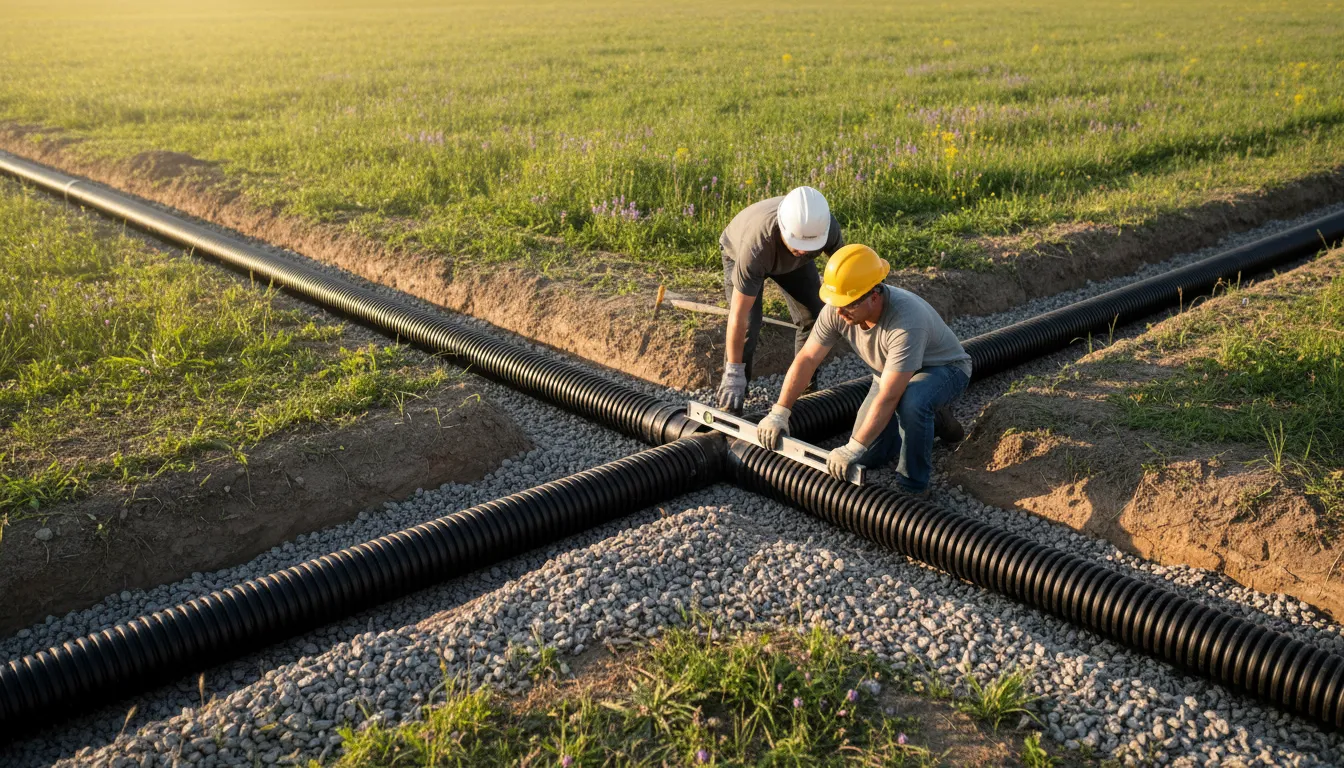
Find the Best Drain Field Repair Companies for Your Business
No obligation • Fast responses • Nationwide coverage

Why you can trust Septic Spot
Septic Spot is a leading United States resource for understanding and comparing septic services. Our editors review providers using consistent criteria and verify key business details. Listings and scores are independent, and companies cannot pay to influence our content.
Search providers near you
Best Drain Field Repair Companies in Kentucky Ranked
A failing drain field, also known as a leach field or soil absorption system, is a serious issue for any Kentucky homeowner with a septic system. It's the component that safely disperses and filters treated wastewater into the soil, and when it fails, it can lead to sewage backups, soggy yards, and environmental contamination. Understanding Kentucky's specific regulations, the repair process, and how to find qualified local professionals is essential for protecting your property, your health, and your investment. This guide provides the practical information you need to navigate drain field issues, from recognizing warning signs to completing a compliant repair or replacement.
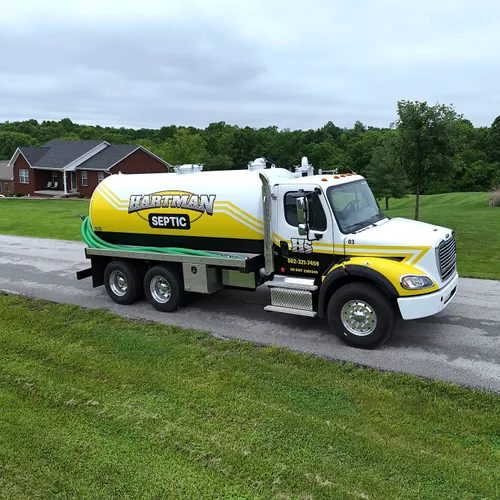
Hartman Septic
24 Old 7 Mile Pike, Shelbyville, KY 40065
Hartman Septic provides full-service septic solutions in Louisville, KY, and surrounding areas including Shelby County and Pewee Valley. The company offers residential and commercial septic tank pumping, inspection, repair, installation, and drain field repair or replacement. Hartman Septic is led by Kentucky's first Master Septic Installer, bringing expert knowledge to each project. They are experienced in managing complex septic system issues and work closely with local health authorities to ensure compliance and approved repairs. The company is known for handling excavation and septic challenges efficiently and professionally.
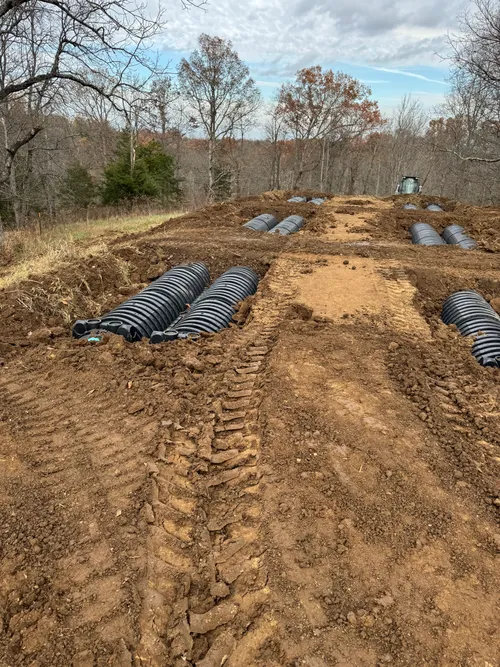
Smith's Excavating & Beyond
Lexington, KY
Smith's Excavating & Beyond is an excavating contractor based in Sadieville, KY, serving Lexington and surrounding areas including Georgetown. They specialize in septic system installation, repair, and replacement, along with land clearing, driveway construction, and concrete foundation work. With 25 years of industry experience, the company offers comprehensive septic services such as soil testing, tank installation, and drain field work, ensuring reliable and code-compliant systems. They emphasize transparent pricing and integrity in all projects.
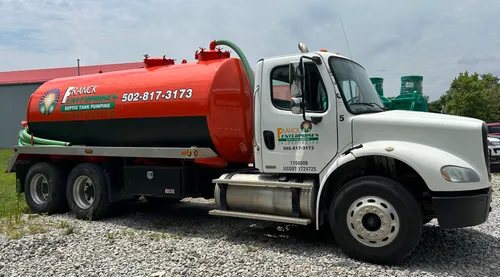
K. Franck Enterprises Inc.
1805 Button Ct, La Grange, KY 40031
K. Franck Enterprises Inc. is a septic system specialist serving Louisville, KY. They provide a full range of services including septic tank pumping, inspections, repairs, and system installations. Their expertise covers conventional septic systems, surface discharge setups, and advanced Norweco brand systems. With nearly 30 years of experience, they understand local soil and environmental conditions and tailor solutions accordingly. They also offer erosion control and drainage services to protect properties and support septic system health. The company manages projects directly with trained professionals and backs their work with a two-year material and workmanship warranty.
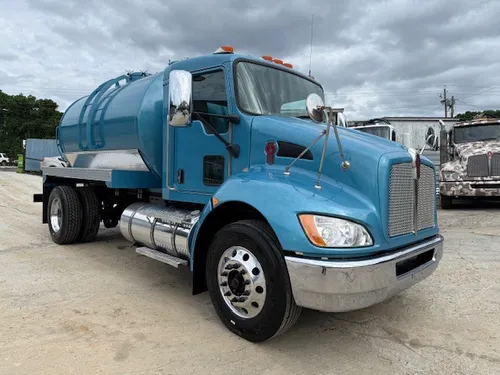
Major Duke's Services
Lexington, KY
Major Duke's Services is a septic and grease system company based in Lexington, KY. They provide septic tank cleaning, grease trap cleaning, septic system inspections, repairs, installations, and drain field services for both residential and commercial clients. The company is licensed and insured, with certified pumping truck operations and expertise in hydro jetting to clear blockages efficiently. Serving Central Kentucky, they understand local soil conditions and common septic challenges, offering tailored solutions for newer and older properties. Their services include emergency repairs and routine maintenance to keep systems functional and compliant.
Recognizing Signs of a Failing Drain Field
Catching problems early can mean the difference between a minor repair and a costly full replacement. Be alert to these common warning signs of a failing leach field in Kentucky:
- Sewage Backups: The most alarming sign is sewage backing up into household drains or toilets.
- Slow Drains: Consistently slow-draining sinks, tubs, and showers, especially if not isolated to one fixture.
- Foul Odors: Persistent sewage smells in your yard, particularly around the drain field area.
- Soggy or Saturated Soil: Spongy, wet ground or standing water over the absorption field, even during dry weather.
- Unusually Lush Grass: Patches of grass over the field that are greener and grow faster than the rest of the lawn, indicating a nutrient overload.
- Gurgling Sounds: Audible gurgling in your plumbing lines.
If you notice any of these signs, it's time to contact a certified professional for an inspection 1.
Kentucky Regulations and Permit Requirements
All work on a septic system in Kentucky, including drain field repair or replacement, is regulated by state law (902 KAR 10:085) and overseen by your local health department. You cannot legally begin any repair work without following these steps:
- Contact Your Local Health Department: This is your first and most critical step. They administer the state regulations and will guide you through the permit process. You can find your department via the Kentucky Cabinet for Health and Family Services (CHFS) website 2.
- Obtain a Permit: A permit is mandatory for the installation, modification, or repair of any onsite sewage system. The permit ensures the work meets health and environmental standards.
- Site Evaluation: For a repair or replacement, the health department will typically require a new site evaluation to assess soil conditions, slope, and drainage. Kentucky regulations specify that suitable sites generally have slopes under 15% 3. This evaluation determines if the existing site can be repaired or if a new, compliant location must be found.
- Use a Certified Installer: Kentucky law requires that installations and major repairs be performed by a state-certified Kentucky Onsite Septic Installer4 5. Your local health department can provide lists of certified professionals in your area.
Permit Fees: Expect to pay between $300 and $425 for the required permit and site evaluation, though fees can vary by county.
The Drain Field Repair and Replacement Process
Once you have your permit and a certified contractor, the process will follow these general steps:
1. Professional Inspection & Diagnosis: A thorough inspection (costing $200 to over $600) will determine the exact cause and extent of the failure. This may involve excavating inspection ports or using a camera to check distribution lines.
2. Identifying the Problem: Common issues requiring repair include:
- Clogged or Crushed Pipes: Tree root intrusion, soil compaction from vehicles, or biomat buildup can block distribution pipes.
- Soil Saturation: Poor original design, excessive water use, or high groundwater can cause the soil to become permanently waterlogged.
- Component Failure: Broken distribution box, damaged drop boxes, or a failed septic tank allowing solids to clog the field.
3. Repair vs. Replacement: The solution depends on the diagnosis.
- Minor Repairs: Fixing a broken pipe, replacing a damaged distribution box, or cleaning a clogged line may be sufficient. These repairs often cost less than $1,000.
- Major Repair or Full Replacement: If the soil is permanently failed or the system is antiquated, a new lateral field may be needed. Regulations may require improved drainage or a different technology if the area is deemed only marginally suitable 6 7. This is a major project that can cost several thousand dollars, depending on home size, soil conditions, and system type.
4. Installation & Final Inspection: Your certified installer will execute the approved plan. Once work is complete, but before the new field is covered, the local health department must inspect the installation to give final approval 8.
Find the perfect drain field repair companies for your needs
Get personalized recommendations and expert advice
Costs Associated with Drain Field Work in Kentucky
Costs are highly variable and depend on the scope of work, system size, soil conditions, and accessibility. Here is a general breakdown:
- System Inspection: $200 - $600+
- Permit & Site Evaluation: $300 - $425 9 10
- Minor Repairs (pipe, D-box): Often under $1,000 11
- Major Drain Field Replacement: Typically $3,000 to $10,000+, with complex systems or challenging sites costing more 12.
Always get detailed, written estimates from multiple certified installers. The lowest bid is not always the best; ensure the quote includes all permitting, excavation, materials, labor, and restoration of your landscape.
Maintaining Your Kentucky Drain Field
Proper maintenance is the best way to avoid a costly failure. Homeowners are responsible for the ongoing care of their system.
- Pump Your Tank Regularly: Have the septic tank pumped every 3-5 years by a licensed pumper to prevent solids from escaping into the drain field.
- Conserve Water: Spread out laundry loads, fix leaky faucets and toilets promptly, and install water-efficient fixtures. Excessive water flow is a common cause of field failure.
- Mind What You Flush: Only human waste and toilet paper should go down the drain. Never flush chemicals, grease, oils, pharmaceuticals, diapers, wipes (even "flushable" ones), or coffee grounds.
- Protect the Area: Never drive, park, or build over your drain field or septic tank. The weight can crush pipes and compact the soil. Keep trees and large shrubs planted away from the field, as roots can seek out moisture and clog lines 13 14.
- Divert Water: Ensure roof gutters, sump pumps, and surface runoff are directed away from the absorption field to prevent saturation.
Choosing a Certified Professional in Kentucky
Selecting the right contractor is crucial. Here's how to vet potential providers:
- Verify Certification: Confirm they are a current Certified Kentucky Onsite Septic Installer. Ask for their certification number.
- Check References & Reviews: Ask for local references and check online reviews for feedback on their work quality, timeliness, and professionalism.
- Ask About Insurance: Ensure they carry both liability and worker's compensation insurance.
- Get Everything in Writing: The scope of work, materials, timeline, total cost, and payment schedule should be detailed in a contract.
- Confirm They Handle Permits: A reputable installer will typically pull the required permit on your behalf as part of their service.
Frequently asked questions
Sources
Footnotes
-
Frequent Questions on Septic Systems | US EPA - https://www.epa.gov/septic/frequent-questions-septic-systems ↩
-
Onsite Sewage Disposal Systems Program - https://www.chfs.ky.gov/agencies/dph/dphps/emb/Pages/environmentmgmt.aspx ↩
-
Septic System Approval, Permit, And Site Evaluations - https://www.cchdky.org/septic-system-approval-permit-and-site-evaluations/ ↩
-
How to Repair a Septic System - Lake Cumberland District Health Department - https://www.lcdhd.org/services/environmental-services/guidelines/how-to-repair-a-septic-system/ ↩
-
Homeowner's Informational Packet for a Sewer - https://dhbc.ky.gov/Documents/HOs%20Info%20-%20Sewer.pdf ↩
-
902 KAR 10:085 - Kentucky on-site sewage disposal systems - LII - https://www.law.cornell.edu/regulations/kentucky/902-KAR-10-085 ↩
-
Kentucky On-Site Sewage Disposal Systems Regulation - https://healthdepartment.org/wp-content/uploads/2016/06/Onsite-Regulations.pdf ↩
-
GPP Residential Septic - Kentucky Energy and Environment Cabinet - https://eec.ky.gov/Environmental-Protection/Water/GW/GPPDocs/GenericGPP-ResidentialSeptic.pdf ↩
-
Septic Systems - Northern Kentucky Health Department - https://nkyhealth.org/septic/ ↩
-
Onsite Septic System Program | LouisvilleKY.gov - https://louisvilleky.gov/government/health-wellness/onsite-septic-system-program ↩
-
Repairing Septic Systems: A Detailed Manual - https://ky-pd.com/blog/fixing-septic-system/ ↩
-
Understanding Septic System Cost: A Complete Guide - https://ky-pd.com/blog/septic-system-cost-breakdown/ ↩
-
Septic Tank Installation Costs 2024: Prices & Factors - https://ftp.broadwayinfosys.com/blog/septic-tank-installation-costs-2024-prices-and-factors-1767648532 ↩
-
Septic System Owner's Guide | NC State Extension Publications - https://content.ces.ncsu.edu/septic-system-owners-guide ↩