
Find the Best Drain Field Repair Companies for Your Business
No obligation • Fast responses • Nationwide coverage

Why you can trust Septic Spot
Septic Spot is a leading United States resource for understanding and comparing septic services. Our editors review providers using consistent criteria and verify key business details. Listings and scores are independent, and companies cannot pay to influence our content.
Search providers near you
Top Drain Field Repair Companies in Lexington, Kentucky Ranked
A failing drain field, also known as a leach field or absorption field, is a serious issue for any home with a septic system. When this critical component stops properly dispersing treated wastewater into the soil, it can lead to sewage backups, soggy yards, and environmental contamination. In Lexington, navigating drain field issues requires understanding local soil conditions and regulatory steps. This guide explains the process, costs, and key considerations for leach field repair or replacement, helping you connect with qualified local professionals for an evaluation.
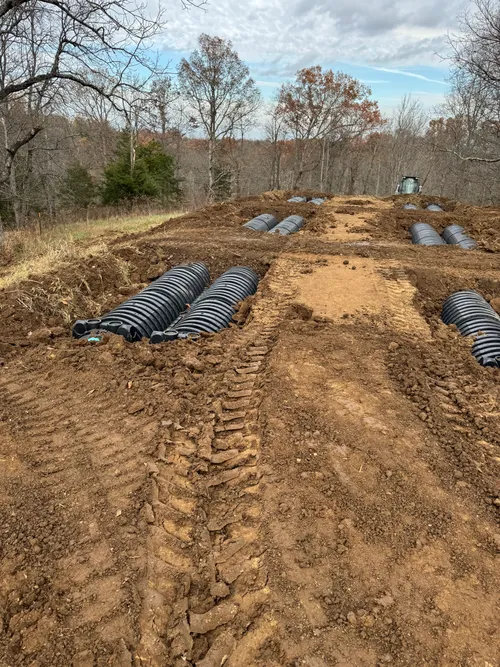
Smith's Excavating & Beyond
Lexington, KY
Smith's Excavating & Beyond is an excavating contractor based in Sadieville, KY, serving Lexington and surrounding areas including Georgetown. They specialize in septic system installation, repair, and replacement, along with land clearing, driveway construction, and concrete foundation work. With 25 years of industry experience, the company offers comprehensive septic services such as soil testing, tank installation, and drain field work, ensuring reliable and code-compliant systems. They emphasize transparent pricing and integrity in all projects.
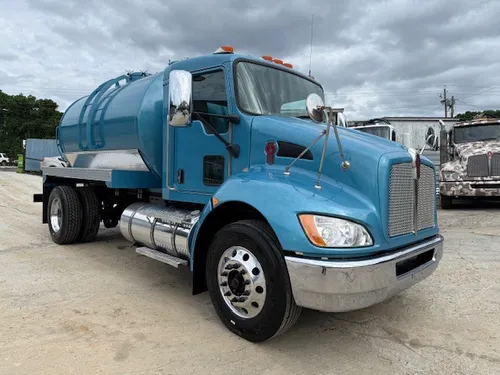
Major Duke's Services
Lexington, KY
Major Duke's Services is a septic and grease system company based in Lexington, KY. They provide septic tank cleaning, grease trap cleaning, septic system inspections, repairs, installations, and drain field services for both residential and commercial clients. The company is licensed and insured, with certified pumping truck operations and expertise in hydro jetting to clear blockages efficiently. Serving Central Kentucky, they understand local soil conditions and common septic challenges, offering tailored solutions for newer and older properties. Their services include emergency repairs and routine maintenance to keep systems functional and compliant.
Understanding Drain Field Failure in Lexington
The drain field is the final stage of your onsite wastewater system. After solids settle in the septic tank, liquid effluent flows into a network of perforated pipes buried in trenches filled with gravel. This effluent slowly percolates into the soil, where natural processes provide final treatment. A system fails when the soil can no longer absorb the water, causing it to surface or back up into the home.
Common signs you may need drain field services include:
- Sewage odors in the yard or home.
- Slow-draining sinks, toilets, and showers.
- Gurgling sounds in plumbing.
- Unusually lush, green grass or soggy, spongy ground over the drain field area.
- Standing water or surfacing sewage.
In Lexington, a primary factor in drain field performance is the local soil. The area often has clay-heavy soils, which have naturally low permeability. This means water drains through them very slowly, increasing the risk of saturation and system failure. These soil conditions directly influence the type of system your property can support and the complexity of any repair or replacement project.
The Lexington Regulatory and Approval Process
Any significant repair or complete replacement of a septic drain field in Lexington-Fayette County requires approval from the local health department. You cannot simply hire a contractor to dig a new field; the process is designed to ensure public and environmental health is protected.
The standard process involves several key steps:
- Site Evaluation: The first mandatory step is a site evaluation conducted by a certified professional, often an environmentalist from the health department or a licensed professional engineer (PE) 1. This evaluation assesses soil composition, depth to bedrock or water table, slope, and overall lot size to determine the property's suitability for a septic system and to prescribe the correct design.
- Permit Application: Once a design is established, a permit must be obtained from the Lexington-Fayette County Health Department's Onsite Sewage Program for any new installation or major repair 2.
- Hiring a Certified Installer: State law requires that all septic system installations and repairs be performed by a certified Kentucky Onsite Sewage System Installer. Your chosen professional will pull the necessary permits and schedule inspections.
- Final Inspection: After installation but before the new drain field is covered, a health department official must conduct a final inspection to ensure it meets all code requirements 3.
Types of Drain Field Systems Used in Central Kentucky
Due to soil constraints, not all properties can use a conventional gravity-fed system. The site evaluation will determine which type of system is necessary.
- Conventional Gravity System: The most basic type, where effluent flows by gravity from the tank to the drain field. These are less common in Lexington due to soil limitations but may be possible on ideal sites. When feasible, they are often the most cost-effective option.
- Pressure-Dose System (Level 2): Frequently required in Lexington and across Kentucky for properties with less permeable soils, high water tables, or sloping terrain. These systems use a pump chamber and dosing siphon to push effluent evenly throughout the drain field in controlled bursts. This allows the soil to rest between doses, improving treatment and preventing premature clogging.
- Advanced Treatment Systems: For sites with severe limitations, more advanced systems like aerobic treatment units (ATUs) or sand filters may be necessary to provide a higher level of treatment before the effluent reaches the drain field.
A critical part of the design involves setbacks-mandatory minimum distances the new drain field must be from wells, streams, property lines, foundations, and other structures 4. These rules are strict and non-negotiable, and sometimes a failing field cannot be replaced in its original location if it doesn't meet current setback requirements.
Professional Inspection and Diagnosis
Before jumping to replacement, a thorough professional inspection is essential to accurately diagnose the problem. A comprehensive septic inspection in Lexington typically costs between $200 and $600.
A proper diagnostic inspection should include:
- Tank Assessment: The inspector will locate and pump the tank to measure sludge and scum levels, which indicates if poor maintenance contributed to the failure. They will also inspect inlet and outlet baffles 5 6.
- Hydraulic Load Test: This test involves running a significant amount of water through the system to see if the drain field can handle the flow without surfacing.
- Soil and Drain Field Evaluation: The professional will probe the drain field area for saturation, check for surfacing effluent, and may use a camera to inspect distribution lines for root intrusion or collapse 7.
- Review of Existing Records: Checking any available "as-built" diagrams of the current system.
The inspection will determine if the issue is a simple clog that can be jetted, a broken pipe that can be spot-repaired, or a complete biological or hydraulic failure requiring a full drain field replacement.
Find the perfect drain field repair companies for your needs
Get personalized recommendations and expert advice
Cost Factors for Repair and Replacement
Costs for addressing drain field issues in Lexington vary widely based on the solution. It's important to get multiple estimates from certified installers.
- Minor Repairs: Fixing a clogged line or replacing a single damaged pipe may cost a few hundred to a couple thousand dollars.
- Complete Drain Field Replacement: This is a major excavation project. For a typical 3-4 bedroom home, complete drain field replacement often starts around $10,000 and can go much higher 8. This cost is for the new absorption field only, assuming the existing tank and plumbing are still functional.
- Full System Replacement: If the septic tank is also failing or doesn't meet current codes, you'll be looking at installing an entirely new system. Data suggests a new septic system (including tank and drain field) in the Lexington area typically costs between $6,400 and $7,600, but complex pressure-dose systems can range from $20,000 to over $24,000 depending on size and site challenges 9 10.
- Additional Fees: Remember to budget for the required site evaluation fee (around $300) and the health department permit fees 11.
The final price is driven by system type (gravity vs. pressure-dose), the size of the home (bedroom count), soil conditions, accessibility for heavy equipment, and local labor rates.
Maintenance to Extend Drain Field Life
Once you have a new or repaired drain field, proper maintenance is key to a long lifespan.
- Regular Pumping: Pump your septic tank every 3-5 years to prevent solids from washing out into the drain field and clogging the soil.
- Water Conservation: Spread out laundry loads, fix leaks, and use water-efficient fixtures to avoid hydraulically overloading the system.
- Mind What You Flush: Only human waste and toilet paper should go down the drain. Avoid chemicals, grease, wipes (even "flushable" ones), and medications.
- Protect the Area: Never drive or park vehicles over the drain field, and avoid planting trees or deep-rooted shrubs nearby. Keep roof drains and sump pumps directed away from the field.
Taking these steps can help you avoid a premature and expensive repeat of the drain field replacement process.
Frequently asked questions
Sources
Footnotes
-
Kentucky Septic Tank Requirements | Complete Overview Guide - https://www.ntotank.com/blog/kentucky-septic-tank-requirements ↩
-
Onsite Sewage Program (Septic, Septic Tank Pumper) - https://www.lfchd.org/onsite-sewage-septic-tank-program/ ↩
-
Onsite Sewage Disposal Systems Program - https://www.chfs.ky.gov/agencies/dph/dphps/emb/Pages/environmentmgmt.aspx ↩
-
Septic Services FAQs - https://www.majordukes.com/faqs ↩
-
Buying a Home with Septic? Inspection in Kentucky & Ohio - https://kentuckyinspectionservices.com/services/septic-inspection/ ↩
-
Septic Tank Pumping: Maintenance Checklist Guide - https://gatewayseptic.com/blog/guide-to-maintenance-checklist-of-septic-tank-pumping/ ↩
-
The Ultimate Guide to Replacing a Septic Drain Field - https://www.rciseptic.com/the-ultimate-guide-to-replacing-a-septic-drain-field ↩
-
Septic Systems - Northern Kentucky Health Department - https://nkyhealth.org/septic/ ↩
-
How much does it cost for a new septic and drain field? Just an ... - https://www.facebook.com/groups/204486930758046/posts/1461789831694410/ ↩
-
Lexington Septic Systems Costs & Prices - ProMatcher Cost Report - https://septic-systems.promatcher.com/cost/lexington-ky-septic-systems-costs-prices.aspx ↩
-
Understanding Septic System Cost: A Complete Guide - https://ky-pd.com/blog/septic-system-cost-breakdown/ ↩