
Find the Best Drain Field Repair Companies for Your Business
No obligation • Fast responses • Nationwide coverage

Why you can trust Septic Spot
Septic Spot is a leading United States resource for understanding and comparing septic services. Our editors review providers using consistent criteria and verify key business details. Listings and scores are independent, and companies cannot pay to influence our content.
Search providers near you
Top Drain Field Repair Companies in Louisville, Kentucky Ranked
A failing drain field is a serious issue for any home with a septic system, leading to sewage backups, foul odors, and environmental contamination. In Louisville, the heavy clay soils and strict local regulations make professional assessment and permitted repair essential. This guide explains the process, costs, and local requirements for leach field repair and replacement, helping you connect with certified professionals to restore your system's function safely and legally.
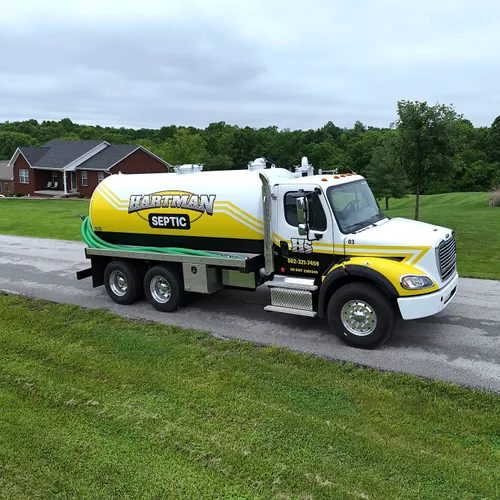
Hartman Septic
24 Old 7 Mile Pike, Shelbyville, KY 40065
Hartman Septic provides full-service septic solutions in Louisville, KY, and surrounding areas including Shelby County and Pewee Valley. The company offers residential and commercial septic tank pumping, inspection, repair, installation, and drain field repair or replacement. Hartman Septic is led by Kentucky's first Master Septic Installer, bringing expert knowledge to each project. They are experienced in managing complex septic system issues and work closely with local health authorities to ensure compliance and approved repairs. The company is known for handling excavation and septic challenges efficiently and professionally.
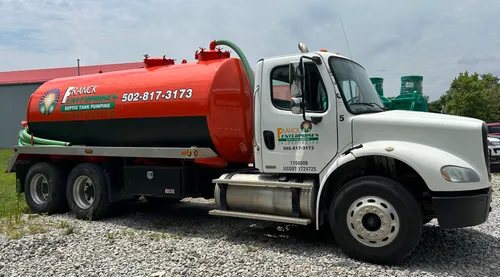
K. Franck Enterprises Inc.
1805 Button Ct, La Grange, KY 40031
K. Franck Enterprises Inc. is a septic system specialist serving Louisville, KY. They provide a full range of services including septic tank pumping, inspections, repairs, and system installations. Their expertise covers conventional septic systems, surface discharge setups, and advanced Norweco brand systems. With nearly 30 years of experience, they understand local soil and environmental conditions and tailor solutions accordingly. They also offer erosion control and drainage services to protect properties and support septic system health. The company manages projects directly with trained professionals and backs their work with a two-year material and workmanship warranty.
Understanding Your Drain Field and Common Failures
The drain field, also known as a leach field or absorption field, is the final and most critical stage of your onsite wastewater system. After solids settle in the septic tank, liquid effluent flows into a network of perforated pipes buried in trenches filled with gravel. This effluent slowly percolates through the soil, where natural processes filter and treat it before it rejoins the groundwater.
In the Louisville area, several factors contribute to premature drain field failure 1:
- Soil Composition: Predominant heavy clay soils have slow percolation rates, causing effluent to pool and saturate the field.
- System Age: Many systems are 20-30+ years old and have reached the end of their functional lifespan.
- Hydraulic Overload: Excessive water use from leaks, inefficient fixtures, or large households floods the field.
- Physical Damage: Compaction from vehicles, root intrusion from trees, or a clogged biomat layer can halt drainage.
Recognizing the Signs of a Failing Leach Field
Early detection can sometimes allow for less invasive repairs. Watch for these warning signs of a failing absorption field 2 3:
- Soggy Soil: Persistently wet, spongy, or standing water over the drain field area, even in dry weather.
- Sewage Odors: Foul smells emanating from the yard, especially near the field.
- Slow Drains: Gurgling pipes, slow flushing toilets, and backed-up drains throughout the home.
- Unusual Plant Growth: Patches of abnormally lush, green grass or weeds over the field.
- Sewage Backup: The most severe sign, indicating a complete failure and potential health hazard.
If you notice any of these symptoms, it's crucial to stop using water excessively and contact a professional immediately for an inspection.
Louisville and Kentucky Regulatory Requirements
All drain field repair or replacement work in Louisville Metro requires permits and must follow state and local codes. The Louisville Metro Public Health and Wellness (LMPHW) department administers the Onsite Sewage Disposal System Program.
Key Permit and Regulatory Steps:
- Site Evaluation: A mandatory first step conducted by a certified professional. This soil evaluation determines the suitability of your property for a replacement system and what type (conventional, mound, etc.) is required. The LMPHW fee for this evaluation is $375 4.
- Permit Application: After evaluation, detailed plans must be submitted via the LMPHW online portal. Permit fees are $175 for repairs or $300 for system alterations 5.
- Certified Installer: Kentucky law requires that all septic system installation and major repair work be performed by a Kentucky Certified Onsite Septic Installer. Hiring a certified professional ensures the work meets code and will pass inspection.
- The 5-Acre Rule: For properties deeded after December 1987, a new or replacement septic system generally requires a minimum lot size of 5 acres, unless served by a community system.
- Setback Distances: Systems must adhere to strict minimum distances from wells, property lines, buildings, streams, and trees. These setbacks are strictly enforced during the permit and inspection process 6.
Find the perfect drain field repair companies for your needs
Get personalized recommendations and expert advice
The Professional Repair and Replacement Process
Navigating a drain field project involves a series of coordinated steps between the homeowner, the professional installer, and the health department.
1. Professional Inspection & Diagnosis A certified professional will first perform a thorough inspection to confirm the drain field has failed and determine the cause. This may involve probing the soil, checking the distribution box, and assessing the tank's condition.
2. Site Evaluation & System Design For a replacement, a new site evaluation is legally required. The evaluator will perform soil tests (percolation tests, deep hole observations) to determine the soil's absorption rate and depth to limiting layers like bedrock or seasonal high water tables 7. This data dictates the design-whether a conventional trench system, a raised mound system (common for poor soils), or an advanced treatment system is necessary.
3. Securing Permits Your chosen professional will typically handle the permit application process with LMPHW, submitting the design plans and paying the required fees on your behalf.
4. Installation & Construction Once permitted, the certified installer will execute the work. This involves:
- Excavating the failed field (often requiring heavy machinery).
- Preparing the new site according to the engineered design.
- Installing new distribution lines, gravel, and geotextile fabric.
- For mound systems, constructing the sand fill and gravel bed.
5. Final Inspection Before the new field is covered with topsoil, a final inspection by the health department (or the certified installer, depending on the permit type) is mandatory to ensure compliance with the approved plans 8.
Cost Considerations for Drain Field Projects
The total cost for leach field repair or replacement in Louisville can vary widely based on the scope of work, soil conditions, and system type. While we don't provide specific quotes, the following fee structure and cost drivers are based on local data:
- Mandatory Fees: The LMPHW site evaluation fee is $375, and permit fees range from $175 to $300 9.
- Replacement Cost Drivers: Total project costs typically run into the thousands of dollars. Key factors include 10 11 12:
- System Type & Size: A conventional lateral field for a 3-bedroom home is generally less expensive than a large mound system or one requiring advanced nitrogen-reducing technology.
- Site Accessibility: Difficult terrain or limited access for equipment can increase labor costs.
- Extent of Excavation: Removing and disposing of the material from an old, failed field adds to the cost.
- Additional Work: Often, a failing drain field indicates an overloaded or failing septic tank, which may need simultaneous repair or replacement.
Maintaining Your New Drain Field
Protect your investment and extend the life of your new wastewater treatment system with proper care:
- Practice Water Conservation: Spread out laundry loads, fix leaks promptly, and install water-efficient fixtures.
- Mind What You Flush: Only human waste and toilet paper should go down the drain. Avoid chemicals, grease, wipes, and feminine products.
- Protect the Area: Never drive or park vehicles over the drain field. Keep large trees and shrubs with deep roots away from the area.
- Pump Regularly: Have your septic tank pumped every 3-5 years by a licensed pumper to prevent solids from escaping into the field.
Frequently asked questions
Sources
Footnotes
-
KY Well & Septic Inspections 2026: Buyer's Complete Guide - AskDoss - https://askdoss.com/how-to-handle-well-and-septic-inspections-in-kentucky-what-buyers-must-know/ ↩
-
The Ultimate Guide to Replacing a Septic Drain Field - https://www.rciseptic.com/the-ultimate-guide-to-replacing-a-septic-drain-field ↩
-
Getting To Know Your Drain Field - https://www.kysepticservice.com/helpful-info/getting-to-know-your-drain-field.html ↩
-
louisville metro public health and wellness - LouisvilleKY.gov - https://louisvilleky.gov/sites/default/files/migration/missing-files/onsite_septic_system_program/2019nov1-siteevaluationinstructions.pdf ↩
-
Kentucky Septic Tank Requirements | Complete Overview Guide - https://www.ntotank.com/blog/kentucky-septic-tank-requirements ↩
-
Onsite system FAQ's - LouisvilleKY.gov - https://louisvilleky.gov/sites/default/files/migration/missing-files/onsite_septic_system_program/2019nov1onsitefaq.pdf ↩
-
How Can I Install a Septic Tank and Leach Field on My Property? - https://www.kysepticservice.com/helpful-info/how-can-i-install-a-septic-tank-and-leach-field-on-my-property.html ↩
-
Onsite Sewage Disposal Systems Program - https://www.chfs.ky.gov/agencies/dph/dphps/emb/Pages/environmentmgmt.aspx ↩
-
Onsite Septic System Program | LouisvilleKY.gov - https://louisvilleky.gov/government/health-wellness/onsite-septic-system-program ↩
-
Complete Septic System Installation Guide - KYPD Plumbing - https://ky-pd.com/blog/septic-system-installation-guide/ ↩
-
A Kentucky Homeowner's Guide - https://bggreensource.org/wp-content/uploads/2021/11/1-KentuckyHomeownerGuide7-06_Updated-12.13.2019.pdf ↩
-
How To Replace A Septic Drain Field Without Costly Mistakes - https://millersepticfl.com/how-to-replace-a-septic-drain-field-without-costly-mistakes/ ↩